
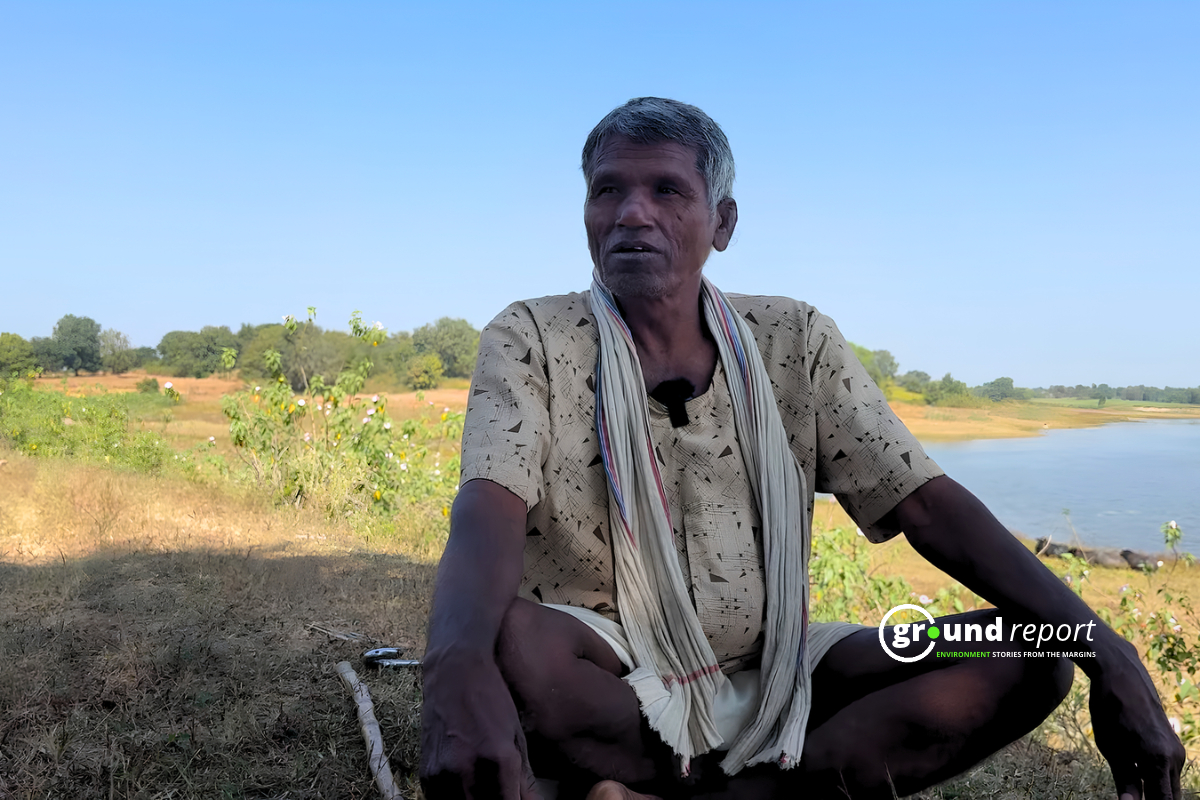
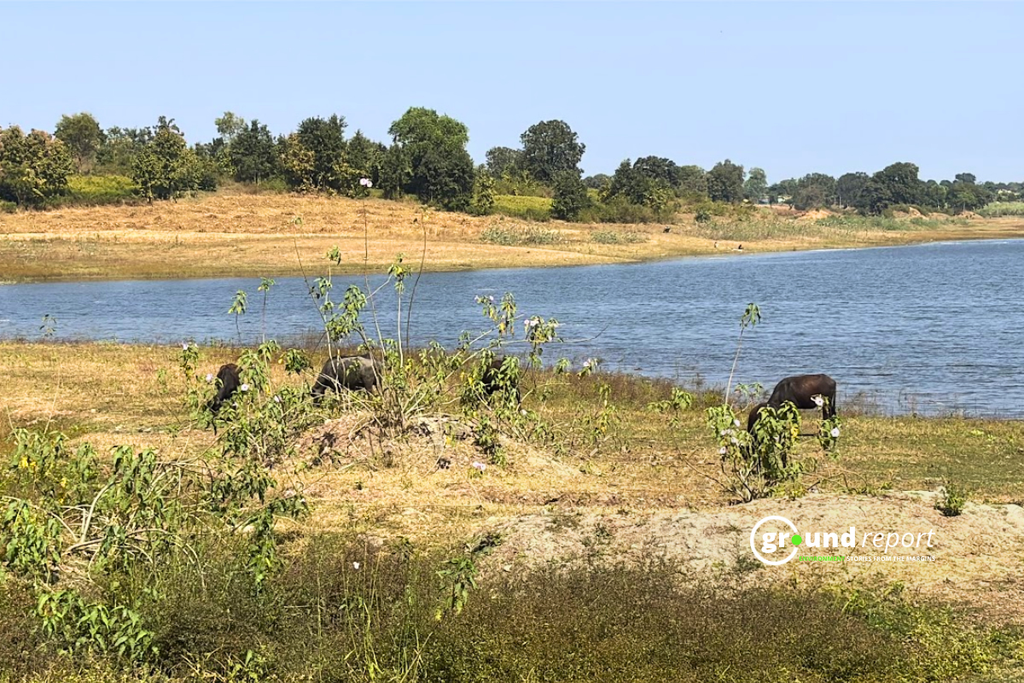
At the Urdan reservoir in Kalyanpur village, about 15 kilometres from Betul district headquarters in Madhya Pradesh, 60-year-old Rupalal’s buffaloes graze where water should be. The reservoir holds barely any water, and its catchment area has turned into an open ground.
The remaining water has kept the grass green, providing fodder for the buffaloes. Rupalal said he has never seen the reservoir this empty in November. Pointing to a shrub near the embankment, he recalled, “Last year, the water had reached up to here.”
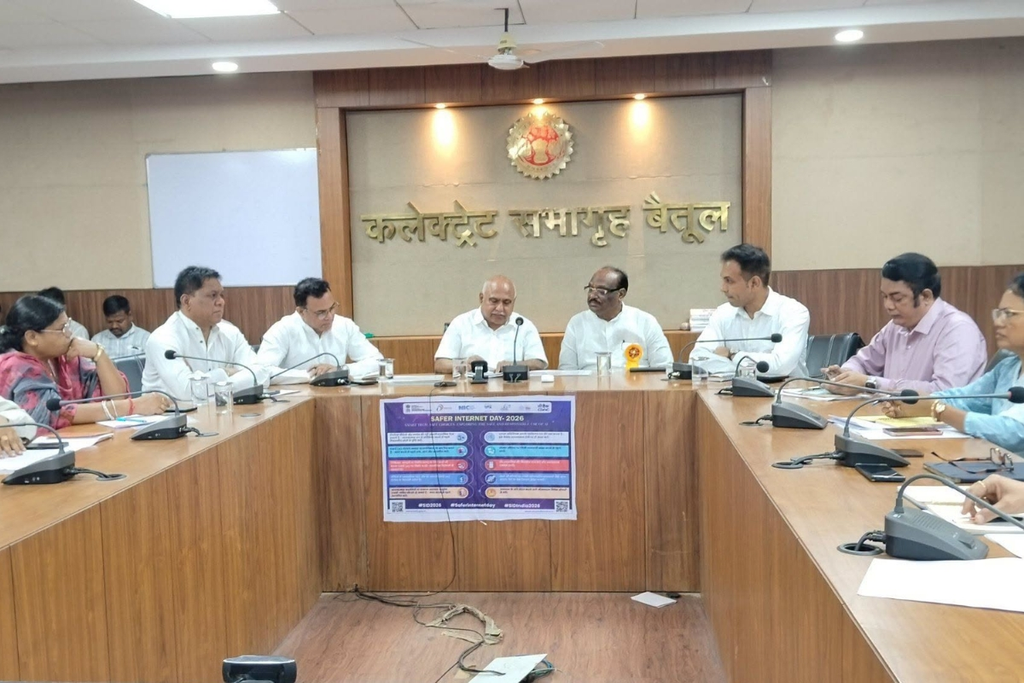
Betul received 718 mm of rainfall through September this year, against its annual average of 1,034 mm, a deficit of 31%, data from the India Meteorological Department (IMD) showed. Elected representatives and officials also discussed the water crisis at a meeting at the collector’s office on October 7.
Vipin Vamankar, superintending engineer of the Water Resources Department, said Betul has around 200 reservoirs, of which 127 are empty. Together, the reservoirs have a storage capacity of about 472 million cubic metres (MCM), but currently hold only around 242 MCM of water. The district, therefore, has barely half its reservoir capacity available to meet drinking water and irrigation needs this year.
The Madhya Pradesh government has not officially declared any district drought-affected so far. However, the India Drought Monitor classifies the entire Betul district as drought-affected. The southern parts of Bhainsdehi and Athner tehsils face extreme drought conditions, while Multai, Ghoradongri and Amla fall under the abnormal drought category. The remaining six tehsils face moderate drought conditions.
The India Drought Monitor, developed by the Water and Climate Lab at IIT Gandhinagar, uses meteorological and hydrological data from the IMD and Central Water Commission, satellite products from ISRO/NRSC, and global datasets from NASA.
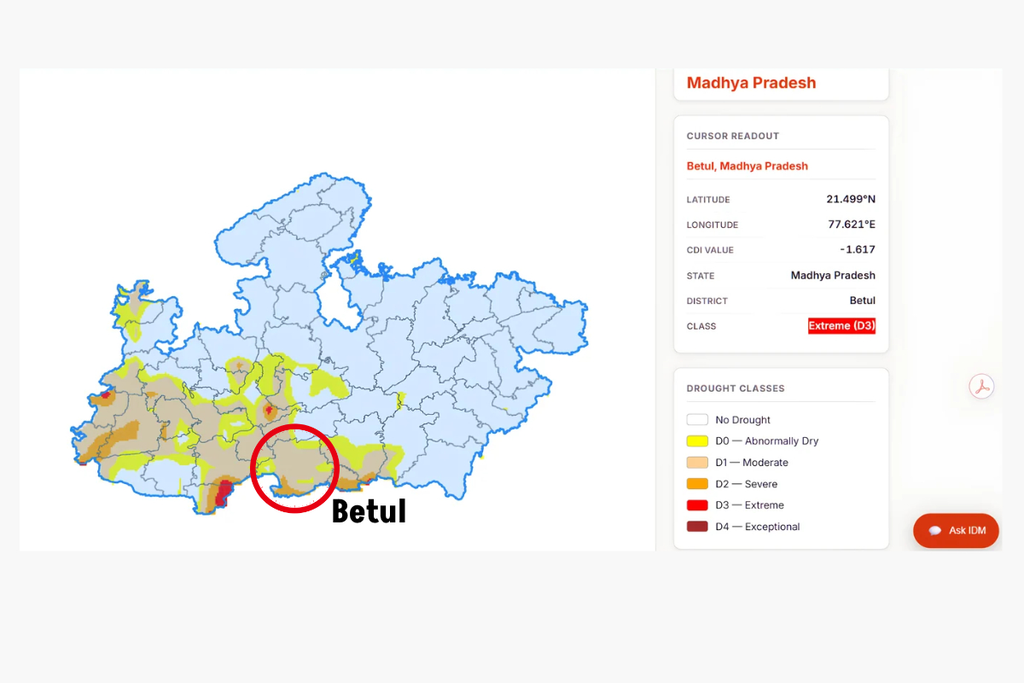
The monitor defines drought as more than a decline in rainfall. It develops when prolonged water shortages begin affecting soil, rivers, reservoirs, vegetation, agriculture, and water supplies. Drought is a recurring natural disaster that develops gradually and can have long-term consequences for society, the economy, and the environment. Reduced rainfall and water availability can lower agricultural production, threaten food security and affect rural livelihoods.
When Ground Report visited Dhaul and Kalyanpur villages in Betul tehsil, the crisis affecting agriculture, drinking water, fodder and livelihoods was clearly visible.
Fields Remain Unsown Despite Being Next to a Reservoir
Rupalal owns six buffaloes. He sells milk and also cultivates six acres of land. Pointing towards his fields, which lie right next to the reservoir embankment, he said they remain unsown.
“We learnt around Diwali that water would not be released into the canals this year. We have no other source of irrigation. So we have decided to leave the fields fallow this year,” he said. “We will not be able to grow wheat. What else can we do?”
At a meeting at the collector’s office, officials reviewed reservoir water availability and decided to reserve water from reservoirs with less than 50% storage for drinking and domestic use. Reservoirs with 50–80% storage would release water for irrigation only once, while those with more than 90% storage could release it twice. 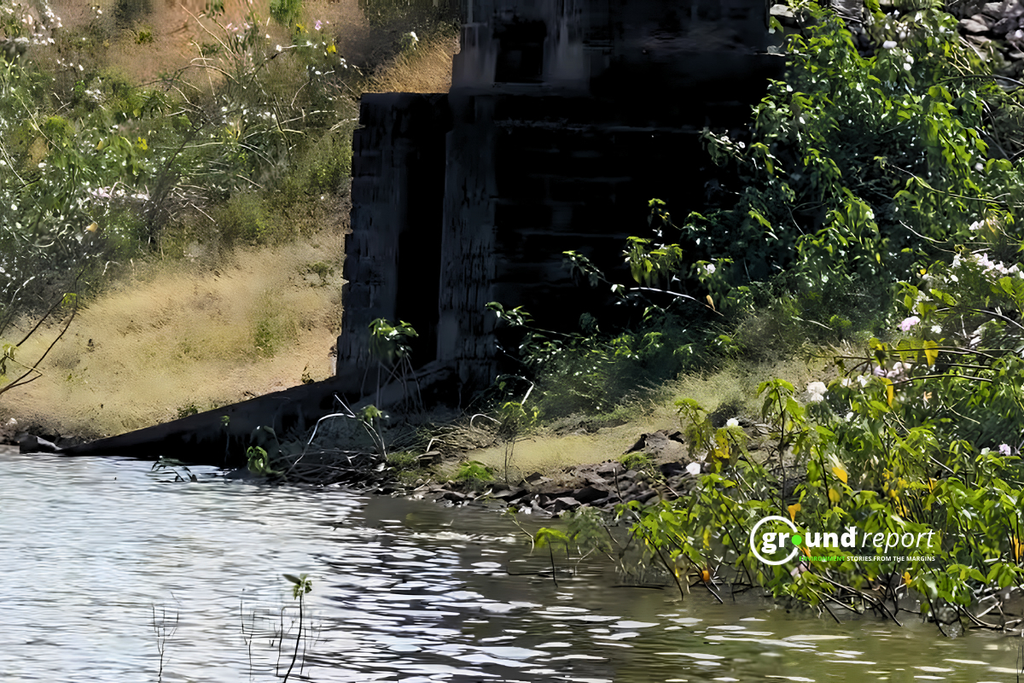
After December, officials would prioritise drinking-water needs when allocating reservoir water.
The Urdan reservoir, which serves farmers in five villages, holds less than 50% of its storage capacity. Farmers with wells or borewells are cultivating their fields, while others have left theirs dry.
Betul deputy director of agriculture Ram Gopal Rajak expects wheat cultivation in the district to decline by around 80,000 hectares this rabi season.
The Union Agriculture Ministry’s rabi sowing data, released on November 17, also reflects this trend. Farmers had sown wheat on 50.07 lakh hectares across India by November 17, compared with 59.10 lakh hectares during the same period last year—a decline of 15.27%. A monsoon rainfall deficit of up to 13% between June and September has left less moisture in the soil ahead of sowing. Farmers in many areas also face irrigation water shortages.
The department has repeatedly advised farmers to grow less water-intensive crops such as gram, lentils, mustard and other pulses. But farmers in Dhaul village say they lack even enough water to sow gram or mustard.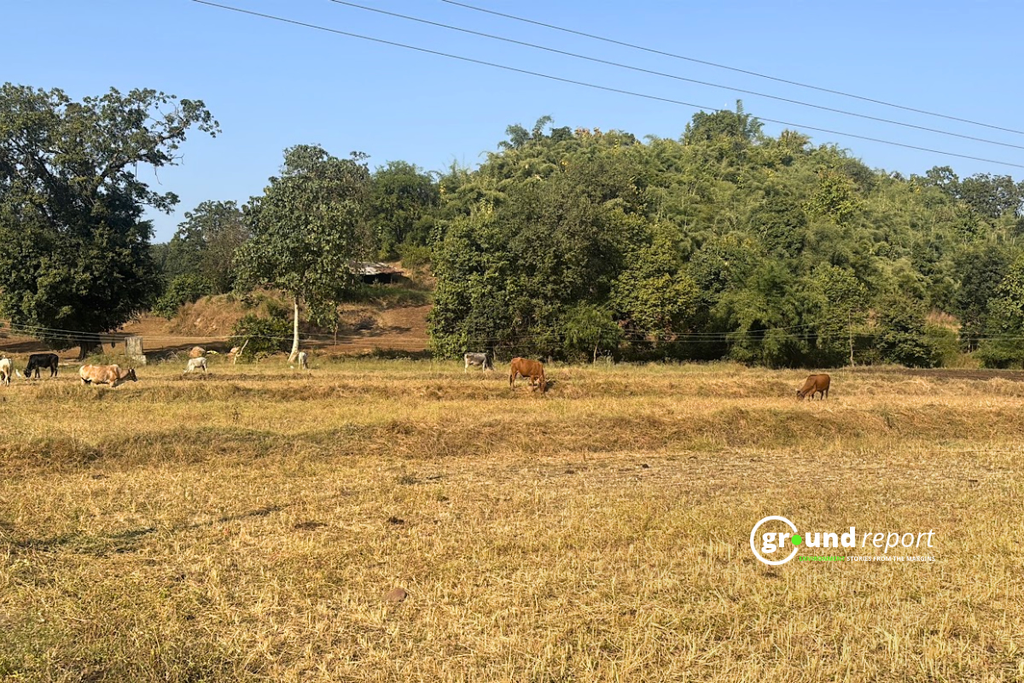
Ministry data also show a decline in pulse sowing across the country during the 2026–27 crop year. As of November 13, farmers had sown pulses across 47 lakh hectares, down 14.34% from 54.87 lakh hectares during the same period last year. Gram sowing had also declined, covering 31.13 lakh hectares compared with 39.70 lakh hectares a year earlier.
The national figures reflect the challenges farmers in Betul face, where water shortages have affected sowing even of less water-intensive crops.
Other Livelihood Options Are Also Under Pressure
Not sowing wheat this rabi season will also affect Rupalal’s other source of livelihood—livestock rearing. Wheat straw provides fodder for his buffaloes across the year. Without a wheat harvest, he will have to buy fodder from the market.
“We had cultivated maize during the kharif season, but that crop also failed. We suffered a loss of around ₹50,000. This year, we will have to buy fodder from the market. A basket of straw costs ₹50–60. We will need at least 300 baskets,” he said.
Rupalal’s son also worked as a construction labourer in the city. But authorities have restricted construction work on both government and private projects in Betul because of the water shortage, leaving his son uncertain about his livelihood.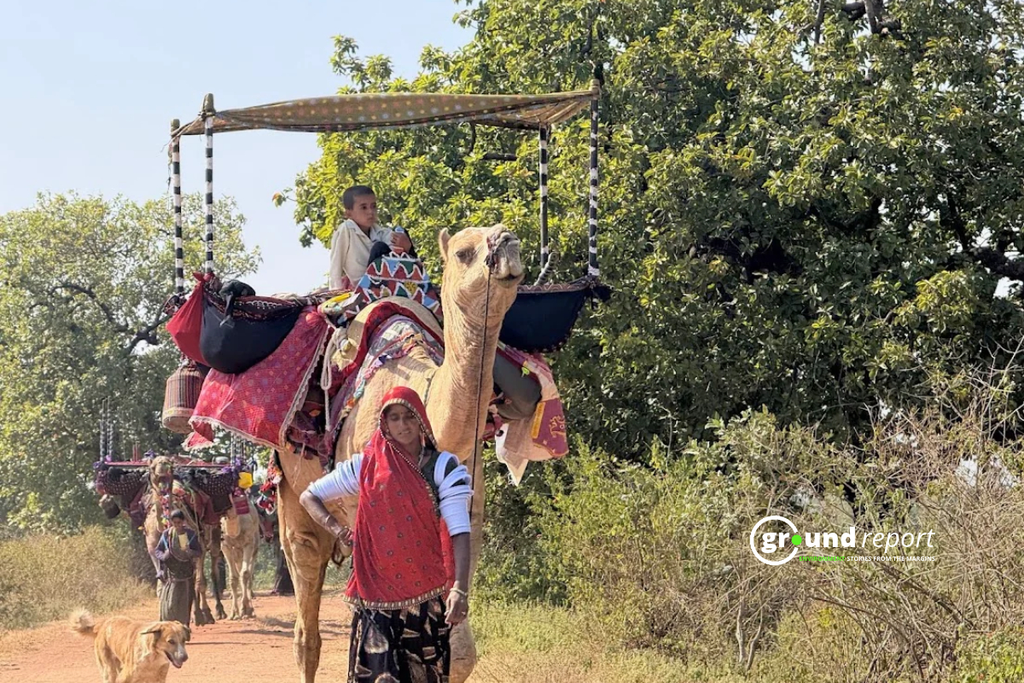
“If there is no water, why would anyone build a house?” Rupalal said.
Cracks run through the soil of the dried-up fields. Yet Rupalal seems unperturbed. He supports the government’s decision to withhold canal water, fearing that releasing it would leave too little water for his livestock.
“If there is no rain, what can the government do? If water is released into the canals, there will be none left for our cattle to drink. Shepherds and herders from here and from other places, including those who come with sheep and camels, also depend on this reservoir,” he said.
Rupalal said he would report anyone stealing water from the reservoir to the local police outpost. He would rather work as a labourer than see the reservoir run dry.
Daily wage labour offers Rupalal another way to support his family. He said the village sarpanch distributes available work among residents on a rotational basis. With little work in the village, Rupalal must wait for his turn. “The sarpanch wants everyone to get a little work, so he gives it to people one by one,” he said.
Ground Report is reporting on the impact of drought on the rural economy, society, agriculture, and environment from various districts of Madhya Pradesh. This is the third story in a series. You can read other reports here.
Other Stories in the Drought 2026 Series
El Nino: Jhabua cattle farmers face imminent fodder shortage
Farmers protest demanding that Pandhurna district be declared drought-free.
Support Us To Sustain Independent Environmental Journalism In India.
More Ground Reports
Madhya Pradesh’s e-Vikas 2.0 Fertiliser System: Why Are Farmers Still Queuing?
Smart Meter Consumers May Save on Electricity Bills With Time-of-Day Tariffs