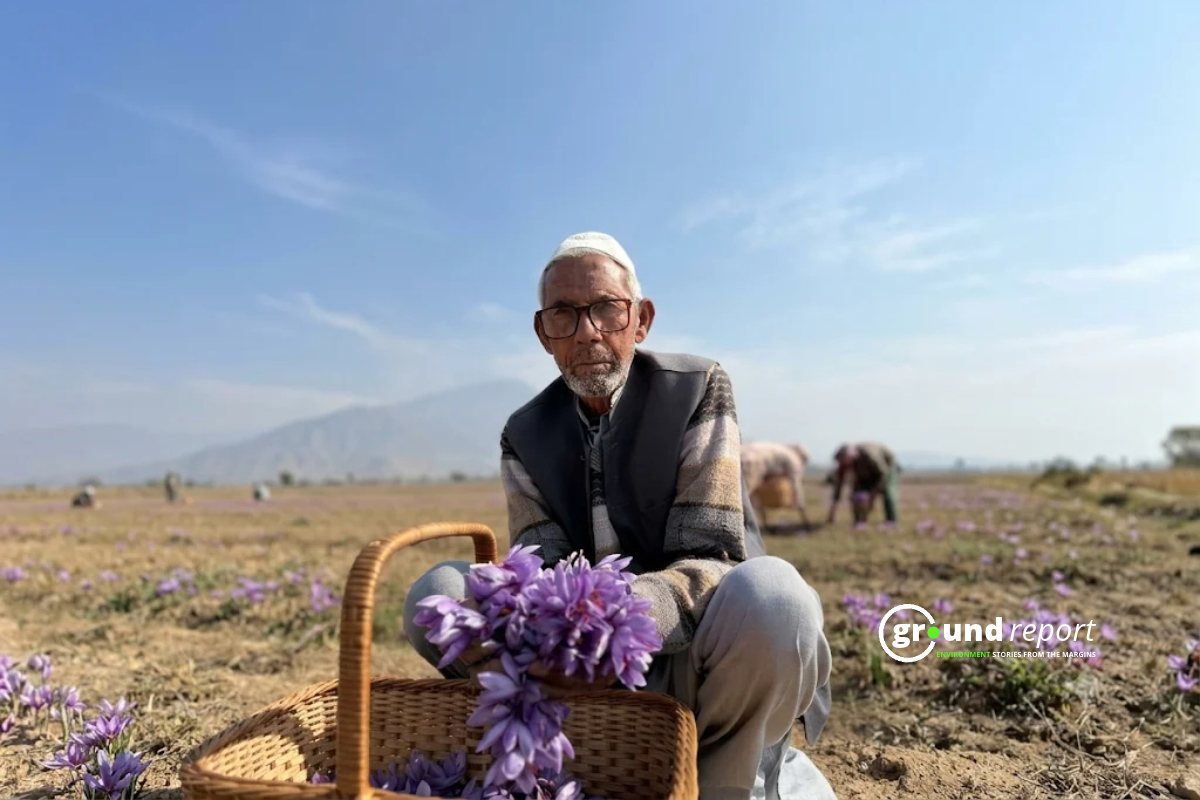

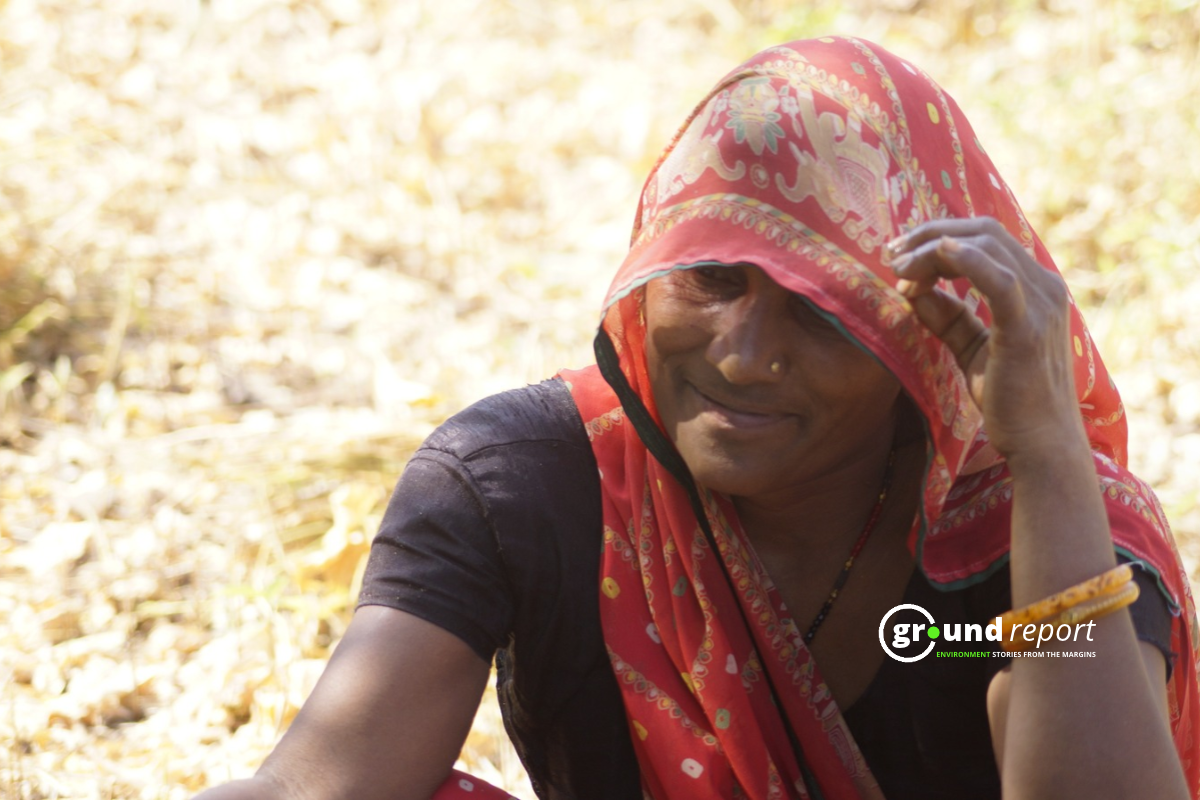
A paper published in August found that as rural India warms, fewer women are migrating for marriage, particularly in districts where dowry is common. The government’s Periodic Labour Force Survey found that marriage was the reason behind migration for 86.8% of female migrants in 2020–21.
They analysed Census migration data from 1991, 2001 and 2011 across 447 districts, comparing it with temperature and rainfall data from ERA5, a climate reanalysis dataset produced by the European Centre for Medium-Range Weather Forecasts.
The paper, titled “Scorching Heat and Shrinking Horizons: The Impact of Rising Temperatures on Marriages and Migration in Rural India” by Manisha Mukherjee, Bruno Martorano and Melissa Siegel, published in The World Bank Economic Review (2026), found that rising temperatures may be making it harder for rural women to marry and migrate, because climate-related income losses make it harder for their families to afford dowries.
To illustrate the effect, the authors consider a representative district where temperatures rise by 0.48°C. In such a district, rural-to-urban migration among women would fall from 2.3% to 1.6% of the female population — a decline of about 29%, they estimate.
Rural-to-urban migration declined more sharply than rural-to-rural migration, particularly in districts where dowry is prevalent.
What Study Found
Marriage is the main reason women migrate in India, and many move to their husband’s village after marriage. The authors note that most marriage migration occurs over relatively short distances, with nearly 80% of marriages taking place within the same district. They therefore focus on within-district migration.
In a district where temperatures rose by 0.48°C, migration between villages declined. The share of women making such moves fell from 24.3% to 22.1%. Among village women aged 15 to 29, the share who were married fell by 5%. In towns, there was no such change.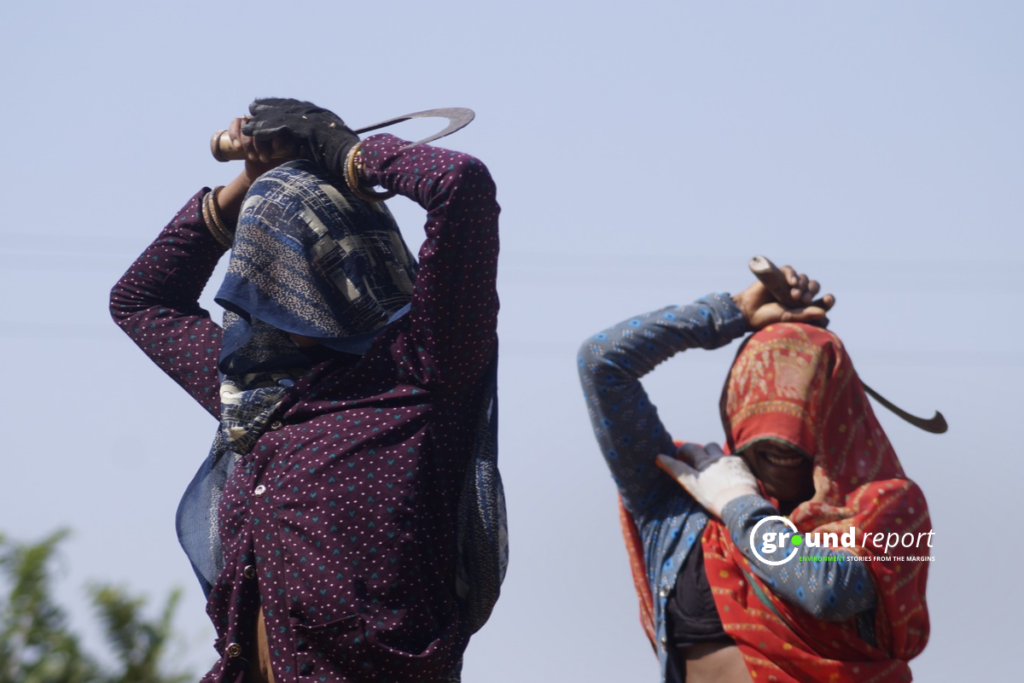
To identify districts where dowry was prevalent, the authors used dowry-death rates recorded by the National Crime Records Bureau (NCRB) between 2001 and 2010. Districts with rates above the national median were classified as having high dowry prevalence. As a robustness check, they also classified districts across major northern states as high-dowry districts and found similar results.
Mukherjee said they tested whether the decline was simply a result of households losing income as temperatures rose. The effects were concentrated in districts where dowry was more prevalent. In other districts, the relationship was weaker or not statistically significant.
In an email response to Ground Report, Mukherjee said the fall was much bigger where dowry is common. In other districts, it was mostly missing. So, dowry-related financial pressures partly explained the decline.
Women were more likely than men to migrate between villages in the study sample, with rural-to-rural migration rates of 22% among women and 4.6% among men. Much of women’s migration was linked to marriage, while men’s migration was primarily associated with work. But men’s migration did not correlate with temperatures.
The authors suggest two responses. Some families may abandon plans to marry their daughters to urban grooms and instead arrange marriages with rural men, who may require lower dowries. Others may delay marriages while trying to save enough money. The data cannot establish how many families follow each path.
Dowry and Marriage Choices
Some families prefer a groom from a town who is seen as offering better opportunities for their daughter. But such grooms often demand higher dowries. Families unable to afford them may instead arrange marriages with rural grooms.
The paper said dowry can reach six times a household’s annual wealth. And, rising temperatures can make that harder. The authors estimate that a 1°C rise in temperature is associated with about 9% lower agricultural yields and an 8% decline in rural household consumption.
About 70% of rural Indians own little or no land, the authors note. Many families, therefore, have few ways to buffer their income when harvests suffer.
Dowries also got smaller. Marriages between 1981 and 1998 show this. In districts where dowry is common, families paid less after hotter decades. Mukherjee said this fits with families having less money to pay.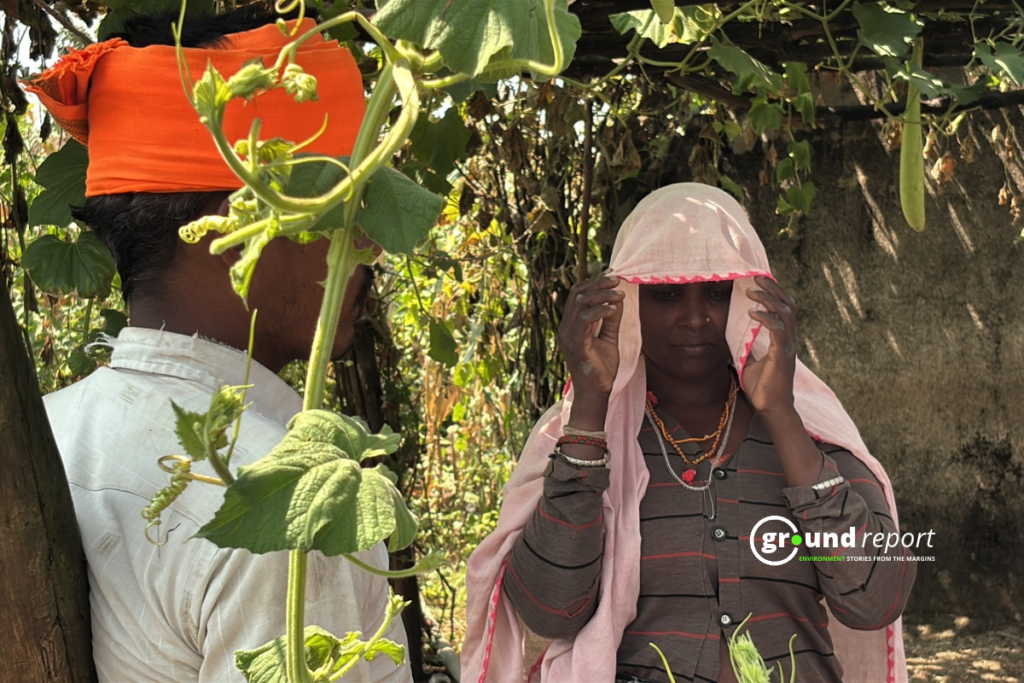
When the bride’s family has to pay a lot, she said, families may put off the wedding. Or they may look for a groom closer to home. Reetika Revathy Subramanian, who is a senior research associate at the School of Global Development, University of East Anglia, created the Climate Brides Project, a project to put forth the intersection between climate change, ecological vulnerability, and the rise of child marriage in South Asia.
Climate pressure shapes marriage decisions in other ways too. Subramanian’s own work in Maharashtra’s Marathwada found that young couples are recruited in pairs to harvest sugarcane in the wetter districts to the west, in an arrangement called a “koyta”, the Marathi word for “sickle”.
In some situations, Subramanian found, the weddings are arranged by the hour, and within a few days of the wedding, the couple is in the sugarcane fields. She called it the gate-cane wedding.
Ground Report had previously reported from Rajgarh, Madhya Pradesh, about how climate factors contribute to the decision to marry early.
Many activists and researchers have highlighted the correlation between climate change and socioeconomic conditions, which trigger child or early marriage considerations. These pressures dismantle the safeguards that would otherwise protect girls from child marriage. They worsen poverty, disrupt education, increase food insecurity, and force migration.
Ritu Bharadwaj, director of climate resilience, finance and loss and damage at the International Institute for Environment and Development (IIED), said her team sees the same pattern in its fieldwork. Heat and uneven rain cut harvests and farm work, she said. In its fieldwork, marriage costs kept coming up as one reason families were in debt.
What It Means for Women
Earlier research cited in the paper links town life in India to more freedom of movement for women. It also links it to higher literacy and better jobs for poor women. Marriage into towns is still an important way for many village women to reach a better life, Mukherjee said, but “that pathway is narrowing.” Families with more money can adjust and keep their choices, she added. Poorer families have fewer.
Waiting has a cost, Bharadwaj said. A daughter whose family cannot raise the dowry often waits at home. She does more housework and fetches water. A later wedding helps only if the extra years bring schooling, skills or paid work, she said. In the households her team studies, women have very little of any of these.
Way Forward
Mukherjee said help for farmers alone will not be enough. She wants policies that help women travel, work outside farming and earn their own money. That could also make families less dependent on dowries for weddings, she said.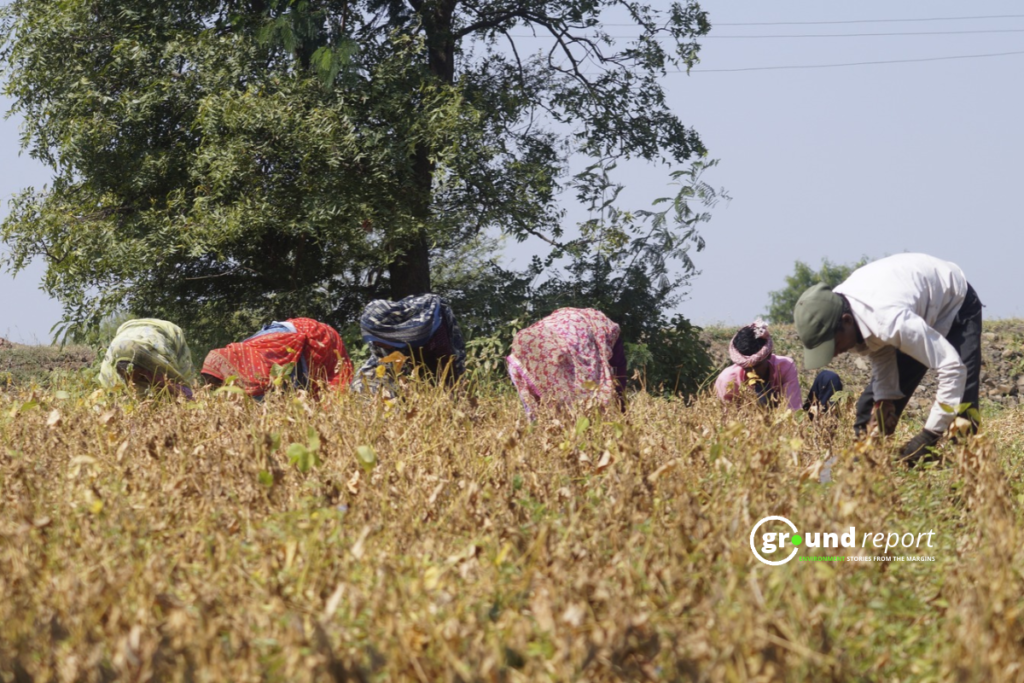
Easier access to loans and better roads could soften the effect, she said. But no one yet knows whether they can offset the heat. Women should be able to find work and move freely, Subramanian said, without marriage being their main route.
Subramanian noted a lack of data on marriages between districts. So the study cannot say whether women are marrying farther from home. The study’s data stop at the 2011 Census. The world has kept warming since then. The statistics ministry has proposed a new migration survey from July 2026 to June 2027. It could show whether the pattern has held.
Support Us To Sustain Independent Environmental Journalism In India.
More Ground Reports
Madhya Pradesh’s e-Vikas 2.0 Fertiliser System: Why Are Farmers Still Queuing?
Smart Meter Consumers May Save on Electricity Bills With Time-of-Day Tariffs