

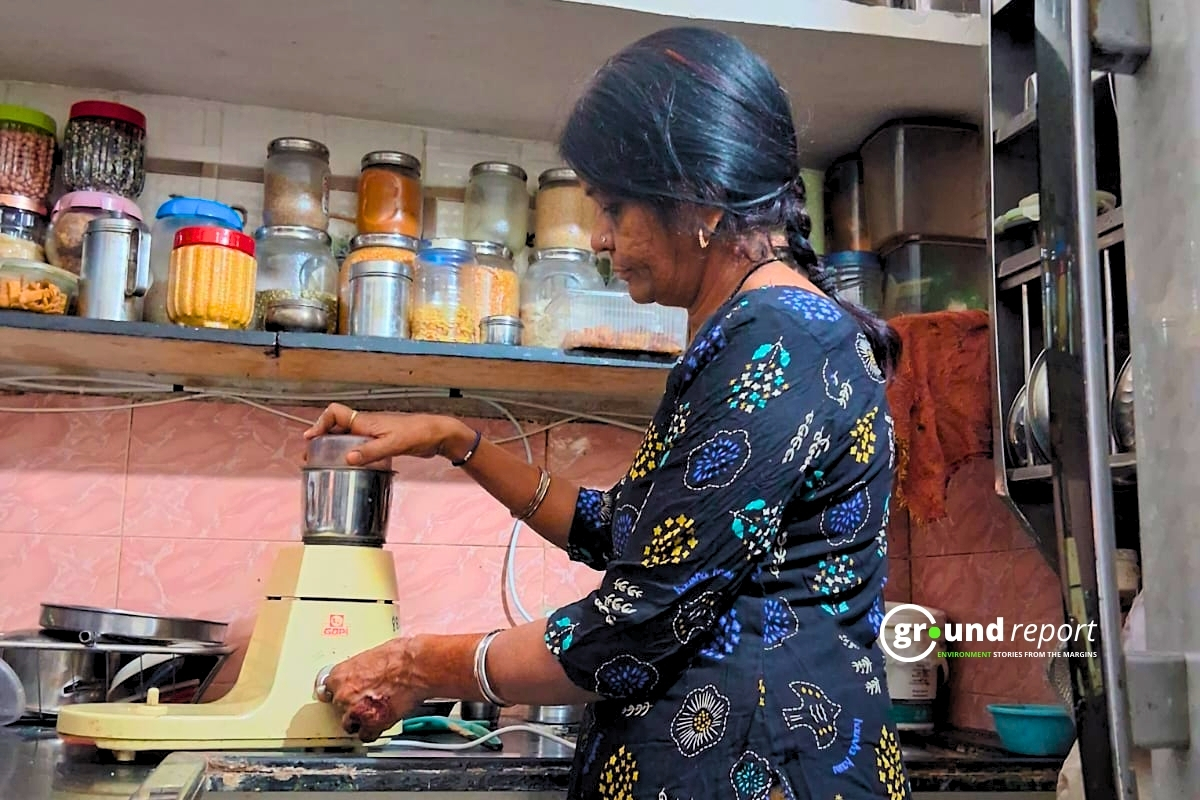
Usha Jain, a homemaker, lives in Bhopal’s Shankaracharya Nagar; her day starts at 6 am when she switches on her household borewell pump to fill the water tank. By 9 am, she usually finishes essential household chores, including the washing machine every third day.
However, she has shifted several household chores to daytime hours to reduce her electricity bill. Her savings reflect a wider trend: according to Madhya Pradesh Madhya Kshetra Vidyut Vitaran Company Limited (MPMKVVCL), more than 1.01 million smart meter consumers received a combined ₹10 crore in discounts under the Time-of-Day (ToD) tariff in September.
Under the Electricity (Rights of Consumers) Amendment Rules, 2023, the Union Ministry of Power introduced Time-of-Day tariffs for domestic consumers across India from April 1, 2025.
Under the ToD tariff, smart meter consumers with a sanctioned load of up to 10 kilowatts receive up to a 20% discount on per-unit electricity charges for consumption between 9 am and 5 pm, known as solar hours. Normal rates apply during the remaining hours.
The policy aims to shift electricity consumption from the night to daytime solar hours, when solar power generation is available. By offering lower tariffs during these hours, utilities encourage consumers to carry out electricity-intensive household activities during the day.
Ground Report spoke to smart meter consumers to assess their awareness of the ToD tariff and whether they were adjusting their electricity use to benefit from it. Many were unfamiliar with terms such as “solar hours” and “peak hours.”
Saving on Electricity Bills With Time-of-Day Tariffs
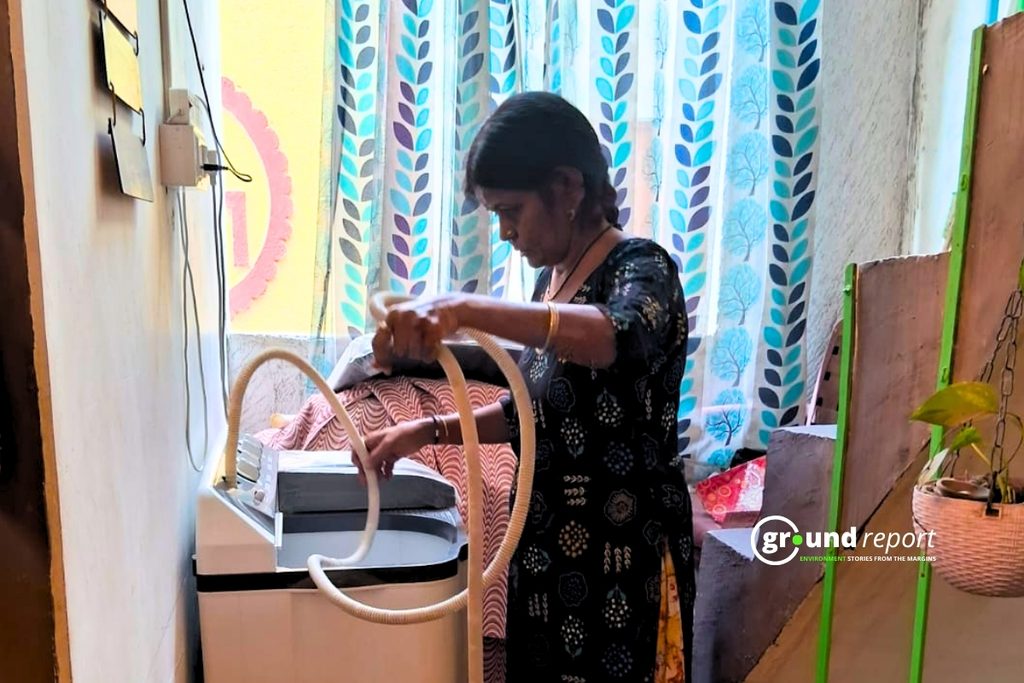
When a smart meter was installed at Jain’s home in September 2025, she worried that her electricity bill might increase. Media reports on protests against smart meters in Bhopal and elsewhere in the country reinforced her concerns.
However, the person who came to take the meter reading told Usha that she could lower her electricity bill by shifting energy-intensive household activities to solar hours, between 9 am and 5 pm. Following this advice, she changed the timing of several activities, including ironing clothes, running the washing machine, pumping water, and using a mixer and flour mill.
Before making these changes, her average monthly electricity bill ranged from ₹1,700 to ₹1,800. It has now fallen to ₹1,400–₹1,500, saving her around ₹200–₹300 a month.
As per Madhya Pradesh Electricity Regulatory Commission’s (MPERC) retail supply tariff order for 2026–27, domestic consumers using 151–300 units of electricity per month pay ₹7.40 per unit.
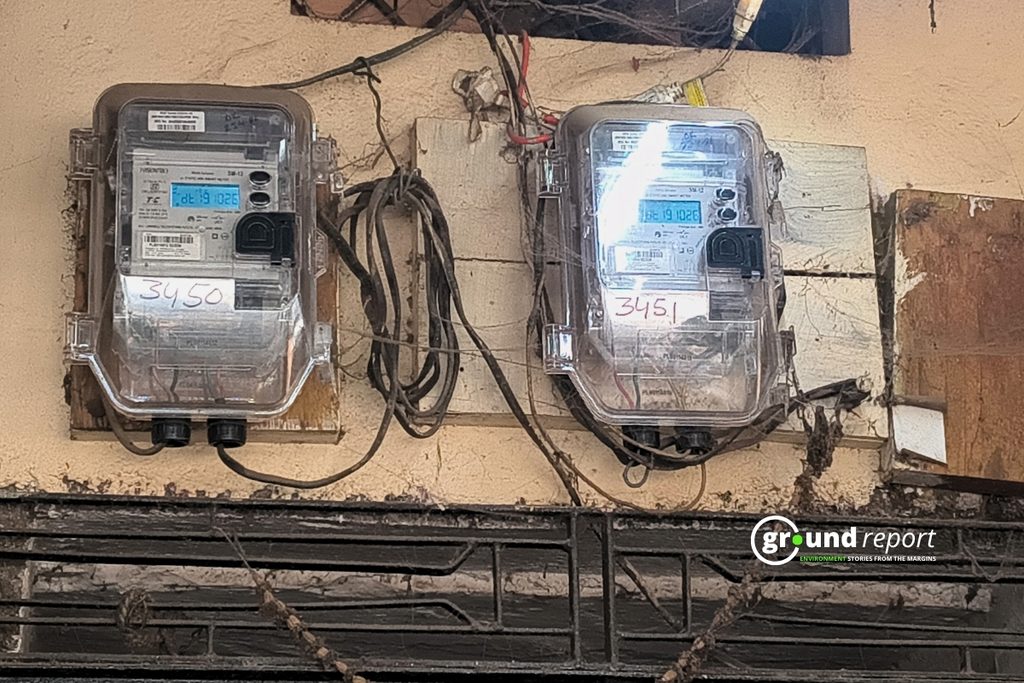
For example, Jain’s monthly electricity consumption typically ranges between 200 and 250 units. If she consumes 200 units in a month, with 100 units used during solar hours, the calculation would be as follows:
With a 20% discount, the rate for electricity consumed during solar hours falls to ₹5.92 per unit. She would pay ₹592 for those 100 units and ₹740 for the remaining 100 units at the normal rate of ₹7.40 per unit.
Her total electricity charge would therefore be ₹1,332, excluding other charges. Without the ToD tariff, the charge for 200 units would be ₹1,480.
Rishi Garg, managing director of the Madhya Pradesh electricity distribution company, said smart meters help consumers monitor their electricity consumption and save money. As per the Union Ministry of Power, smart meter installation has made it possible to calculate electricity bills at different rates depending on the time of consumption.
Lack of Awareness in Rajgarh
On October 12, more than 10.11 lakh smart meters had been installed across 16 districts in the Bhopal and Gwalior regions. In September, more than 8,00,000 consumers in the Bhopal region received discounts worth approximately ₹7 crore. Around 200,000 consumers in the Gwalior region received discounts worth approximately ₹2.5 crore. In Rajgarh district, 25,201 consumers received ToD discounts totalling ₹21.36 lakh.
Devendra Mehra, general manager of the Rajgarh electricity department, said the discount was reflected directly in consumers’ electricity bills.
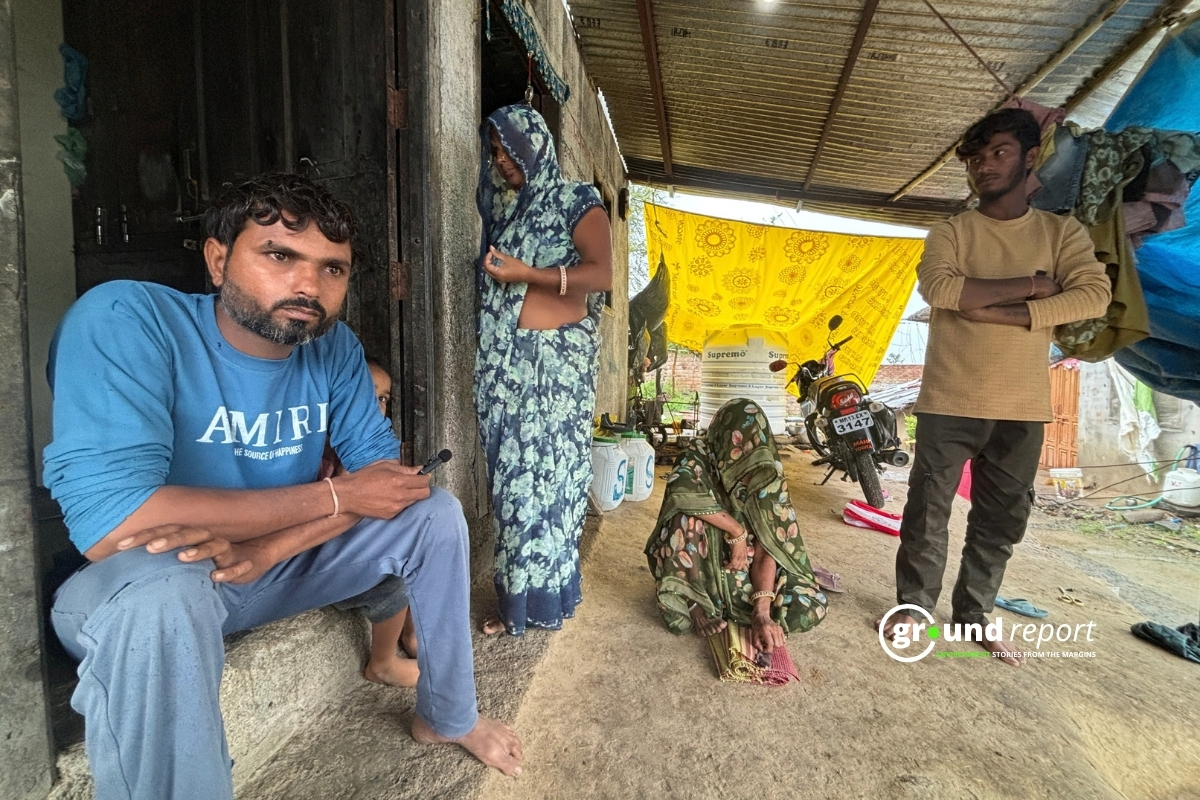
But there is another side. Take, for instance: Virendra Singh Umath, a Rajgarh resident with smart meters installed at both his home and business premises, said he had heard about the 20% discount but did not know when it applied. “I have heard about the 20% discount, but I don’t know the timings. I have never really paid attention to it,” he said.
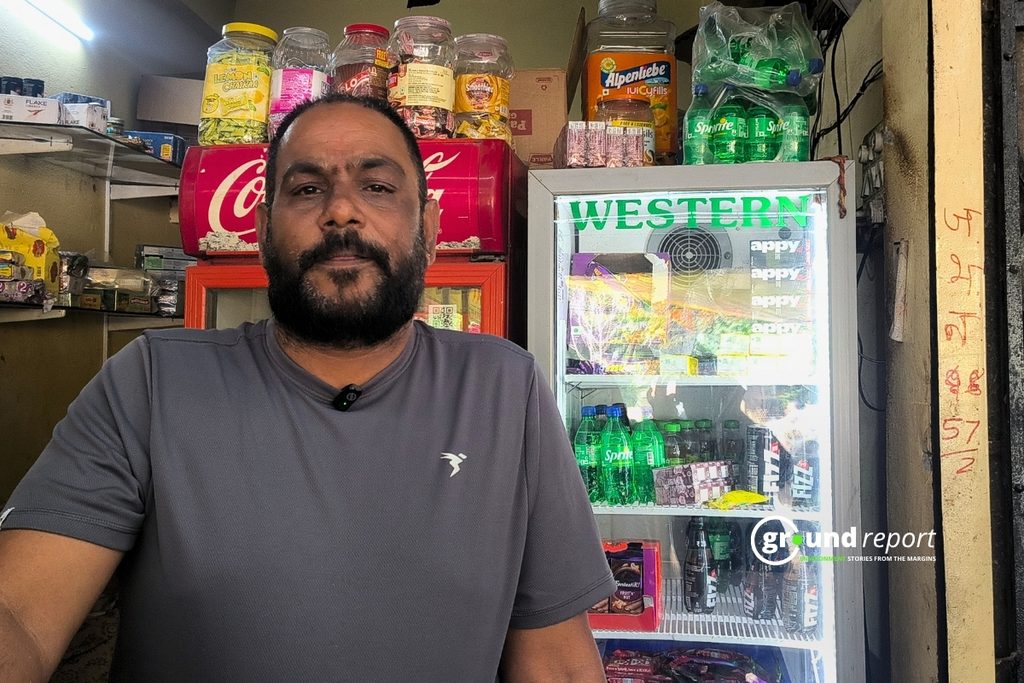
Another consumer, Abdul Samad, was also unaware of the hours during which the discount was available. “My bill is the same as before,” he said.
Despite the discounts reaching consumers, limited awareness of the ToD tariff means some households may not be making full use of the savings available to them.
Electricity Shortages During Peak Hours
As per the MPERC’s tariff order for 2026–27, peak hours are periods when electricity demand is highest. In Madhya Pradesh, these are defined as 6 am to 9 am and 5 pm to 10 pm. The period between 9 am and 5 pm is designated as solar hours, or off-peak hours.
The 20% discount on energy charges for eligible commercial and domestic smart meter consumers is intended to shift electricity consumption from peak hours to off-peak hours, when solar power is available.
However, the state’s ongoing power shortages indicate that electricity demand remains high during peak periods.
Dainik Bhaskar reported the state’s maximum electricity demand ranged from 11,874 megawatts (MW) to 11,906 MW on October 13 and 14, 2025. On the same dates in 2026, it rose to between 16,918 MW and 17,124 MW—an increase of approx. 5,000 MW.
Below-normal rainfall lowered reservoir levels, reducing hydropower generation at Gandhi Sagar, Omkareshwar, Indira Sagar, Rajghat and Sardar Sarovar dams. This led to a power shortfall of around 1,500 MW.
Thermal power generation was also affected. Coal shortages and technical problems, including boiler leaks, led to generating units shutting down or tripping, affecting approximately 1,000 MW of generation capacity.
Energy Minister Pradyumn Singh Tomar told Dainik Bhaskar that the government was taking several steps to improve availability. These included procuring an additional 500 MW of electricity from Uttar Pradesh during peak-demand hours.
By shifting energy-intensive chores to solar hours, Jain has lowered her electricity bill while helping ease demand during peak hours. Greater awareness of the ToD tariff could encourage more households to make similar changes, helping them save money and the state manage its electricity demand.
Support Us To Sustain Independent Environmental Journalism In India.
More Ground Reports
How One Word in Svamitva Scheme Triggered a Patwari Protest in Madhya Pradesh
Tribal Homes Bulldozed in Madhya Pradesh’s Kosmi Amid Dispute Over Forest Rights
Stay Connected With Ground Report For Underreported
Authors
Support Ground Report to keep independent environmental journalism alive in India
We believe climate change should be the basis of current discourse, and our stories attempt to reflect the same.
Connect With Us
Send your feedback at greport2018@gmail.com
Newsletter
Subscribe our weekly free newsletter on Substack to get tailored content directly to your inbox.
When you pay, you ensure that we are able to produce on-ground underreported environmental stories and keep them free-to-read for those who can’t pay. In exchange, you get exclusive benefits.
Your support amplifies voices too often overlooked, thank you for being part of the movement.