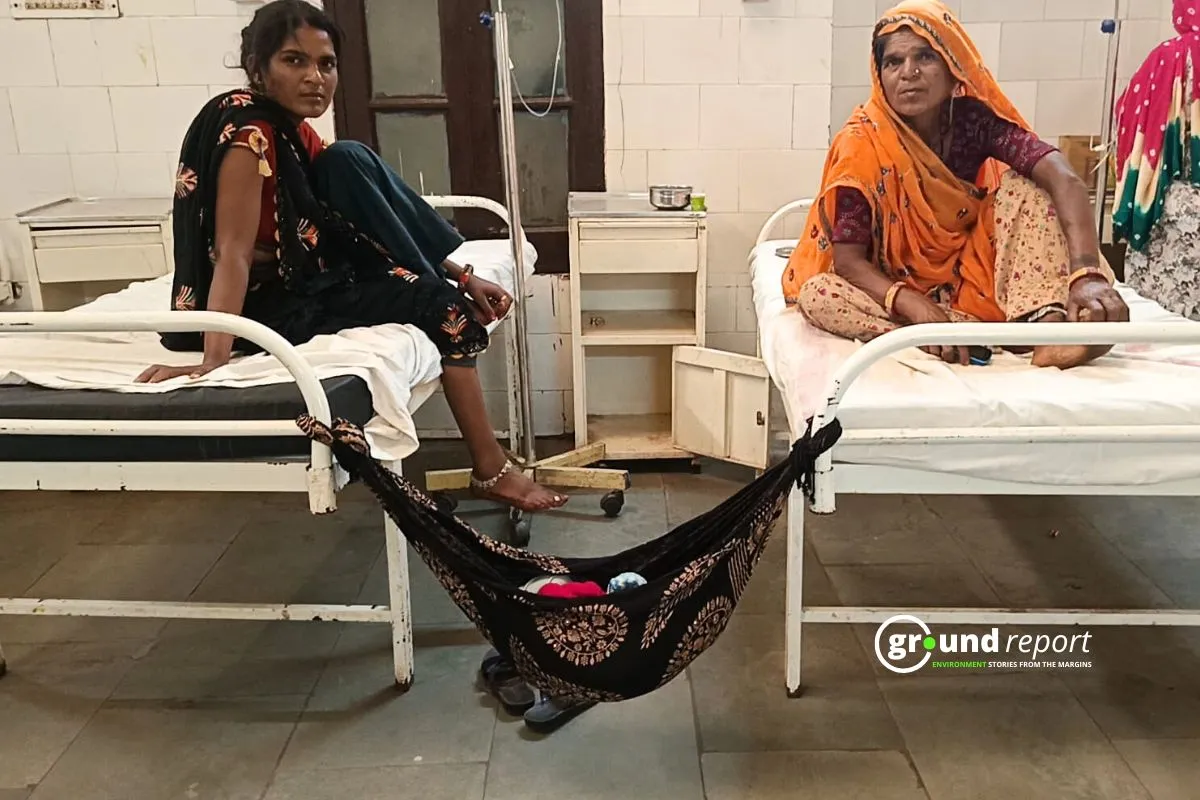
The Madhya Pradesh government approved a pilot project to outsource the operation of 18 Community Health Centers (CHCs) in Rewa, Guna, and Dewas districts.
The cabinet, headed by Chief Minister Mohan Yadav, took this decision after officials presented data on the severe shortage of doctors in the government health system.
Under the new arrangement, the government will continue to supply medicines and infrastructure, according to a report in The Indian Express. The private entity, trust, or organization given charge of a center will appoint specialist doctors and handle day-to-day operations. The pilot project will run for five years. The government will then review its results.
People in the districts covered by the pilot project pointed to gaps in the existing medical infrastructure when asked about it. They believed the government’s decision would raise their out-of-pocket costs but also improve facilities.
Ground reality in Govindgarh
Manish Mishra, 28, of Rewa district, came to Govindgarh Community Health Center for the fifth time this year. Asked about his problem, he said only, “I have a skin issue.” Mishra traveled roughly 30 to 35 kilometers from his village.
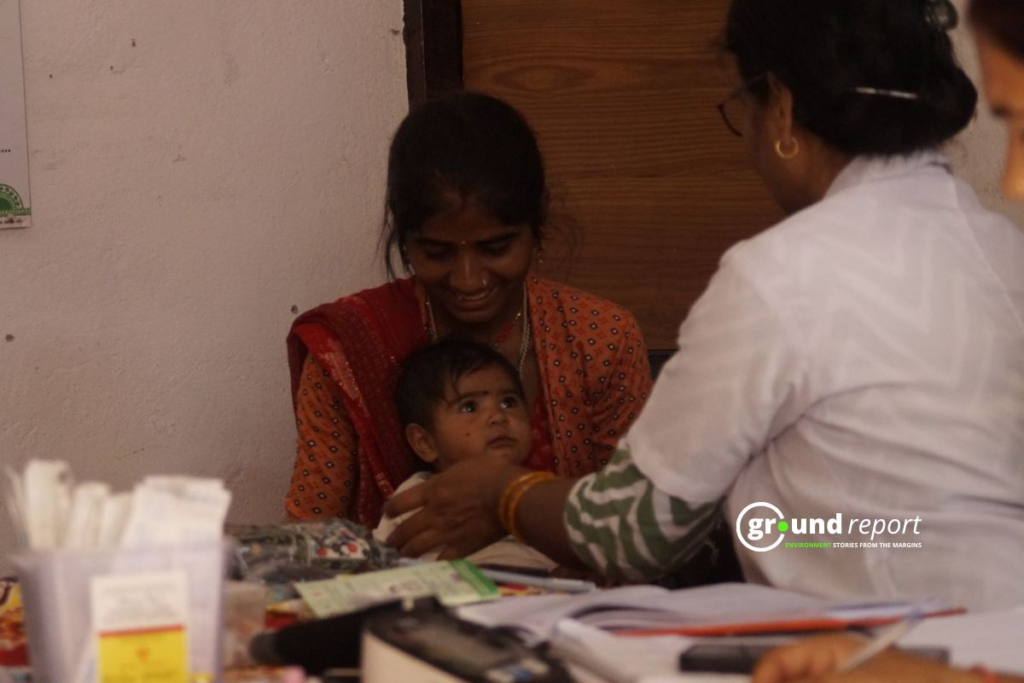
He paid 30 rupees for a one-way fare and spent 40 to 45 minutes reaching the center. Mishra said his problem worsened every summer. After seeing the doctor, he received some medicines at the center and had to buy others outside. The entire visit, from arrival to the end of treatment, took him about an hour and a half.
He complained that the center lacked proper toilets and drinking water. He saw no woman doctor or female staff member during his visits. He said that during five visits to the center this year, he found no doctor present on two occasions and had to return without treatment. He did not know whether the doctor at his CHC was a dermatologist or a general surgeon.
Five of the 18 centers chosen for the pilot project have no specialist doctor at all.
95% of specialist posts are vacant
According to the “Health Dynamics of India (Infrastructure and Human Resources) 2023-24” report published by the Statistics Division of the Ministry of Health and Family Welfare, Madhya Pradesh had 327 functioning Community Health Centers in rural areas as of March 31, 2024.
The state filled only 1,495 of 5,443 sanctioned specialist doctor posts in 2025-26, according to a report in The Indian Express. That left 3,948 posts vacant.
The Ministry of Health and Family Welfare’s report showed an even worse picture for specialists at CHCs. Rural CHCs had 1,308 sanctioned specialist posts in 2024, but only 71 were filled. That left 1,237 posts vacant, a vacancy rate of nearly 95 percent. The state had only 6 surgeons, 41 gynecologists and obstetricians, 9 physicians, 15 pediatricians, and 9 anesthetists in service.
Over 700 medical officer posts are vacant
Based on population norms, Madhya Pradesh’s primary health centers needed 1,442 medical officers in 2024, according to the Health Dynamics of India report. The state had sanctioned 2,282 posts, but only 1,547 were filled, leaving 735 vacant.
The Madhya Pradesh Health Department, in a statement on the cabinet’s decision, said the move aimed to expand people’s access to health services. The department said the decision would give people access to better health facilities and spare them trips to bigger hospitals for minor illnesses.
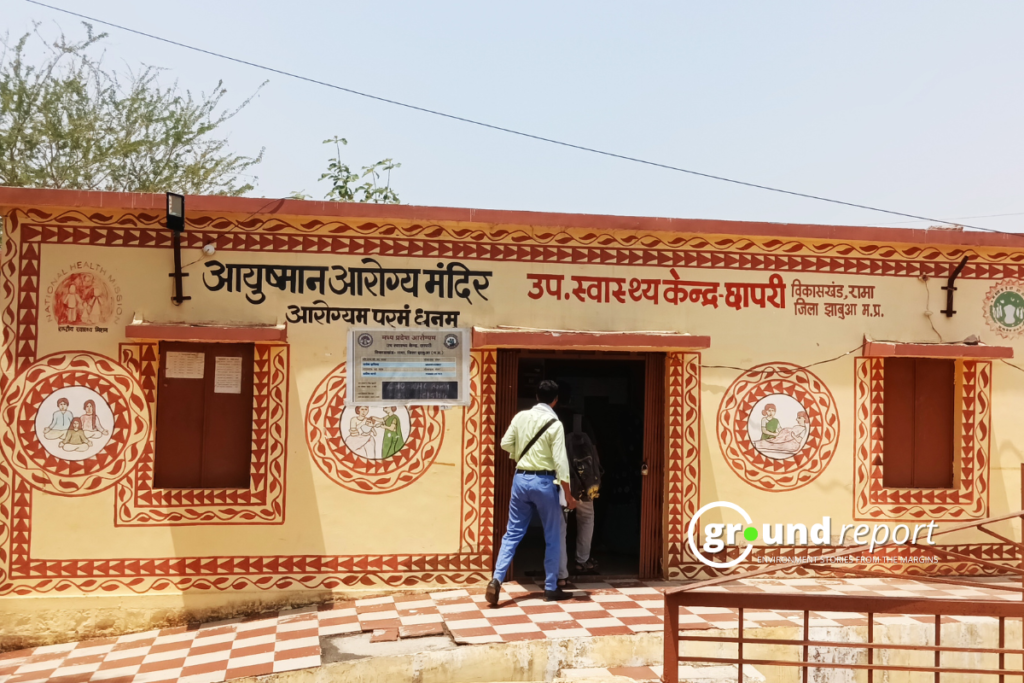
But based on population norms, the state needed 517 CHCs in 2024. Only 327 centers existed, a shortfall of 190 centers, or 37 percent of the total requirement. The state had a shortfall of 628 centers at the PHC (Primary Health Centres) level, 30 percent of the requirement. Sub-health centers fell short by 2,166, or 17 percent of the requirement.
Gaps existed even at the earliest tier of health infrastructure. It remained to be seen how effective efforts limited to the CHC level alone would prove.
“A doctor should be available at all times”
Mishra did not know that some Community Health Centers in his district were outsourced. Asked how he would feel if a private entity ran the center, he said his trust in the system would likely grow.
He said, “I can say with full confidence that if this center is handed over to a private entity, the problems I faced will largely go away.”
He also said treatment might get more expensive. But he took some comfort in the prospect of better facilities.
Asked what kind of changes he wanted, Mishra pointed to two things. First, a doctor should be present at all times, and every patient should be seen within a fixed time. Second, patients needed a better waiting room, one that was not overcrowded. He believed the center should have a doctor available at night, too.
The data and Mishra’s experience painted the same picture.
Specialist doctor posts at Community Health Centers stood vacant on a large scale, and the state’s own data confirmed this. Patients who depended on these centers spoke of absent doctors, long waits, and a lack of basic facilities, matching the data.
The question now is whether handing over the operation of health centers to private entities will fix this shortage or simply change who controls health services. The five-year pilot project was launched to find an answer to that question.
The government said it would evaluate the scheme and outsource more Community Health Centers if the results proved good.
Support Us To Sustain Independent Environmental Journalism In India.
More Ground Reports
He Was Married as a Child, Now Manish Dangi Helps Stop It for Others
Despite The Ban, How Gutkha Became MP’s Most Common Household Habit