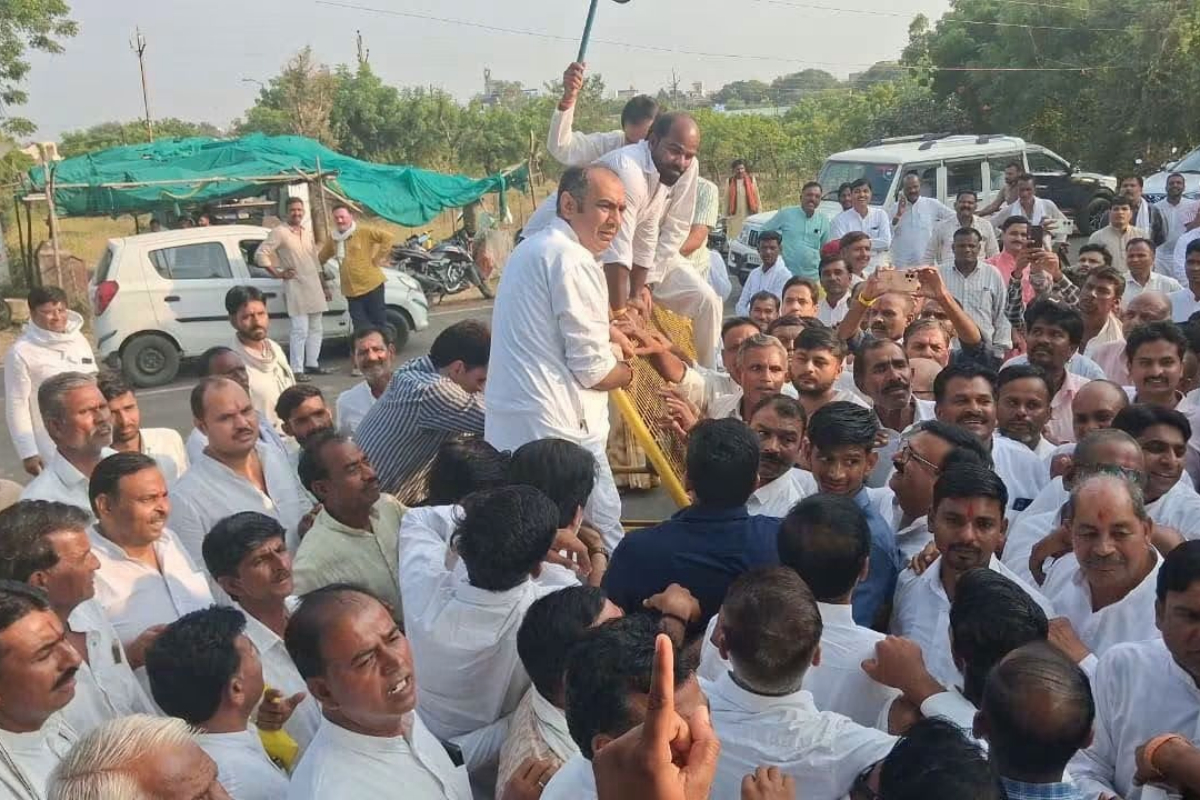


Police detained Amit Bhatnagar before dawn on Sunday, ending the activist’s 14-day hunger strike and clearing a riverside protest camp that had stood against a major dam project in Madhya Pradesh.
Officers reached the site on the Barana river, near Kupi village in Chhatarpur district, around 5 a.m. Protesters say the raid came minutes before they planned to hand journalists documents alleging ₹400 crore in corruption tied to the Ken-Betwa Link Project.
“The administration has taken a planned action to suppress the movement,” said Divya Ahirwar, one of the protest’s leaders. “If any harm comes to Amit Bhatnagar or any of the detained protesters, the administration will be responsible.”
The Ken-Betwa Link Project is India’s first river-interlinking scheme, a roughly ₹44,605 crore effort to move water from the Ken river to the Betwa to irrigate Bundelkhand, one of the country’s most drought-prone regions. The government says it will irrigate over 10 lakh hectares and supply drinking water to 62 lakh people.
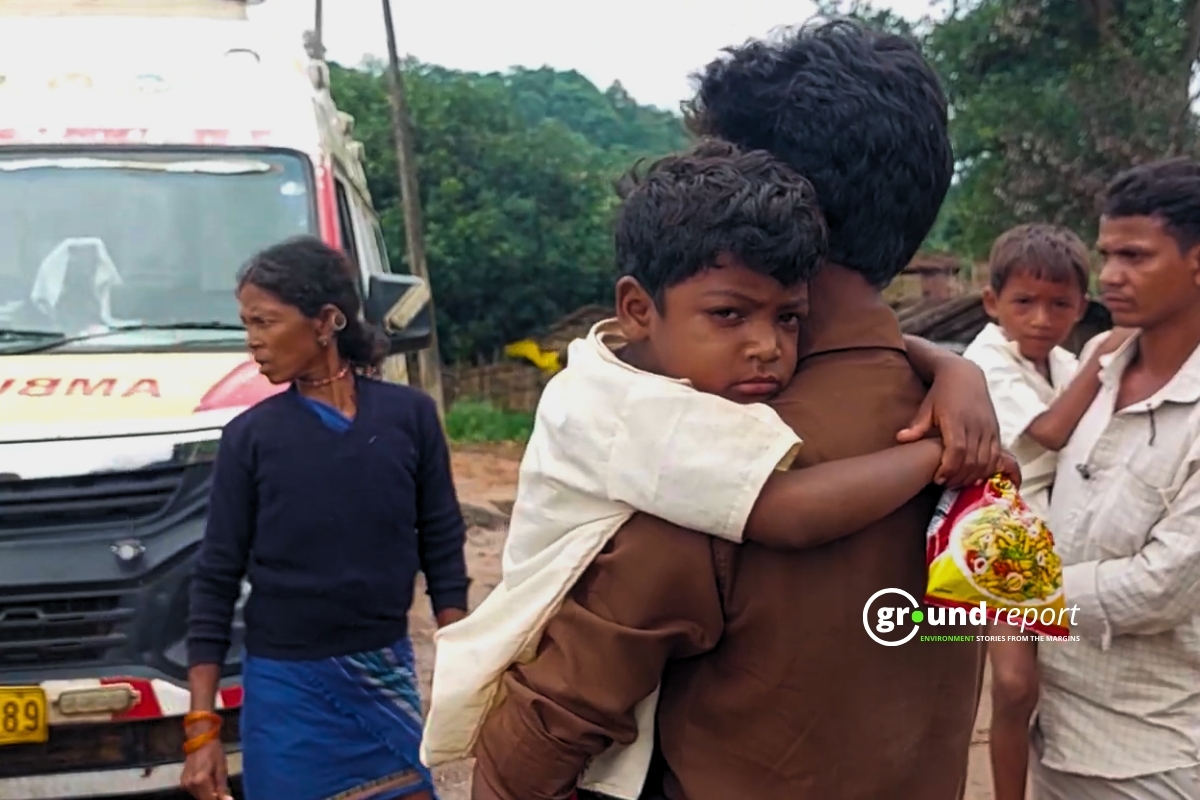
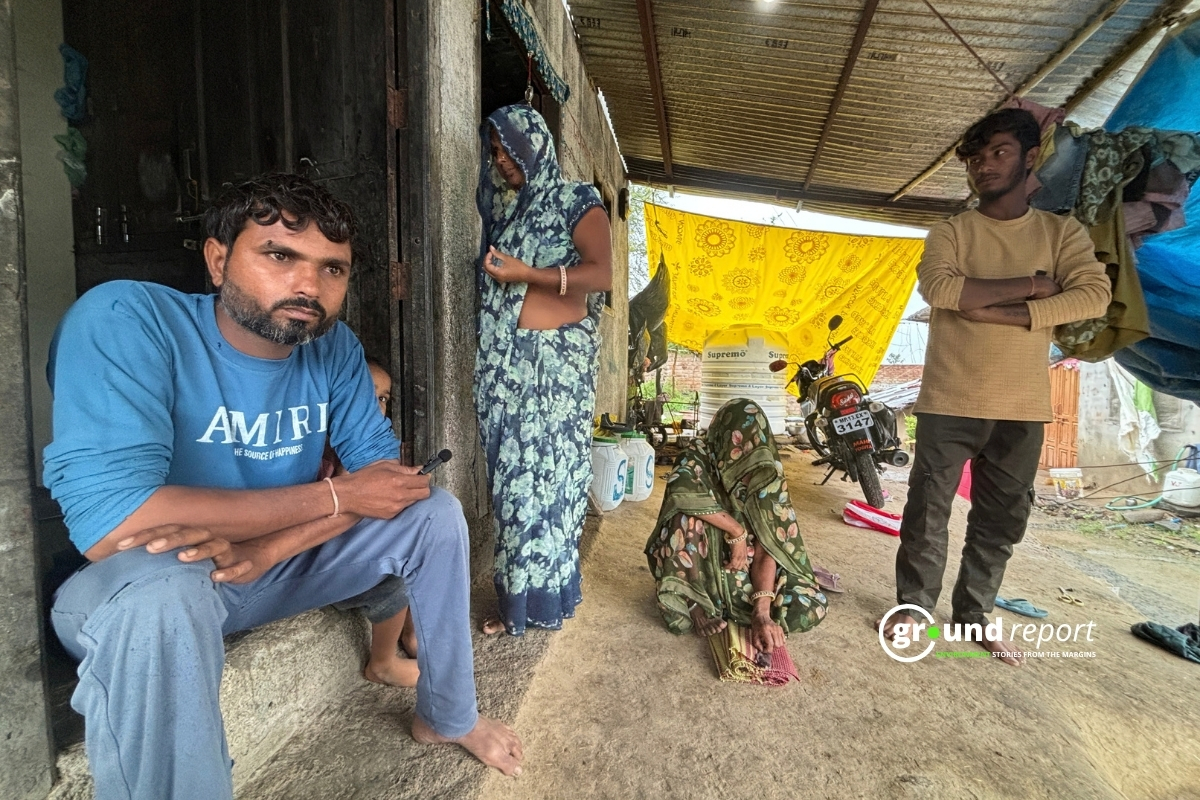
Families displaced by the dam, and by three related irrigation projects nearby, have protested since 2023. The movement flared in April, when tribal women lay on symbolic funeral pyres at the dam site. That protest ended after officials promised a fresh survey of affected families.
The promise, protesters say, was never kept. The camp reopened July 3. Bhatnagar began his fast three days later, demanding fair compensation and an end to what he called the intimidation of villagers.
Police had already detained Bhatnagar twice this year — in February, and again in May, hours before a planned march to Delhi. His family says he disappeared after making bail in the earlier case.
No Word From Officials
Neither the Chhatarpur district administration nor the Madhya Pradesh government has responded to the allegations. As of Saturday, the administration maintained it had raised compensation from ₹5 lakh to ₹12.5 lakh per family and made 638 more families eligible for rehabilitation. Protesters say the demands haven’t changed: that authorities follow environmental and constitutional protections owed to displaced families.
Sunday’s operation echoed one a day earlier in Delhi, where police pulled activist Sonam Wangchuk from a 20-day hunger strike at Jantar Mantar, citing his health. Protesters at both sites called it the same playbook: end the fast, clear the camp, skip the negotiation.
What’s Left on the Riverbank
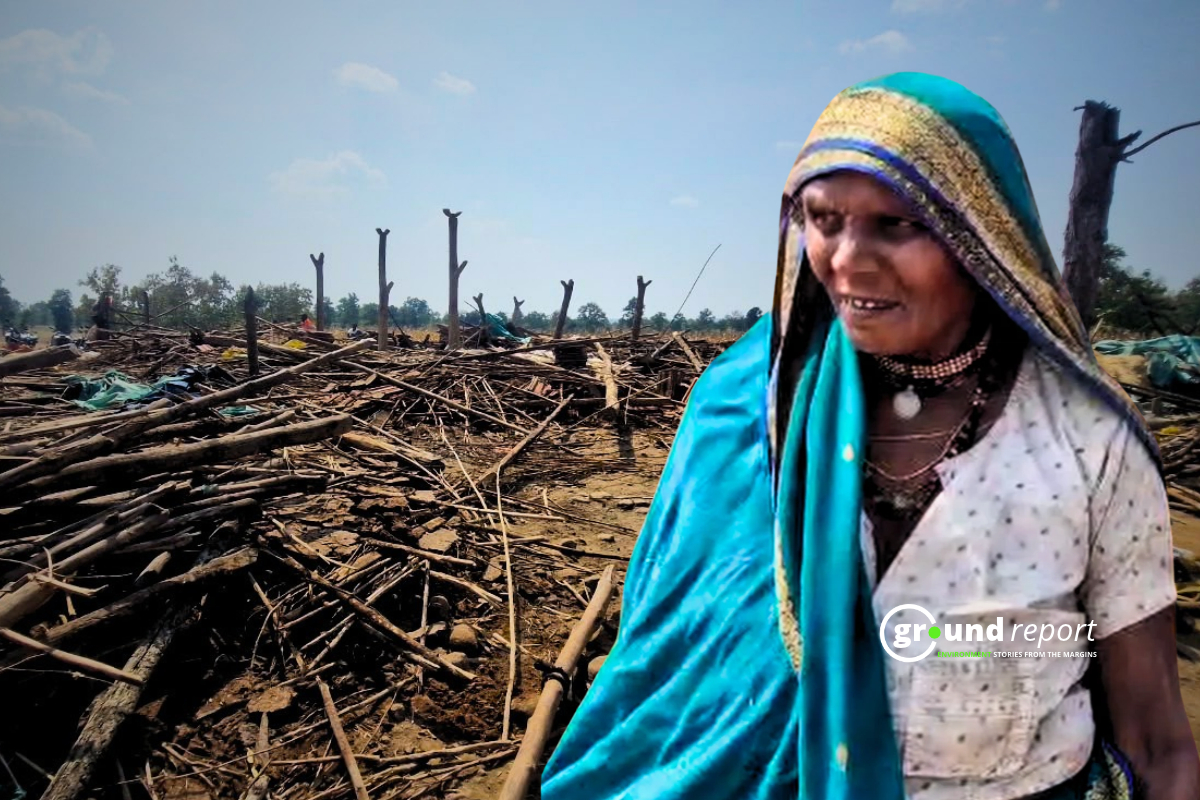
Most of the displaced families are Gond and Kol tribespeople, whose land, forests and river access have been submerged or fenced off by the project. Over the past year they have tried water protests, funeral pyres and symbolic hangings to be heard.
The camp is empty now. Bhatnagar is in custody. Ahirwar is still calling for support — proof, organizers say, that the fight isn’t over just because the riverbank is quiet.
Support Us To Sustain Independent Environmental Journalism In India.
More Ground Reports
He Was Married as a Child, Now Manish Dangi Helps Stop It for Others
Despite The Ban, How Gutkha Became MP’s Most Common Household Habit