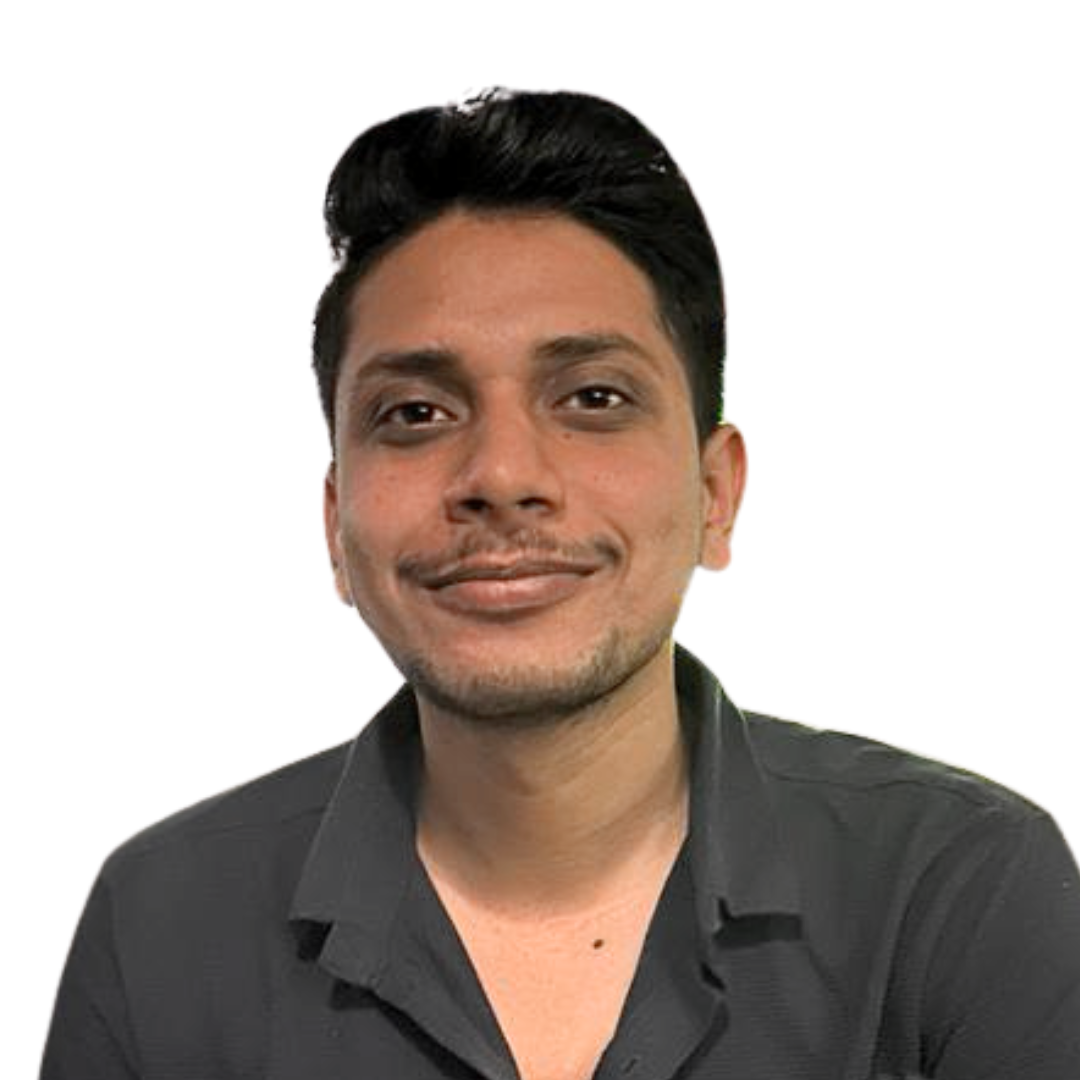
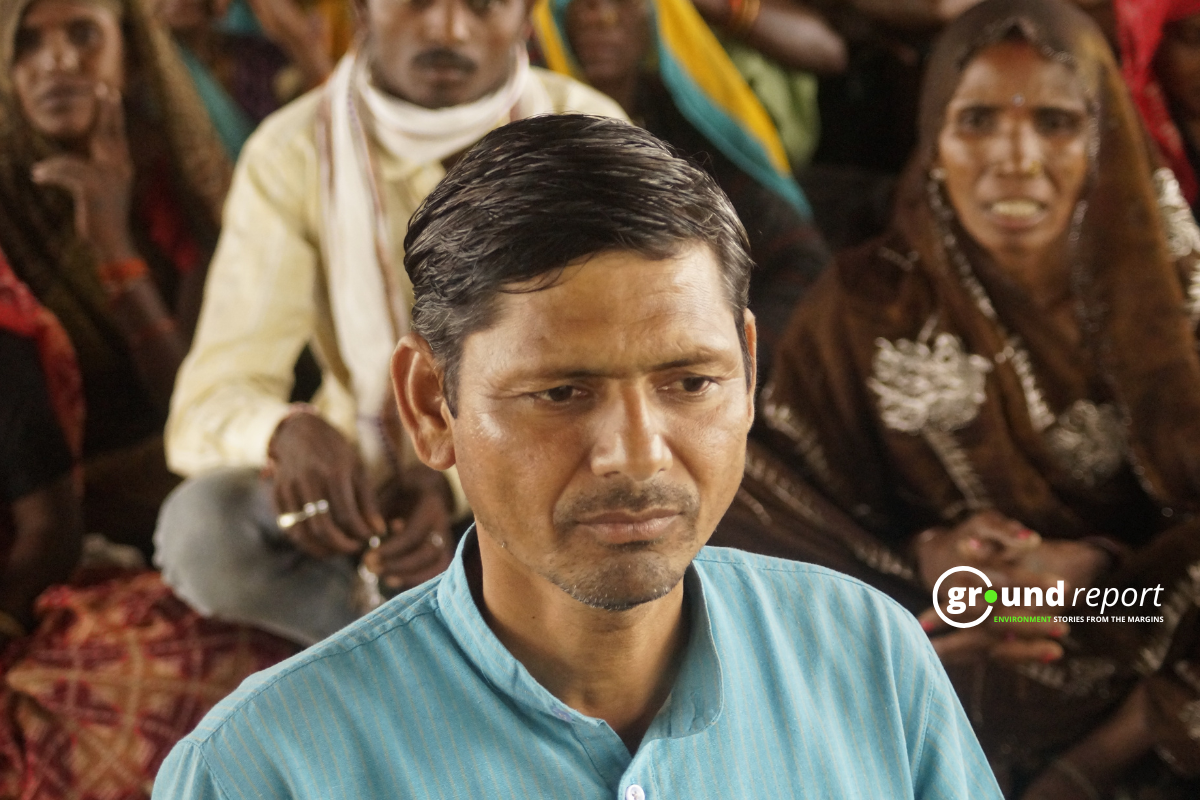
Amit Bhatnagar, a social activist, lay on a hospital bed in Chhatarpur district after police detained him on the 14th day of his fast unto death over alleged irregularities in land acquisition, compensation, and rehabilitation under the ₹44,605-crore Ken-Betwa River Linking Project. He had refused food, medicines, and even an IV drip.
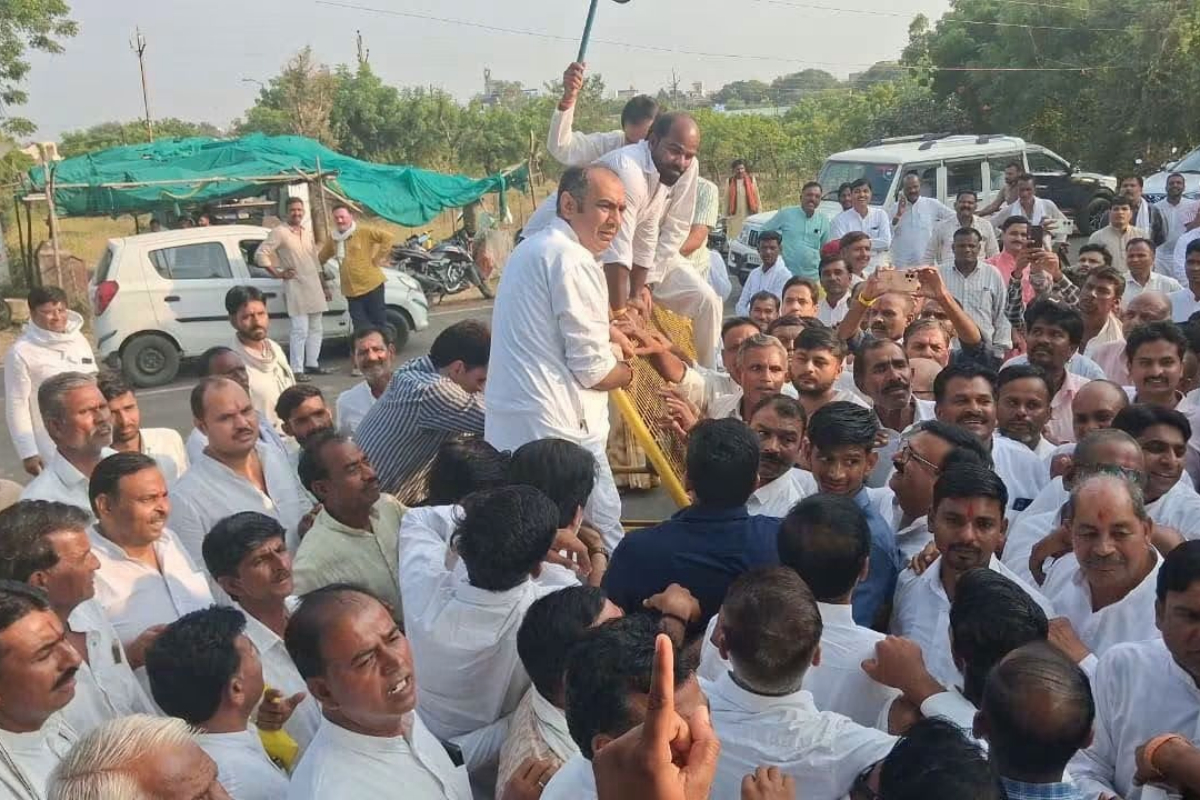
On Sunday morning, July 19, police cleared the protest site on the Barna River banks near Kupi village, where hundreds of project-affected families had camped since July 3. Officers detained Bhatnagar and around 150 protesters, citing rising river levels after heavy rain and Bhatnagar’s deteriorating health.
Police released some protesters later, but not him.
Bijawar SDM Vijay Dwivedi told the media that Bhatnagar’s worsening health and bad weather led officials to admit him to the Bijawar district hospital, where doctors monitored him.
Dwivedi said officials persuaded Panna district protesters who had joined the sit-in to return home. Because of the weather, the government sent three buses to take them home. Officials moved Bhatnagar to Bijawar hospital on July 20. That night, at 9 pm, doctors referred him to Chhatarpur District Hospital.
His media team relayed this message: he would not eat in jail either, just as he had not eaten at the protest site. He told his team that if doctors tried to force a drip on him, he would stop drinking water too, and even hold his breath if it came to that. He would not let the government treat him back to health without a settlement. He had said this before.
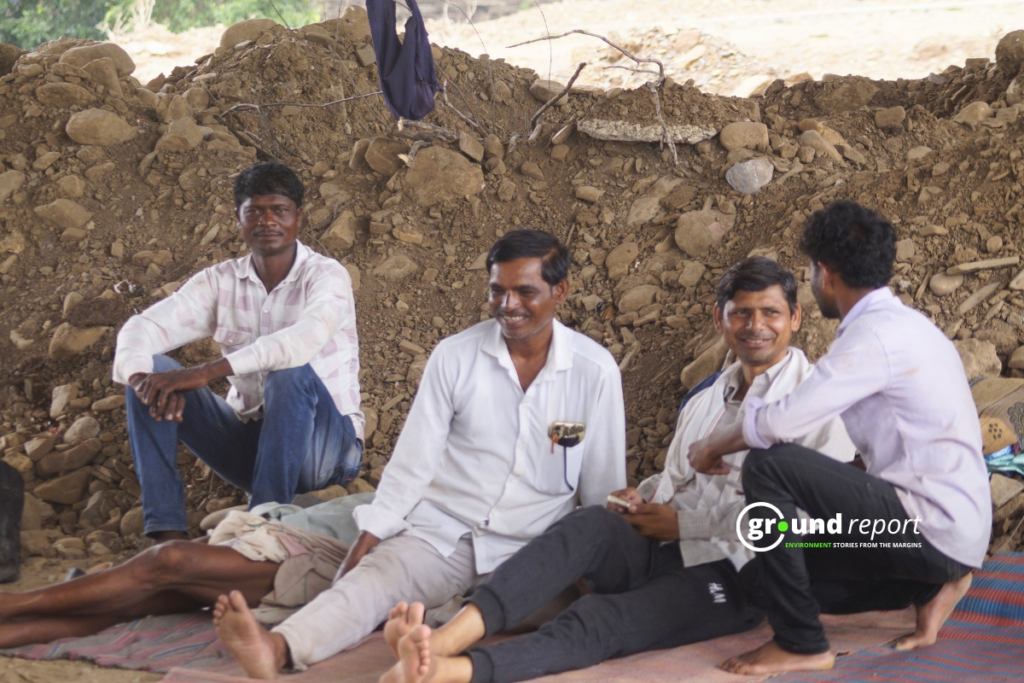
Long before he became the face of Bundelkhand’s resistance, Bhatnagar was a professor who filed a complaint against his own family’s college. Pawan Patel, who had handled the movement’s media for years, said no single event pushed Bhatnagar onto the activist path. Instead, small injustices built up: fertilizer arrived late, officials demanded bribes for routine work, and government offices seemed built against the people they served.
That same instinct, refusing to accept injustice, had him fasting unto death in a hospital bed.
From a college office to the protest stage
Amit Bhatnagar studied at Gramoday University in Chitrakoot. Afterward, he ran his family’s B.Ed. College and taught there as a professor.
Patel said Gandhian ideas deeply influenced Bhatnagar. Bhatnagar filed a formal complaint against wasteful electricity use at his own family’s college.
Bhatnagar lives with his parents, his younger brother’s family, his wife, who taught at a primary school, and his roughly 15-year-old son. He doesn’t wear the polished shoes of a typical politician. He wore sandals. In villages, he eats whatever food people serve him, including plain lentils and dry rotis. Fellow protesters said his simple lifestyle still defined him.
He was drawn towards Anna Hazare’s anti-corruption movement in 2011. And, by 2012-13, he had turned fully to social work. Later, he joined the Aam Aadmi Party, and by
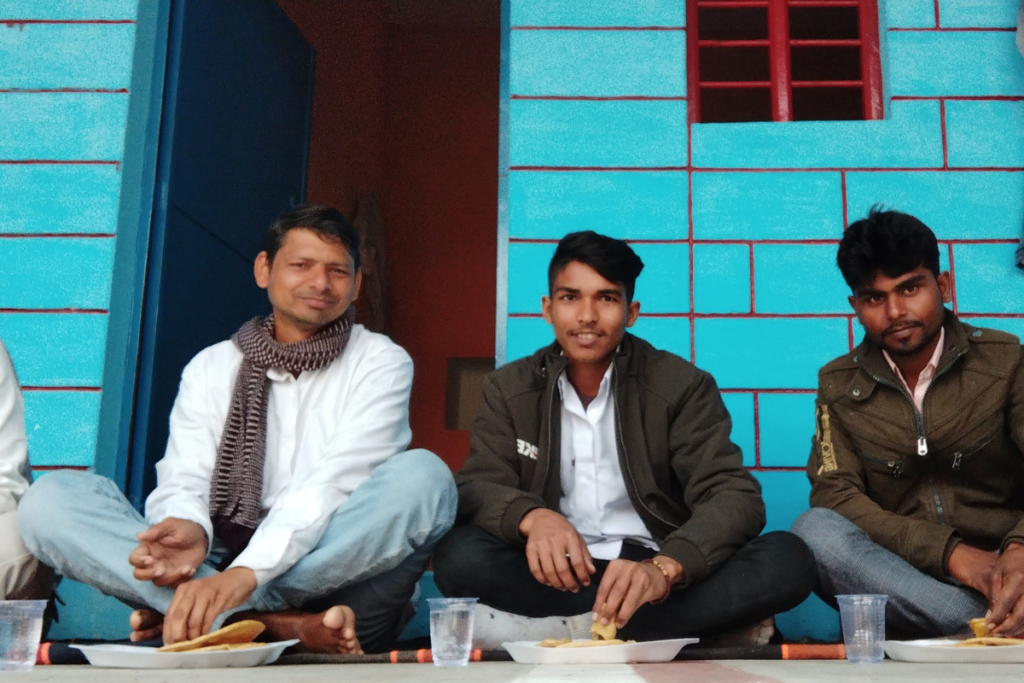
He also contested the Lok Sabha and Bijawar Assembly seats without any major donors. Patel explained that the entire campaign was carried out through volunteers’ donation boxes from village to village. And people gave what they could—five rupees, fifty rupees, sometimes five hundred.
His 2023 election affidavit listed his total assets at roughly 3.7 million rupees, no outstanding loans, and one pending criminal case, dating back to a 2017 protest outside the state secretariat in Bhopal.
A fight that began with one dam and grew to five projects
The Ken-Betwa river-linking project, India’s first inter-river basin water transfer project, is at the center of Bhatnagar’s current movement.
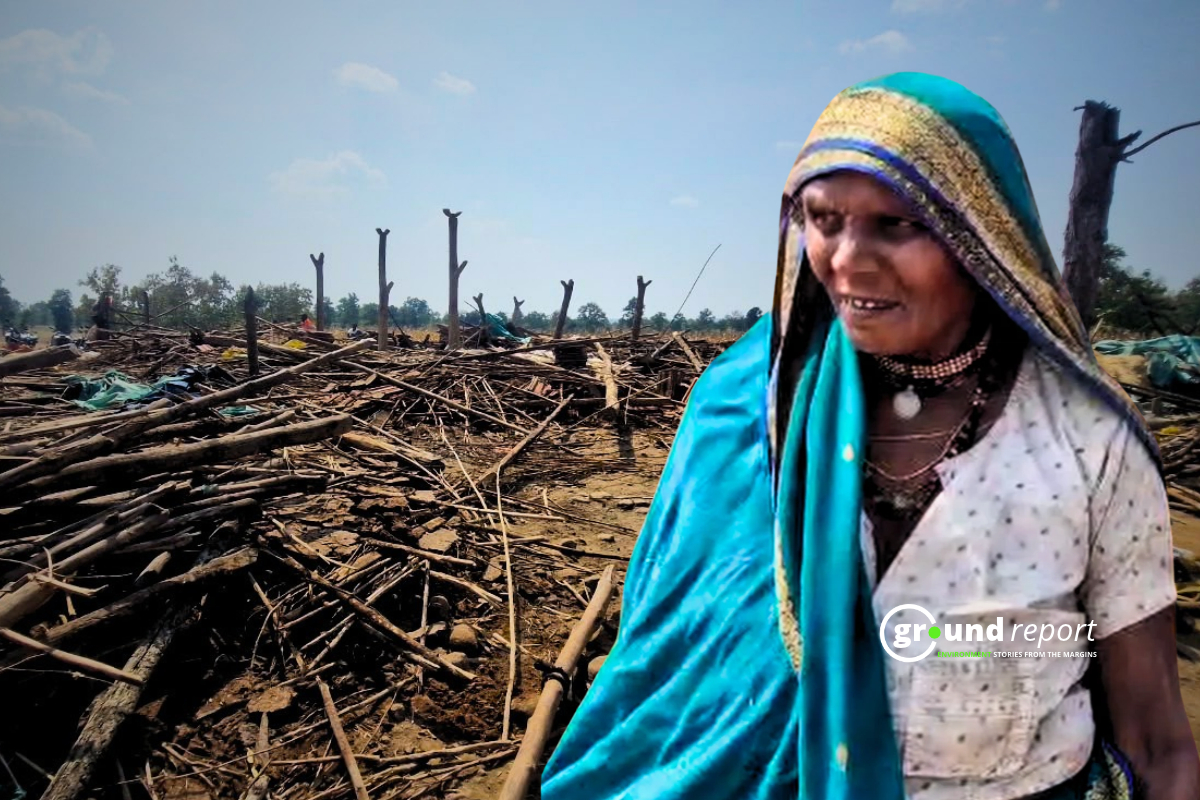
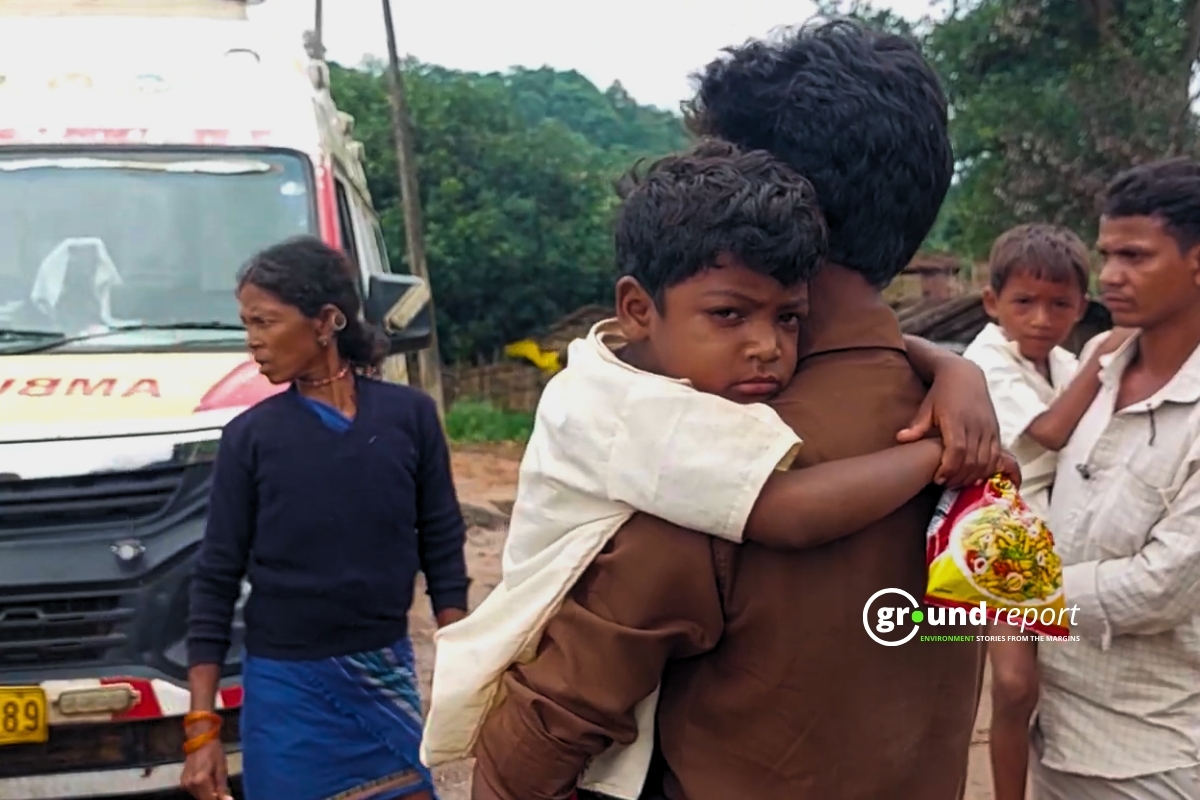
The first phase included the Daudhan dam, to be built inside the Panna Tiger Reserve. At full reservoir level, the project would submerge nearly 9,000 hectares. That included 4,141 hectares of the tiger reserve’s core area and 1,620 hectares of other forest land — 5,761 hectares in total. Ten villages would be fully displaced.
Two medium irrigation projects in Panna District, Majhgaon and Runj, and a solar power project at Barethi had also become part of the movement since all four projects displaced and affected villages across Chhatarpur and Panna.
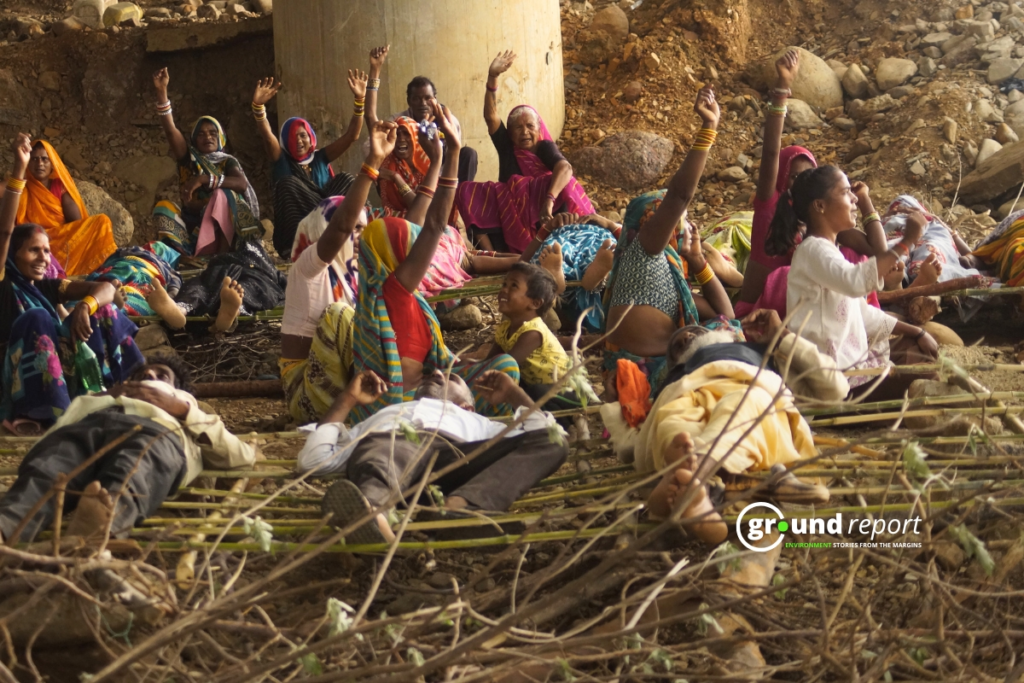
Bhatnagar has worked on this issue since 2022, but the current standoff traces back to his 19-day fast outside the Chhatarpur collectorate in early 2023.
After that fast ended, he and his team went door to door in the affected villages and recorded names left off compensation lists. Patel said this ground-level work built people’s trust. By then, the movement had support from roughly 14 to 15 of the 22 affected villages.
The struggle sharpened over the past six months.
In February, police briefly detained Bhatnagar for joining a women-led protest at the Daudhan project site. Days later, around a thousand villagers, including women and small children, marched demanding his release. Police responded with water cannons and a baton charge.
In March, another clash broke out during a large march to the Panna collectorate. The administration had already imposed Section 144. Bhatnagar was arrested, and dozens of villagers followed.
In April, the movement took several symbolic forms: protesters staged a funeral-pyre satyagraha, stood in the river in protest, staged a mock hanging, and began hunger strikes across several affected villages.
On May 8, hours before a planned “justice march” was set to begin, Panna police arrested Bhatnagar. Protesters called it a midnight operation meant to weaken the movement before the march could start. In custody, Bhatnagar wrote that the government could let him rot in jail or hang him, but the movement had to continue.
Three days after he got bail, his family said he had gone missing outside the jail.
Officials later said the Panna Tiger Reserve administration had detained him separately, citing a wildlife-crime case dated a month before his actual arrest. His family publicly questioned that discrepancy. Around the same time, a construction company filed a separate complaint against Bhatnagar and 19 villagers over an alleged dispute at the Majhgaon dam site.
He returned to the field and began a second fast unto death near Koopi village on July 6. This time, women joined him, lying on symbolic funeral pyres in protest.
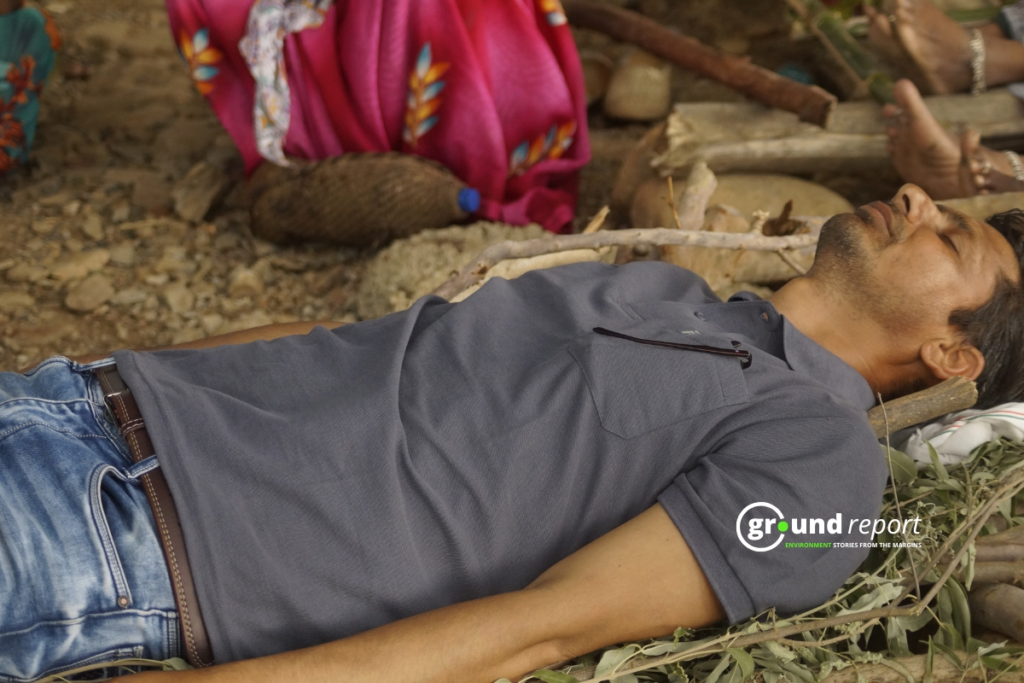
In a video message he released the night before his July 19 arrest, Bhatnagar alleged that compensation payments across the five projects involved a scam worth hundreds of crores of rupees. He said officials bypassed families who should have received displacement compensation, paying it instead to undeserving relatives of officials and contractors.
He said he expected to be targeted the next day, possibly through fabricated forest department cases.
He also said that if anything happened to him, Chief Minister Mohan Yadav, the Panna collector, the superintendent of police, and the district administration would be responsible. These allegations were Bhatnagar’s own and had not been independently verified.
Ground Report could not independently confirm the scale of the alleged scam he described.
The government’s position
The state government considered these projects essential for the drought-hit Bundelkhand region. Officials said the Majhgaon and Runj projects, once complete, would together irrigate more than 15,810 hectares and supply water to thousands of families.
In April, the state cabinet decided to double the compensation multiplier for rural land acquisition and applied it retroactively to these projects too.
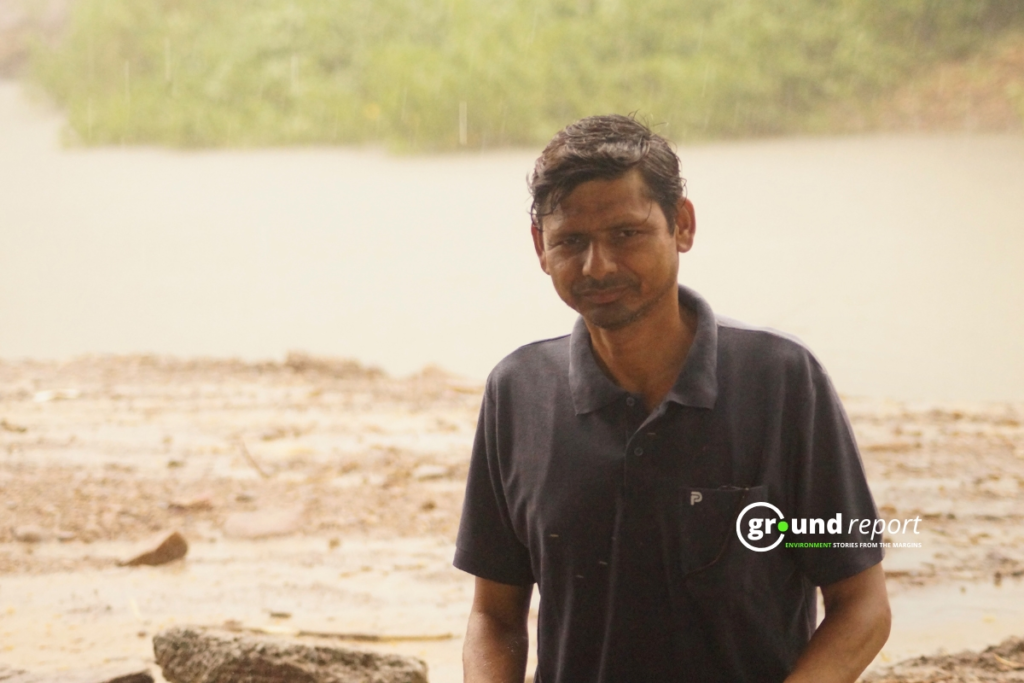
During Bhatnagar’s protest at the Panna collectorate, Panna Collector Usha Parmar told Ground Report that the administration would release the land records and compensation documents that villagers have requested since February. In May, the state formed a committee, headed by the Sagar divisional commissioner, to resolve displacement and compensation disputes tied to the two irrigation projects.
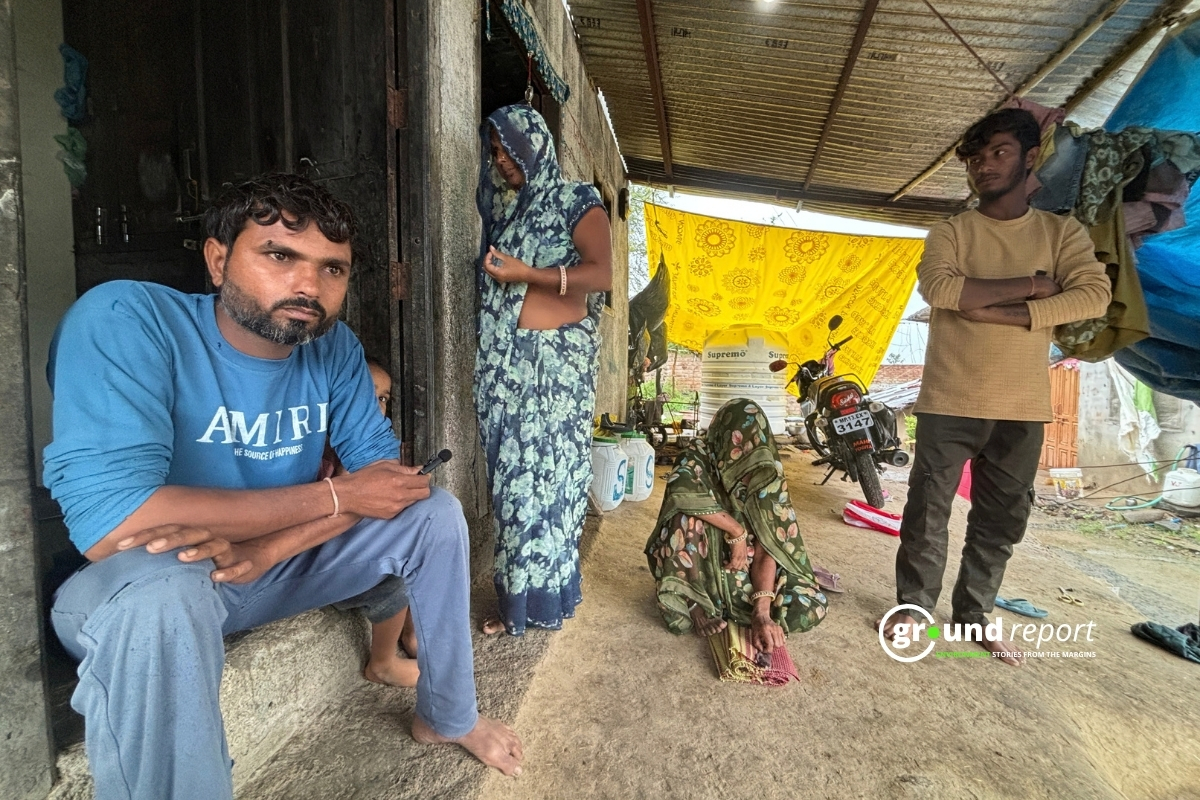
Villagers said these announcements had changed little on the ground. Surveys promised in February took roughly six weeks to begin in some villages. Protesters alleged that construction resumed in several places without officials addressing their grievances. Villagers affected by the Majhgaon and Runj projects said officials calculated compensation in many cases using 2012 land rates, far below what the law entitled them to.
Where things stood
Despite being hospitalized, Amit Bhatnagar is still fasting.
As of the evening of July 20, he remained at Chhatarpur district hospital and continued to refuse treatment. His fast has reached its 14th day, with no sign that it will end on the government’s terms.
Two days before his arrest, in an interview with the media outlet Khabar Lahariya, Bhatnagar explained the thinking behind his decision.
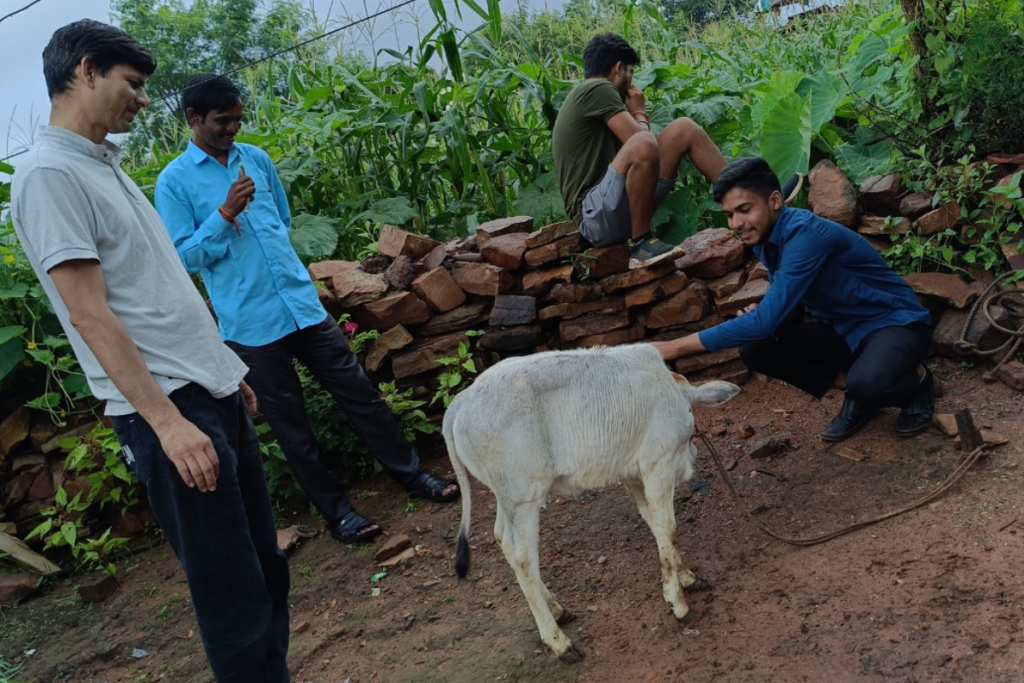
He said, “If I weren’t in this position myself, I would also be telling Sonam Wangchuk to end his fast, like everyone else is saying. But this government is merciless. It won’t listen to you. It wants you to die. I’m no longer afraid of death either. For seventeen years now, I’ve heard that the fight continues as long as we’re alive. But in that same time, we’ve watched institutions like the Supreme Court, the Election Commission, the ED, the CBI, and the police grow weaker. If all we do is save our own lives, we’ll die cowards’ deaths.”
Bhatnagar believes this fight was no longer just about his fast. It had become a fight for trust in democratic institutions and for justice for the displaced. Even from his hospital bed, he had not changed his position.
Pawan Patel, his longtime associate, often recalled one line Bhatnagar repeated: “Amit bhaisaab always says the struggle is fought on an empty stomach.” The government was now pushing that same struggle toward an end in a hospital, against his will
Support Us To Sustain Independent Environmental Journalism In India.
More Ground Reports
He Was Married as a Child, Now Manish Dangi Helps Stop It for Others
Despite The Ban, How Gutkha Became MP’s Most Common Household Habit