On Tuesday, July 7, four states resolved a long-standing financial dispute over the Sardar Sarovar Dam. According to a government press release, Union Home and Cooperation Minister Amit Shah led the initiative that produced the settlement. Under the agreement, the states would now pay a lump sum in place of all pending dues.
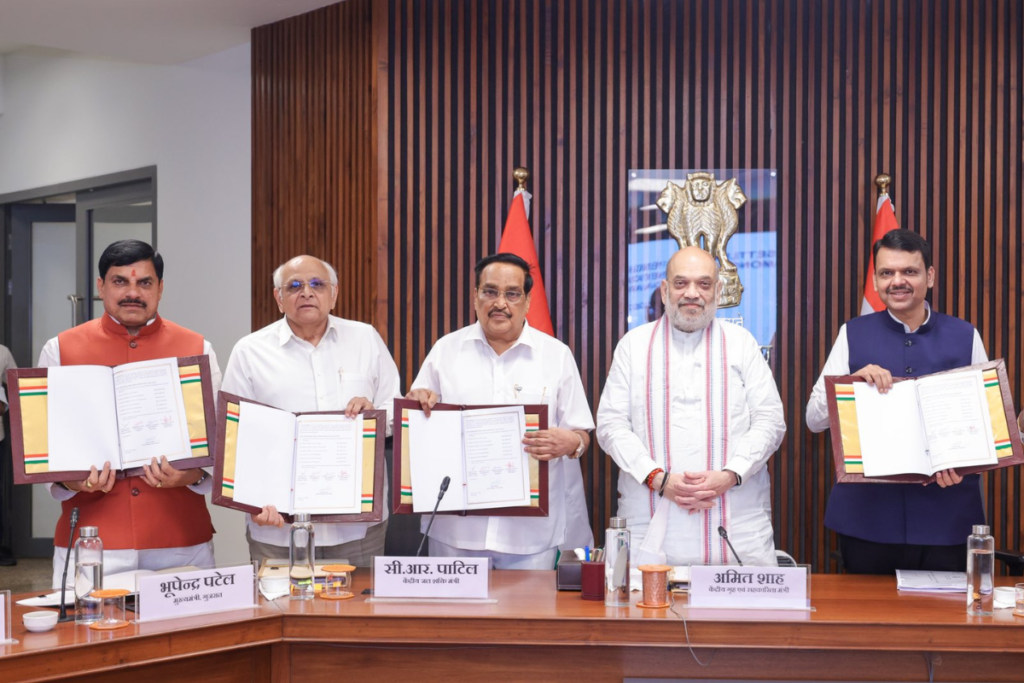
Union Home and Cooperation Minister Amit Shah and Union Jal Shakti Minister Chandrakant Raghunath Patil signed the agreement in New Delhi, along with Maharashtra Chief Minister Devendra Fadnavis, Gujarat Chief Minister Bhupendra Patel, Rajasthan Chief Minister Bhajan Lal Sharma, and Madhya Pradesh Chief Minister Dr Mohan Yadav. Senior officials from the centre and all four states also attended the meeting.
The four states had disputed the cost, water, electricity, and rehabilitation terms of the Sardar Sarovar Dam, built in Gujarat, for years. In 1979, the Narmada Water Disputes Tribunal passed an award meant to settle the matter. But disputes among the states continued even after that.
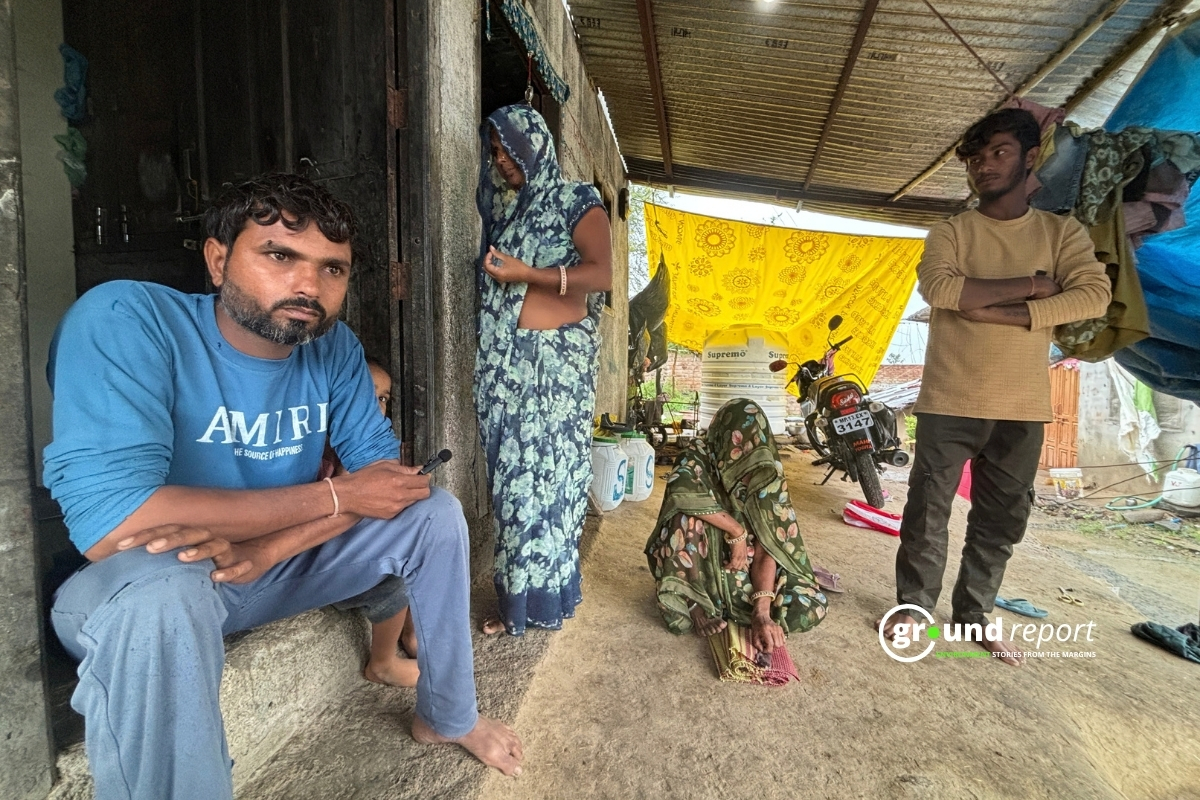
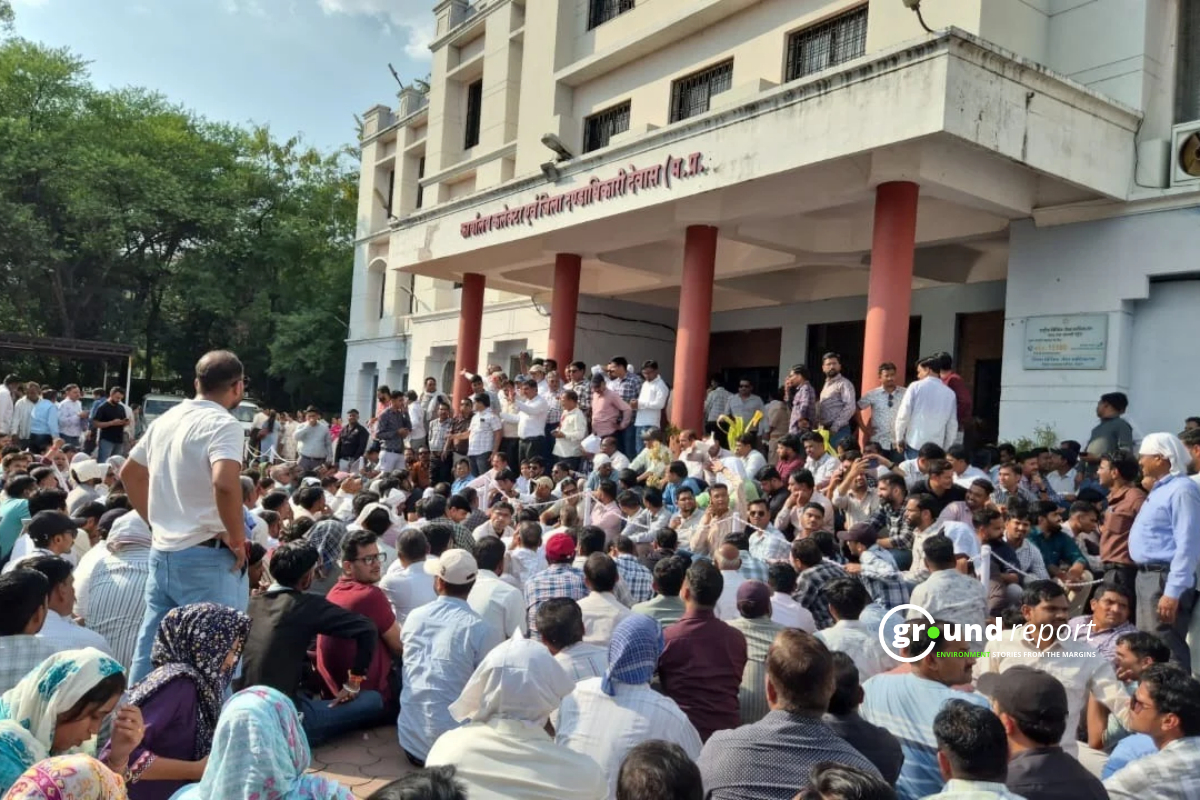
Madhya Pradesh bore the largest share of submergence caused by the dam, and it had demanded more than 7,000 crore rupees in rehabilitation funds. Gujarat, meanwhile, sought a share of the dam’s construction cost from the other states.
Under the new settlement, Madhya Pradesh would pay Gujarat 231.80 crore rupees toward the construction costs. No official announcement said how much money Madhya Pradesh would get from Gujarat for rehabilitation. This left one question: after more than four decades of dispute over this project, what did Madhya Pradesh lose, and what did it gain?
The 1979 award and its terms
Former Prime Minister Jawaharlal Nehru laid the foundation stone for the dam on April 5, 1961, intending it to serve irrigation and power generation needs by drawing on the Narmada River. When the states could not agree on water use, the Gujarat government asked the central government in 1968 to set up a tribunal under the Inter-State Water Disputes Act, 1956.
The Centre established the Narmada Water Disputes Tribunal (NWDT) in 1969 to resolve the conflict. A decade later, on December 12, 1979, the tribunal divided the usable water among the four states. Of the 28 million acre-feet (MAF) of usable Narmada water, Madhya Pradesh would receive 18.25 MAF, Gujarat 9 MAF, Rajasthan 0.5 MAF, and Maharashtra 0.25 MAF.
However, Madhya Pradesh had to release 8.12 MAF of its own share downstream. Gujarat received the largest annual irrigation benefit, at 17.92 lakh hectares, while Madhya Pradesh received no irrigation benefit at all.
Power generation and dispute
The dam was designed to generate a total of 1,450 MW of electricity—1,200 MW (6×200 MW) from the riverbed powerhouse and 250 MW (5×50 MW) from the canal head powerhouse.
Three states shared this power: Madhya Pradesh received 57 per cent (820.5 MW), Maharashtra 27 per cent, and Gujarat 16 per cent (232 MW).
But power generation from the dam did not begin until 2005.
A fresh dispute arose between the states in 2019, when Gujarat’s Sardar Sarovar Narmada Nigam Limited (SSNNL) sought to halt power generation at the riverbed powerhouse. The corporation argued that the dam needed to be filled to its full reservoir level (FRL) of 138.63 metres to inspect the structure.
This would have cut Madhya Pradesh’s power supply. So Madhya Pradesh said it would send less water to Gujarat too.
Rehmat, of Manthan Adhyayan Kendra, an organisation that researches and advocates on water and energy issues, told Ground Report that Madhya Pradesh never received a steady benefit of the dam’s electricity.
He said Gujarat’s priority was irrigation, and whenever water ran short for that purpose, power generation stopped.
A report published in Dainik Bhaskar found that reduced power generation from the Sardar Sarovar Dam cost Madhya Pradesh 904 crore rupees in 2020. The state’s chief minister, meanwhile, said Madhya Pradesh had received close to 3,900 crore units of electricity so far, at an average rate of 85 paise per unit.
How submergence and rehabilitation were divided
And, filling the Sardar Sarovar reservoir to 138.68 metres submerges 37,690 hectares (86,088 acres) of land. This includes 11,279 hectares of agricultural land, 13,542 hectares of forest, and 12,869 hectares of riverbed and barren land.
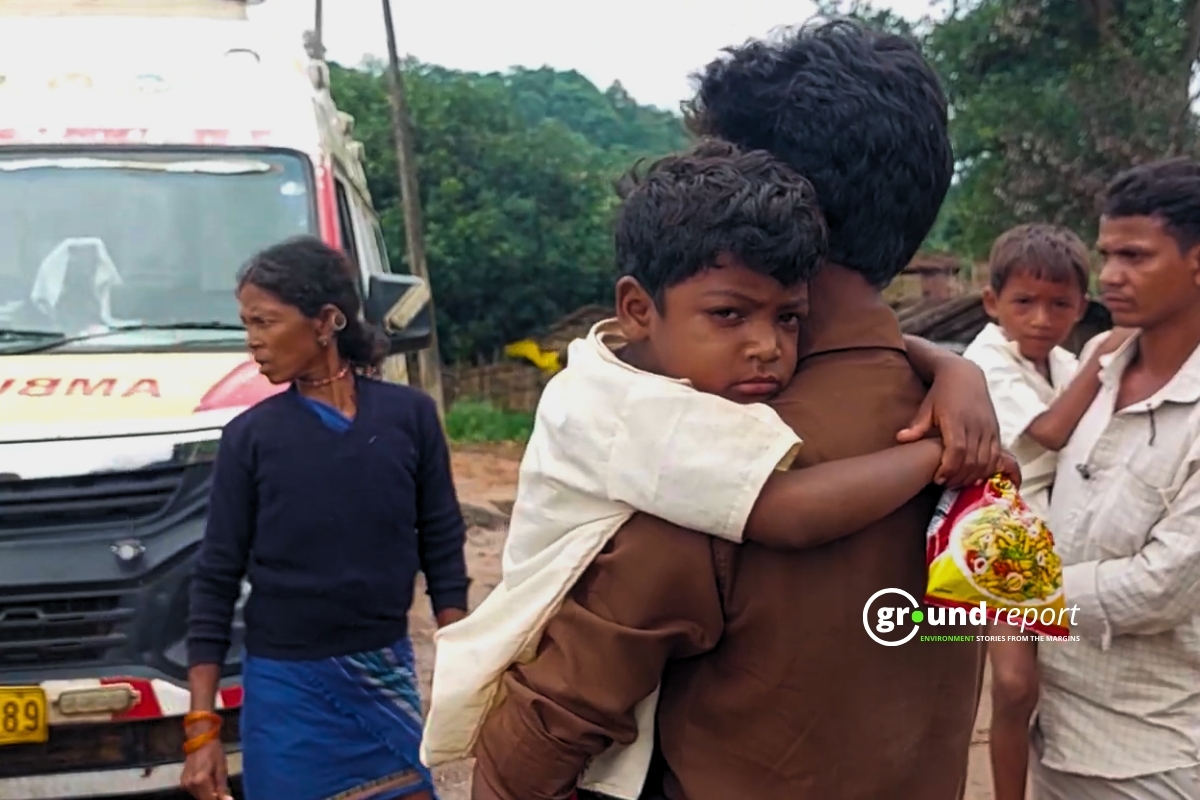
The submergence affects a total of 245 villages across three states — 193 in Madhya Pradesh, 33 in Maharashtra and 19 in Gujarat. The government data showed that only 3 villages in Gujarat were fully affected. The remaining 242 were partially affected.
In Madhya Pradesh, only 79 of the 193 affected villages lost more than 10 per cent of their agricultural land to submergence. The remaining 89 villages lost less than 10 per cent of their agricultural land, or only their homes, due to backwater flooding of the kind expected once every hundred years.
According to a response the Narmada Control Authority gave to a Ground Report under the Right to Information Act, the submergence affected a total of 32,630 families.
The Shunglu Committee report said Gujarat had to pay for rehabilitating any family affected up to 350 feet (106.68 metres) in height, as long as that family agreed to resettle in Gujarat. Families affected above that height could choose to resettle in Gujarat or Madhya Pradesh instead.
But in both cases, the cost of rehabilitation fell to the Gujarat government.
A report published in the Times of India in September 2024, citing sources, said Madhya Pradesh had sought 7,600 crore rupees in compensation for submerged mining, revenue, and forest land. Gujarat had offered 500 crore rupees in return. No official document confirmed these figures.
MP-Gujarat financial dispute
The central government issued a press release on July 7 and called the agreement a historic milestone. The release said it resolved long-standing disputes among Madhya Pradesh, Gujarat, Rajasthan, and Maharashtra. Those disputes were over the cost-sharing arrangement for building the Sardar Sarovar Project.
At 1986-87 price levels, the Sardar Sarovar Project cost 6,406.04 crore rupees. But a report based on the Eleventh Five-Year Plan found that this figure had risen to 45,673.66 crore rupees by 2012. Gujarat sought a share of this increased cost from Madhya Pradesh.
Rehmat said the cost rose because rehabilitation was not completed on time.
Madhya Pradesh cabinet minister Chaitanya Kashyap said Gujarat previously bore 50 per cent of the Sardar Sarovar cost and that under the new agreement it would now bear 75 per cent.
Chief Minister Dr Yadav said that, according to a February 2026 opinion from the attorney general, Madhya Pradesh’s share of rehabilitation expenditure had been fixed at 31.98 per cent. This would have required the state to pay Gujarat around 1,500 crore rupees. He said the meeting in Delhi unanimously reduced Madhya Pradesh’s share to 16.17 per cent, bringing the state’s payment down to just 231.80 crore rupees.
Rehmat called this a failure on Madhya Pradesh’s part.
He said more than 7,000 complaints remained pending before the Madhya Pradesh Grievance Redressal Authority (MP GRA) — small complaints, such as families who never received payment for a home or resettlement sites lacking basic facilities. He said these complaints remained stuck because the authority had no members appointed to hear them.
He added that even if these complaints were eventually resolved, it remained unclear who would pay for the rehabilitation.
Rehmat said he was still waiting for more details on the agreement. Based on what was known so far, he said Madhya Pradesh had lost everything in this settlement and gained nothing.
Support Us To Sustain Independent Environmental Journalism In India.
More Ground Reports
He Was Married as a Child, Now Manish Dangi Helps Stop It for Others
Despite The Ban, How Gutkha Became MP’s Most Common Household Habit