A central government investigation into the deaths of tribal children in Madhya Pradesh’s Balaghat district has found serious gaps in healthcare, disease surveillance, laboratory testing and nutrition services, according to The Indian Express report. The findings come after dozens of children reportedly died or fell ill in remote Baiga tribal villages since June 2026.
The National Joint Outbreak Response Team (NJORT), which visited the district from August 13 to 18, identified measles, malaria and other infections among affected children. It also found that gaps in healthcare services and incomplete records made it difficult to investigate the deaths and establish their causes.
The crisis has triggered protests and demands for accountability. While the state government initially reported eight deaths, local representatives and media reports cited higher figures. The NJORT report did not establish a final death toll.
Health services under strain
Balaghat’s district surveillance unit was being run by a data manager, while the district epidemiologist’s post remained vacant. The district also lacked a public health laboratory, and the microbiologist’s post was vacant.
In Kundekasa, one of the worst-affected villages, the position of Accredited Social Health Activist (ASHA) worker had remained vacant for more than a year. The team said this created gaps in identifying sick children, mobilising families and following up on cases.
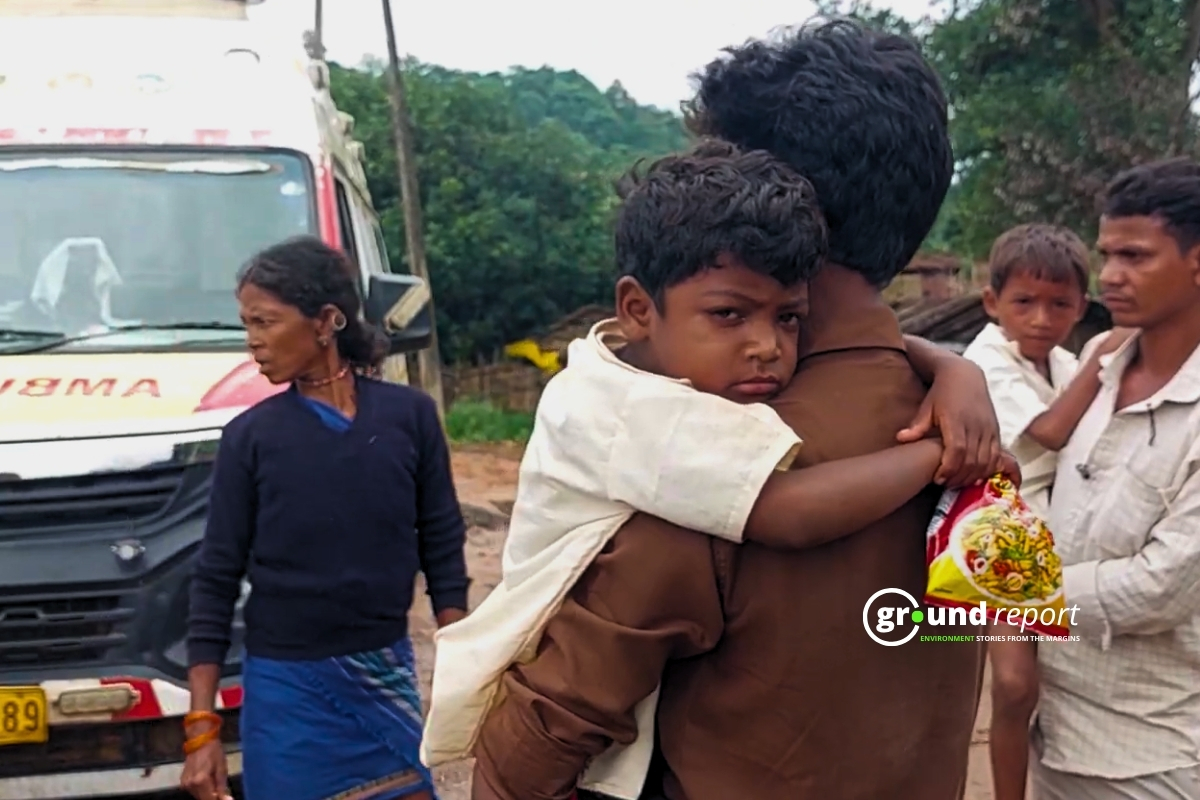
Ground Report visited Kundekasa village in Balaghat to document the conditions facing Baiga tribal families amid the deaths of children. We found that residents lacked reliable access to safe drinking water. Families told our reporters that they relied on a nearby stream for drinking water because taps were not supplying water and some handpumps provided dirty water. Our reporting also documented the difficulties residents faced in accessing basic services.
The NJORT also found gaps in data sharing between disease surveillance, laboratory testing, immunisation and nutrition programmes. These problems made it difficult for officials to prepare a complete and timely list of affected children.
Multiple infections identified
The NJORT examined three child deaths in detail. A four-year-old boy from Kundekasa died at home on August 6 after developing fever, rashes, oral ulcers and seizures. An ASHA worker had advised his family to take him to hospital three days earlier, but they did not.
A three-year-old girl from Kundekasa died on July 22. The report said her family relied on traditional treatment after attributing her illness to “Maata”. It also flagged delayed medical care, incomplete vaccination records and the lack of a laboratory diagnosis.
Another three-year-old girl from Bondari died at Balaghat District Hospital on August 11. She weighed 4.9 kg at admission. The team noted severe nutritional deficits but did not establish the cause of her death.
Laboratory tests showed multiple infections in the affected area. Of 64 samples tested for measles, 25 were positive. Malaria was detected in 27 of 32 samples tested by the National Centre for Disease Control. Tests also detected dengue, chikungunya and enterovirus in smaller numbers of samples.
All five water samples tested for adenovirus were positive, while eight of nine tested positive for coliform bacteria. The NJORT said these results did not establish a single cause for the entire cluster.
Malnutrition raises concerns
The investigation recorded 604 severely acutely malnourished children and 1,985 moderately acutely malnourished children across 357 anganwadi centres in Birsa block sectors.
Only around 30–35% of children were enrolled in the government’s Poshan Tracker, the report found. Anganwadi workers were not weighing children regularly, and field measurements often differed from the records.
Ground Report’s reporting also examined the disruption in take-home ration supplies after production at Madhya Pradesh’s nutrition plants stopped on March 31. The disruption raised questions about the continuity of supplementary nutrition for vulnerable children.
Malnutrition can weaken a child’s ability to fight infections. Combined with delayed treatment and long distances to hospitals, it can increase the risk of severe illness. The findings do not establish malnutrition as the sole cause of the deaths.
Government faces questions
Balaghat Chief Medical and Health Officer Shatrughan Dahiya told The Indian Express that the investigation indicated around 12 deaths involving the reported symptoms since June. He said the government had earmarked 32 cases for compensation and was addressing staffing and nutrition supply problems.
Leader of the Opposition Rahul Gandhi visited affected families and blamed the government for failing to provide basic support. Local Congress MLA Sanjay Uikey said the death toll was higher than the official figures and called for lasting improvements in healthcare.
A former district chief medical health officer told Scroll that past Maoist activity had made healthcare outreach in Balaghat’s remote villages difficult. The affected Birsa block was declared Naxal-free in December 2025.
A 2024 Comptroller and Auditor General (CAG) performance audit found that Balaghat District Hospital had 31 doctors against 82 sanctioned posts in 2022. The district also had seven community health centres against a requirement of 11.
The NJORT findings point to failures at several levels, from disease detection to nutrition monitoring and access to treatment. For families in remote Baiga villages, preventing further deaths will require timely medical care, safe drinking water and regular nutrition support.
Support Us To Sustain Independent Environmental Journalism In India.
More Ground Reports
He Was Married as a Child, Now Manish Dangi Helps Stop It for Others
Despite The Ban, How Gutkha Became MP’s Most Common Household Habit
Stay Connected With Ground Report For Underreported
Author
Support Ground Report to keep independent environmental journalism alive in India
We believe climate change should be the basis of current discourse, and our stories attempt to reflect the same.
Connect With Us
Send your feedback at greport2018@gmail.com
Newsletter
Subscribe our weekly free newsletter on Substack to get tailored content directly to your inbox.
When you pay, you ensure that we are able to produce on-ground underreported environmental stories and keep them free-to-read for those who can’t pay. In exchange, you get exclusive benefits.
Your support amplifies voices too often overlooked, thank you for being part of the movement.