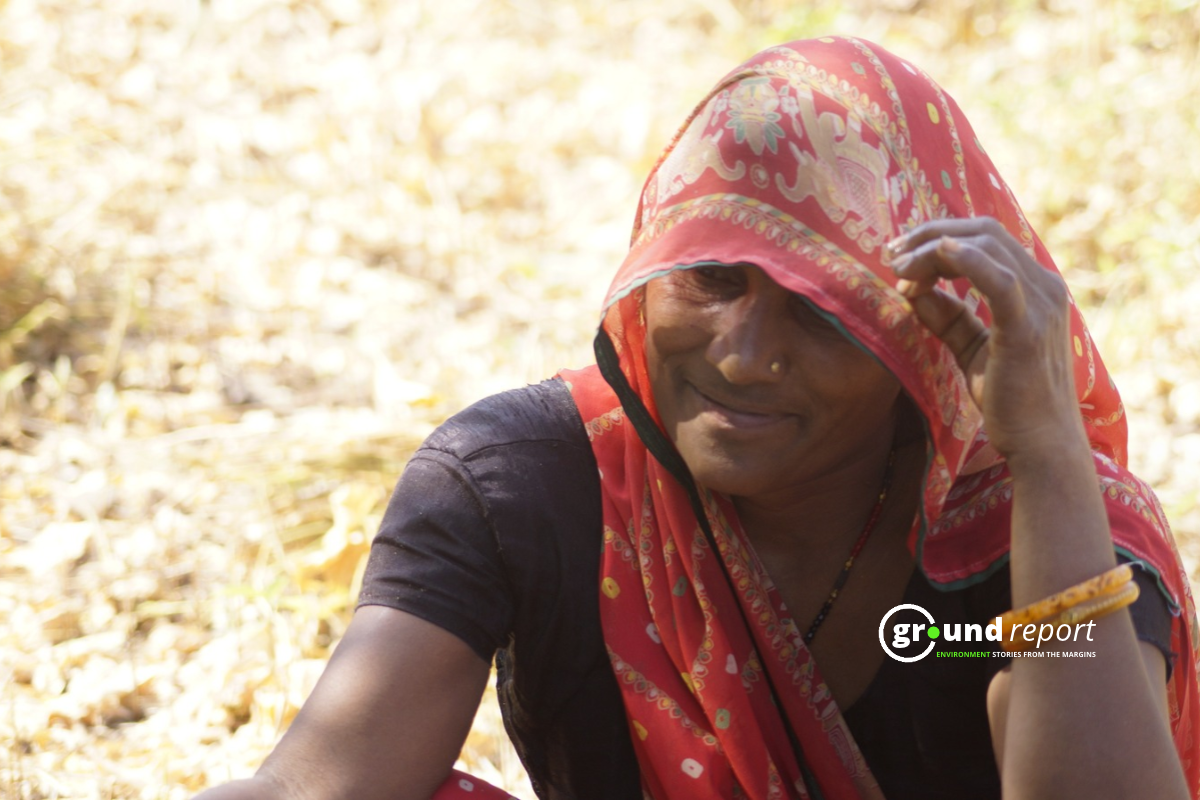


Priya is 35, raising her seven-year-old on her own, earning ₹10 lakh a year. A colleague told her last week that a crore is plenty. Priya nodded politely, then lay awake doing sums in her head. A good thing to lose sleep over, because in a one-parent home there’s no second pay cheque waiting in the wings. A crore sounds comfortable. Whether it is depends on what your child would need, and for how long.
Why Single Mothers Face a Different Sum
In a two-income home, one salary can often soak up the loss of the other, at least for a while. If you’re the only earner and the only parent, everything goes at once: the income, the school run, the person who knows where every bill lives. No cushion. Single mothers are also told, kindly, that “the family will help”. Sometimes it will. Plan as if it can’t, and be pleasantly surprised if it does.
So your cover has to work harder. It needs to replace your pay and also cover the years of raising your child that would otherwise have been yours.
How Does Pure Protection Work Here?
A term plan pays a fixed sum to your nominee if you die during the policy period. There’s no maturity payout in the basic version, which is why premiums stay low next to savings-style policies. On one salary, that matters. You can buy a big cover without wrecking a budget already stretched by fees and groceries. Premiums depend on age, health and smoking. A healthy non-smoker in her thirties gets the best deal going, so there’s no prize for waiting.
Now the term. Your son is seven. Cover that stops when he’s 18 is no use if he’s still at university at 22, so think 60, not “whenever the home loan ends”.
Running the Numbers for Priya
Test that crore. Say the household spends ₹6 lakh a year. Support her son until about 24 and that’s 17 years, or roughly ₹1.02 crore in living costs alone. (And ₹6 lakh is today’s price; every year in that stretch costs more than the last.) Add ₹40 lakh for his higher education and ₹30 lakh left on the home loan. Total: ₹1.72 crore. Take off ₹20 lakh of savings and she’s a little short already.
So a ₹1 crore life insurance cover would leave Priya’s family around ₹50 lakh light, and inflation would make it worse. The usual rule of ten to fifteen times annual income points the same way: ₹1 crore to ₹1.5 crore for her pay. None of this says a crore is bad. It says your own figure may land somewhere else, so work it out. (Yes, the arithmetic is boring. It’s also the bit that matters.)
What If Your Parents Rely on You Too?
Plenty of single mothers support ageing parents as well. Add their monthly costs to the sum, and ask where they’d live if you were gone. A parent’s hospital bills can be the biggest surprise in the budget, so a separate health plan for them earns its premium.
Lump Sum or Monthly Income?
Some plans pay everything at once, some as monthly income, some as a mix. With a young child, a mix tends to suit: some in a lump for fees and the loan, some trickling in monthly the way a salary would. Ask the insurer how the monthly option works, since some pay for a fixed number of years only.
Beyond the Policy Itself
Cover is one piece. Health insurance matters as much; one hospital stay could drain the savings meant for your child. A critical illness add-on can help too, since a diagnosis may end your earning life even while you’re alive.
Then comes the bit nobody likes: paperwork. Put a guardian for your son in your will. Pick a nominee who’s careful with money, because a minor can’t simply be handed a large sum. Who minds it till he’s grown? Some mothers set up a trust; a lawyer can sketch the options, and an afternoon with one pays for itself.
Keep an emergency fund as well: three to six months of expenses, somewhere you can reach quickly. A policy pays out after death. It does nothing if you’re laid off in March.
Keeping the Cover Honest
Dig the policy out every few years. Pay rise, new loan, second baby, move to a dearer city: any of them can change the number. A few plans allow extra cover at big milestones with no fresh medicals; worth asking. Be truthful on the proposal form. Every line. If a claim is questioned, that form gets read first, and your son’s future shouldn’t hinge on a technicality. And tell somebody the policy exists. Nobody can claim on a policy they don’t know about.
Final Thoughts
A crore can be a solid foundation for a single mother. It isn’t a magic number, though. It might be generous for someone with a small family, modest tastes and savings behind her, and it might fall far short for someone with a big loan or a child heading towards an expensive degree.
The sensible way is to list what your child would need, add your debts, subtract what you already hold, and buy the gap, with a bit extra for inflation. Pair it with health cover, a will and a named guardian. Do it while you’re healthy and premiums are low. You’re already doing the hardest job going. This is one sensible step to make it safer.
Ground Report. No journalist is involved in creating branded material and it does not imply any endorsement by the editorial team. Ground Report Digital LLP. takes no responsibility for the content that appears in branded articles and the consequences thereof, directly, indirectly or in any manner. Viewer discretion is advised.
Support us to keep independent environmental journalism alive in India.
Stay connected with Ground Report for underreported environmental stories.