
How to compare cash rates and fees
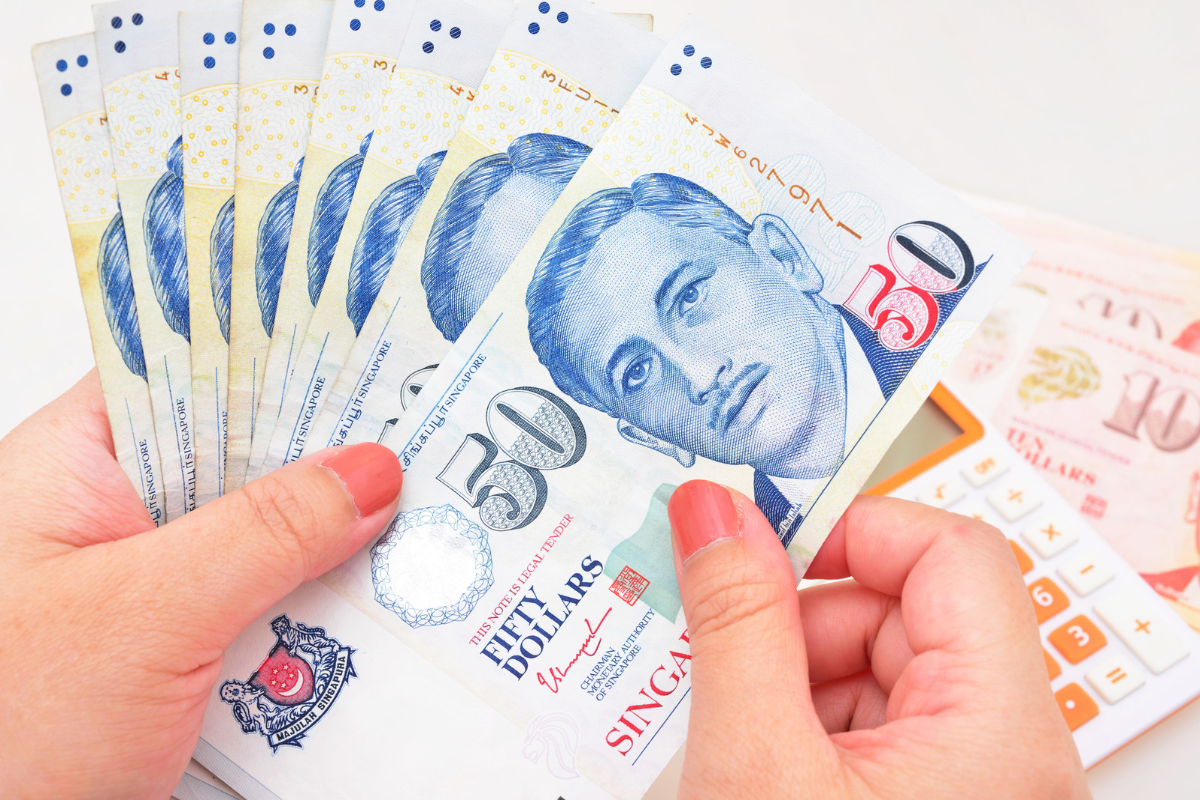
A Singapore trip usually starts with bookings in rupees, but the cash in your wallet needs a separate calculation. Two counters can quote different prices for the same Singapore dollars, and a favourable-looking rate can change once charges are added. The useful comparison is straightforward: how many rupees will leave your account, and how many SGD notes will you receive?
Start with the cash part of your Singapore budget
Separate planned cash spending from expenses already paid or likely to go on a card. Your hotel booking, attraction tickets and restaurant budget do not all need to sit in the same cash envelope.
For a family trip, discuss who will carry cash and pay for shared purchases. This avoids two people each buying the full household cash budget. For a work trip, check which expenses need receipts for reimbursement before choosing your payment method.
Write down the SGD amount you want, your collection deadline and the denominations you would prefer. Treat an amount such as SGD 500 as a comparison basket, rather than a recommended budget for every visitor. A weekend and a fortnight need different spending plans.
Read SGD and INR in the right direction
A quote of “1 SGD = INR 64” means each Singapore dollar costs 64 rupees before any separately charged amounts. At that hypothetical rate, SGD 500 costs INR 32,000.
The inverse quote is “1 INR = SGD 0.015625”. When comparing prices in rupees per SGD, a lower number favours the buyer. When comparing SGD received per rupee, a higher number favours the buyer. Mixing the two formats can make the more expensive quote look attractive.
Buy and sell labels need equal care. From an exchanger’s perspective, its selling rate applies when it sells SGD notes to you; its buying rate applies when it buys your leftover notes. Some websites instead use “customer buy”. Confirm the direction in a complete sentence: “I pay INR and receive SGD cash.”
Compare cash with cash
A headline currency conversion is not automatically a price for banknotes. A market reference rate, a forex card loading rate and an overseas bank transfer quote describe different transactions. A credit card’s eventual rupee debit also depends on its own conversion and charging terms.
For this purchase, ask specifically for Singapore dollar notes. Use the same payment method, delivery location and foreign-currency amount when requesting competing quotes. Otherwise, a difference could come from the service being priced.
A table of Singapore dollar cash rates can help identify indicative, dated quotes to investigate. Check the product, timestamp and stated location, then request a final quote from the provider. A comparison table alone does not reserve notes or establish your payable total.
Price the same order including charges
Consider two invented quotes for SGD 500. These numbers demonstrate the calculation; they are not current market rates.
Provider A quotes INR 64 per SGD, giving a currency cost of INR 32,000. Its complete additional charges are INR 200, so you pay INR 32,200.
Provider B quotes INR 64.60 per SGD and confirms no additional charges for this hypothetical order. You pay INR 32,300.
Provider A is cheaper by INR 100, despite charging a separate fee. Its effective cost is INR 64.40 per SGD, compared with INR 64.60 at Provider B.
Ask for the final invoice total, including any applicable taxes, payment charges, service charges and delivery cost. Do not add a fee twice if it is already included. Equally, “zero commission” does not tell you whether the currency rate itself is competitive.
If you are spending a fixed rupee budget instead, reverse the comparison: ask how many SGD notes you will receive after every deduction.
Confirm when the rate becomes binding
A rate displayed when you browse may differ from the price available when your order is completed. Ask what fixes the rate: placing the request, paying a deposit, making full payment or completing document checks. Get the validity period in writing.
Confirm SGD availability, the proposed collection or delivery time and what happens if the requested notes cannot be supplied. Allow time to resolve missing documents or a changed collection arrangement before departure.
A directory of currency exchange providers in India can provide a starting list for enquiries. Confirm which providers serve your address and have SGD stock, alongside their cancellation and refund terms, before paying.
Check the notes and keep the paperwork
Ask for a practical mix of denominations rather than leaving the entire order unspecified. Smaller notes can make modest purchases easier to manage; the exact mix depends on available stock. Confirm any denomination request before collection, especially if it matters to your first day’s plans.
At handover, count the SGD amount and compare it with the invoice. Check the currency, denominations and condition of the notes, and resolve discrepancies while you are still at the counter. Keep the invoice and payment confirmation together, with the agreed rate and charges visible.
Plan for unused cash too. Ask how the provider would price a later sale of SGD, whether separate charges apply and what paperwork it requires. The rate for buying notes back need not match your original purchase rate. Buying far more cash than you expect to use can therefore create an avoidable second conversion.
Ground Report. No journalist is involved in creating branded material and it does not imply any endorsement by the editorial team. Ground Report Digital LLP. takes no responsibility for the content that appears in branded articles and the consequences thereof, directly, indirectly or in any manner. Viewer discretion is advised.
Support us to keep independent environmental journalism alive in India.
Stay connected with Ground Report for underreported environmental stories.