
A shopkeeper in a district town once lost a full working day buying a medical policy. A bus to the branch. A queue. A form filled twice. Then a second visit, a week later, to collect the papers.
Now the same purchase fits between two customers at the counter, on a phone. Small change. Yet who gets insured? That has shifted. Greatly.
What Has Changed for Buyers Outside the Metros?
Distance used to decide everything. Nashik. Raipur. Guwahati. Coimbatore. One branch, perhaps, near the bus stand. An agent on a visit now and then.
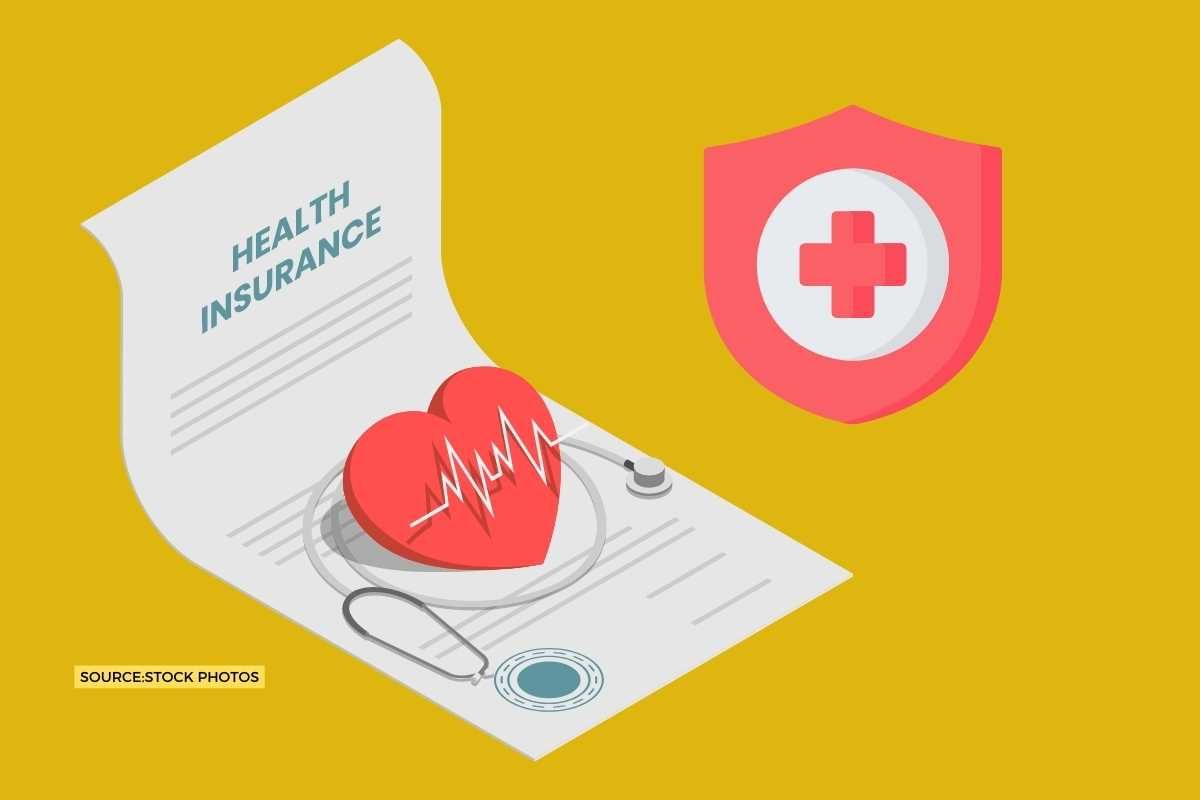
Online platforms took away much of that gap. Sofa, phone, a cup of tea: health insurance plans appear side by side. Take your time with the benefits page. Buy before the tea cools. No bus. No appointment. No salesperson hovering across a desk.
Choice improved too. A buyer in a small town now sees what a buyer in Mumbai sees. Same screen. Same benefits table.
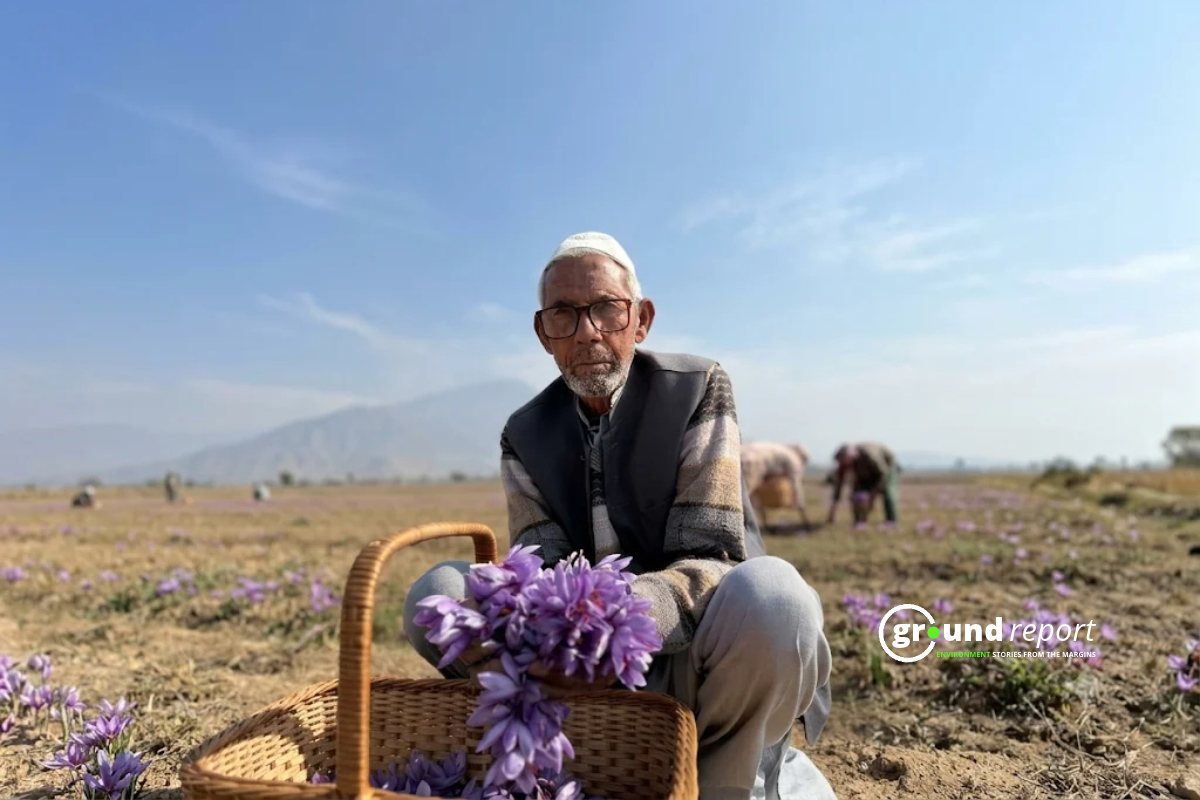
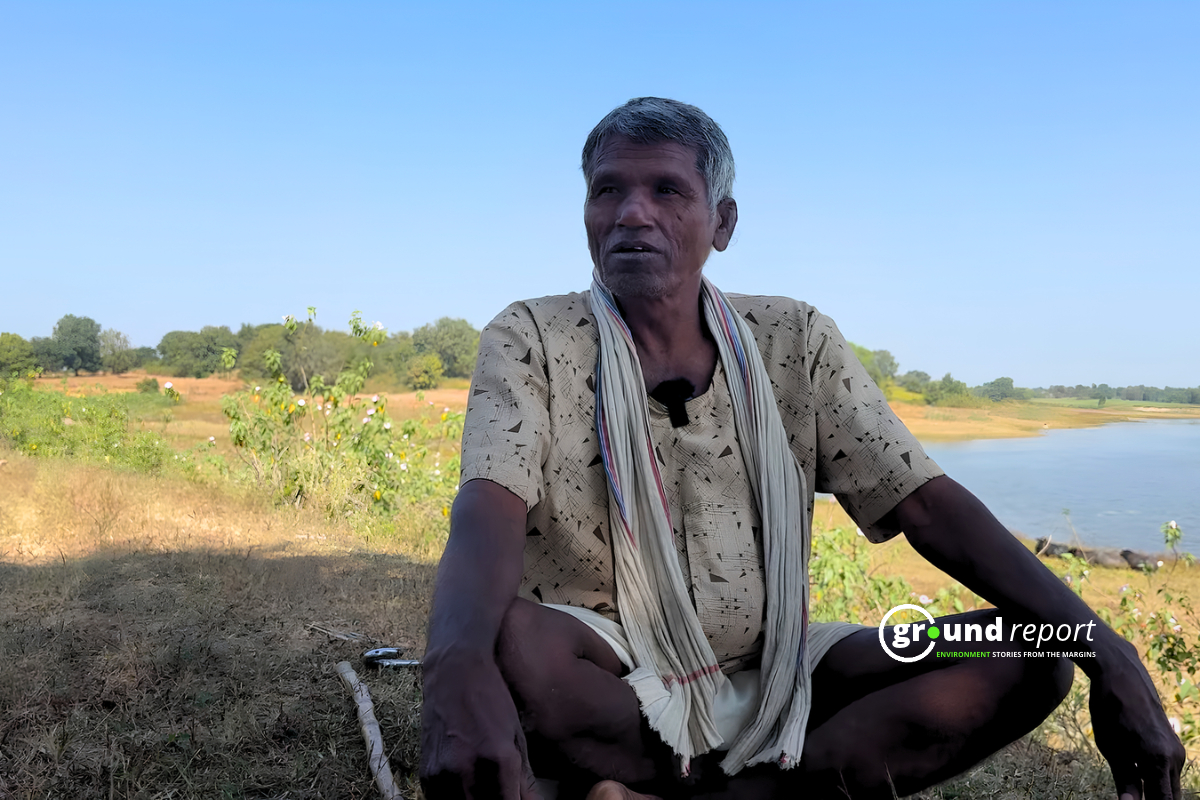
A farming family near a district town earns by the harvest. Not by the month. Paying online, they pay the day the cash arrives. The branch’s opening hours stop mattering.
How Do Regional Languages Help?
English-only forms kept many families away. A policy is hard enough in your own language.
Madurai. A grandmother, and a question. Does the policy pay for cataract surgery? She asks in Tamil. The answer comes back in Tamil. Hindi. Tamil. Telugu. Marathi. Bengali. Apps and web pages now speak them all, and more. Voice support helps. So does WhatsApp chat.
Understanding first. Trust second. Terms in your own language mean fewer shocks at claim time.
Can the Paperwork Really Go Paperless?
Mostly. Electronic KYC verifies identity without a pile of photocopies. The proposal form is filled on screen. The policy lands in your inbox, and IRDAI rules treat electronic policies as valid.
Claims travel the same road. A hospital bill, snapped under a corridor tube light in Nanded. Uploaded before the patient is wheeled back to the ward. That is a claim begun. Some insurers message you at each stage after that, so there is no need to ring a branch and ask what happened.
One caution. Guard those digital copies. One folder on your phone. One with a relative.
Is Paying and Renewing Easier Now?
Far easier. Eleven at night, Bareilly. A mobile shop owner pays by UPI. The receipt lands before the shutter is down. Cards, net banking: same story. Renewal date coming? First, a reminder. For the forgetful: auto-renewal.
It matters more than it sounds. Miss a renewal and continuity of cover may break. In a small town, a forgotten payment once meant another bus ride. A lapse could cost the waiting periods already served.
Still, set that reminder. The tool helps. The habit remains yours.
What About Hospitals and Doctors in Smaller Cities?
The picture is mixed here. Cashless treatment needs a network. Outside the big cities the list of hospitals gets short. Is the hospital down your road on the list? Ask before you buy. The nearest metro’s list does not count.
Other help comes digitally. On a screen, the specialist. Via tele-consultation. The long drive disappears. Reports travel online. So do prescriptions. A few platforms link to digital health records. Your history leaves the drawer.
Phone the insurer’s helpline, or the hospital’s insurance desk. Ask whether cashless claims are accepted there under your plan. Two minutes on the phone. No quarrel at the admission counter later. Cashless approvals have gone online as well. The queue at the hospital desk gets shorter.
How Can Senior Citizens Benefit?
Older relatives often need cover most. They also find apps hardest. The family plays a part here.
Sunday evening. A daughter in Pune compares plans for her father in Kolhapur. Next comes the purchase: senior citizen health insurance, in his name, paid by her. A medical test follows, booked at a centre close to his house. Does he prefer a human voice? Telephone customer care answers.
Another point. Since April 2024 there is no upper age limit for buying health cover under IRDAI rules. Digital platforms make that change easier to use.
What Challenges Remain?
Connectivity? Patchy. A signal can die in a hospital lift at the worst moment and stall an upload. Digital literacy varies, and older users may need patient help. Some worry that one mistaken tap will cost them money. Patience from the family helps more than any tutorial.
Fraud worries more. Fake calls and links ask for OTPs or payment. An OTP is for you. Never for a caller. Buy from the insurer’s official website or app. Or from a registered intermediary. Unsure? Check the IRDAI registration.
The door opens with technology. The policy still needs your reading.
Access Is Only the Beginning
Digital platforms brought choice. Convenience. Language support. Towns that once waited for a branch to open now have all three. Buying. Paying. Renewing. Claiming. All inside a phone. Real progress, plainly.
Yet access is not understanding. Read three things before paying. The benefits table. The exclusions. The waiting periods. Hospital network near home? Check it. Documents in two places, at least.
Help parents and relatives do likewise. Smaller cities will keep growing as insurance markets, and the platforms serving them will improve. The buyer’s job stays the same. Read. Ask. Compare. Keep records. Confident buyers choose better than hurried ones. In any town.
Ground Report. No journalist is involved in creating branded material and it does not imply any endorsement by the editorial team. Ground Report Digital LLP. takes no responsibility for the content that appears in branded articles and the consequences thereof, directly, indirectly or in any manner. Viewer discretion is advised.
Support us to keep independent environmental journalism alive in India.
Stay connected with Ground Report for underreported environmental stories.