
The National Green Tribunal (NGT) has sought replies from the Railways and other authorities in a case over alleged non-compliance with pollution control directions at the Kachpura railway goods shed in Jabalpur, Madhya Pradesh.
The tribunal’s Central Zone Bench in Bhopal, in its 30 October 2026 order, directed the remaining respondents to file their replies within three weeks. It listed the matter for 8 January 2027.
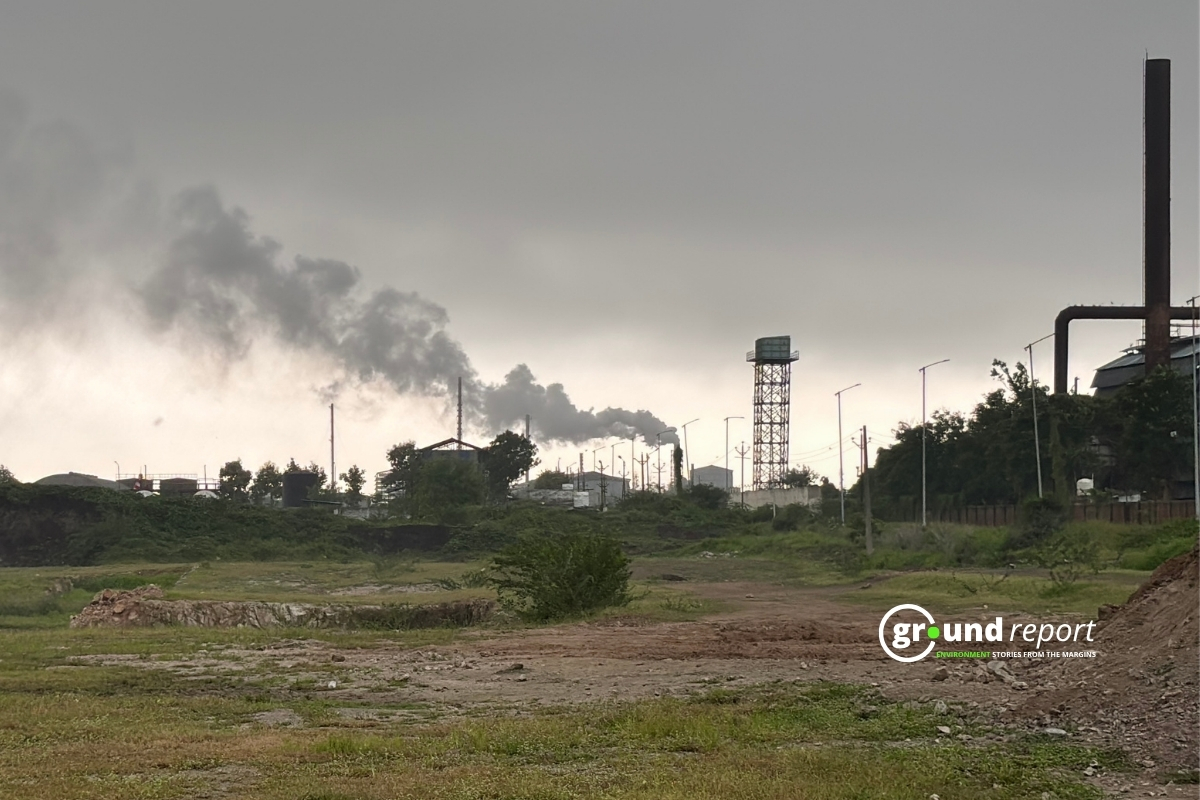
The proceedings concern allegations that loading and unloading of cement, coal, fertilisers and iron ore at the goods shed continues to generate dust, affecting nearby residential areas.
The case is Execution Application No. 08/2026 (CZ) in Original Application No. 39/2025 (CZ), filed by Dr P.G. Najpandey and another applicant against the Union of India and others.
What did the NGT direct in 2025?
The dispute began with a petition seeking action against air pollution from the Kachpura railway goods shed, located near residential colonies, a school and Gullowa Talab.
On 7 April 2025, the NGT directed the Madhya Pradesh Pollution Control Board to monitor ambient air quality around the goods shed periodically. It also asked the Railways to follow the Central Pollution Control Board’s guidelines for managing pollution at railway sidings.
The guidelines include measures such as covered storage, water sprinkling, paved roads, wind barriers and green belts to control dust emissions.
The tribunal said authorities must take remedial action if air quality falls below prescribed standards. It also called for a scientific assessment of pollution from the railway siding.
The tribunal did not order the closure of the goods shed. It said loading and unloading could continue if air quality remained within prescribed limits and the increase in pollution was not solely attributable to the railway siding.
Residents allege continued pollution
The applicants later approached the tribunal, alleging that the authorities had failed to comply with its directions.
According to a 19 May 2026 report by Bhaskar Hindi, the petitioners claimed that dust pollution continued to affect nearly 50,000 residents living around the goods shed.
They also alleged that pollution control measures recommended for railway sidings had not been properly enforced.
The applicants have sought action against the authorities for failing to address the pollution despite the tribunal’s earlier directions.
What happens next?
In its 30 October order, the NGT recorded that the Madhya Pradesh Pollution Control Board’s counsel had informed it that respondent No. 4 had filed its reply. The remaining respondents were given three weeks to submit their responses.
The order does not record fresh AQI findings or determine whether the authorities violated the earlier directions.
The tribunal will take up the matter again on 8 January 2027, when it can examine the responses from the respondents.
Support Us To Sustain Independent Environmental Journalism In India.
More Ground Reports
Madhya Pradesh’s e-Vikas 2.0 Fertiliser System: Why Are Farmers Still Queuing?
Smart Meter Consumers May Save on Electricity Bills With Time-of-Day Tariffs