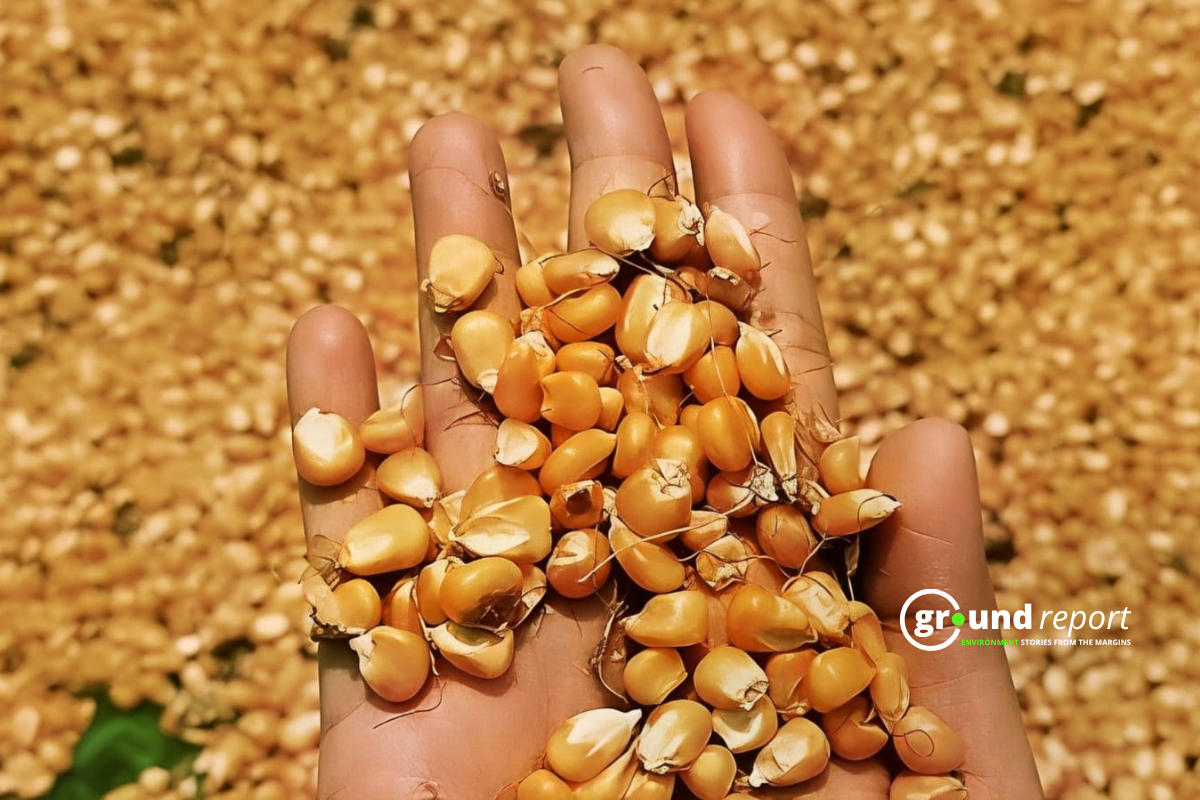
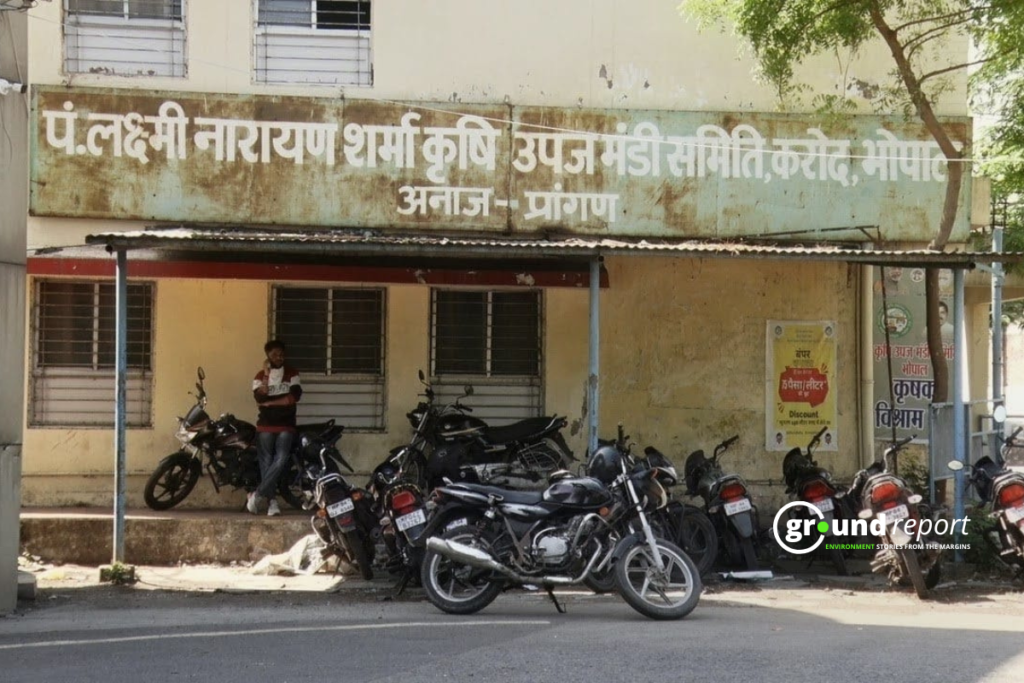
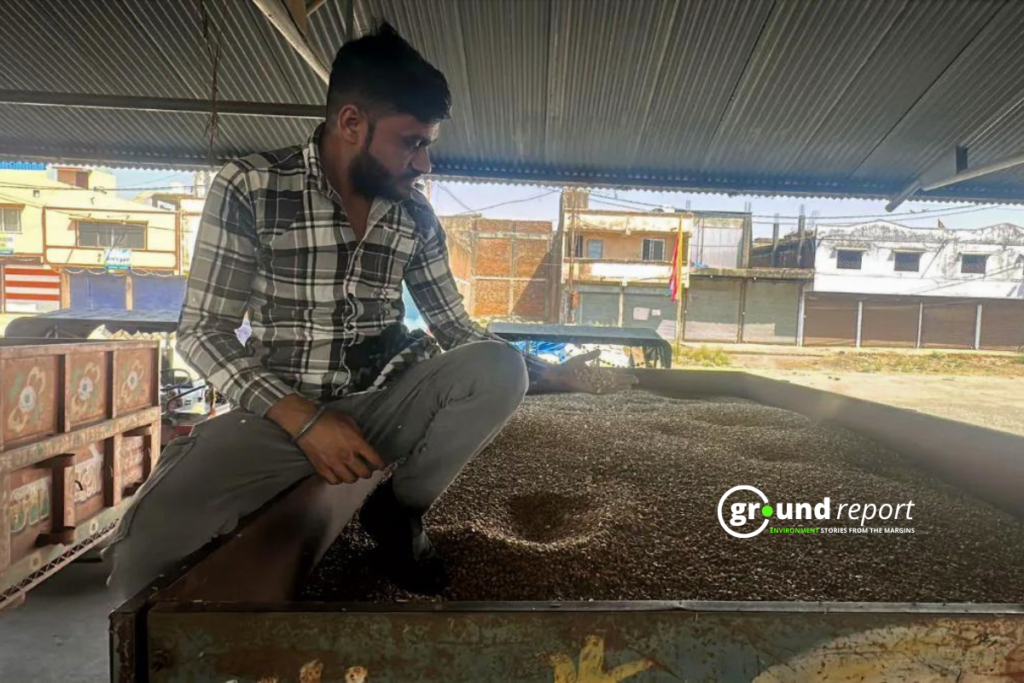
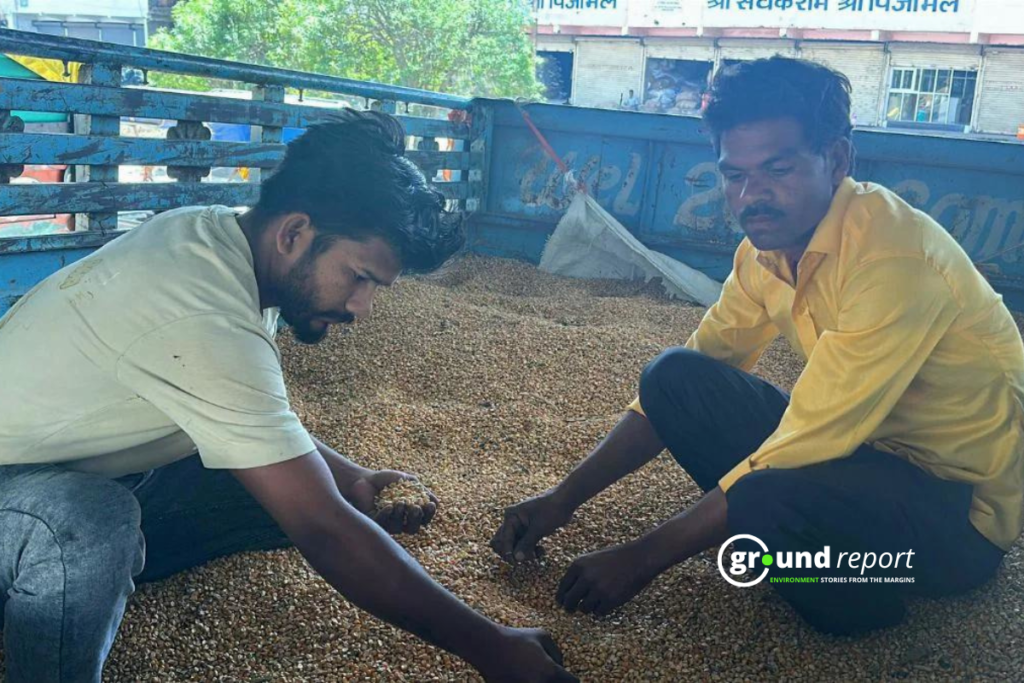
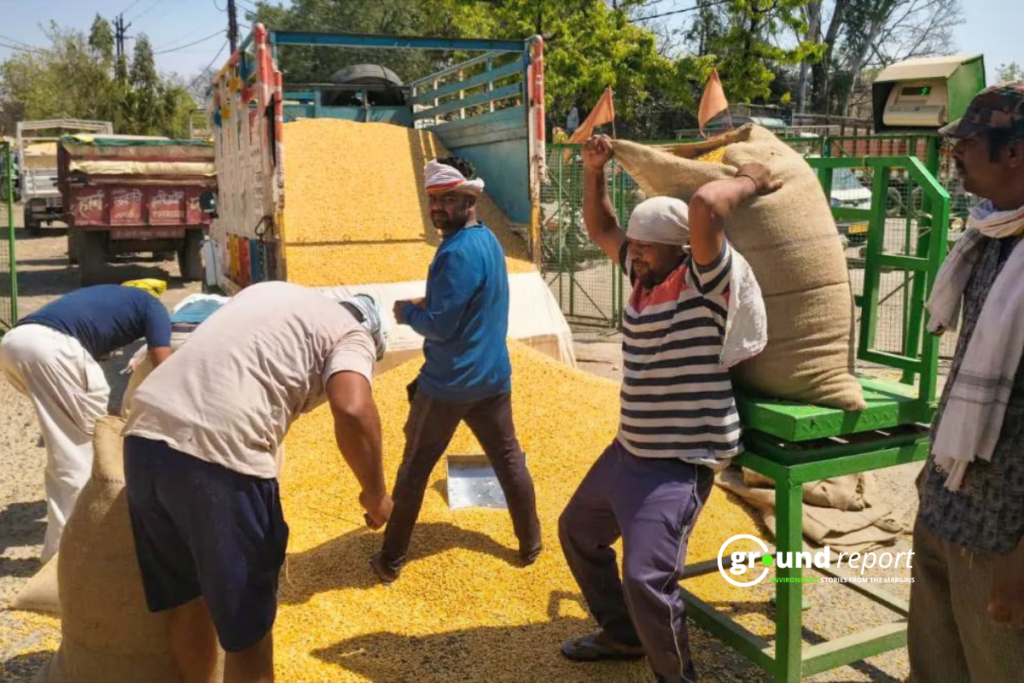
The afternoon sun bore down hard in Bhopal’s Karond agricultural market. The temperature hovered near 42 degrees Celsius. Farmers waited their turn amid tractor-trailers loaded with maize. In one corner of the market, Shubham Malviya kept glancing back at his produce. He had brought a three-acre harvest to sell, but his face showed no joy at a good yield.
“The government says farmers will become energy providers, not just food providers,” Shubham said sarcastically. “But first, let our households run.”
This year, Malviya spent roughly 50,000 to 60,000 rupees on his maize crop. The rising costs of seeds, fertilizer, irrigation, labour, and diesel steadily pushed up his expenses. At the market, he got no more than 1,400-1,500 rupees per quintal. Even though the government had declared a minimum support price (MSP) of 2,410 rupees per quintal.
India has rapidly expanded ethanol blending in petrol over recent years. Under the National Biofuel Policy, the target for 20 percent ethanol blending in petrol was originally set for 2030. In 2022, the government revised this target to 2025-26. The central government argued this would reduce dependence on crude oil imports, save foreign exchange, and create new market demand for farmers.
After sugarcane, maize gained recognition as a major feedstock for ethanol production. Since April 2026, E20 petrol sales have been mandatory nationwide.
These policy signals reached the fields. Farmers across Madhya Pradesh expanded maize cultivation on a large scale.
According to official figures, the state’s maize production reached roughly 6.64 million tons—about 15.3 percent of the country’s total output. More than 1.5 million farmers in the state depend directly or indirectly on this crop. Yet farmers standing in the market kept asking, if maize is becoming the foundation of the nation’s energy security, why are its prices falling?
Production Rose, But Not Prices
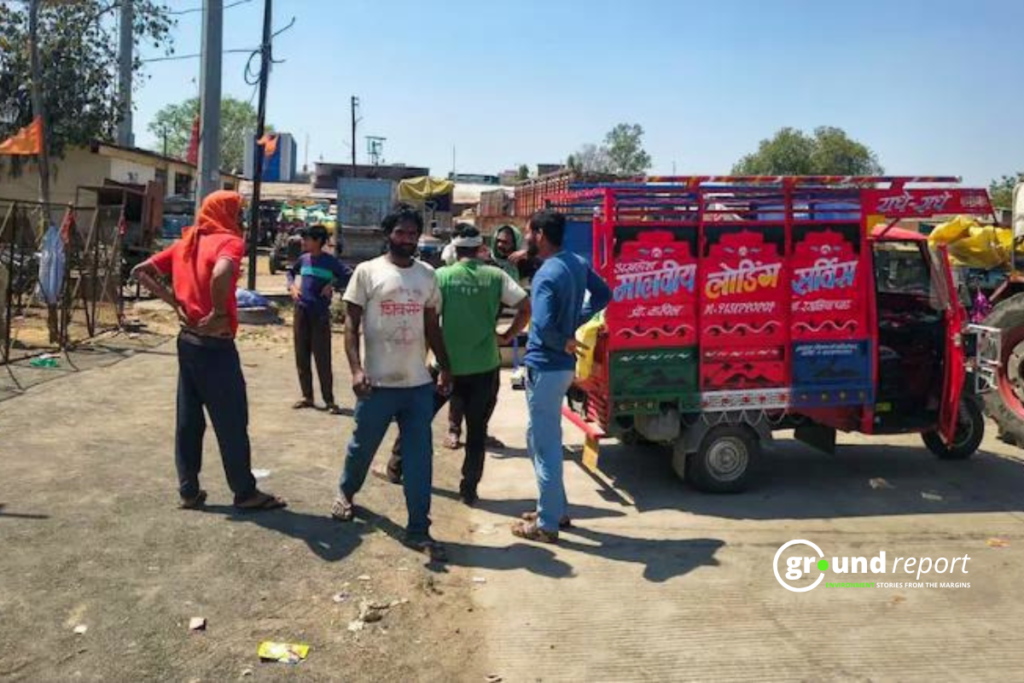
Abhishek Maran had sown maize on 10 acres this year. Waiting for auction with his 30-35 quintal harvest, Maran said, “Today, petrol, diesel, fertilizer, seeds, and labor have all become expensive. Despite all this, maize sells for only 1,400 to 1,500 rupees per quintal. At this rate, we can barely recover our farming costs.”
Despite rising cultivation costs, the government raised maize’s MSP for Kharif 2026-27 by just 10 rupees, from 2,400 to 2,410 rupees.
Harsh Nagar, a farmer from the neighboring Sehore district who came to Karond market, said, “For several years now, the government has been announcing an MSP for maize, but purchases at the government rate never actually happen.”
Government data backs up what farmers are saying.
According to the Commission for Agricultural Costs and Prices (CACP), the production cost of maize for Kharif 2026-27 was estimated at 1,544 rupees per quintal.
The ethanol industry grew, but why didn’t maize demand?
Madhya Pradesh’s ethanol industry expanded rapidly.
According to National Single Window System (NSWS) data, the state’s total installed ethanol capacity reached 1.041 billion liters, of which 943.8 million liters came from grain-based ethanol plants. Despite this expansion, why didn’t maize prices in the market rise?
The answer lies hidden in the central government’s feedstock policy. The Department of Food and Public Distribution (DFPD) lifted its restriction on rice supply to distilleries. The reasoning was that Food Corporation of India (FCI) warehouses held their largest rice stockpile in 20 years, about 36.9 million tonnes. To offload this stock, guidelines issued in May 2025 and May 2026 allowed 5.2 million metric tons of rice to be sold to ethanol factories at a subsidized rate of 2,320 rupees per quintal.
Alongside this, oil marketing companies (OMCs) made it mandatory for ethanol-producing factories to derive 40 percent of their ethanol from FCI rice. This is where maize’s market strength began to weaken. Rice also proved more profitable than maize for distilleries. One tonne of rice yields 450 litres of ethanol, while one tonne of maize yields roughly 380 litres.
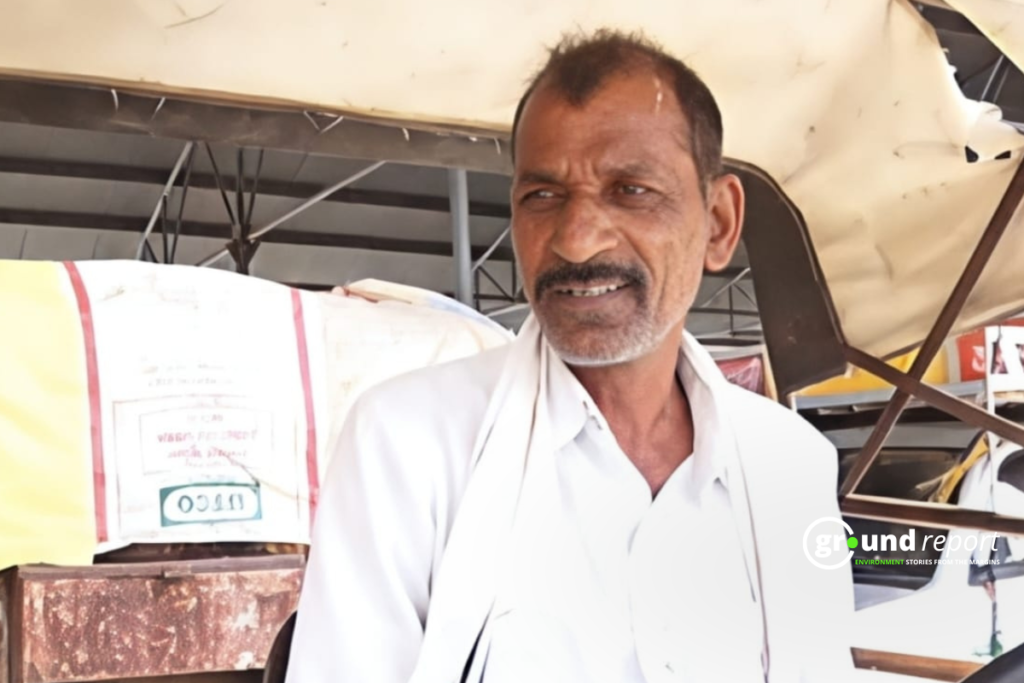
Shivkumar Sharma, known as Kakkaji, a senior farmer leader and president of the National Farmers Federation, called this a direct betrayal of farmers. “When cheap government rice is available, industry’s need to buy maize decreases,” he said. “The result is that demand for maize in the open market has fallen, and market prices have dropped.”
Congress leader Kedar Sirohi blamed the failure of the government procurement system for maize’s falling prices. “The government sets an MSP for maize every year but doesn’t actually procure it,” he said. “It just fixes a rate and escapes its responsibility.”
Ethanol Plants and the Deepening Water Crisis
Beyond the debate over profit and loss lies another serious picture directly tied to the environment.
According to scientific estimates, producing one liter of ethanol consumes roughly 10,000 liters of water, directly and indirectly. In Borgaon, in Madhya Pradesh’s Chhindwara district, AVJ Agrico Private Limited operates a grain-based ethanol plant with a capacity of 350 KLPD. According to the project report, this plant requires 1,750 metric tonnes—approximately 1.75 million liters—of fresh water every day.
Environmental activist Subhash C. Pandey said, “When many blocks in the state are already grappling with a groundwater crisis, the massive water demand of these huge ethanol plants is deepening that crisis further.”
This concern shows up in the data too.
According to the Dynamic Groundwater Resources Assessment 2025, presented in the Lok Sabha in January 2026, 26 of Madhya Pradesh’s 317 blocks (8.20 percent) are over-exploited. Six blocks fall in the critical category, and 64 blocks fall in the semi-critical category. In other words, groundwater has fallen to dangerous levels across 30 percent of the state.
Industrial pollution has also emerged as a problem. In Madhya Pradesh’s Balaghat district, toxic wastewater from an ethanol plant in Basi panchayat has destroyed farmers’ crops, and a severe stench has affected residents’ lives. In neighboring Chhattisgarh’s Bemetara district, in Pathra village, and in Telangana’s Chittanoor village, similar complaints of pollution and skin diseases from ethanol plants have also surfaced.
Political Indifference
When Union Agriculture Minister Shivraj Singh Chouhan was asked about falling maize prices, he said, “We will discuss this in detail later.” Madhya Pradesh’s Agriculture Minister Edal Singh Kansana denied the crisis altogether, claiming, “Farmers face no problem with any crop. These are just rumors.”
In response, Kedar Sirohi said, “If the minister wants to understand the real situation, he should visit the market and talk to farmers. They aren’t even getting half the MSP.”
In short: while the government meets its national ethanol-blending targets on paper, the benefits do not appear to be reaching Madhya Pradesh’s maize farmers.
Support Us To Sustain Independent Environmental Journalism In India.
More Ground Reports
He Was Married as a Child, Now Manish Dangi Helps Stop It for Others
Despite The Ban, How Gutkha Became MP’s Most Common Household Habit