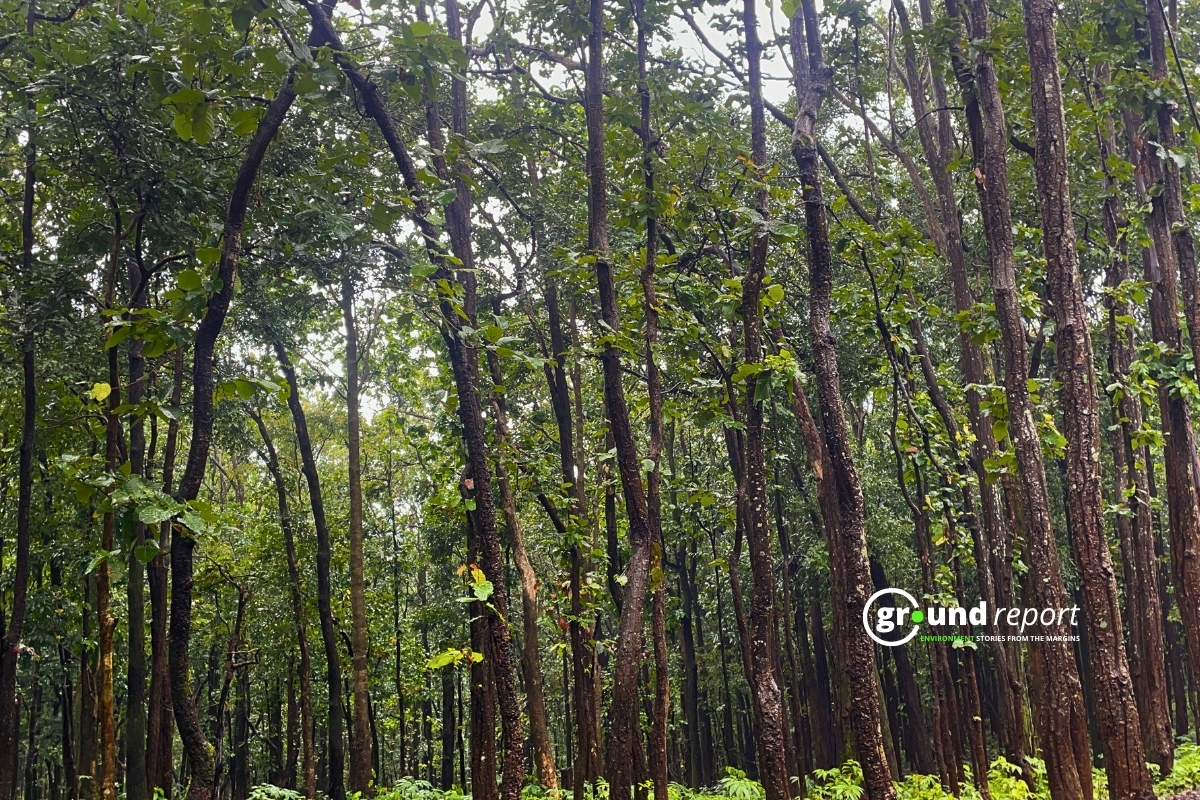


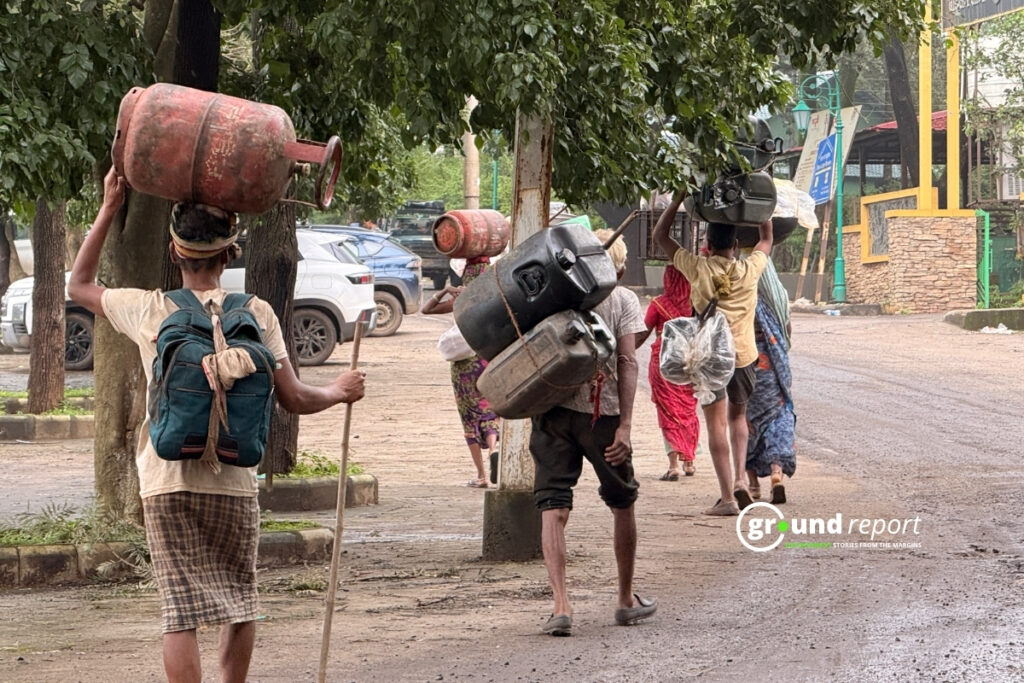
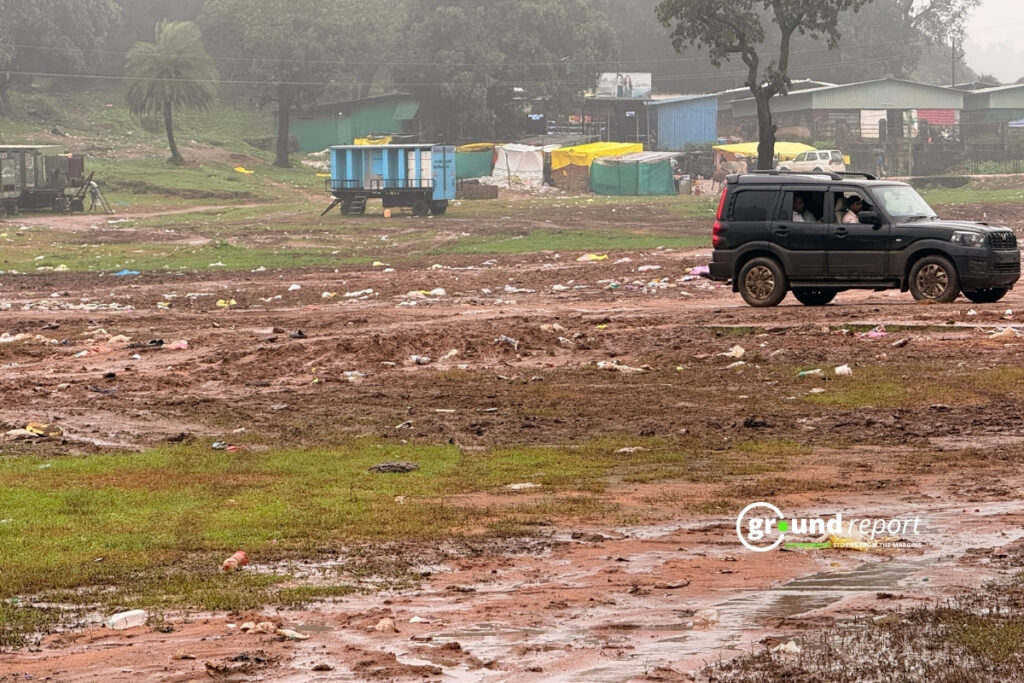
For 10 days in August, thousands of pilgrims trekked through the forests and hills of Pachmarhi to reach Nagdwari, a revered religious site in Madhya Pradesh’s Satpura landscape. When the annual pilgrimage ended, however, parts of the route were left littered with plastic bottles, raincoat pieces, discarded clothes, food plates and other waste.
And the same was the situation in the cantonment town of Pachmarhi.
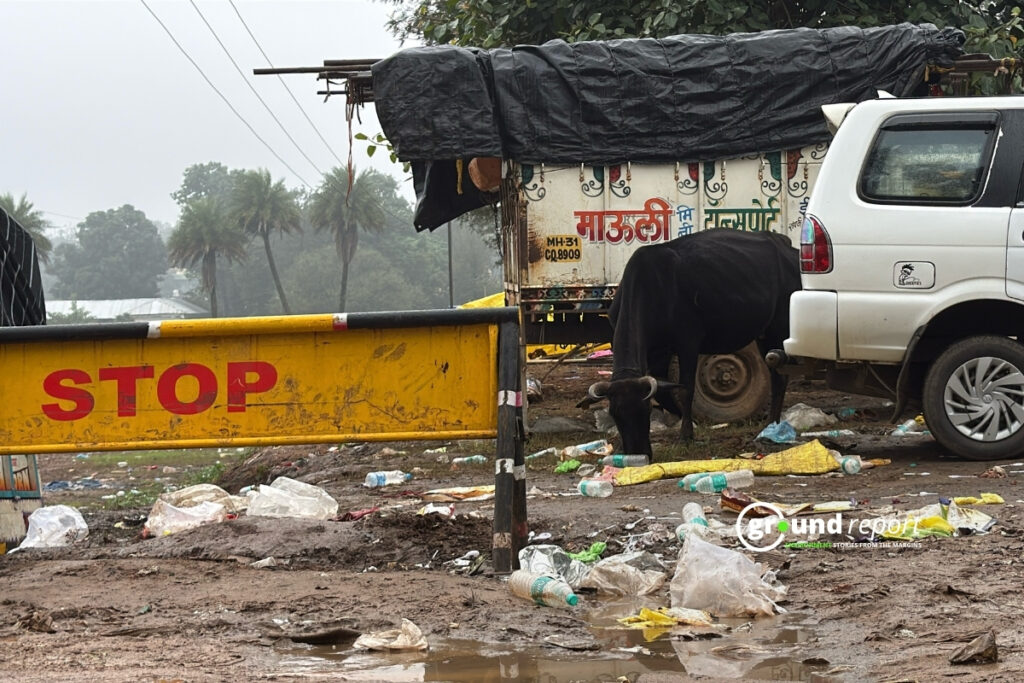
The plastic waste was scattered where the mela was organized, close to the entrance of the city, including large numbers of discarded water bottles. The waste is particularly concerning because the pilgrimage passes through an ecologically sensitive landscape associated with the Satpura Tiger Reserve and Pachmarhi Biosphere Reserve.
The Nagdwari Yatra is held every year during Shravan around Nag Panchami. The Chhindwara district administration describes the journey as a roughly 30-kilometre trek through the Satpura hills, involving waterfalls, rivers and streams. The route from the Pachmarhi side begins at Dhoopgarh and proceeds towards Nagdwari.

Nag Puja has been performed at this site since the 7th century AD. The Chalukya kings and members of the royal family are said to have visited the site to conduct rituals on special occasions.
Nagdwari is a complex of caves with a circumference of about 5 km, and five Devsthan (shrines) are located around the caves. Devotees believe that performing Nag Puja here can help rid them of evils and misfortunes in life.
The Nagdwari Yatra with Mahadeo, Chauragarh is among the most prominent sacred spots in the region, attracting around 6–8 lakh pilgrims annually, with an average of about 7.1 lakh visitors. Together, they account for approximately 2.3% of Madhya Pradesh’s religious tourism.
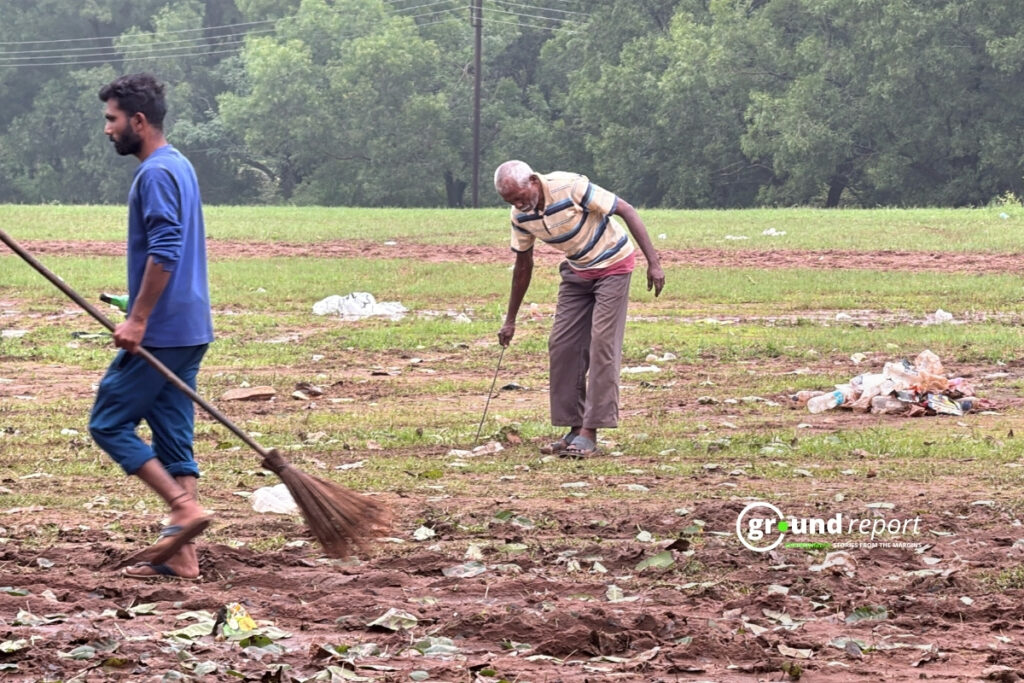
In 2026, the pilgrimage was scheduled from August 8 to 17. Ahead of the event, authorities announced measures intended to make the mela plastic-free, including restrictions on single-use plastic.
Yet, what we saw after the event suggests that plastic waste remained a problem along parts of the route.
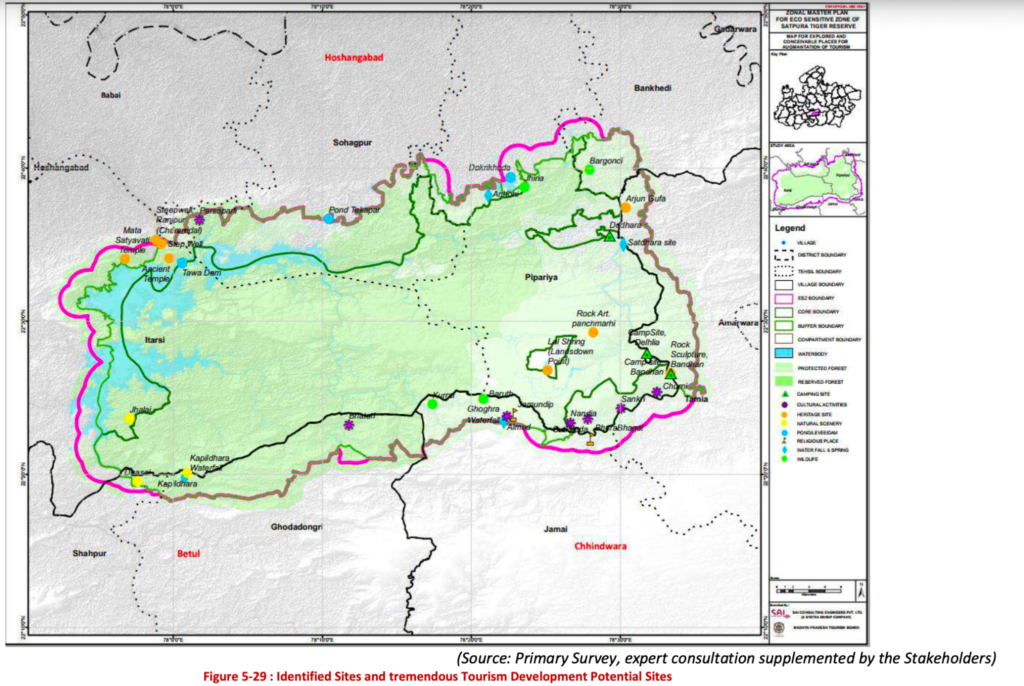
Satpura Tiger Reserve’s core area covers 1,339.26 square kilometres and includes the Satpura National Park, Bori Wildlife Sanctuary and Pachmarhi Wildlife Sanctuary. The reserve is home to diverse wildlife, including tigers and more than 300 bird species.
Plastic discarded in forests can fragment over time into smaller particles. According to the United Nations Environment Programme, plastic waste can accumulate in soil and freshwater, while degraded plastic can release additives and potentially contaminate surrounding soil and water.
Research from Madhya Pradesh has also demonstrated that microplastics are already present in terrestrial environments. A 2024 study of soils from agricultural and recreational areas in Indore detected microplastics, with recreational sites recording substantially higher concentrations than agricultural sites.
For a forest ecosystem, the consequences can extend beyond the soil. Plastic waste can be carried downhill by rainwater into streams and rivers, particularly during the monsoon when the Nagdwari pilgrimage takes place. The official description of the yatra itself notes that pilgrims cross the Denwa River and several smaller streams.
A Madhya Pradesh Forest Department wildlife action plan notes that around 4,000 vehicles enter Pachmarhi during the Nagdwari and Mahadeo melas, while about 400 makeshift shops are set up. Although the melas last around 12 days, the department says their “after-effects continue for a month.”
Its plan specifically calls for regulating and educating pilgrims to minimise environmental impacts and restoring areas after fairs. It also identifies solid-waste management and restrictions on non-biodegradable waste as priorities around Pachmarhi.
One official involved in organising the mela told me that religious pilgrimages do not operate by the same principles as conservation. The two can sometimes appear to be competing interests.
A gathering, in many ways, is an extension of our social lives. But in this case, the implications are more serious because the mela takes place deep inside the Satpura forests, an ecologically sensitive landscape.
In conversations about the mela, its success was often measured by what didn’t happen: no stampede, no deaths in the rush, and no one suffocated in the crowd. But perhaps the success of a mela should also be measured by what it leaves behind.
Support Us To Sustain Independent Environmental Journalism In India.
More Ground Reports
He Was Married as a Child, Now Manish Dangi Helps Stop It for Others
Despite The Ban, How Gutkha Became MP’s Most Common Household Habit
Stay Connected With Ground Report For Underreported
Authors
Support Ground Report to keep independent environmental journalism alive in India
We believe climate change should be the basis of current discourse, and our stories attempt to reflect the same.
Connect With Us
Send your feedback at greport2018@gmail.com
Newsletter
Subscribe our weekly free newsletter on Substack to get tailored content directly to your inbox.
When you pay, you ensure that we are able to produce on-ground underreported environmental stories and keep them free-to-read for those who can’t pay. In exchange, you get exclusive benefits.
Your support amplifies voices too often overlooked, thank you for being part of the movement.