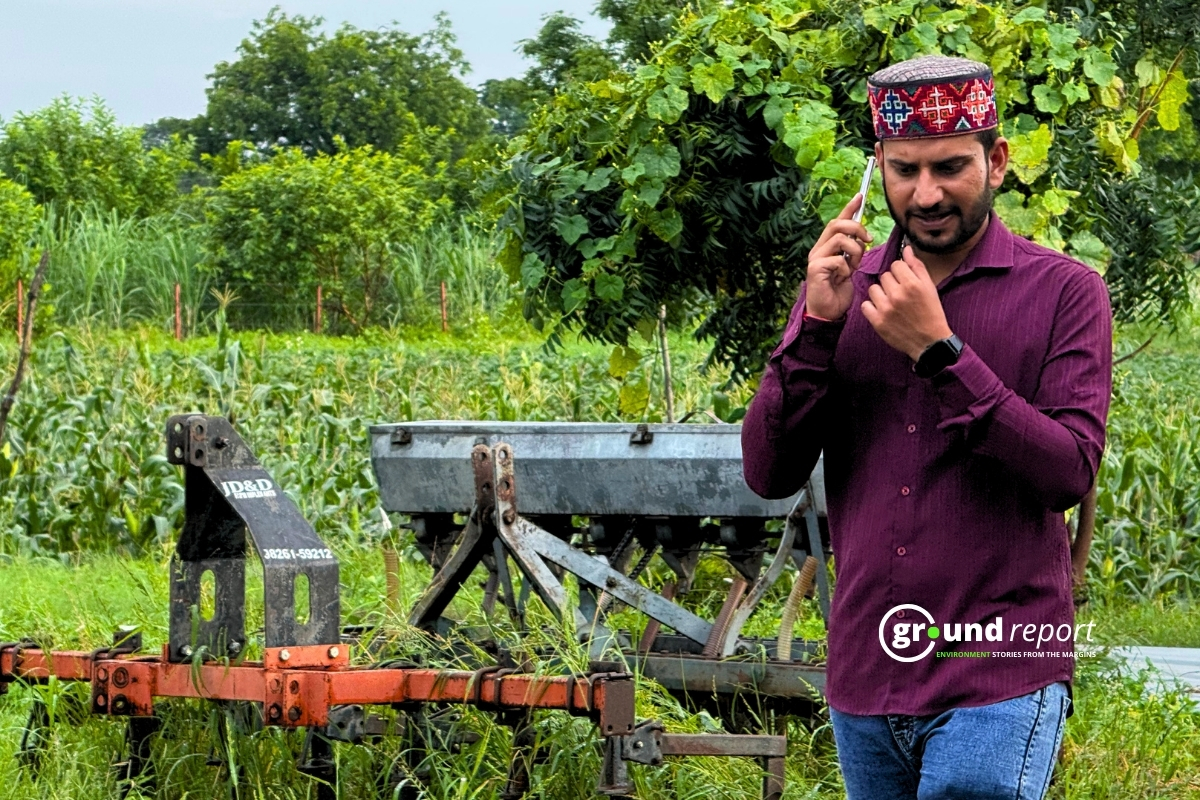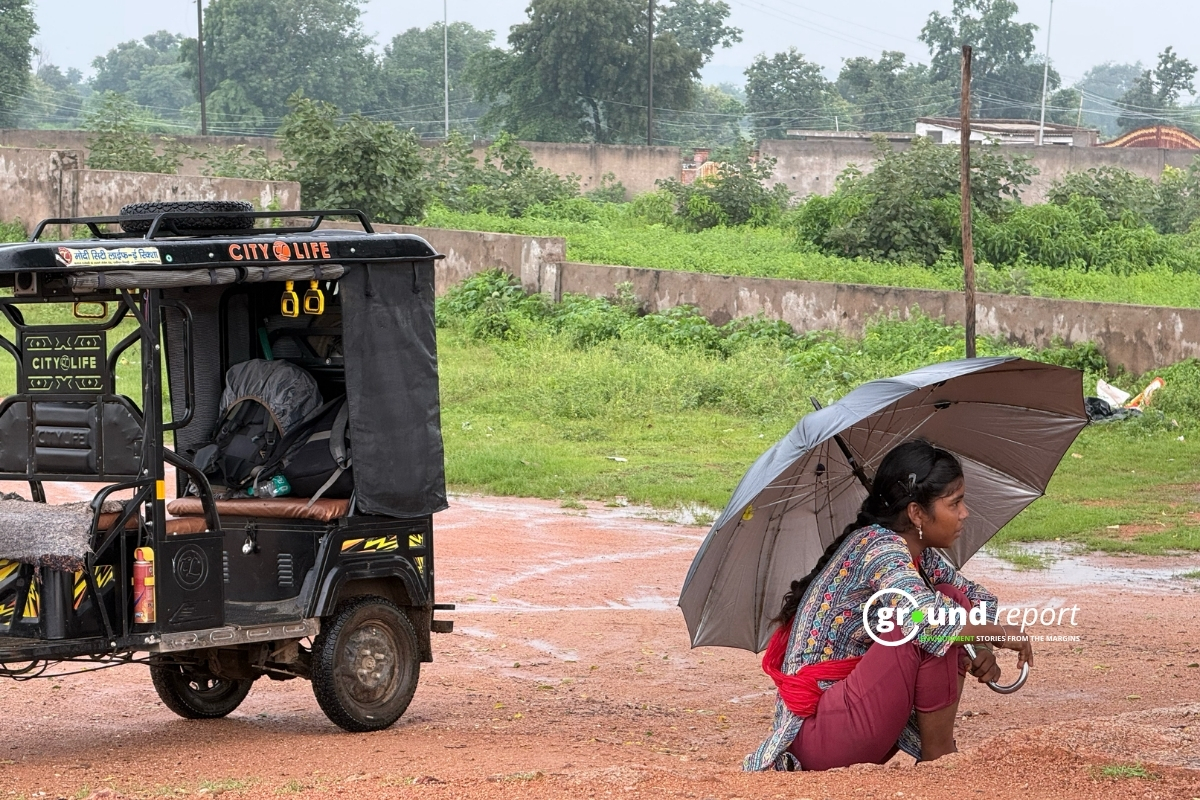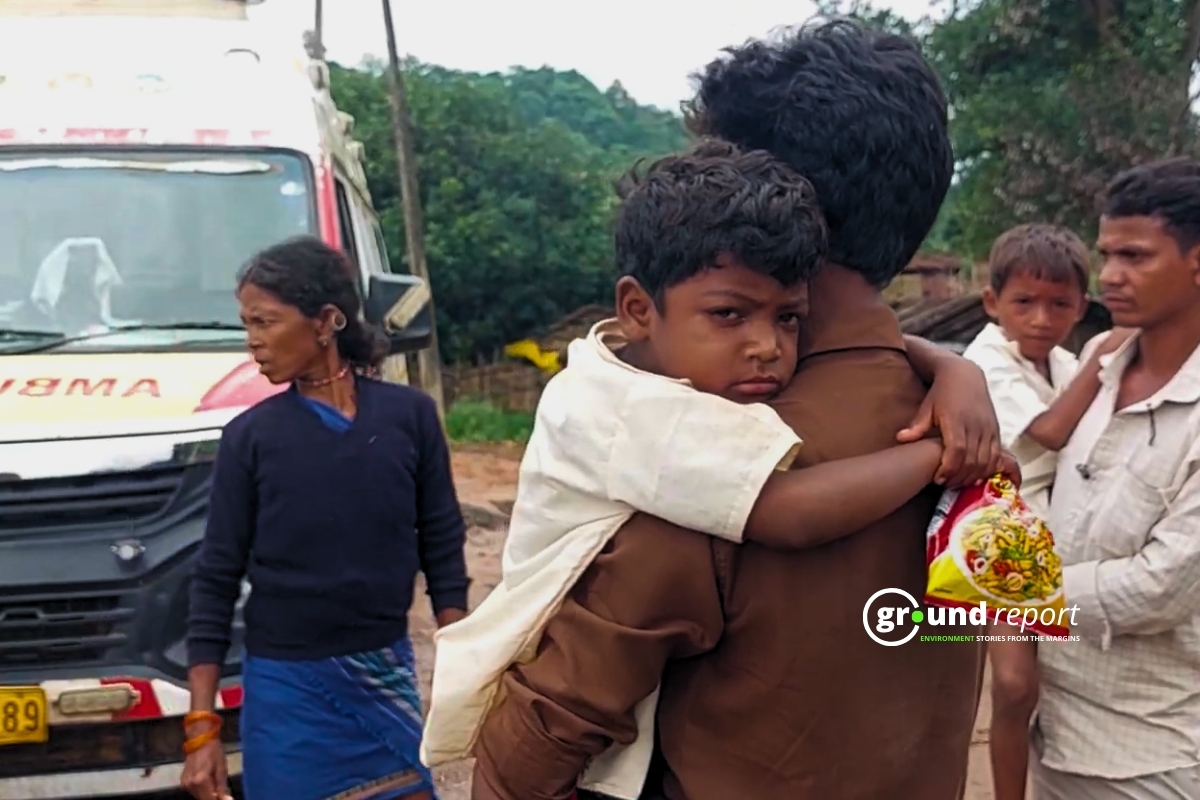

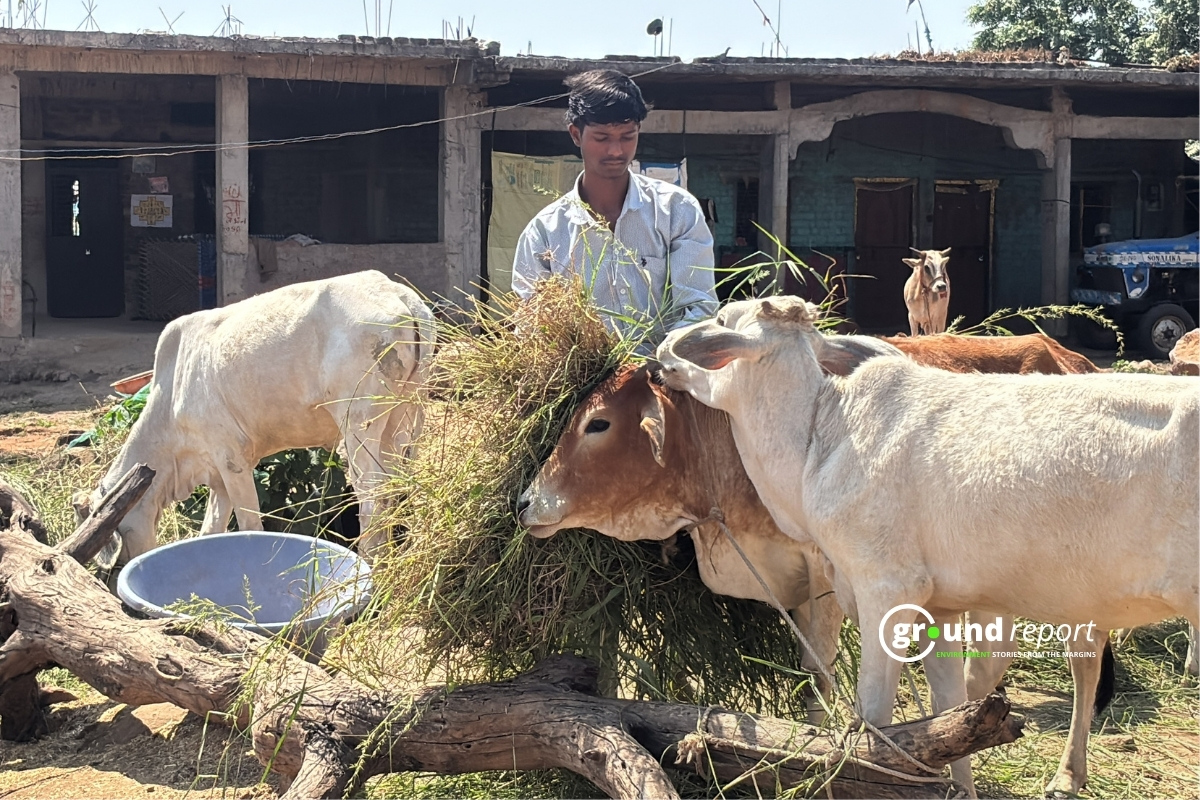
Juvan Singh Bhabhar, a livestock farmer in Bhutedi village of Jhabua’s Rama tehsil, was worried about how he would feed his animals in the coming months. In the first week of October, he had stored maize stalks (kadap), soybean residue, and some green fodder in a section of his house. But with more than 10 animals, including two bullocks and a cow, to feed, his stocks may not last long.
“The maize stalks and fodder will last another one or two months. After that, we will have nothing left to feed them,” he said.
Meanwhile, Munni Arad, a livestock farmer in Badlipada village of Petlawad tehsil, began rationing fodder for her animals in October, hoping to stretch her existing stocks over the next three to four months without having to buy more.
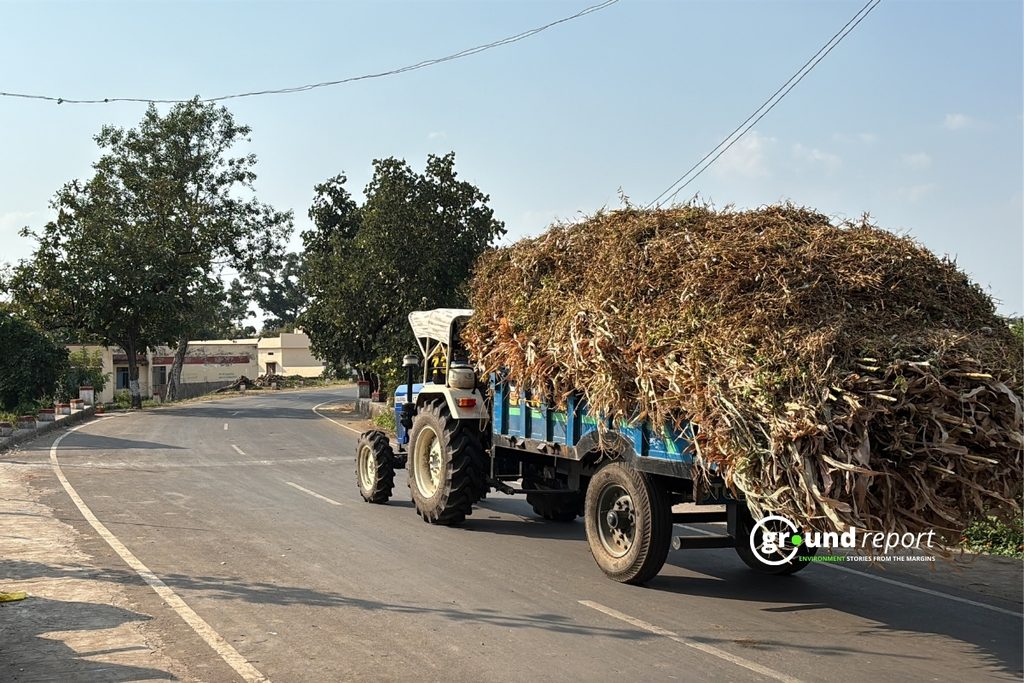
Bhabhar said he would usually take his animals out to graze around this time of the year. But this year, deficient rainfall has left little grass in the village’s surrounding areas. Farmers are also holding on to their crop residues to feed their own livestock, leaving little fodder for animals.
Jhabua, in western Madhya Pradesh, received below-normal rainfall this year. Farmers said the rainfall deficit had reduced kharif crop yields, while the lack of water has made rabi cultivation increasingly uncertain. This could deepen the fodder crisis once the crop residues from the kharif harvest run out.
With rabi season’s wheat cultivation also uncertain, farmers may lose another important fodder source. Government plans and experts have outlined alternatives to address potential shortages. But the district has yet to draw up a plan of its own.
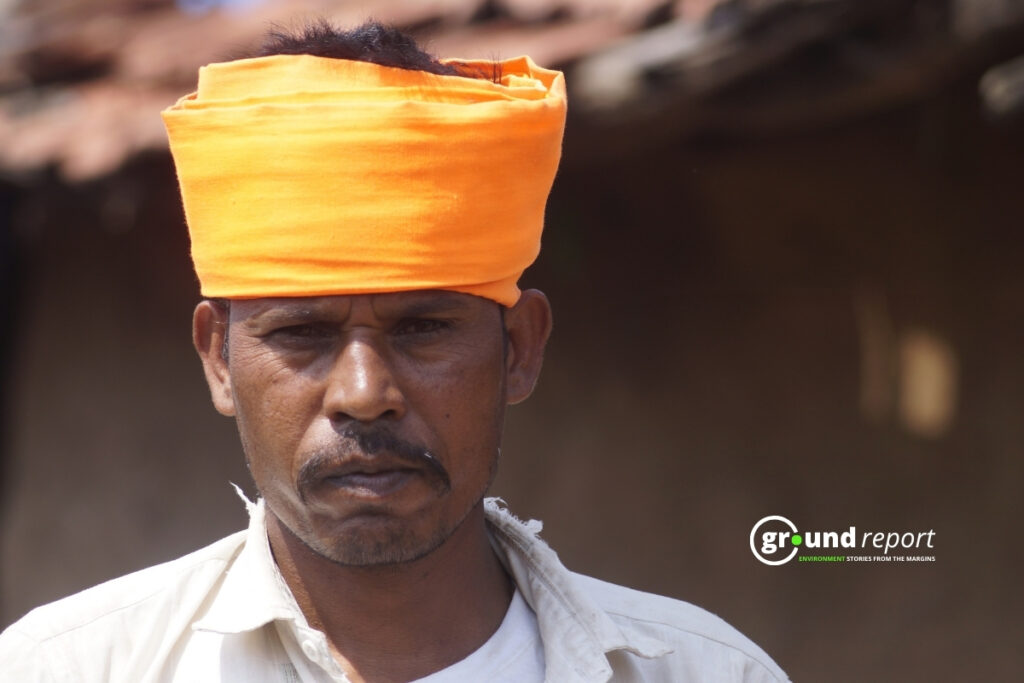
The El Niño threat
El Niño is part of a natural climate pattern in which sea surface temperatures in the central and eastern Pacific Ocean become unusually warm. This happens when the easterly trade winds weaken.
Arun Sharma, a senior scientist at the India Meteorological Department’s Bhopal centre, said El Niño can bring excessive rainfall in some places and below-normal rainfall in others. In general, the Indian monsoon tends to be weaker than normal during El Niño years.
The India Drought Monitor, which IIT Gandhinagar developed, showed that 42.5% of the country faced abnormally dry or more severe drought conditions by the end of the southwest monsoon. This year’s monsoon also ended with a 13% rainfall deficit, the highest in a decade.
Jhabua, in Madhya Pradesh, is among 262 districts across India and 41 districts in the state identified as vulnerable to El Niño. Between June 1 and September 28, during the southwest monsoon season, Jhabua received 576.4 mm of rainfall, 35% below its normal rainfall of 880.3 mm.
Fodder shortages and the growing financial burden
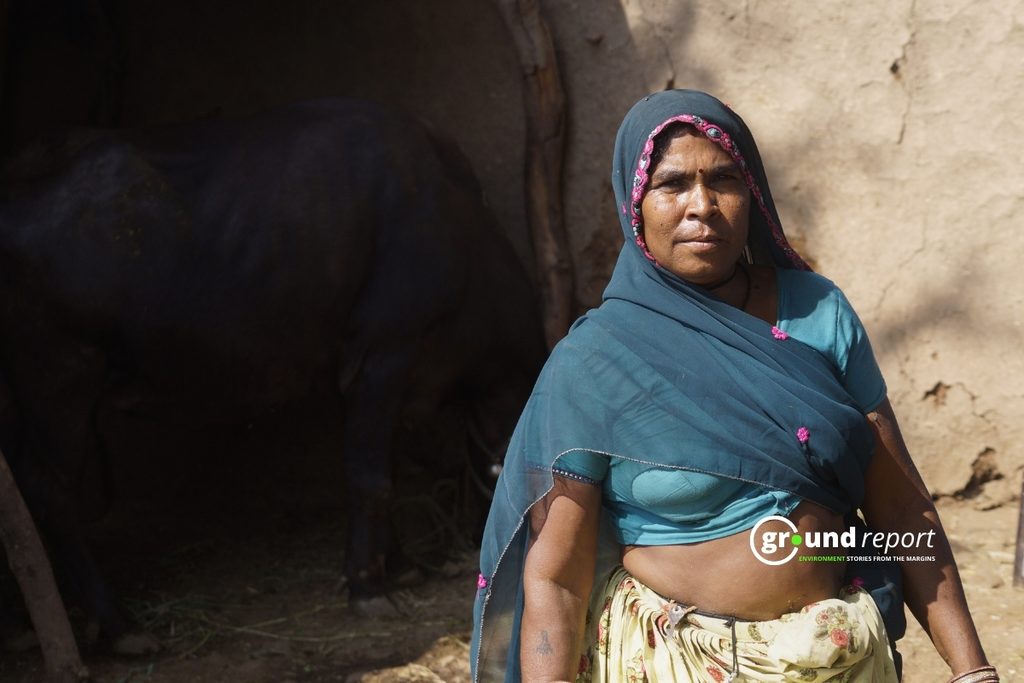
Arad owns seven animals, which include two cows, two bullocks, three goats and a buffalo. During the monsoon, she feeds them green fodder. After the kharif harvest, she uses groundnut residues, soybean and maize crops as animal feed. But this year, the production of all three crops on her farm has declined, which she said is due to inadequate rainfall and a lack of irrigation facilities.
Bhabhar said that after the rabi harvest, farmers usually procure fodder from the Malwa region at around Rs 800 per quintal. He fears poor rainfall across several regions could push fodder prices up to Rs 1,300-1,500 per quintal.
Amribai, a resident of Kajbi village who depends largely on livestock rearing and milk production for her livelihood, said she would have to spend as much as Rs 30,000 per trolley of hay, in addition to the cost of green fodder. She expects to spend Rs 80,000 on dry fodder before the next monsoon.
Vinod Meda, who rears Kadaknath chickens, a distinctive local breed, said the price of a 50-kg bag of poultry feed had increased by Rs 350 in the past month to Rs 2,150. He said people were reluctant to spend much on buying chickens because of the drought. Since Kadaknath chickens cost more than regular country chickens, his sales have also declined.
His farm utilises around seven quintals of poultry feed every month. If sales do not improve, he said, it would become difficult to cover his expenses.
Around 450 km away, in Rajkot, Gujarat, livestock farmers also struggled with fodder shortages. Dainik Bhaskar reported that some farmers left their cattle at gaushalas (cow shelters) because they could no longer afford to care for them.
When asked whether she would consider doing the same if the financial burden increased, Amribai said, “Even if I have to mortgage all my land, I will not abandon my cows. Whether they give milk or not, I want my cows at home.”
Meda, meanwhile, said he considered selling his chickens at lower prices, even at a loss, to avoid spending more on poultry feed.
Dr Jagdish Maurya, head of the Krishi Vigyan Kendra in Jhabua, said reducing the amount of food given to livestock because of fodder shortages was the wrong approach.
“This will weaken the animals, and in the coming days, they may not be able to work in the fields,” he said. He added that weakened animals could also become more vulnerable to heatwaves and diseases.
Fodder availability in India and possible solutions
Only 4% of India’s total cultivable land is used to grow fodder crops. A 2024 study published in the International Journal of Research in Agronomy estimated shortages of 35.6% in green fodder, 10.5% in dry crop residues, and 44% in concentrated feed ingredients across India.
The 2019 Livestock Census recorded approximately 40.622 million livestock in Madhya Pradesh, including 18.735 million cattle, 10.307 million buffaloes, 11.065 million goats, 325,000 sheep and 165,000 pigs. However, the state faces shortages of 35.04% in green fodder, 40.71% in dry fodder and 40.21% in concentrated feed.
The Madhya Pradesh Fodder Plan notes that natural disasters such as droughts and floods have further aggravated feed shortages and fodder shortages in several districts.
The National Disaster Management Plan for Drought, 2024, issued by the central government, identifies rising fodder prices as an early indicator of drought. It recommends assessing fodder availability between April and June and again between October and November to identify ways to ensure adequate supplies.
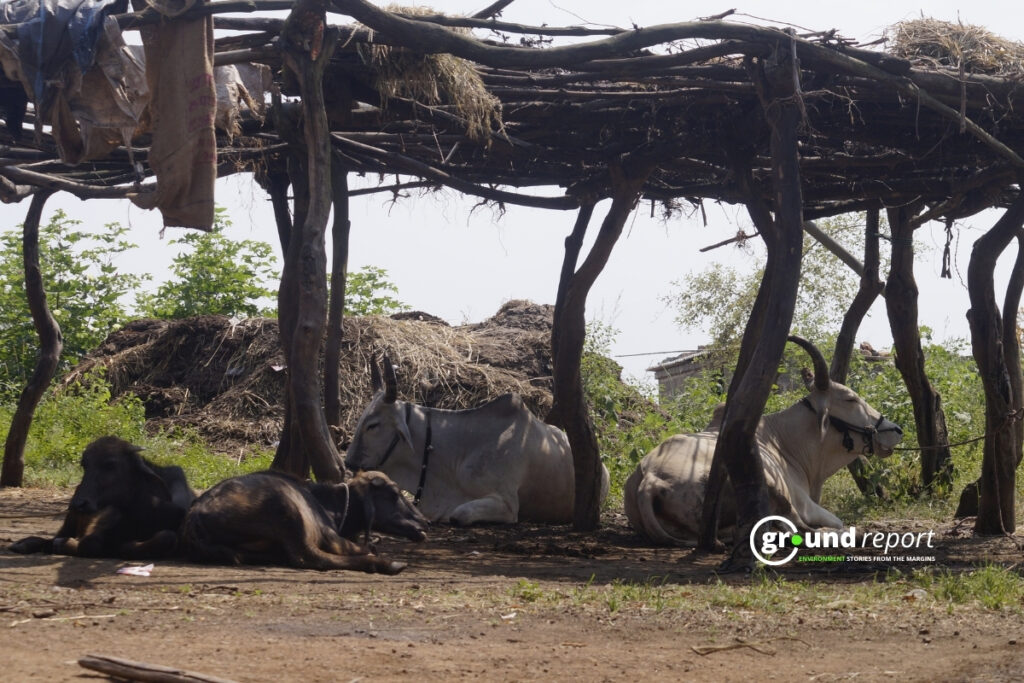
Dr Amar Singh Diwakar, deputy director of Jhabua’s Animal Husbandry and Dairy Department, said the district did not face a fodder shortage at the time. However, he acknowledged that water scarcity was discouraging farmers from sowing wheat, which could lead to fodder shortages and higher prices in the coming months.
Despite this possibility, the department has not yet prepared a district-level plan to address the problem.
The state’s Fodder Plan recommends that farmers in the Jhabua Hills and Malwa Plateau regions grow subabul (Leucaena leucocephala), along with the Pennisetum trispecific hybrid, or fodder sorghum intercropped with pigeon pea during drought conditions. It also recommends cultivating drought-tolerant grasses such as Anjan, Dinanath, Marvel and Stylosanthes.
Dr Neha Tiwari, a national associate scientist at the International Center for Agricultural Research in the Dry Areas (ICARDA), which focuses on agriculture in arid regions, recommended that livestock farmers consider growing spineless cactus.
“It is a climate-resilient fodder crop that can be grown even on degraded land with low moisture availability and good drainage,” she said.
She added that cultivating it alongside cereal and leguminous fodder crops could provide livestock with a sustainable source of moisture, energy, protein and fibre. However, making these alternatives available to farmers in Jhabua remains a challenge.
Dr. Diwakar advised farmers to prioritise water conservation immediately. He said that, for now, preserving fodder auctioned by the Forest Department and storing crop residues could help prevent a shortage in the coming months.
Support Us To Sustain Independent Environmental Journalism In India.
More Ground Reports
Madhya Pradesh’s e-Vikas 2.0 Fertiliser System: Why Are Farmers Still Queuing?
Smart Meter Consumers May Save on Electricity Bills With Time-of-Day Tariffs
Stay Connected With Ground Report For Underreported
Author
Support Ground Report to keep independent environmental journalism alive in India
We believe climate change should be the basis of current discourse, and our stories attempt to reflect the same.
Connect With Us
Send your feedback at greport2018@gmail.com
Newsletter
Subscribe our weekly free newsletter on Substack to get tailored content directly to your inbox.
When you pay, you ensure that we are able to produce on-ground underreported environmental stories and keep them free-to-read for those who can’t pay. In exchange, you get exclusive benefits.
Your support amplifies voices too often overlooked, thank you for being part of the movement.