
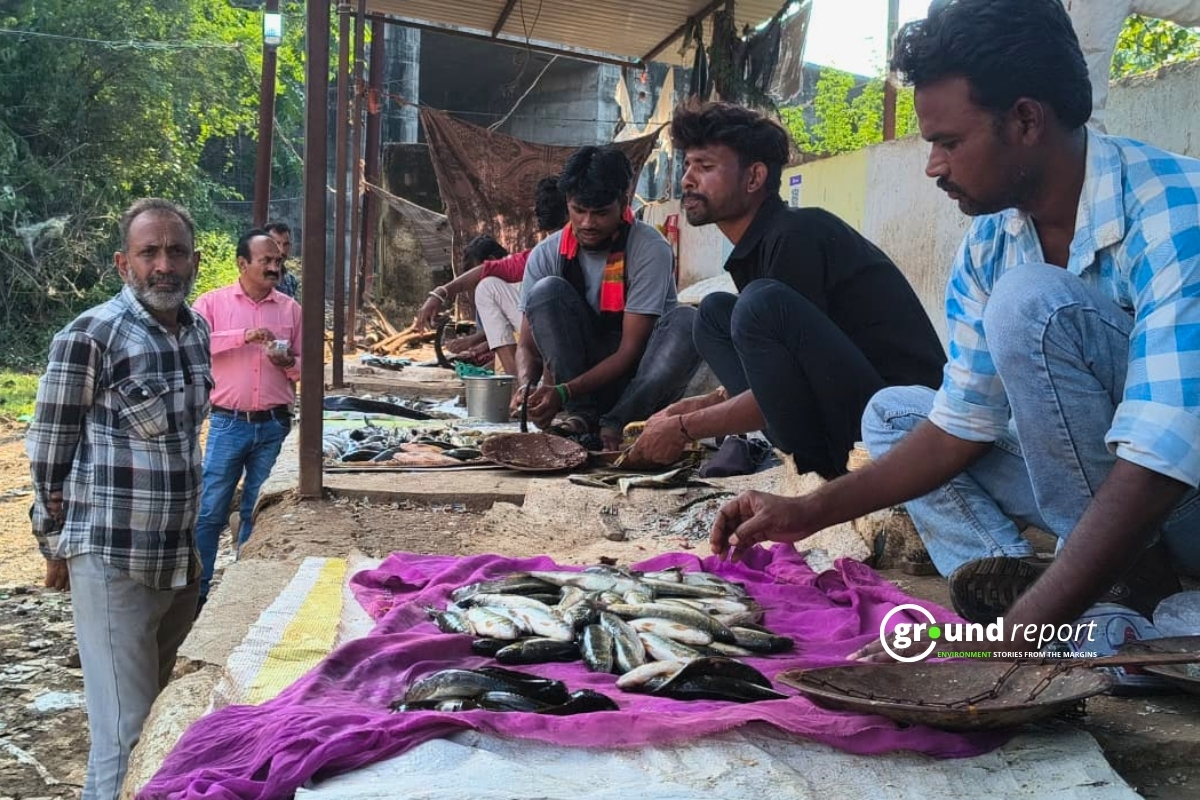
हिंदी में पढ़ें। At the weekly market in Rajgarh, Madhya Pradesh, held every Wednesday, vendors openly sell a large, dark-skinned fish. It is the African catfish, commonly known in India as ‘Thai mangur’ because it was introduced from Thailand.
State authorities have seized the fish on several occasions, despite a nationwide ban on its breeding and sale since 1997. Recently, 65 kg was seized in Rewa, around 50 kg in Rajgarh, and approx. 8,000 Thai mangur fish at Jabalpur railway station.
In 1993, the fish was first introduced from Thailand into India. Concerned about its potential environmental impact, the central government established a national committee in 1996 to assess the consequences of introducing exotic aquatic species into the country. The committee’s first meeting in December 1997 found that African catfish had entered India without government approval.
The committee feared that the fish could spread into natural water bodies, interbreed with native mangur (Clarias batrachus) and introduce exotic diseases. The committee warned that the fish could disrupt ecosystems over time and recommended its destruction. In 1997, the central government prohibited its cultivation and directed states to prevent its spread.
Thai mangur’s continued sale points to a larger problem with enforcing the ban. Its rapid growth, varied diet, and ability to spread into natural water bodies threaten native aquatic species. Yet enforcement has often focused on seizing and destroying the fish, while gaps in the legal framework have made it difficult to hold those involved in its trade accountable. The question, then, is not just how Thai mangur continues to reach markets but also how effective the system has been in preventing its spread.
The difference between the two mangur fish
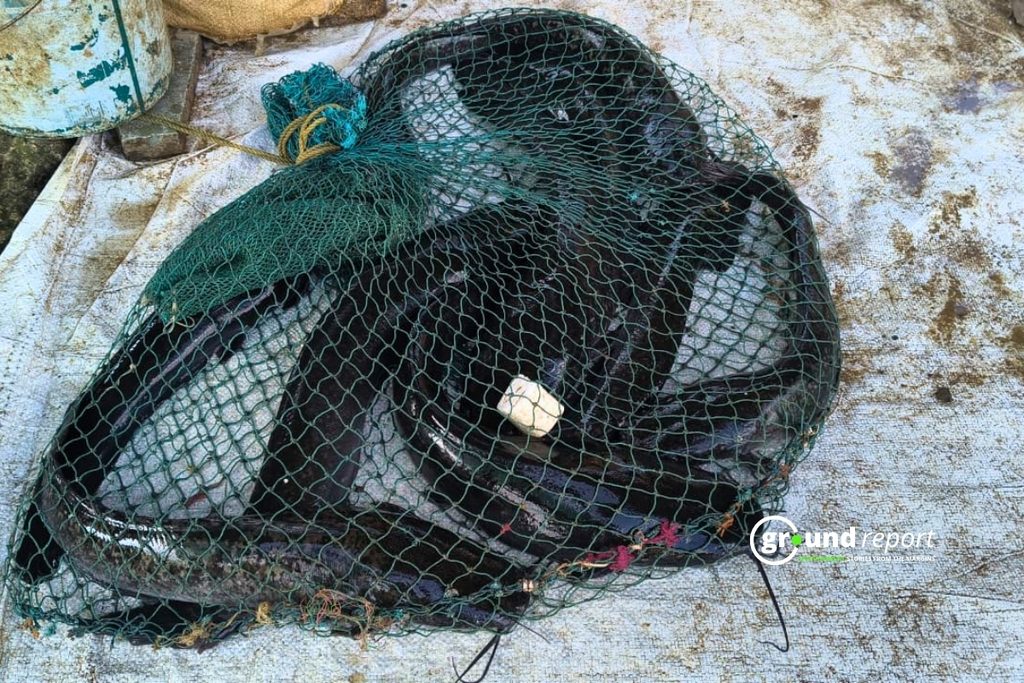
Dr Vipin Vyas, a professor and limnologist at Barkatullah University, explains the difference between the two mangur species commonly found in India.
India has its own native mangur species, commonly known as desi mangur. Its scientific name is Clarias batrachus. The fish covered by the ban, however, is an African species known as African catfish, or Clarias gariepinus. Since it was introduced into India and Bangladesh through Thailand, it is also commonly called Thai mangur.
Vyas said the Thai mangur grows larger and heavier than the native species and reproduces rapidly. He added it was introduced into India because it is more productive than desi mangur and offered an inexpensive protein option for a large population. However, negative consequences began to emerge within a few years of its introduction into India.
Environmental threats posed by Thai mangur
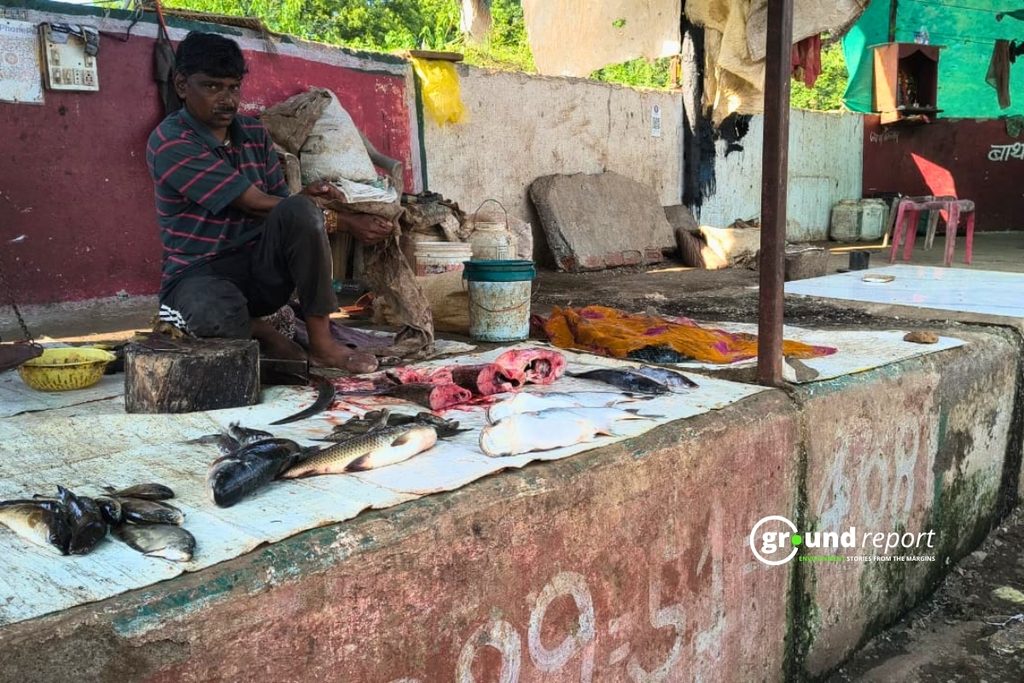
Dr Shriparna Saxena, head of the aquaculture department at SAGE University and a limnologist who has worked extensively on another fish species, mahseer, points out that Thai mangur is an omnivorous species. Saxena also raised concerns about the fish’s feeding habits and habitat use.
To illustrate its feeding behaviour, she said, “Put your finger in front of it, and it will eat that too.” This feeding ability makes the Thai mangur an ecological concern.
A 2011 study conducted in Kerala’s Vembanad Lake found that the fish can survive on a wide variety of food. Its diet can range from microscopic aquatic organisms to fish nearly half its own body length and, occasionally, amphibians, reptiles and birds. The threat is not limited to other fish becoming its prey. Several native mangur species in Vembanad Lake depend on broadly similar food sources.
Researchers found that an increase in Thai mangur populations could intensify competition for food. Native species whose populations are already declining may be particularly vulnerable.
Another concern is the fish’s ability to enter natural water bodies and establish its populations. Saxena explained that during disasters such as floods, the fish can escape from ponds and enter rivers and other natural water bodies, threatening local species.
The Vembanad Lake study found that during floods, weak pond embankments and inadequate drainage structures could break down, allowing farmed mangur to escape into the lake. Live fish markets and fish landing centres may also provide pathways for its spread.
A bottom-feeding fish
Thai mangur has a broad diet and is a bottom-feeding fish, i.e., it feeds on a variety of organisms living near the bottom of a water body. Its trophic niche—the range of food and resources it uses—can therefore overlap with that of several native fish species. Studies conducted in other Indian water bodies also reinforce these concerns.
A modelling study at Karapuzha Reservoir found a 92% niche overlap involving Thai mangur. The researchers highlighted strong competition for shared resources. The study also documented negative trophic effects on several fish and crustacean species.
Saxena has also observed a hybrid fish involving Thai and native mangur in Bhopal’s Upper Lake. She said interbreeding may be possible because the two species have similar chromosome numbers.
The Vembanad Lake study also cited the example of hybridisation between African catfish and the native bighead catfish (Clarias macrocephalus) in Thailand, which affected the native population’s gene pool. The same study referred to evidence of similar hybridisation involving native mangur in Bangladesh.
In the Vembanad research, Thai mangur’s ability to spread, survive in large numbers, feed on a wide range of organisms, and compete with native fish makes it a potentially invasive species. The researchers identified it as a threat to native fish populations and local livelihoods. They stressed the need to monitor and control its spread.
Is Thai mangur dangerous to human health?
A 2012 Indian study examined 324 samples of Thai mangur raised in 27 rural fish-farming ponds. The researchers detected metal contamination in the fish tissues, including significant accumulation of aluminium, iron and, particularly, lead. Some ponds, especially those with chicken waste, raised greater concerns about lead contamination.
Studies conducted outside India have reported similar findings. Research on Thai mangur caught from industrially polluted rivers assessed potential health risks associated with long-term consumption based on levels of arsenic, cadmium and nickel.
“Thai mangur has a very broad diet and can feed on different kinds of aquatic organisms and organic matter. Therefore, if it is growing in a polluted water body, contaminants may accumulate in its body,” Vyas said the fish’s broad diet could also make it a pathway for contaminants to enter the human food chain.
Why is Thai mangur still being sold despite the ban?
It has been 29 years since Thai mangur was banned. The central government reiterated the prohibition in subsequent years, and in 2019, the National Green Tribunal (NGT) explicitly reaffirmed the restrictions, directing all states and union territories to prohibit its cultivation.
Despite this, the fish continues to be sold openly in fish markets across India. Manoj Pathrolia, director of the Madhya Pradesh Fisheries Department, said, “At the Wednesday market, Thai mangur is the fish I see the most.”
Pathrolia said the existing system primarily directs officials to seize the fish, prepare a seizure record, and destroy it. However, the lack of clear provisions for taking action against sellers or breeders has created difficulties.
“When we seized it, the problem was that even the police would ask us which legal provision they should use to take action,” he added.
Advocate Prateek Giri Goswami, who specialises in cases before the NGT, said that merely seizing and destroying the fish is not enough to enforce the ban.
Goswami said that individuals or entities found violating an NGT order could face penalties under Section 26 of the National Green Tribunal Act, 2010. For instance, in 2021, Thai mangur was found in two ponds in Humayunpur village in Ludhiana, Punjab. The Sadar police station registered a case against the accused under Section 188 of the Indian Penal Code (IPC).
Section 188 of the IPC deals with disobedience of an order duly promulgated by a public servant. Where such disobedience endangered, or was likely to endanger, human life, health or safety, it could attract imprisonment of up to six months, a fine of up to ₹1,000, or both.
The Bharatiya Nyaya Sanhita (BNS), which came into force on 1 July 2024, replaced the IPC. The corresponding provision is Section 223, which provides for imprisonment of up to one year and a fine of up to ₹5,000 in the relevant circumstances.
The article notes that the Ludhiana case involved disobedience of the NGT’s order and concerns about the potential health risks posed by the fish. The police registered the case under Section 188 of the IPC.
However, Section 215 of the Bharatiya Nagarik Suraksha Sanhita (BNSS) bars courts from taking cognisance of certain offences under the Bharatiya Nyaya Sanhita (BNS), including those covered by Sections 206–223, unless the public servant concerned, or a superior official, files a written complaint.
In this context, a complaint from the relevant fisheries authority may be necessary; the police cannot independently initiate prosecution in place of the required complaint. In other words, a general legal provision exists, but it requires an official complaint. The penalties may be relatively modest, and the offence is bailable. These factors appear to weaken the deterrent effect of the restrictions on Thai mangur cultivation.
Vyas said the demand persists because the fish is “an inexpensive source of protein”. Saxena, meanwhile, calls Thai mangur a “monster of the water”. She warns that if effective measures are not taken to control it, the species could severely damage ecosystems and potentially displace native fish. She stresses the need for a concrete policy to prevent its spread.
Support Us To Sustain Independent Environmental Journalism In India.
More Ground Reports
Monsoon Fishing Ban Protects Fish in MP, But Who’s Protecting the Fishermen?
Inside Makeshift Fish Markets, While The Community Awaits Permanent Ones
Stay Connected With Ground Report For Underreported
Author
Support Ground Report to keep independent environmental journalism alive in India
We believe climate change should be the basis of current discourse, and our stories attempt to reflect the same.
Connect With Us
Send your feedback at greport2018@gmail.com
Newsletter
Subscribe our weekly free newsletter on Substack to get tailored content directly to your inbox.
When you pay, you ensure that we are able to produce on-ground underreported environmental stories and keep them free-to-read for those who can’t pay. In exchange, you get exclusive benefits.
Your support amplifies voices too often overlooked, thank you for being part of the movement.