Madhya Pradesh received 35.8 inches of rain against a normal of 37.3 inches during the 2026 monsoon, leaving the state with a rainfall deficit of about 4%. Eleven districts received less than 80% of their normal rainfall, with Alirajpur recording the lowest at just 48.87%.
The shortfall has raised concerns over crop losses, drinking water availability and irrigation for the rabi season. Dhar, Jhabua, Ratlam, Narmadapuram and Harda are among the other districts that received substantially less rain than normal. Indore and Ujjain also feature on the list.
Which districts received the least rainfall?
As per the India Meteorological Department, Alirajpur received 16.77 inches against its normal of 34.32 inches. Dhar recorded 19.41 inches against 32.15 inches, while Jhabua received 22.69 inches against 34.81 inches. All three districts received less than 66% of their normal rainfall.
The following table lists all 11 districts, their normal rainfall, the rainfall received and the percentage of normal rainfall.
| District | Normal rainfall (inches) | Received (inches) | Percentage of normal |
|---|---|---|---|
| Alirajpur | 34.32 | 16.77 | 48.87% |
| Dhar | 32.15 | 19.41 | 60.36% |
| Jhabua | 34.81 | 22.69 | 65.19% |
| Ratlam | 36.00 | 23.56 | 65.43% |
| Narmadapuram | 49.57 | 32.99 | 66.56% |
| Harda | 42.47 | 28.70 | 67.57% |
| Betul | 40.87 | 28.28 | 69.19% |
| Ujjain | 34.81 | 25.38 | 72.92% |
| Indore | 34.17 | 24.93 | 72.94% |
| Pandhurna | 32.00 | 24.55 | 76.72% |
| Shajapur | 35.66 | 27.66 | 77.57% |
The figures show that Alirajpur received less than half its normal rainfall. Dhar and Jhabua also recorded deficits exceeding one-third of their usual rainfall. Pandhurna and Shajapur were closer to the 80% threshold, but their rainfall remained below normal.
Why was rainfall below normal?
Arun Sharma of IMD Bhopal said Madhya Pradesh ended the monsoon with a deficit of around 4%. Eastern Madhya Pradesh received about 4% more rainfall than normal, while western Madhya Pradesh recorded a deficit of around 12%.
Sharma said the Narmada division also experienced substantial shortages, with some districts recording rainfall deficits of 20% to 59%. Rainfall from a weather system between September 15 and 23 improved conditions, but the gains did not eliminate regional differences.
Explaining the rainfall pattern, Sharma said, “The main reason for this was that about two to three low pressure systems were formed every month, so they kept the rainfall under control and allowed it to happen.”
Praveen Kumar of IMD Nagpur said the department’s seasonal forecasts had indicated below-normal rainfall of around 90% of normal. He said the weather systems that developed during the season remained localised and did not bring widespread rain.
“The systems that formed were very localised and produced rainfall for certain areas or regions only,” Kumar said. He added that the systems did not persist for long, limiting their contribution to seasonal rainfall.
Kumar also pointed to El Niño, which was weak at the beginning of the monsoon but became moderate to strong during July, August and September. He said the Indian Ocean Dipole was neutral and the Madden-Julian Oscillation remained in phases that were unfavourable for rainfall.
How does this compare with the last 10 years?
The rainfall figures in the shared decade chart show substantial variation across Madhya Pradesh.
The chart lists 2026 rainfall at 35.6 inches, while the separate overall rainfall graphic reports 35.8 inches. Both figures show a shortfall against the stated normal of 37.3 inches. The previous monsoon delivered 45.2 inches, compared with 35.6 inches in the decade chart for 2026.
The 2019 season recorded the highest rainfall in the series at 53 inches, while 2017 recorded 29.9 inches. The 2026 figure is also below the 37.2 inches recorded in both 2021 and 2023.
What does the rainfall deficit mean for farmers?
The shortage threatens kharif crops such as soybean, moong and maize. Farmers may also face difficulties preparing fields for wheat, gram and other rabi crops if soil moisture and irrigation supplies remain low.
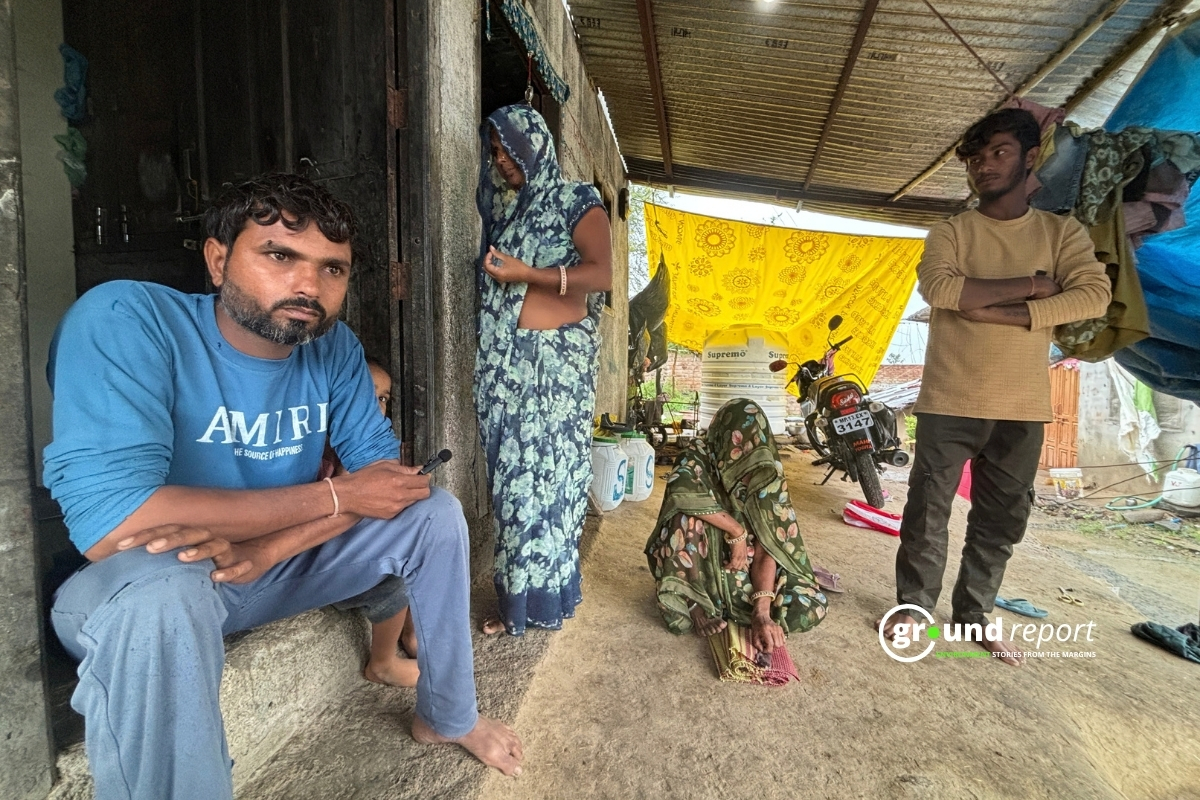
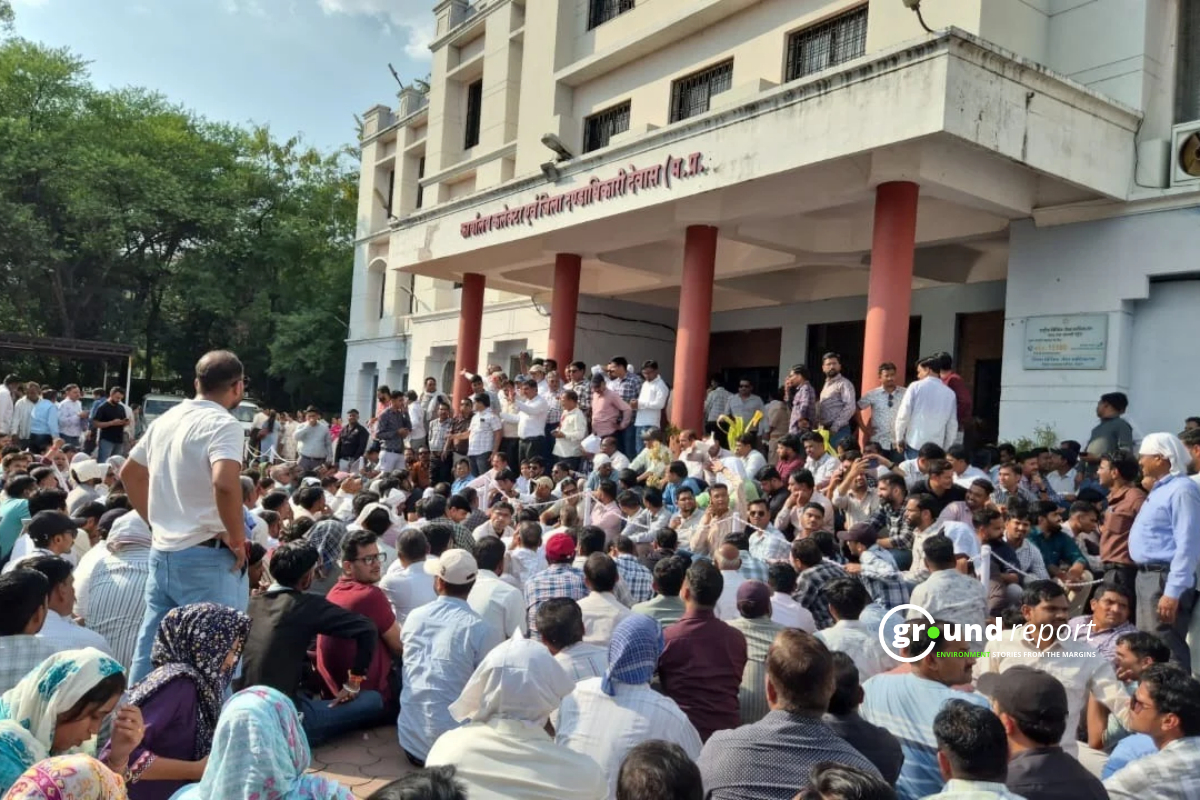
In Pandhurna, farmers recently stopped Chief Minister Mohan Yadav’s convoy and showed him withered crops. They demanded drought-hit status for the district and a waiver of agricultural loans. The chief minister stepped out of his vehicle and heard their complaints.
The effects will depend on crop conditions, groundwater levels, reservoir storage and access to irrigation. Rainfall figures alone cannot establish the extent of agricultural losses.
For now, the rainfall figures identify 11 districts that received less than 80% of normal rainfall. Field assessments will determine the extent of crop damage and water scarcity and whether these districts qualify for official drought relief.
Support Us To Sustain Independent Environmental Journalism In India.
More Ground Reports
He Was Married as a Child, Now Manish Dangi Helps Stop It for Others
Despite The Ban, How Gutkha Became MP’s Most Common Household Habit