
हिंदी में पढ़ें। Stubble-burning incidents in Madhya Pradesh rose by 452% between September 15 and October 12, 2026, while Rajasthan recorded a 200% increase, Union Agriculture Minister Shivraj Singh Chouhan said at a review meeting on October 13. He urged states to expand the use of crop residue management machinery and strengthen Custom Hiring Centres (CHCs), which rent agricultural equipment to farmers.
Government-supported Custom Hiring Centres (CHCs) allow farmers to rent agricultural machinery at affordable rates. As labour shortages drive greater mechanisation, these centres offer farmers access to equipment they may not be able to afford themselves.
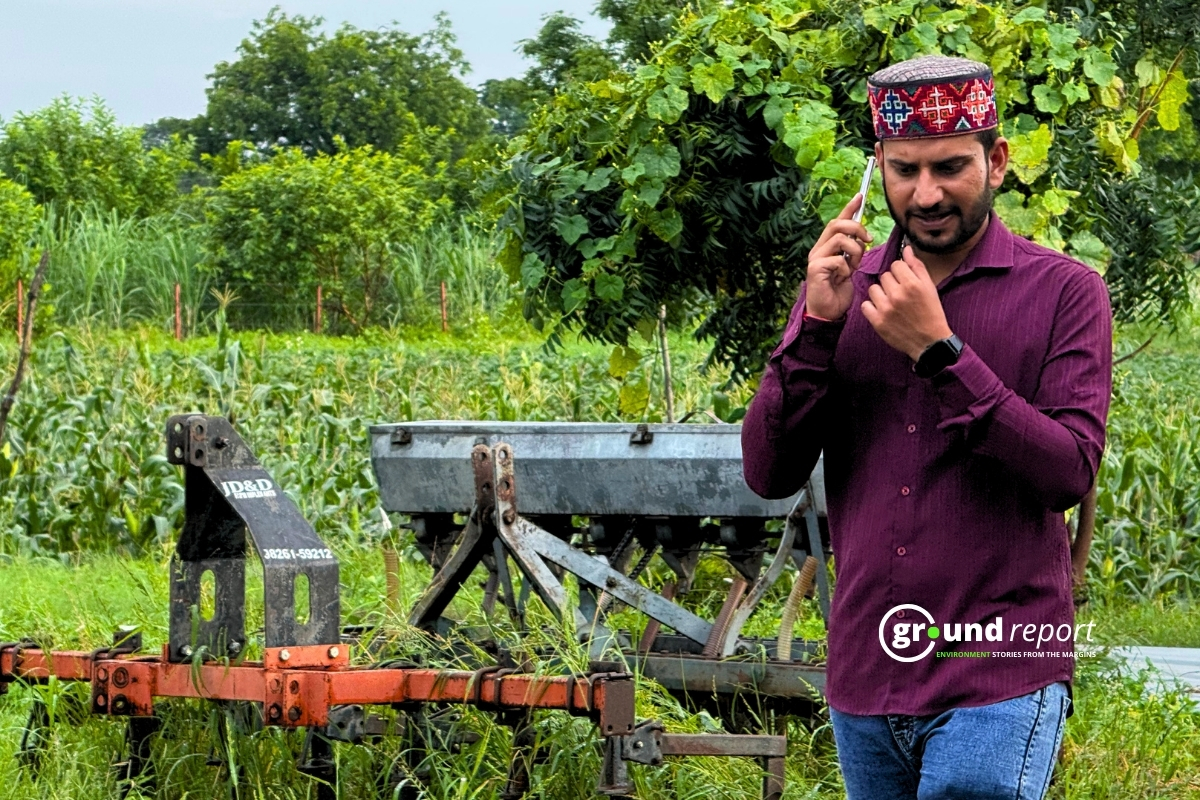
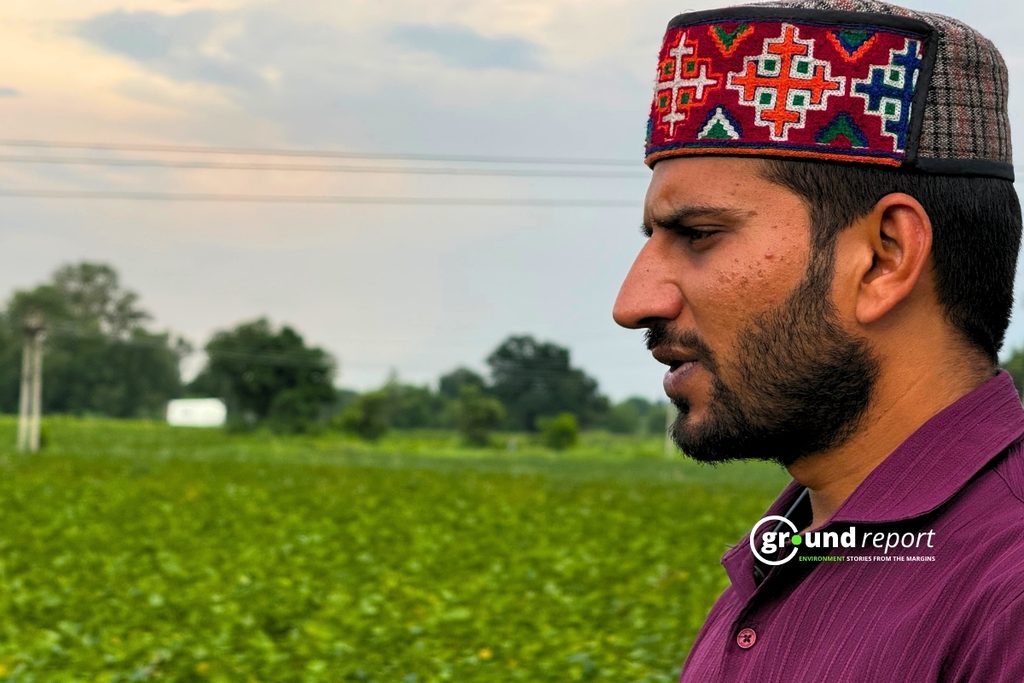
However, Deepesh Patel, who runs a CHC in Nipania Kala, says most farmers are unaware that they can rent agricultural machinery from the centre. “We are trying to raise awareness among farmers,” he says.
The government wants to make modern machinery accessible to farmers to address problems such as stubble burning. It has therefore emphasised strengthening CHCs. But are these centres reaching farmers? And do they have the capacity to address local environmental problems associated with agriculture?
Farmers Unaware
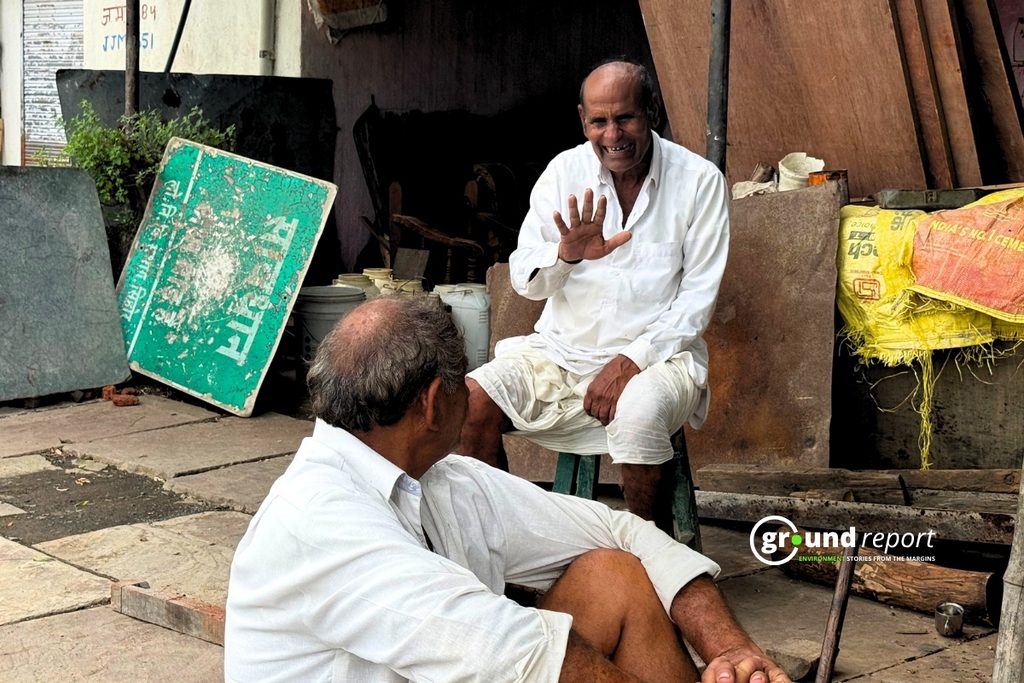
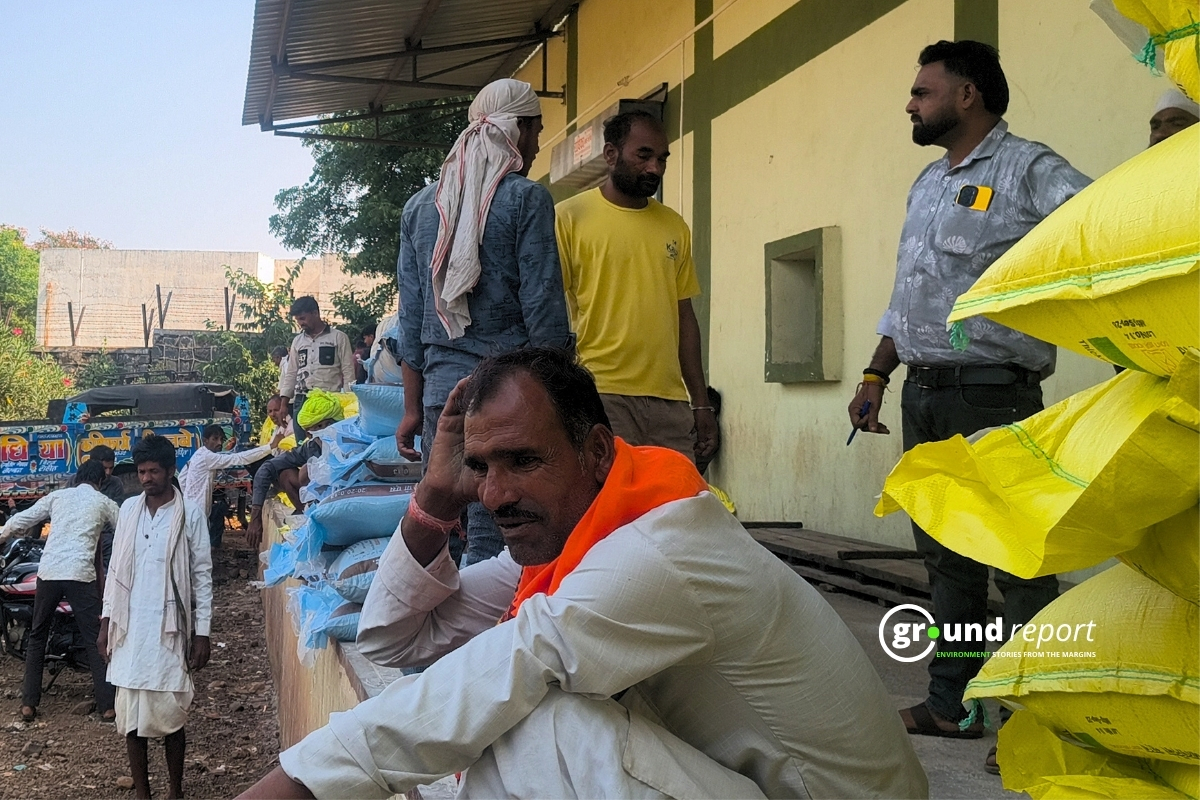
Devnarayan, who farms two acres in Nipania Kala village in Madhya Pradesh’s Sehore district, usually rents agricultural machinery from larger farmers. “When we need machinery, we rent it from big farmers, sometimes after a long wait. We didn’t even know there was a centre where we could rent equipment,” he says.
Most farmers in Nipania Kala grow soybean during the kharif season and wheat during the rabi season. Devnarayan says they need tractors, cultivators, harvesters, threshers and pesticide sprayers for farming.
Asked whether modern machinery was available in the village to make raised beds for soybean cultivation or manage wheat stubble, Devnarayan says, “Some large farmers may have these machines, but we have never used them. We burn the crop residue left after harvesting.”
Stubble Management
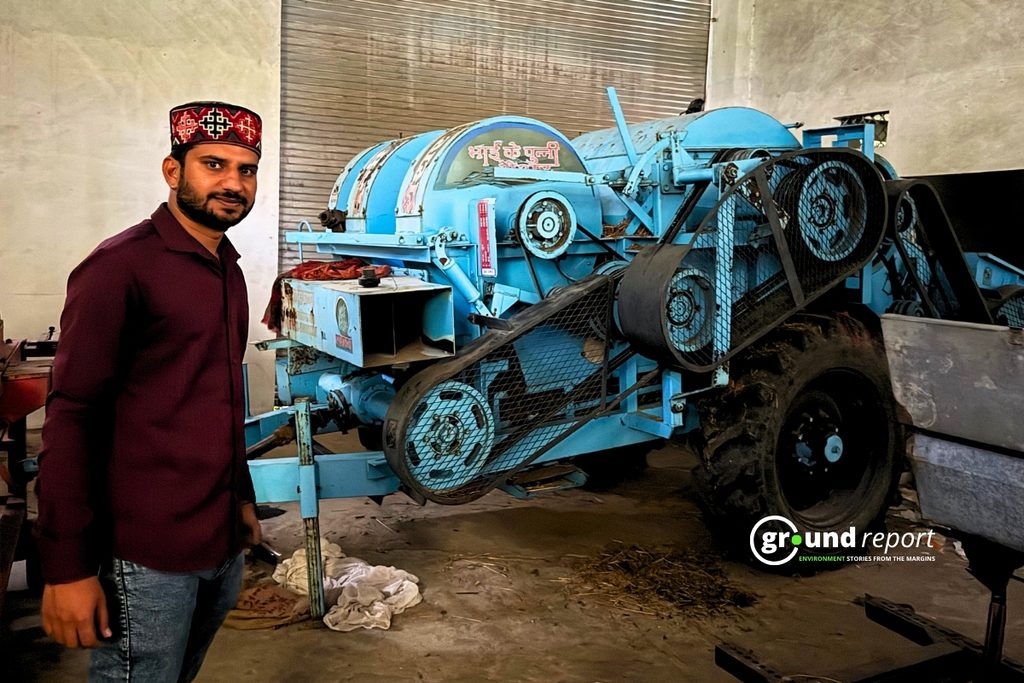
Patel applied to establish a CHC in 2022 and was selected through a lottery in 2023. The project cost ₹25 lakh, of which he received a government subsidy of ₹8.16 lakh. He financed the remaining amount through a bank loan.
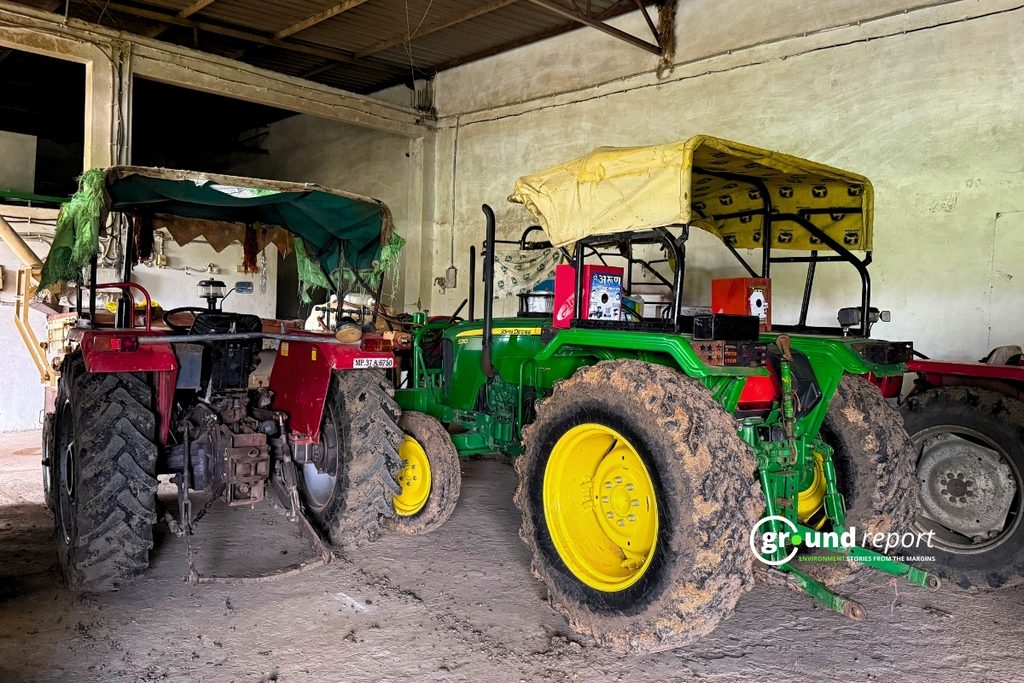
His centre has 13 agricultural implements, including a straw reaper and a rotavator for crop residue management.
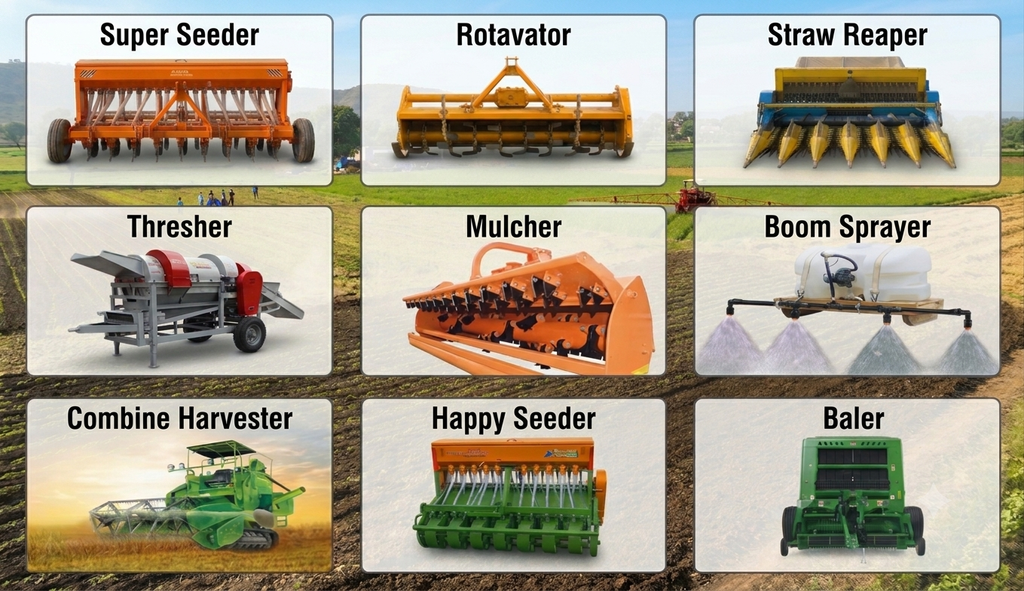
A straw reaper cuts, threshes and cleans the residue left behind by combine harvesters, including wheat, paddy and barley stalks. A rotavator can then incorporate the remaining residue into the soil.
Patel says some farmers who know about the CHC use these machines. “There is very little time between the kharif harvest and the rabi sowing season. It is difficult for one machine to cover the entire village in such a short period,” he added. “The straw reaper also breaks down frequently. No farmer wants to wait, so the practice of burning stubble continues.”
Nitesh Dhange, who runs a CHC in Barakhad Kala village in Narmadapuram district, says farmers reacted positively to his centre, which also has 13 agricultural implements, including a super seeder.
A super seeder chops the crop residue left in fields after harvesting paddy or other crops and incorporates it into the soil. It also sows seeds at a specified depth and applies fertiliser in the same operation.
A super seeder combines tillage, sowing and crop-residue management in a single pass. It reduces fuel and labour costs and eliminates the need to burn stubble. Dhange says demand for the machine is high among farmers with larger landholdings, but small farmers are less likely to use it because they are unaware of its benefits.
“We have only one machine, and it remains fully booked during the season,” he says.
Pressure on Custom Hiring Centres
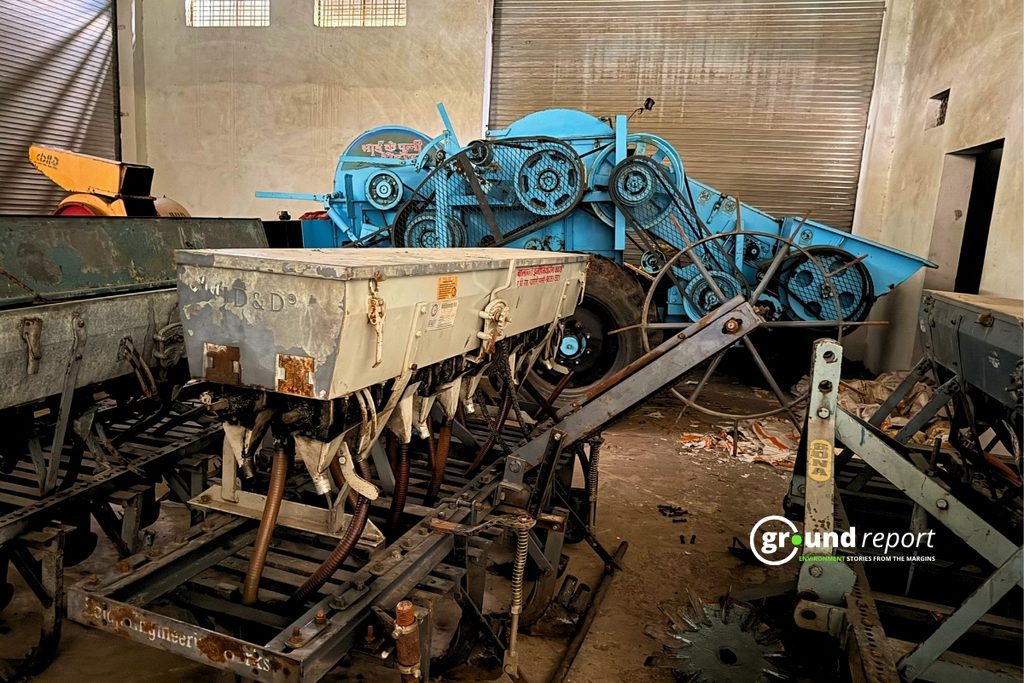
Demand rises sharply during peak agricultural seasons, putting pressure on CHCs. One reason is that the number of centres is still insufficient. The data from the Directorate of Agricultural Engineering, Madhya Pradesh, showed 2,734 privately operated CHCs receiving government subsidies as of 2026. Including centres run by farmer-producer organisations (FPOs) and non-governmental organisations (NGOs), the total rises to around 2,900.
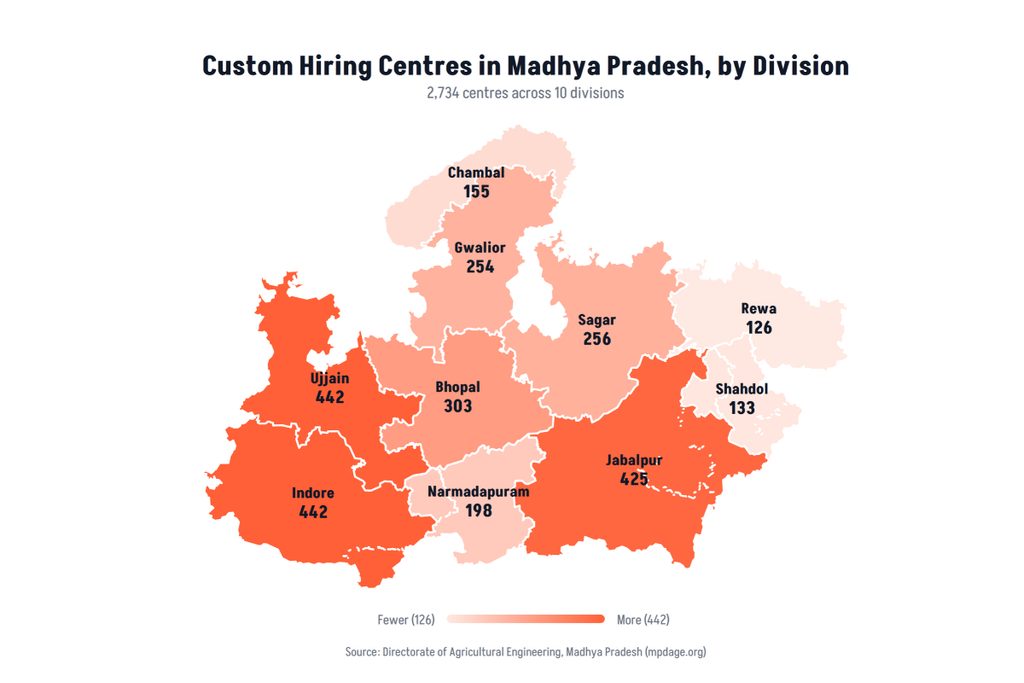
Sehore district, however, has only 36 CHCs across its 542 gram panchayats. Madhya Pradesh targets to establish 1,000 new CHCs in 2026–27. At a cabinet meeting in April 2026, Chief Minister Mohan Yadav allocated ₹2,250 crore under the Sub-Mission on Agricultural Mechanization for the same. The Directorate invited applications for new centres between August 7 and 21.
Maintenance costs and demand for new machinery
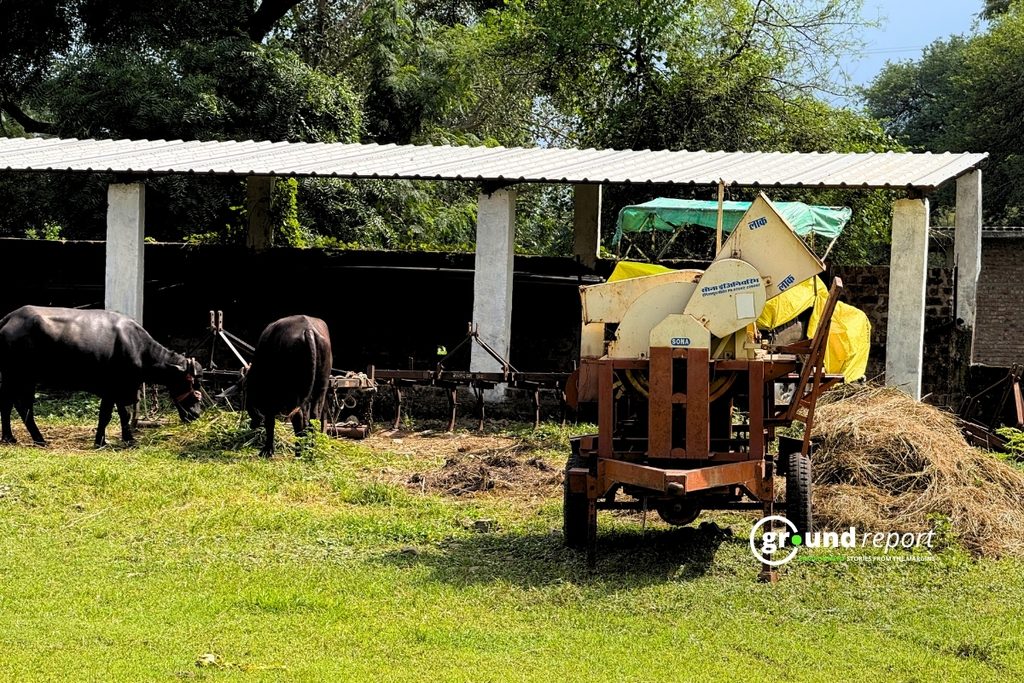
A report titled Custom Hiring Centres for Better Residue Management, published by the Council on Energy, Environment and Water (CEEW) in September 2025, identifies maintenance costs as a major challenge for CHCs.
In Punjab, maintenance expenses accounted for around 35–55% of total rental income. This significantly reduces profits and puts pressure on its financial sustainability.
Patel says he saves around ₹3 lakh annually from his CHC after paying loan instalments, fuel and maintenance costs, as well as the driver’s salary. All his machines remain occupied throughout the season, and he is satisfied with the business. However, he wants to purchase additional machinery but finds the process complicated.
“Soybean is the main crop here, but there is no raised-bed-making machine in the area. This method helps protect soybean crops during both excess rainfall and rainfall shortages. Similarly, a zero-till drill would allow farmers to sow wheat without using a cultivator,” he said.
“I want to buy these machines, but the application process is complicated, and machines are allocated through a lottery. This means we have to wait a long time,” he added.
Dhange applied for an additional tractor and a mulcher three months ago but has yet to receive a response from the Directorate. “The government should inform us about new machines, and CHC operators should be given priority in getting them,” he says.
Yograj Savarkar, assistant agricultural engineer in Sehore district, says CHCs receive a set of essential agricultural implements, along with machines selected to meet local needs. Operators can choose the equipment they want from a list of options. These include balers, reaper-cum-binders, super seeders, Happy Seeders and Smart Seeders for crop residue management.
Operators must submit online applications for additional machinery. Once the Directorate of Agricultural Engineering approves the application, the operator can purchase the machine from an authorised dealer and submit the required documents. The subsidy is then transferred to the operator’s bank account. The subsidy amount varies by machine.
Booking machinery through an app
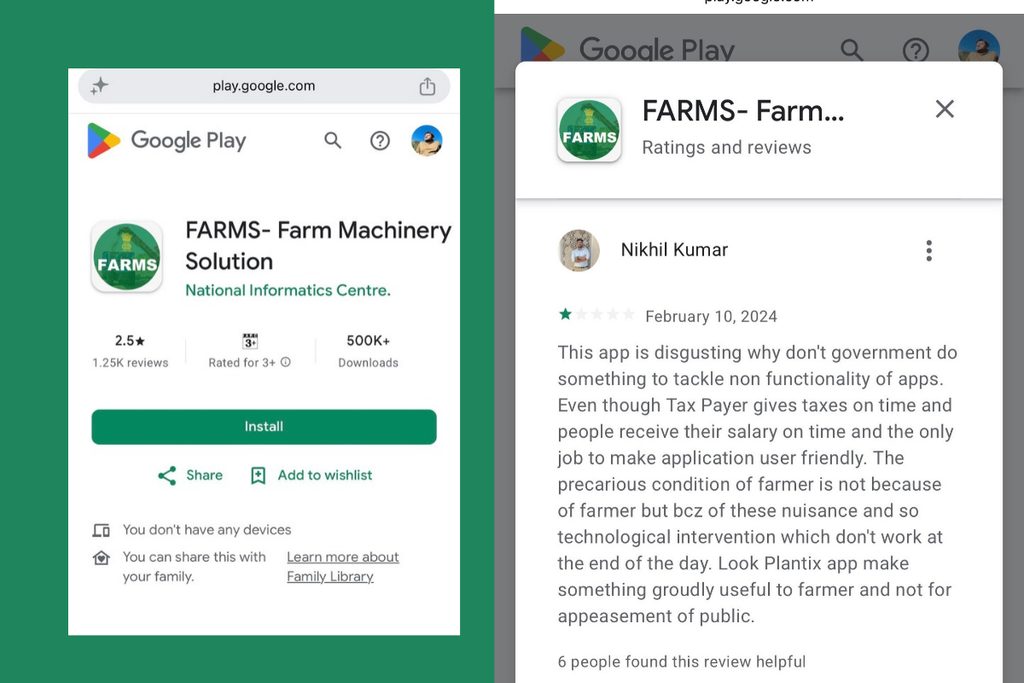
In 2019, the Indian government launched an app called FARMS (Farm Machinery Solutions), modelled on services such as Ola and Uber, to facilitate the rental of agricultural equipment. Madhya Pradesh’s Economic Survey 2025–26 stated that the app helps CHCs and other equipment owners rent out their agricultural machinery to farmers who need it.
Patel, however, says rural farmers are more comfortable booking machinery over the phone. “I have never even downloaded the app myself,” he says.
The CEEW report finds that only 16% of CHCs and 1% of farmers in Punjab use such apps. Most centres allocate machinery on a first-come, first-served basis, with farmers contacting operators directly or by phone.
The FARMS app has been downloaded 500,000 times from the Google Play Store. However, more than 1,500 users gave ratings below two stars. Many reviews complain that the app frequently crashes.
The Indian Council of Agricultural Research (ICAR) found that more than 82% of farmers in India own less than two hectares of land. For smallholders who cannot afford to buy agricultural machinery, CHCs offer a practical alternative.
India has set a target of achieving net-zero emissions by 2070. Meeting this goal will require promoting machinery that consumes less electricity or fuel and produces less pollution. Equipment that enables the efficient use of fertilisers, water and seeds is also important. Such machinery can support sustainable agricultural practices, including conservation agriculture.
Expanding the number of CHCs, equipping them with machinery suited to local farming needs, and connecting small and marginal farmers with these facilities are essential to making agricultural mechanisation more accessible.
Support Us To Sustain Independent Environmental Journalism In India.
More Ground Reports
Madhya Pradesh’s e-Vikas 2.0 Fertiliser System: Why Are Farmers Still Queuing?
Smart Meter Consumers May Save on Electricity Bills With Time-of-Day Tariffs
Stay Connected With Ground Report For Underreported
Author
Support Ground Report to keep independent environmental journalism alive in India
We believe climate change should be the basis of current discourse, and our stories attempt to reflect the same.
Connect With Us
Send your feedback at greport2018@gmail.com
Newsletter
Subscribe our weekly free newsletter on Substack to get tailored content directly to your inbox.
When you pay, you ensure that we are able to produce on-ground underreported environmental stories and keep them free-to-read for those who can’t pay. In exchange, you get exclusive benefits.
Your support amplifies voices too often overlooked, thank you for being part of the movement.