
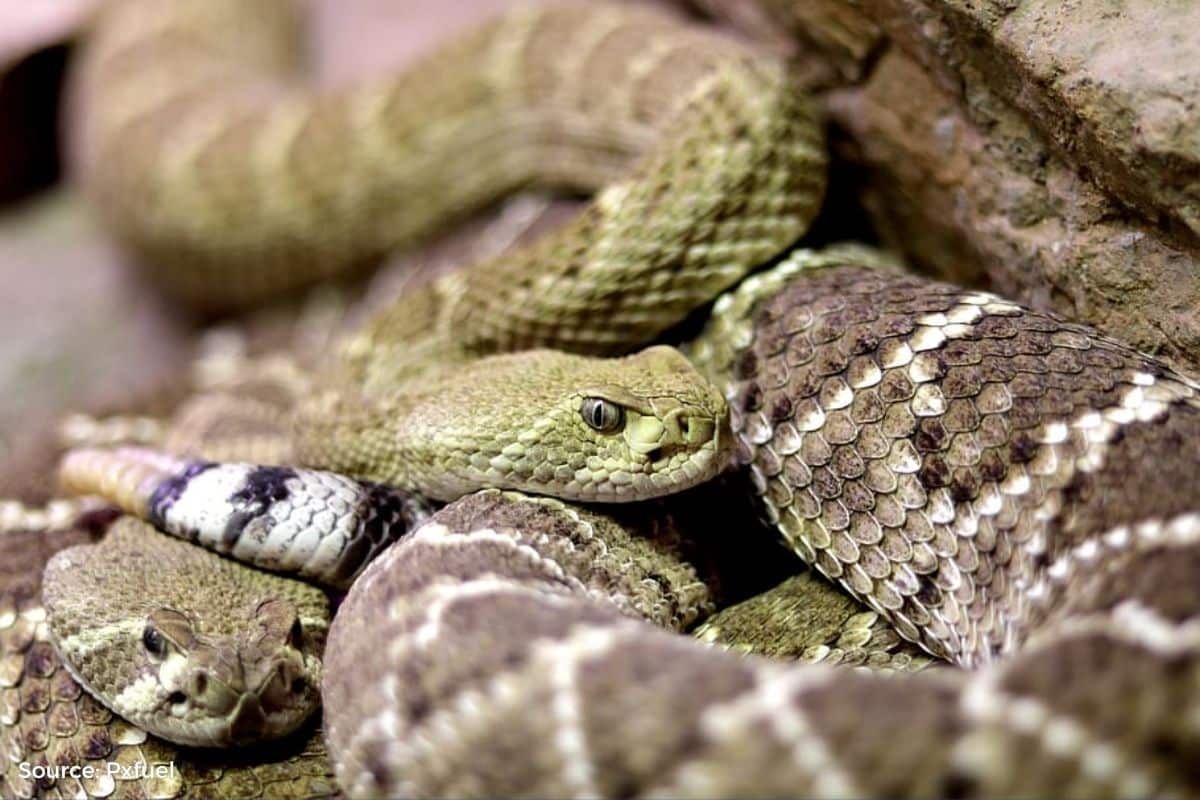
Snakes are known for their hissing, slithering, and unfortunately biting nature. Each year, these reptiles bite an estimated 5.4 million people, causing an alarming number of deaths, ranging from 81,000 to 138,000 deaths, according to the World Health Organization.
Venomous snakes
Venomous snakes have evolved a lethal mechanism to kill their prey. They produce toxic substances in a modified salivary gland and inject this poison into their victims using their fangs. Over millions of years, this poison has evolved to cause severe reactions in victims, including immobilization, haemorrhage, tissue death, and inflammation.
Research from India alone indicates a grim reality 58,000 deaths result from about one million cases of snakebite each year, according to the WHO. Worryingly, this toll is likely to rise due to the impact of climate change. A 2018 study from the University of Kelaniya in Sri Lanka concluded that climate change could increase the number of snakebites by a staggering 31.3 per cent over the next 25 to 50 years.
Data about snakebites in South Asia remains patchy, a fact that prompted the WHO to add snakebite poisoning to its list of neglected tropical diseases in June 2017. Since 2007, when 40,000 snakebites occurred, killing 8,200 people in Pakistan. Nepal’s official Ministry of Health and Population also lacks comprehensive data, despite estimates suggesting 40,000 people are bitten by snakes every year, with about 3,000 deaths.
The WHO estimated that 33,000 snakebites in Sri Lanka between 2012 and 2013 had resulted in 400 deaths, but these numbers are believed to be severely underreported due to the lack of research in the region.
“Because they’re underreported, it’s thought to be maybe not as large of an issue,” said Rmaah Memon, a resident physician at Harvard Affiliated Emergency Medicine Residency.
How dangerous are snakebites?
Studies estimate that each year, about five million snake bites occur worldwide, while 81,000 to 138,000 people die, and about 400,000 people are left with permanent disabilities and amputations. India has the highest burden of such deaths, with snake bites reportedly killing 54,600 people and maiming nearly 2.5 million in 2019 alone. A staggering 86 percent of global deaths and disabilities due to snake bites were from South Asia, with Chhattisgarh, Uttar Pradesh, and Rajasthan recording the most fatalities.
India is home to over 300 species of snakes, of which nearly 60 are known to be venomous. However, about 9 in 10 deaths are caused by the ‘Big Four’ – the spectacled cobra (Naja naja), common krait (Bungarus caeruleus), saw-scaled viper (Echis carinatus), and Russell’s viper (Daboia russelii).
However, not all snakes are dangerous. Only around 15 per cent (450) of snake species are venomous, and out of those, only about a third (150) have the potential to kill or seriously harm humans with a single bite.
Venomous snakes are responsible for numerous fatalities and severe injuries, including tissue necrosis that can lead to amputations. Snake bites are most prevalent and severe in developing countries, particularly in rural areas where antivenom is less accessible. Read on to discover the top 10 deadliest venomous snakes.
Deadliest snakes in world
10 deadliest snakes in India
India has more than 300 snake species, with over 60 of them being venomous. Some of the most venomous snakes in India include:Snake Name Venom Type Length Habitat Effects of Bite Time to Death (Without Antivenom) King Cobra Neurotoxin Up to 18 feet Jungles, swamps, bamboo clusters, rainforests Paralysis, respiratory failure, death 30 minutes Indian Krait Neurotoxin Up to 3 feet Various habitats across India Paralysis, respiratory failure, death 45 minutes Russell’s Viper Hemotoxin Up to 6 feet Nocturnal, found inside camping equipment, automobiles Severe pain, swelling, bleeding, organ damage, death 45 minutes Saw-Scaled Viper Hemotoxin Up to 2 feet Sandy areas, rocky habitats, soft soil, scrublands Severe pain, swelling, bleeding, organ damage, death Varies (often fatal if untreated) Indian Cobra (Naja naja) Neurotoxin Up to 6 feet Various habitats across India Paralysis, respiratory failure, death 2 hours Malabar Pit Viper Hemotoxin Not specified Western Ghats, forests, plantations, urban areas Severe pain, swelling, bleeding, organ damage, death Varies (often fatal if untreated) Banded Krait Neurotoxin Up to 3 feet Coastal areas of India Paralysis, respiratory failure, death Varies (often fatal if untreated) Bamboo Pit Viper Hemotoxin Up to 2.5 feet Mountainous regions of Western Ghats, vines, bushes, bamboo Severe pain, swelling, bleeding, organ damage, death Varies (often fatal if untreated) Hump-Nosed Pit Viper Hemotoxin Not specified Forests, grasslands, agricultural areas in South India Severe pain, swelling, bleeding, organ damage, death Varies (often fatal if untreated) Andaman Pit Viper Hemotoxin Up to 2 feet Andaman and Nicobar Islands, mangroves, shorelines Severe pain, gangrene if untreated, tissue death Varies (rarely fatal, but serious)
How is climate change affecting snakebites?
Keep Reading
11 deadliest Heat waves in world history
What Is Highest Temperature Any City Surpassed On Earth So Far?
China Records Highest Ever Temperature, What Does It Means To World?
Why Are High Wet-Bulb Temperatures So Dangerous?
Support us to keep independent environmental journalism alive in India.
Follow Ground Report on X, Instagram and Facebook for environmental and underreported stories from the margins. Give us feedback on our email id greport2018@gmail.com.
Don’t forget to Subscribe to our weekly newsletter, Join our community on WhatsApp, and Follow our YouTube Channel for video stories.