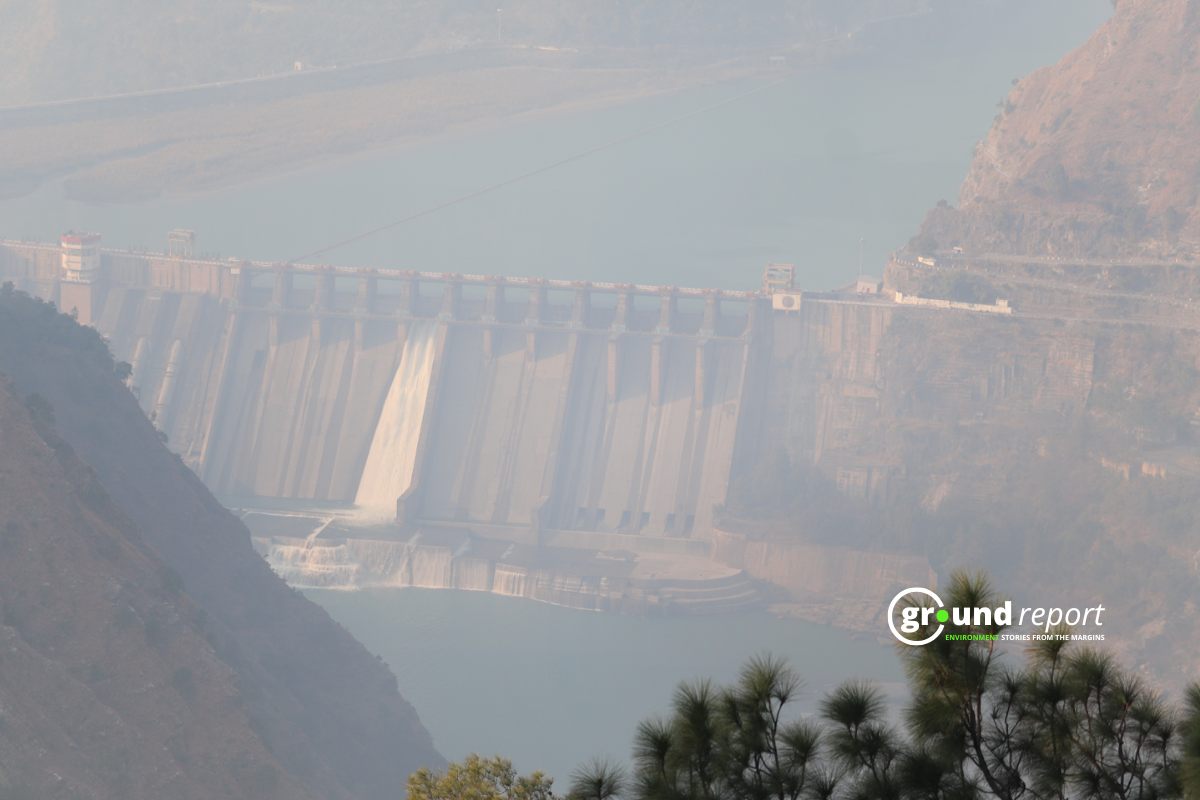


A radio-collared wild elephant, E-5, from Bandhavgarh Tiger Reserve, crossed the Bansagar Dam reservoir and reached the Amarpatan area of Maihar district. The elephant killed 50-year-old Kanchhedi Yadav, damaged around three houses, and crushed two goats to death.
In the letter issued by Maihar Collector Bidisha Mukherjee on 8 September 2026, the elephant came from the Umaria area of Bandhavgarh Tiger Reserve and entered the Maihar Forest Division after crossing a nearly five-kilometre-wide stretch of the Bansagar Dam reservoir.
The Forest Department is monitoring the movements using a GPS collar.
The incident in Maihar highlights the growing challenge of human-elephant conflict in Madhya Pradesh, as elephants from established habitats such as Bandhavgarh increasingly move into new areas and closer to human settlements.
While the immediate priority is to prevent further casualties and safely move the elephant away from populated areas, wildlife experts say such incidents need to be understood as part of a larger, interconnected elephant landscape across central India.
Casualty and Damage
Maihar Forest Department Sub-Divisional Officer (SDO) Siddharth Dipankar said that Kanchhedi Yadav was killed late on the night of 7 September after encountering the elephant in Singpur Mauhari of Ramnagar Puraina Panchayat. Kanchhedi had stepped outside his house to save his bullocks; that’s when the elephant trampled him.
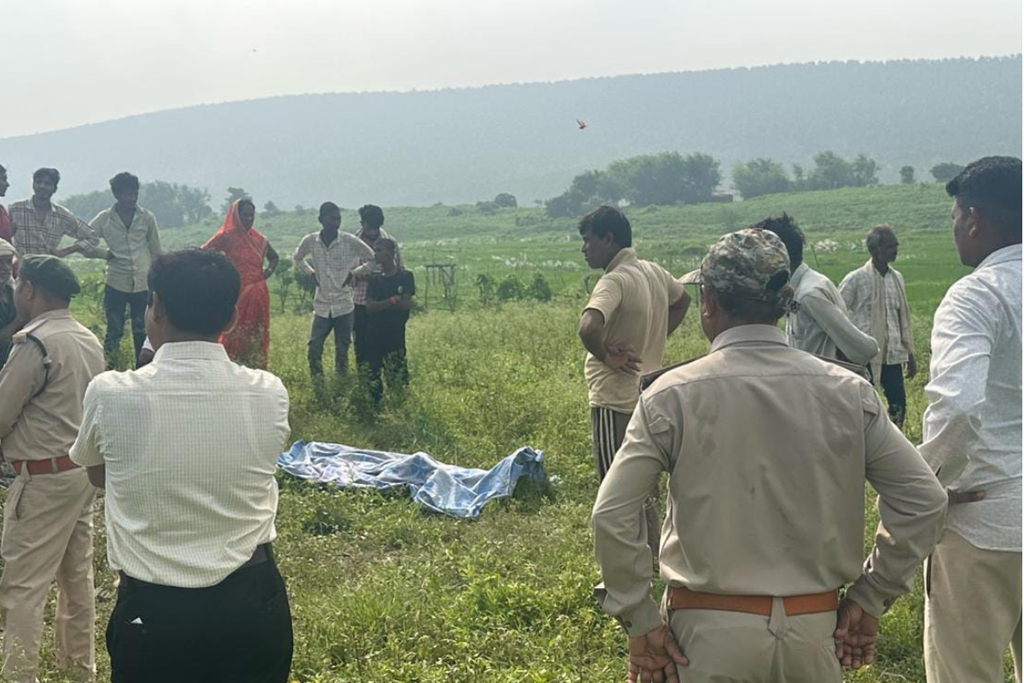
According to the deceased’s brother, Ramdatt Yadav, a bullock tied near the house ran away after breaking its rope. Kanchhedi went outside and encountered the elephant while heading towards the fields. His brother said the elephant subsequently damaged nearby houses as well.
Following Kanchhedi Yadav’s death, his family sought a written assurance from the Forest Department regarding the compensation amount. His brother said the family should be clearly informed about how much compensation it would receive under government provisions.
Dipankar said that the department provided the family with immediate assistance of Rs 50,000. The remaining compensation process will be completed after the necessary documents and post-mortem report are submitted.
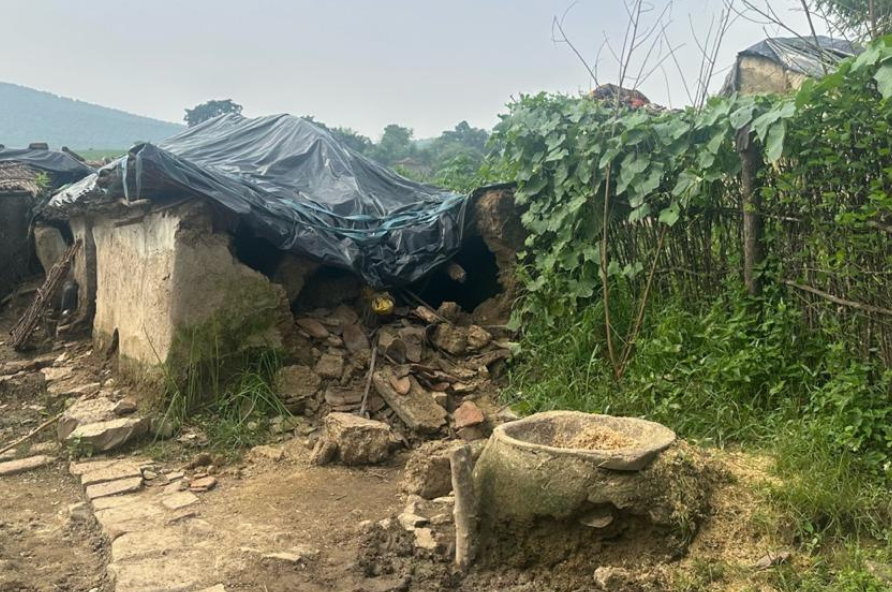
He added that the elephant damaged around three houses and two goats were also crushed to death. Leeladhar Tiwari, a resident of Obra village, also said that the elephant damaged his house.
“The elephant broke my house. Whatever belongings were inside the house were also damaged,” Tiwari said.
The administration has described the elephant’s behaviour as aggressive and violent and directed officials to take necessary measures to ensure the safety of villagers. Whereas wildlife activist Ajay Dubey questioned the elephant’s description as “violent”. He argued that to understand the behaviour, circumstances have to be accounted for.
He said, for instance, “calling the elephant ‘violent’ is not right. If someone approaches it, blocks its path or disturbs it, it will react. That is its natural behaviour,” Dubey said.
Attempts Underway
Following the incident, the Forest Department team has been trying to move the elephant away from populated areas and back towards the forest. According to SDO Dipankar, departmental vehicles and other resources have been deployed for the operation.
“We are currently trying to send the elephant back towards the forest using vehicle lights and firecrackers,” Dipankar said. “We have alerted people in the surrounding areas, and our vehicles are continuously moving through the area. People have been told not to step outside their homes.”
Dubey urged caution over the methods being used to control the elephant. He also said that torches and firecrackers should not be used on elephants or other wildlife.
A study conducted in Sri Lanka found that the repeated use of loud firecrackers to drive elephants away can affect their hearing. This may cause elephants to stop responding to such methods, potentially increasing instances of human-elephant conflict.
“The operation to move the elephant towards the forest should be carried out only under the direction of a trained wildlife management team,” Dubey further said. “Conducting such an operation without keeping people at a safe distance can be dangerous.”
The Forest Department said that the elephant E-5 has been traced, and the Bandhavgarh team is also monitoring it. Officials said a large, level platform would be required to safely tranquilise the elephant.
Villagers urged to remain alert
In view of the elephant’s presence, the administration has directed officials from the revenue, police, panchayat and Forest Department in the Maihar, Amarpatan and Ramnagar areas to work in coordination. Villagers are being alerted through loudspeaker announcements in areas where the elephant is likely to move.
The administration has also directed officials to make arrangements to shift people living in mud houses and huts to safe, permanent buildings if necessary.
Maihar DFO Vidya Bhushan Mishra has appealed to people not to “attempt to take a selfie or photograph of the elephant under any circumstances. Maintaining a safe distance from the elephant is the most important thing for people’s safety,” he said.
He said that if people spot the elephant, they should immediately inform the Forest Department instead of following it themselves.
Elephants increasingly moving into new areas
Apart from Maihar, elephant presence has also been recorded in Chhindwara, Seoni and Rewa-Mauganj, with the animals at times reaching close to agricultural fields and populated areas. The Forest Department increased surveillance in Chhindwara and Seoni.
Elephants that travelled from Bandhavgarh to Rewa-Mauganj in February have still not returned to Bandhavgarh.
Dubey said the elephant’s arrival in Maihar should not be viewed merely as a local incident. The movement of elephants in central India needs to be understood in the context of a larger landscape.
“West Bengal, Odisha, Jharkhand, Chhattisgarh and Madhya Pradesh should not be viewed as separate states for elephants, but as one connected landscape,” Dubey said.
According to Dubey, as the presence of elephants increases in areas such as Bandhavgarh and Sanjay Tiger Reserves, the possibility of them moving into new areas will also remain.
“If the elephant population increases in areas such as Bandhavgarh and Sanjay, they may look for new territories. Therefore, we may see their presence in other parts as well in the coming period,” Dubey added.
For now, the biggest priority for the Maihar administration and Forest Department is to prevent possible conflict between the elephant and villagers. Continuous monitoring of the elephant, timely information to villagers, and keeping crowds away from the animal will be crucial.
Support Us To Sustain Independent Environmental Journalism In India.
More Ground Reports
He Was Married as a Child, Now Manish Dangi Helps Stop It for Others
Despite The Ban, How Gutkha Became MP’s Most Common Household Habit