
India is heading into its monsoon season with the worst rainfall outlook in recent years. The India Meteorological Department revised its Southwest Monsoon forecast downward on May 29 to 90 per cent of the long period average — and gave a 60 per cent probability of a deficient season.
A deficient monsoon means rainfall falling below 90 per cent of the LPA, defined as the 868.6mm average recorded between 1971 and 2020. In plain terms: large parts of India could face drought conditions between June and September.
The revision is a significant deterioration. In April, IMD had forecast 92 per cent of LPA with only a 35 per cent chance of deficiency.
IMD puts the probability of El Niño developing over the equatorial Pacific at 92 per cent during the monsoon season. El Niño — the warming of the Pacific Ocean that historically suppresses Indian monsoon rainfall — could set in as early as June.
“We can expect weak El Niño conditions to set in as early as June,” said M. Ravichandran, Secretary, Ministry of Earth Sciences.
A positive Indian Ocean Dipole, which can partially offset El Niño’s damage to Indian rainfall, is not expected to develop this season.
Where the Rain Will and Won’t Fall
Northeast India is the only region forecast to receive normal rainfall, between 94 and 106 per cent of LPA. The rest of the country faces a harder outlook.
Northwest India could receive below 92 per cent of LPA. Central and south peninsular India could drop below 94 per cent. The monsoon core zone — the vast rain-fed farmland belt across central, western and eastern India — also faces below-normal rainfall.
“Below-normal rainfall may lead to challenges for agriculture, water availability, hydropower generation, and ecosystem sustainability, along with increased risks of drought and heat stress,” IMD warned.
A Brutal June
June itself may be the worst month. IMD forecasts above-normal heatwave days across large parts of Uttar Pradesh, Haryana, Punjab, Bihar, Odisha, Chhattisgarh, Gujarat and Andhra Pradesh. Isolated areas of Maharashtra, Telangana, Himachal Pradesh and Tamil Nadu face the same risk.
“Normally three heatwave days are expected in these regions. But we are expecting two to three additional heatwave days in June,” said M. Mohapatra, Director General, IMD.
June rainfall is also forecast to be below 92 per cent of LPA nationally — an early blow before the season has properly begun.
Monsoon onset over Kerala, normally around June 1, has already been delayed. A typhoon over the West Pacific is pulling moisture away from the Arabian Sea, while a cyclonic circulation over Lakshadweep is limiting rainfall over the coast. IMD now expects meaningful rainfall only after June 11.
Who Bears the Burden
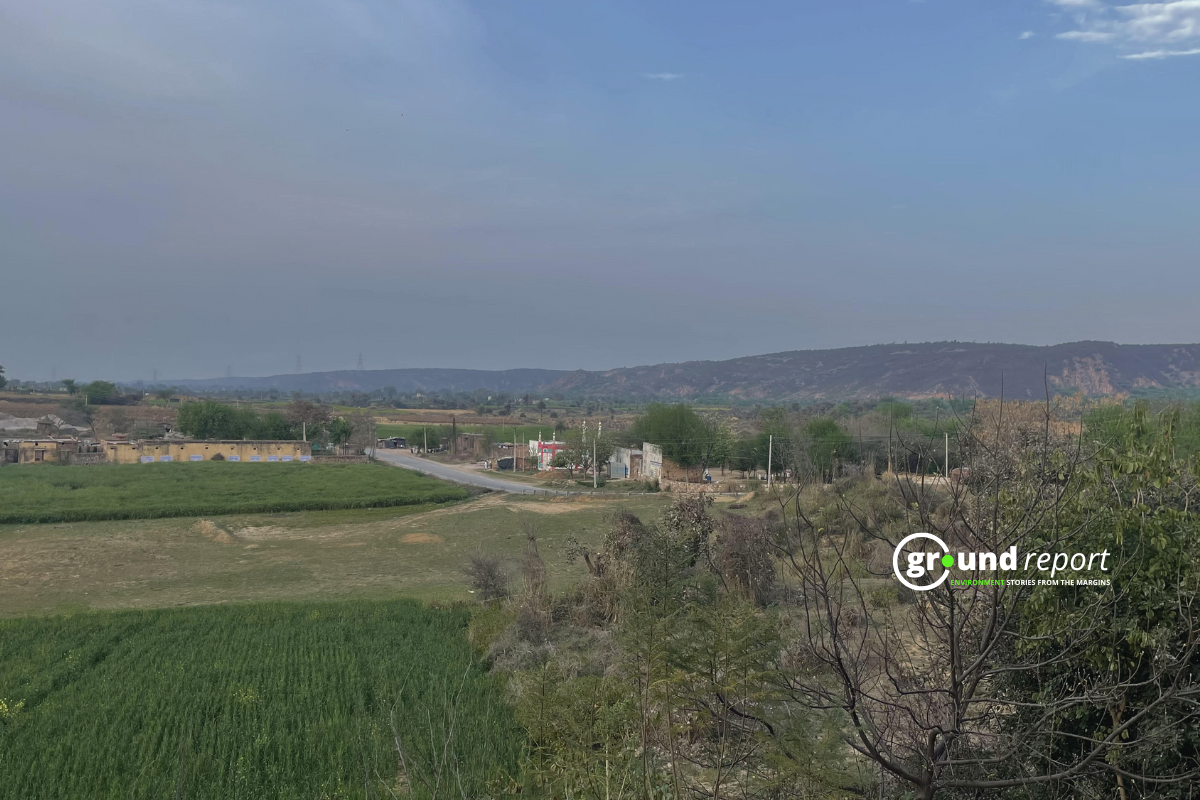
Nearly half of India’s net-sown farmland has no irrigation. For those farmers, the monsoon is not a seasonal event — it is the only water source. A deficient season compounds an already stressed agricultural picture, with fertiliser supply chains disrupted by conflict in West Asia.
IMD specifically flagged the elderly, children, outdoor workers and people with pre-existing health conditions as most vulnerable to the heatwave weeks ahead. State governments have been asked to ready cooling shelters, ensure drinking water supply, and activate emergency health systems.
For millions in rain-fed India, the question is no longer whether this monsoon will disappoint — it is how badly.
Support Us To Sustain Independent Environmental Journalism In India.
Keep Reading
Despite The Ban, How Gutkha Became MP’s Most Common Household Habit
Betwa River Origin Dried Up, Volunteers Revived It in Just 7 Days