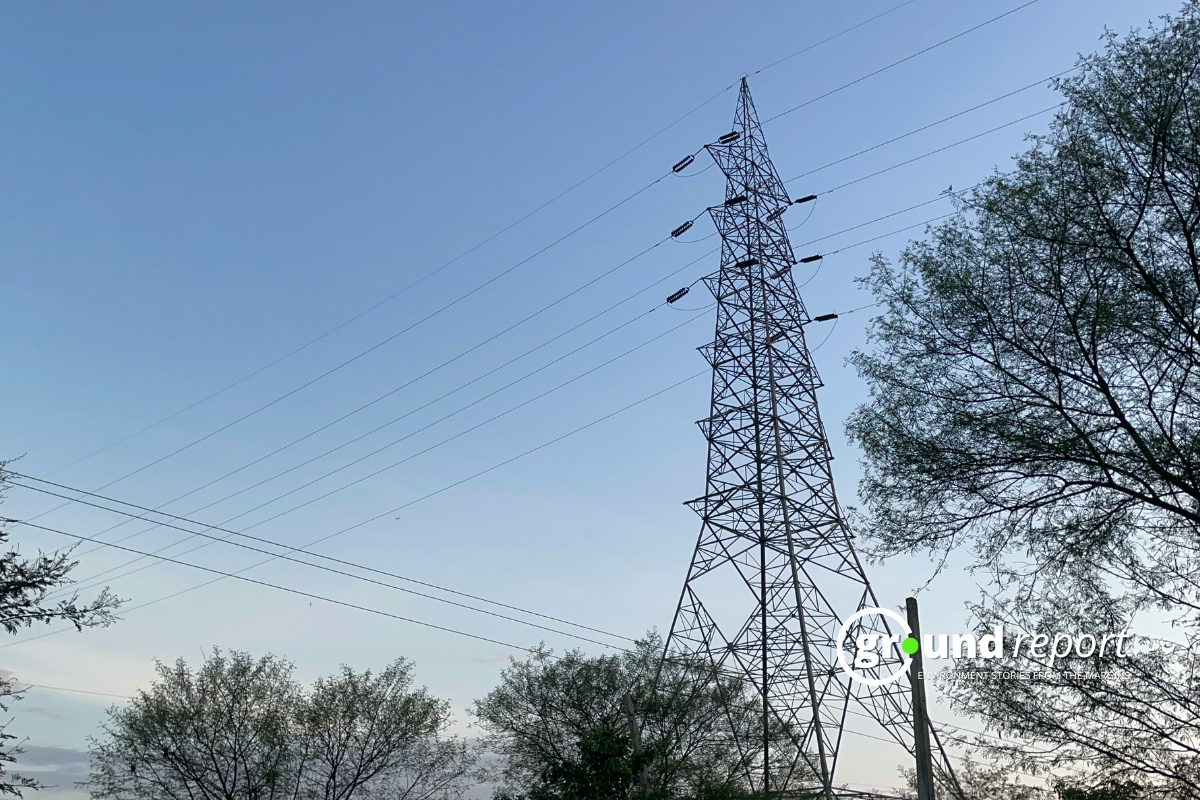
India’s power grid faces its toughest test yet. A super El Niño forming in the Pacific could force the country to burn nearly 18 more terawatt-hours of coal within a year, according to a new analysis by the Centre for Research on Energy and Clean Air (CREA).
No country will feel the strain more than India.
Heat, Not Renewables, Drives the Gap
El Niño will cut India’s wind and hydropower output by weakening rainfall and wind speeds. But the bigger threat comes from air conditioners. CREA projects cooling demand alone could rise by 10 TWh over the next year, equal to roughly a quarter of Delhi’s total annual electricity use.
Combined with falling renewable output, the shortfall could reach nearly 18 TWh between July 2026 and June 2027. Coal plants would likely fill that gap, adding an estimated 17 million tonnes of carbon dioxide. In CREA’s worst-case scenario, extra coal generation climbs to 24 TWh, about half of India’s entire increase in coal burn last year.
Nandikesh Sivalingam, director of CREA, said the country has little room to spare.
“India has just endured a deadly heatwave and one of its hottest summers on record, pushing power demand to an all-time high of 270 GW,” Sivalingam said. “India must stay on track for its target of 500 GW of non-fossil power by 2030 but also move much faster on batteries and grid upgrades, so that clean energy can meet future surges in power demand reliably and affordably.”
Solar Holds Steady While Storage Lags
Solar power offers a rare bright spot. It now meets 24% of India’s daytime electricity demand and, unlike wind and hydropower, barely wavers during El Niño.
India added 44.6 GW of solar capacity last year, almost double the year before. In 2025, total electricity generation rose 1%, coal generation fell 4%, and renewable output grew 22%. Between January and May 2026, thermal generation stayed below 2024 levels even as demand hit record highs and solar output jumped nearly a third.
Still, more solar panels won’t solve the problem alone. Grid operators curtailed 2.1 TWh of solar and wind power last year just to keep coal plants running, because the grid lacked the flexibility to use clean power when it mattered. Ember estimates that just 10 gigawatt-hours of battery storage, charging at midday and discharging in the evening, could have absorbed that wasted power instead.
That same storage could let solar cover much of the evening demand that El Niño will intensify. Yet India is still lining up roughly 130 GW of new coal capacity, plants that are slow to build, costly, and risk becoming obsolete before they ever switch on.
The Cost of Choosing Coal
Coal has consequences beyond emissions. CREA projects this super El Niño could cause roughly 2,700 additional heat-related deaths in India during 2026-27, the second-highest toll of any country after Indonesia.
El Niño strikes every two to seven years. Whether India meets or beats its solar and battery targets before the next one arrives will decide how much of that toll the country can avoid.
Support Us To Sustain Independent Environmental Journalism In India.
More Ground Reports
He Was Married as a Child, Now Manish Dangi Helps Stop It for Others
Despite The Ban, How Gutkha Became MP’s Most Common Household Habit