India is preparing to introduce cheetahs to Gandhi Sagar Wildlife Sanctuary in western Madhya Pradesh, marking the next major step in Project Cheetah, the world’s first intercontinental large wild carnivore translocation programme. The sanctuary is set to become the second home for cheetahs in India after Kuno National Park.
The Madhya Pradesh government has completed initial groundwork at the 368.62 sq km sanctuary, which spans the districts of Mandsaur and Neemuch, bordering Rajasthan.
Why Gandhi Sagar?
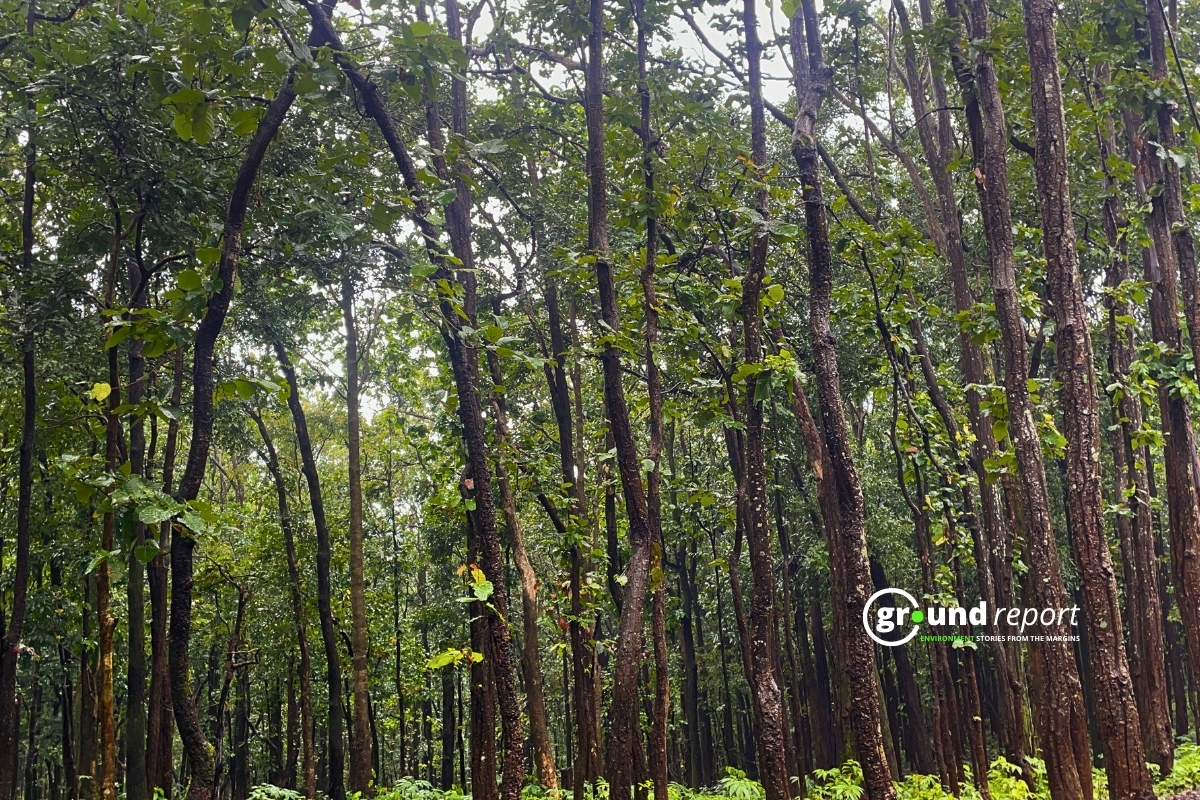
Officials describe the sanctuary’s landscape as near-ideal for cheetahs. Its flat rocky plateau, open grasslands, and dry deciduous forests closely resemble the African savanna the species naturally inhabits.
“The landscape has much promise. It looks like Maasai Mara. Gandhi Sagar has the best habitat for cheetahs in India after Kuno,” a senior Madhya Pradesh wildlife official told The Indian Express.
The Chambal River splits the sanctuary into two roughly equal halves. The Gandhi Sagar Dam, built in 1960, sits within the sanctuary boundaries. Officials see the potential to eventually expand the cheetah habitat to around 2,000 sq km, depending on coordinated management between Madhya Pradesh and Rajasthan.
Infrastructure on the Ground
Authorities have developed a 64 sq km fenced area at a cost of ₹17.72 crore. A one sq km soft release enclosure, divided into four partitions, has been constructed to allow cheetahs to acclimatise before entering the wider habitat. A dedicated veterinary hospital is also under construction.
Wildlife officials have relocated prey animals, including spotted deer and Indian bison, from Kanha, Satpura, and Sanjay tiger reserves to help build an adequate prey base for the incoming predators.
Food remains the most pressing challenge. A Wildlife Institute of India assessment found that a single cheetah coalition requires a population of around 350 ungulates to survive sustainably. Officials are now pushing to relocate approximately 5,000 antelopes to the sanctuary.
An insufficient prey base has also been a persistent issue at Kuno, where 20 cheetahs were introduced between 2022 and 2023, eight from Namibia and twelve from South Africa.
Competing Predators and Human Proximity
Leopards, sloth bears, striped hyenas, and grey wolves already inhabit Gandhi Sagar. They will compete with cheetahs for prey and territory.
Unlike Kuno, highways and human settlements run directly along Gandhi Sagar’s boundaries, adding pressure on the protected zone. Officials say the Neemuch side of the Chambal will be developed first, as it sees less human activity than the Mandsaur side.
More Ground Reports
What does Ramsar status actually change for Bihar’s wetlands?
MP Poshan Aahar Closures Put Rural Women’s Livelihoods at Risk