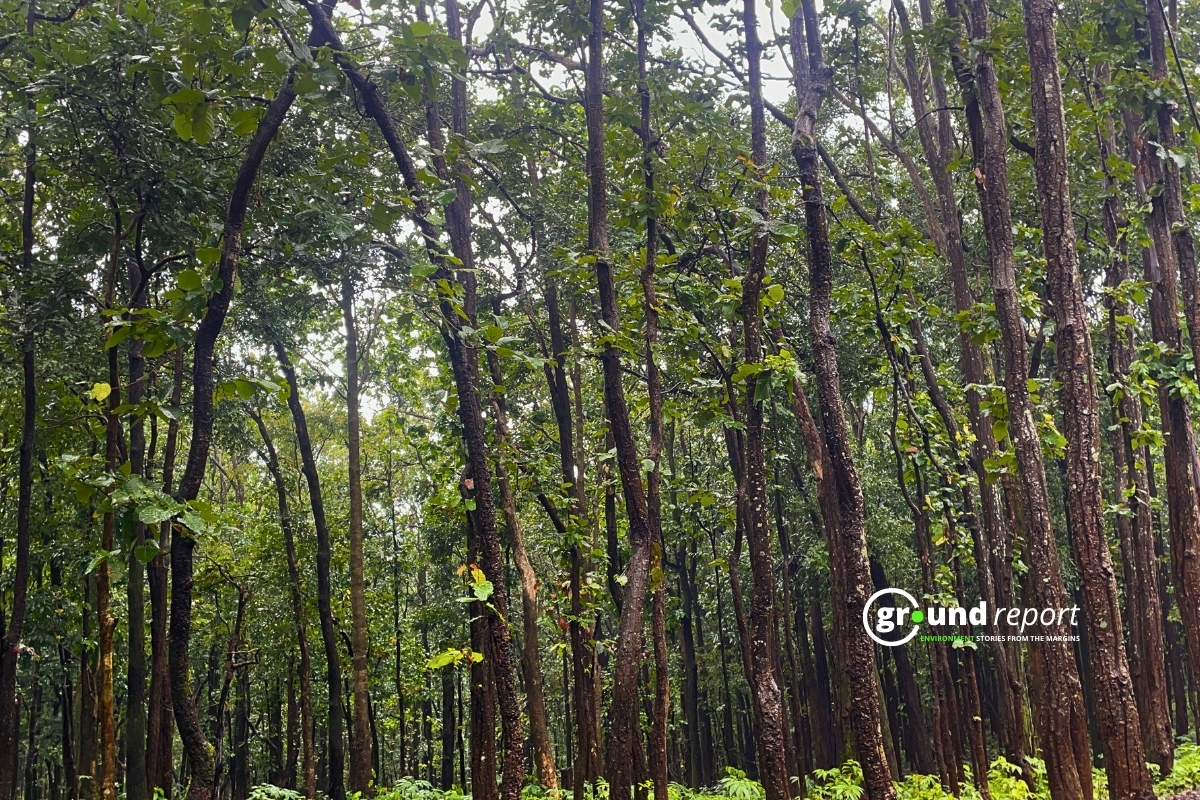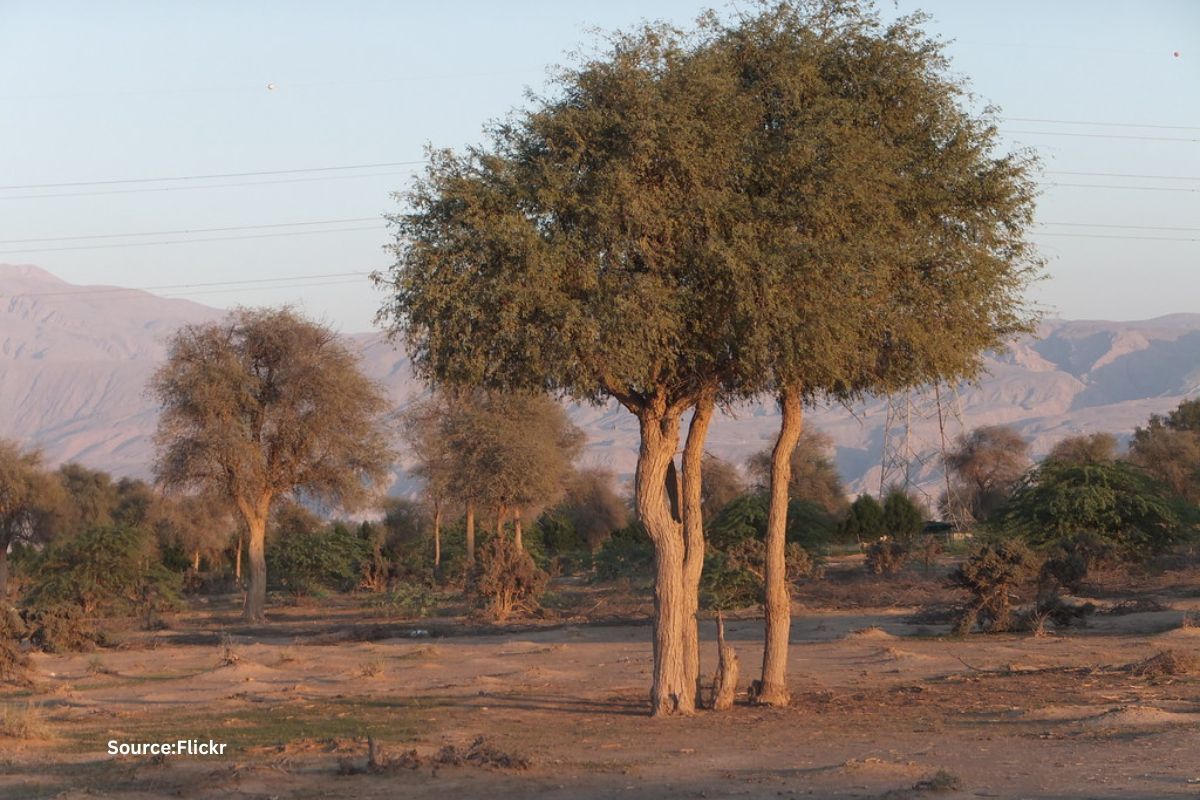
At least 17 countries, including China and Japan, Argentina, and the United Arab Emirates, exported saplings to India. These saplings include CAMPHOR LAUREL (Cinnamomum camphora) from China and Japan, Cockspur Coral (Erythrina crysta-galli) from Argentina, and Ghaf from the United Arab Emirates. During the summit this weekend, the visiting G20 leaders will personally plant these saplings in the national capital.
Saplings of different types of trees have been brought into the G20 countries from various places. Among these, some have come from South Korea, Saudi Arabia, Italy, Turkey, South Africa, Germany, Argentina, China, Japan, and Australia.
For example, people brought about twelve small Winterlinde trees from Germany, people brought seven Olive plants from Turkey, people imported five Real Yellowwood plants from South Africa, and people brought six Date Palm plants from Saudi Arabia.
In addition, there are some other countries that are not part of the G20, but they have also brought saplings of various trees. These countries include the United Arab Emirates, Oman, Mauritius, Bangladesh, Nigeria, Egypt, and Spain.
They have brought trees like the Ghaf tree, Frankincense, Frangipani, mango tree, African Mahogany, Doum/Date Palm, and Olive tree from their respective regions.
G20 leaders will plant these saplings
| Country | Selected Species |
|---|---|
| South Korea | Silver Tree |
| Saudi Arabia | Date Palm |
| Italy | Olive Tree |
| South Africa | Real Yellowwood |
| Turkey | Olive Tree |
| Germany | Winterlinde |
| Argentina | Cockspur Coral Tree |
| Japan | Camphor Laurel |
| Australia | Golden Wattle |
| China | Camphor |
Sources have learned that the ICAR-National Bureau of Plant Genetic Resources in Pusa, New Delhi imported these saplings over the past two months and are currently keeping them at a post-entry quarantine facility. The saplings are scheduled to be dispatched from there to the plantation site, although the exact location has not been announced yet due to security reasons.
The French President has sourced the Sycamore/Chinar (Platanus orientalis) plant locally. Russia’s representative has sourced the Chir Pine (Pinus roxburghii). The US President has sourced the Queen’s Crepe-myrtle (Lagerstroemia speciosa). The UK Prime Minister has sourced the Weeping Willow (Salix babylonica). Canada has sourced the Arjun (Terminalia arjuna). Indonesia has sourced the Teak tree (Tectona Grandis). Brazil has sourced the Fern tree (Jacaranda mimosifolia).
According to a report in the Indian Express, the process of importing these saplings started around May or June this year. Officials from the Ministry of External Affairs got in touch with the Ministry of Agriculture to figure out which plants would thrive in Delhi’s climate.
It turns out that the Prime Minister had the idea to plant trees native to G20 countries, and these trees should have some special meaning in the country they come from, whether it’s religious, cultural, or national. After that, the G20 Summit team and Agriculture Ministry officials had several meetings to make sure the saplings would arrive in Delhi well before the summit.
Keep Reading
- Deltas Most Important Rivers Of Asia Are In Danger: Study
- Kochi Corporation And Railway Station Served Notices For Pollution Violations
- Glacier Retreat To Reduce Indus, Ganges, Brahmaputra Flow: UN Chief
Follow Ground Report for Climate Change and Under-Reported issues in India. Connect with us on Facebook, Twitter, Koo App, Instagram, Whatsapp and YouTube. Write us on GReport2018@gmail.com.