
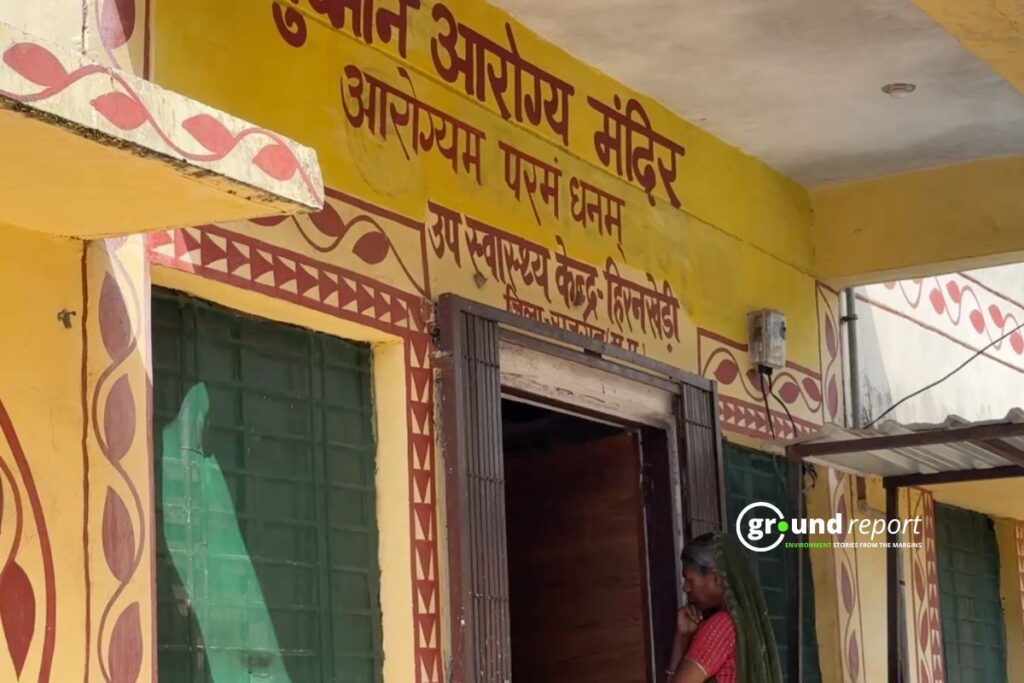
Rajgarh, Madhya Pradesh — The sun is overhead, blazing, when Nisa arrives at the sub-health center in Hirankhedi, Rajgarh. The center is busy with other patients for check-ups, immunization, and the recently launched human papillomavirus (HPV) vaccination against cervical cancer.
The walls are full of all the necessary health guidelines and advice. A ceiling fan is still out due to a lack of electricity. Almost all plastic and steel chairs are occupied. And, in the corner, just beside the gate, Nisa is sitting with a docile, drooping shoulder in a saree. Around her, other women settle in quietly, handling their babies. All are dealing with the heat and lack of electricity at the center.
Almost immediately, one can notice that she is underage for marriage and definitely for pregnancy.
Nisa is 17. She is also pregnant, about a month and a half along, she thinks. She isn’t sure of the exact date. She got married around Shivratri, which was the 15th of February. And now her mother-in-law accompanies Nisa for routine check-ups.
She speaks in a low, even voice. She said she had not wanted to get married so soon. She had told her parents that. She had argued, she says, two or three times, maybe more. She had asked to study first, to have her name put on a school register, and to be given some time. “If they had enrolled me, I would have studied with full attention,” she says. “But they didn’t.”
Her older brother’s wedding was coming. Someone had to go first. “Whatever Mummy-Papa thought was right,” she says, “they did.”
Now she is here, far from home and pregnant, in a healthcare center that, under the scorching afternoon sun, smells of heat.
Pregnancy among adolescent girls is often associated with higher health risks for both mother and child. A 2010 study published in the BMJ, using National Family and Health Survey (NFHS)-3 data, found that children born to women married before the age of 18 were significantly more likely to be stunted and underweight, highlighting how child marriage can contribute to intergenerational malnutrition.
Recently released, NFHS-6 (2023–24) data show that 29.3% of children under five in India were stunted, 19% were wasted, and 31.8% were underweight. While these figures represent an improvement from NFHS-3 (2005–06), when 48% of children were stunted and 43% were underweight, wasting has remained stubbornly high.
And despite improvements in recent years, Madhya Pradesh continues to perform worse than the national average on several child nutrition indicators. NFHS-6 found that 36% of children under five in the state were stunted, 18.7% were wasted, and 33% were underweight. The survey also found that 24% of women aged 15–49 had a Body Mass Index below the normal range.
According to NFHS-5 (2019–21), 72.7% of children aged 6–59 months in Madhya Pradesh were anemic, among the highest rates in the country. Nationally, 57% of women aged 15–49 were anemic, up from 53% in NFHS-4. The anemia figures are not included in the recently released NFHS-6 fact sheets.
Child marriage, adolescent pregnancy, and poor nutrition often reinforce one another. NFHS-6 found that 20% of women aged 20–24 in Madhya Pradesh had been married before turning 18, while 5.6% of girls aged 15–19 were already mothers or pregnant at the time of the survey.
The under-five mortality (U5MR) in the state fell from 65 to 49 per 1,000 live births between 2015–16 and 2019–21. Babies born to teenage mothers are more likely to die before their first birthday than babies born to women aged 20–29. The data shows 52 infant deaths per 1,000 live births among teenage mothers, compared to 39 per 1,000 among mothers in their twenties.
The U5MR is often considered an important indicator for the nation’s overall health. The recently released NFHS-6 fact sheets do not include updated mortality estimates.
A girl who marries and becomes pregnant in this condition is compounding risk upon risk. She is less likely to gain adequate weight during pregnancy, more likely to deliver prematurely, and more likely to produce a low-birthweight baby who will begin life already nutritionally compromised. And Nisa understands all this.
This cycle of malnutrition is one of the most stubborn challenges in Indian public health.
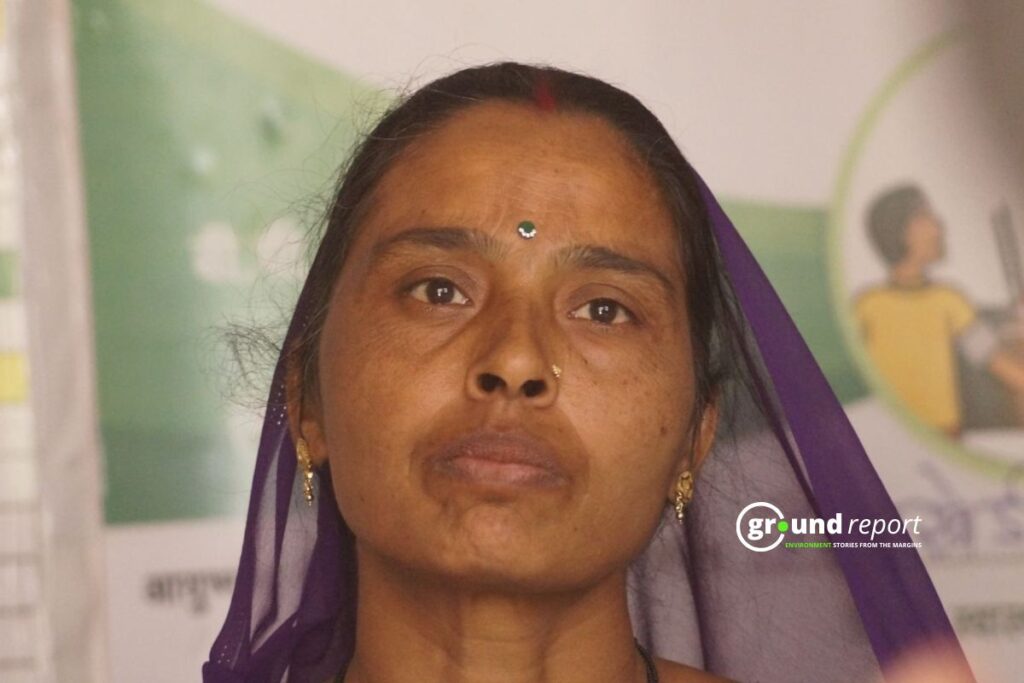
Frontline Community Health Workers
Rekha Goud is an ASHA (Accredited Social Health Activist) worker, a frontline community health volunteer who, in many rural Indian villages, serves as the only link between a pregnant teenager and the formal healthcare system.
As an ASHA, Goud registers pregnant women, tracks immunizations, distributes contraceptives, and counsels families. Goud distributes the Nayi Pahal kit to ASHA workers to promote family planning awareness among newlywed couples. The kit contains informational leaflets, condoms, menstrual tracking cards, oral contraceptive pills, pregnancy test kits, and other essentials to support informed and responsible family planning decisions.
But in communities where child marriage is common, she has to do a lot more to ensure underage pregnancy is dealt with urgency and necessary supervision. Even with continuous engagement with communities and discouragement of child marriage, there are incidents in the villages.
In the previous article in the series, we described the practices that enable child marriage in Rajgarh and how community health workers, NGOs, and local administrations come together to face the social ills.
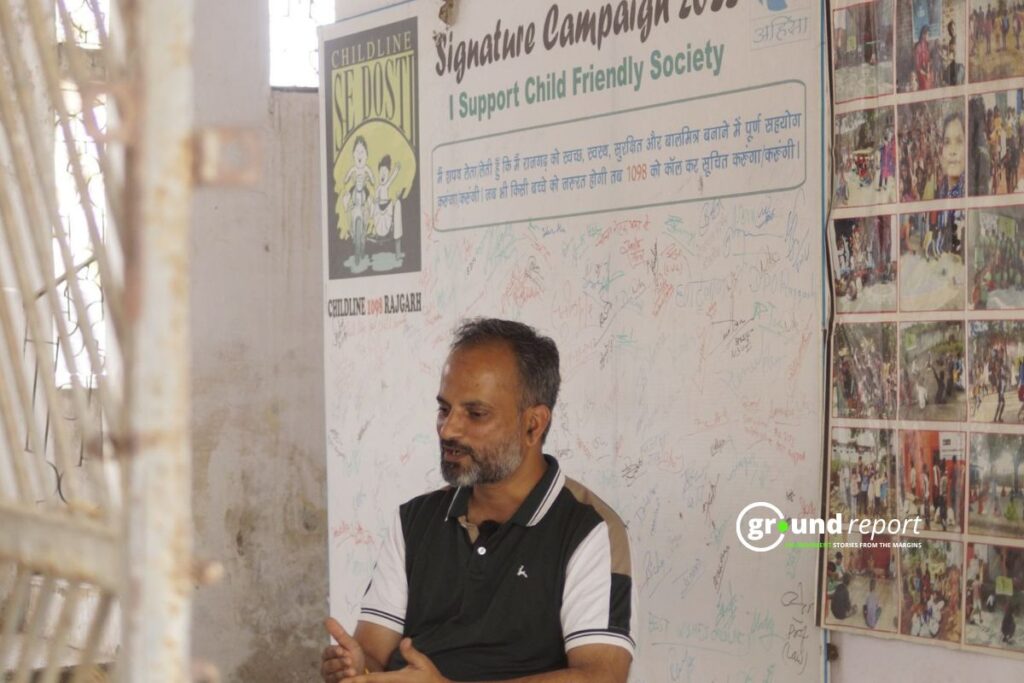
A local custom where families pledge their children to each other when the children are still young. If a family later wants to break the arrangement, the other side can demand compensation. This social trap, layered on top of poverty, low literacy, and a deep-seated sense that girls are liabilities, has made Rajgarh a persistent outlier even as Madhya Pradesh as a whole makes measurable progress. We have discussed this in detail in the previous article.
Rekha is part of the resistance.
When persuasion fails, Goud has, in extreme cases, involved the police. She recounted a case where a family refused to bring a critically ill minor to a sub-health center. “They abused us badly. But we didn’t back down. We took the case to the district hospital. The collector and many officials all went together.”
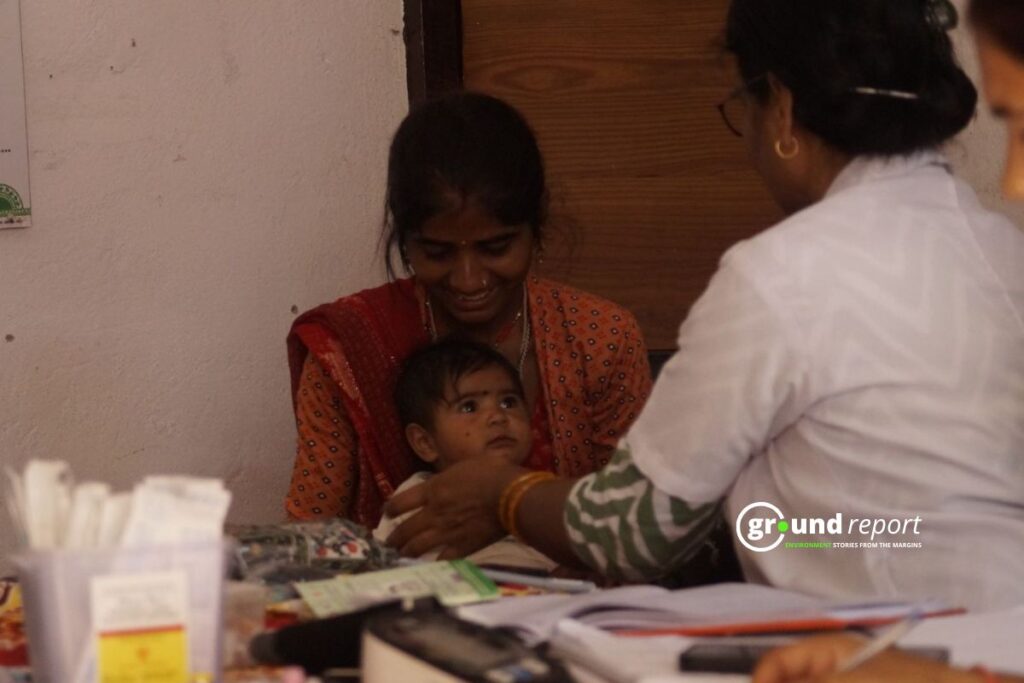
She mentions Reshma, a young woman, also a minor, who became pregnant and is also high-risk. Her family was also resistant at first to antenatal visits, iron supplements, and check-ups. Rekha went to Reshma’s house once. She went again. When the day came for a scheduled clinic visit, and Reshma didn’t arrive, she went back twice in a single morning.
She recounted that she goes back ten times when once doesn’t work; she stands in courtyards while people shout at her, she pays the bus fare, she finds the girl who didn’t come in, and she brings her. Pregnancy, or underage pregnancy, with underlined nutritional deficiencies, can be critical, though, “If proper care is given,” Rekha says simply, “things don’t have to go wrong.”
She gets a monthly incentive of ₹6,000, plus some extra based on performance. Her family supports her; they consider her work as samaj seva, service to the community. But even she admits that a proper wage would make it easier to mean it fully, to give the work the weight it deserves.
A 2024 study in PLOS Global Public Health, using 2019 impact evaluation data from 6,635 mothers in Madhya Pradesh and Bihar, found that coordinated counseling from both ASHA and Anganwadi workers was associated with significantly better outcomes across birth preparedness, institutional delivery, and postnatal care.
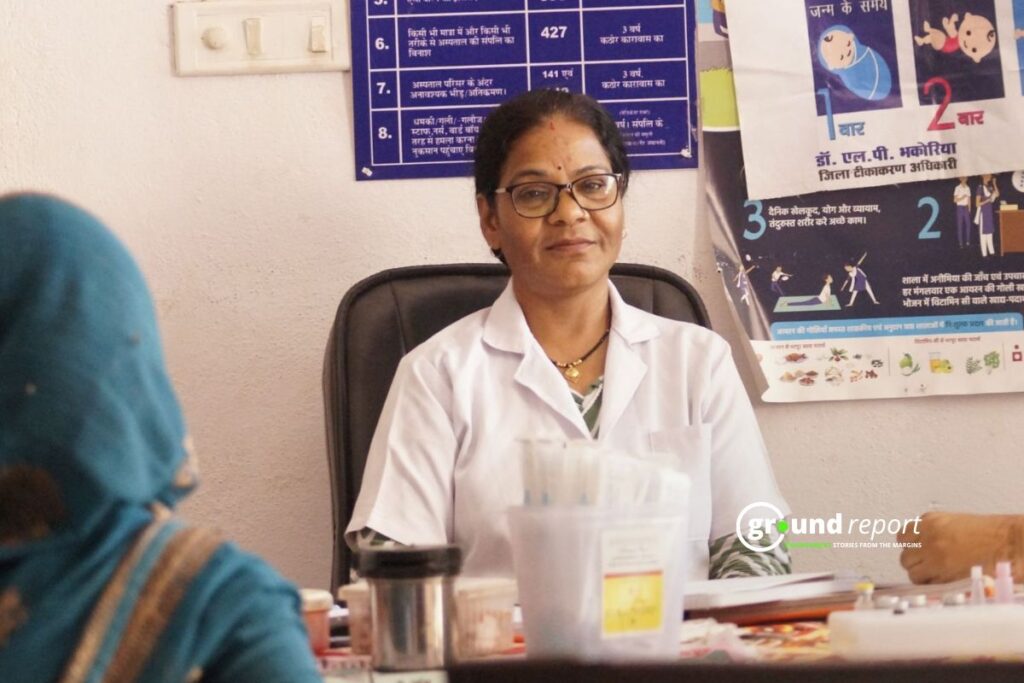
Sushila Vijay Vargi, the Auxiliary Nurse Midwife (ANM) at the sub-health center at Hirankhed, explains the process.
As soon as an ASHA worker finds out about the pregnancy, she collects the mother’s Aadhaar card, Samagra ID, and registration documents. A patient ID is generated. Then, blood pressure, blood sugar, hemoglobin, and urine are all tested. Iron, calcium, and folic acid tablets are dispensed. The woman is logged on to government digital platforms—Anmol (Auxiliary Nurse Midwife Online) and UWIN (Vaccination Portal)—and is tracked throughout her nine-month pregnancy.
The underage girls often cannot be registered on the Samagra system (which only adds names at 18), so they lose access to financial benefits—JSY (Janani Suraksha Yojana) cash transfers after delivery.
The Cycle of Malnutrition
In the case of an underage pregnancy, the sub-health center transfers the case to the gynecologist, who is in the district hospital. Dr. Sunita Dangi, Community Health Officer (CHO) of Heerankhedi, said that roughly 10% of monthly registrations involve girls under 18, about one per 15 pregnancies.
The exact number of underage pregnancies, or whether the newborns were malnourished, is difficult to obtain. The district hospital in Rajgarh refused to share data on underage pregnancies and malnutrition among newborns. The district is under scrutiny after a Dainik Bhaskar investigation found that 53 malnourished babies were born to underage mothers, and 10 infants died within 30 days of birth in the district.
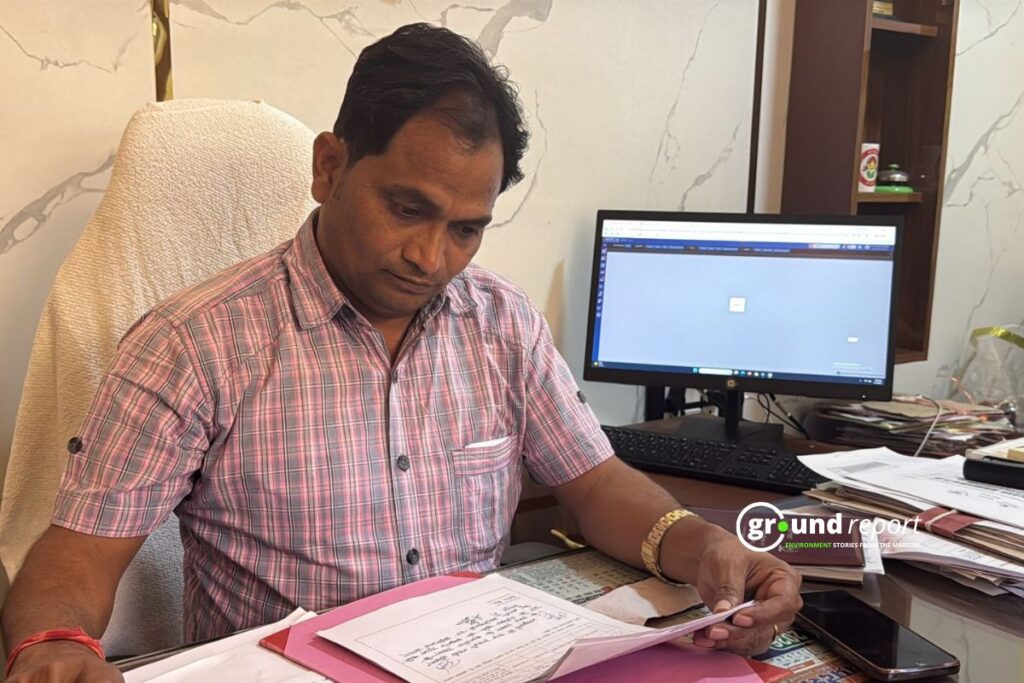
“If you look at the percentage of SAM and MAM children together in our district, it’s around 3 to 3.5%. SAM children alone are below 1%,” Shyam Babu Khare, the district’s program officer for women and child development, said. “Malnutrition is not at that level in the Rajgarh district. SAM children are below 1%; MAM children are around 3%.”
Though we couldn’t independently verify these numbers for the district.
Khare explains that there is a proactive step to stop child marriages and, at the same time, ensure that underage pregnancy is dealt with great urgency.
The Nutrition Rehabilitation Centers (NRCs) at the district hospital and five civil hospitals, where malnourished children and their mothers are admitted for 14–15 days, provide food and daily wage compensation to ensure priority care. This all has contributed to the decrease in the recorded numbers.
In the previous article, we reported on child marriage and the socio-economic conditions behind the prevalence of such a practice in some regions.
Nisa understands that her young body is not ready for pregnancy, and she understands the risks associated with it. At the same time, there is a sense of helplessness and lack of agency. She still has to manage household work during her early pregnancy. “Now, we have to manage chores,” she said. “After all the work, I get time to eat and rest.”
Though antenatal care would be assured in the capable hands of Rekha Goud at the Hirankhedi sub-health center.
Note:
This story is part of a three-part series on child marriage, climate change, and malnutrition, focused on Rajgarh and Madhya Pradesh.
Support Us To Sustain Independent Environmental Journalism In India.
More Ground Reports
He Was Married as a Child, Now Manish Dangi Helps Stop It for Others
Despite The Ban, How Gutkha Became MP’s Most Common Household Habit