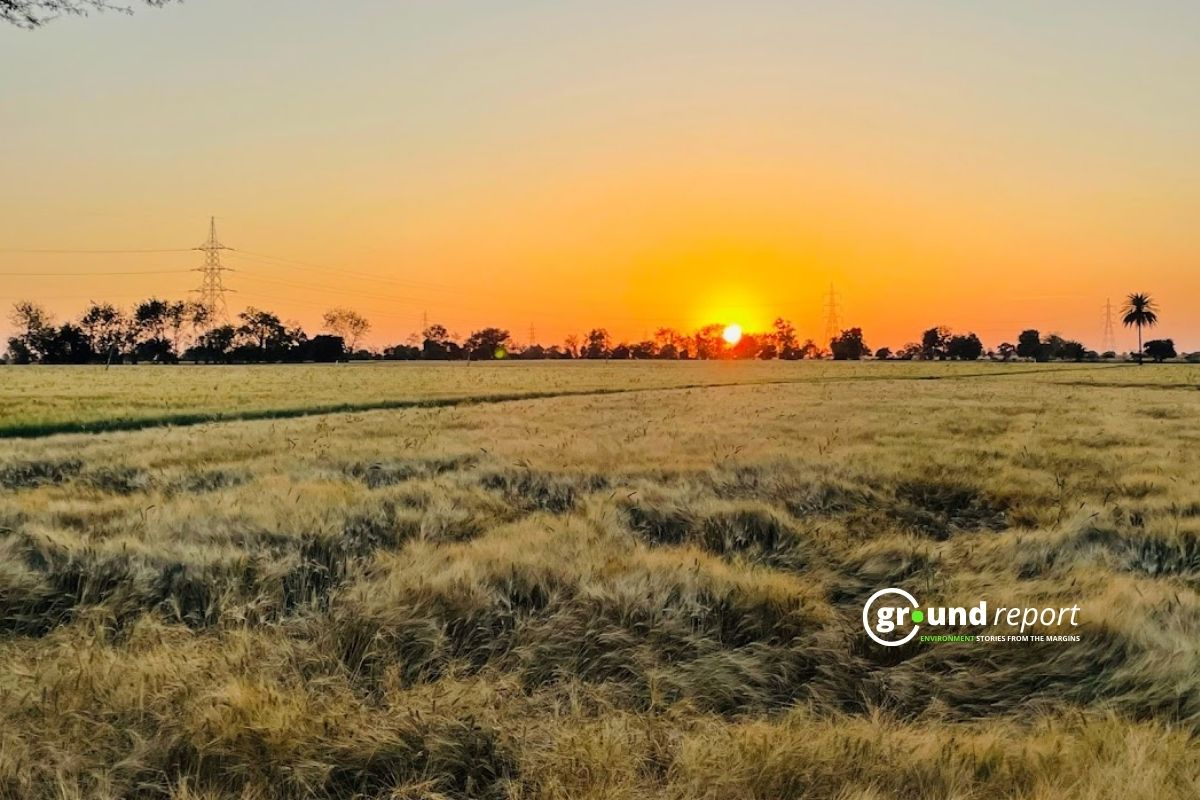
India is facing a climate threat that does not always show up in official weather warnings. Humid heat, the dangerous combination of high temperature and high humidity, is intensifying across the country, and Kerala sits at the centre of the crisis.
A new study published in the journal Climate Dynamics, led by Akshay Deoras at the University of Reading, draws on more than 80 years of weather data to explain how and when moist heatwaves strike India. The findings show that the monsoon itself, long seen as a source of relief, is the key driver of this risk.
How the Body Fails
When humidity is high, sweat cannot evaporate from the skin efficiently. The body’s cooling system breaks down. Core temperature rises. The heart works harder. In extreme cases, heatstroke develops within hours.
Scientists use wet-bulb temperature to measure this combined threat because it reflects human survivability far more accurately than air temperature alone. Under humid conditions, even moderate temperatures can turn deadly.
“We often find people being more aware of dry heatwaves in India, given the scorching summer season, but moist heat remains less known and is therefore more dangerous,” said Akshay Deoras, researcher at the University of Reading. “Outdoor public gatherings are notorious for causing heat exhaustion. Advance warning of a moist heatwave could allow organisers to reschedule activities and strengthen medical preparedness.”
Monsoon’s Hidden Role
The study identifies a large-scale atmospheric system called the Boreal Summer Intraseasonal Oscillation as the key mechanism behind moist heatwave cycles. This system controls the active and break phases of the monsoon, and, the research shows, it also determines where dangerous humid heat builds up across India.
During active monsoon phases, heavy rainfall sweeps central and northern India. At the same time, moist heat risk in those areas surges — the study found heatwave occurrence over northern India rises by 125 per cent above normal levels during certain phases of this system.
When the monsoon enters a break phase, the risk shifts south. Cloud cover thins, rainfall drops, but moisture lingers in the air. Peninsular India, including Kerala, becomes acutely vulnerable. Heat builds without the relief of evaporative cooling.
“Our research shows for the first time that the monsoon is the key driver of where and when this deadly risk develops,” said Deoras. “Because we can forecast these monsoon patterns weeks ahead, this creates real opportunities to prepare and protect people.”
Kerala on the Frontline
Kerala has always lived with high humidity. But conditions are worsening. Warmer nights are reducing the body’s overnight recovery time. Urban areas are retaining heat longer. Coastal breezes that once moderated temperatures are becoming less predictable.
The state has already recorded heat-related illness and deaths in recent summers even when temperatures stayed below official heatwave thresholds.
“Heat stress is not just about temperature. It is about how the body experiences heat,” said a senior official with Kerala’s State Disaster Management Authority. “In a place like Kerala, humidity plays a major role. We are seeing more cases where people feel severe stress even when temperatures are below heatwave thresholds.”
Fishworkers and construction labourers report the change directly. “Earlier, the sea breeze would give some relief. Now even that feels warm,” said a fisher from Alappuzha. “You feel tired very quickly. It is not like before.”
Gap Between Science and Policy
India now has the tools to forecast this risk weeks in advance. That window could allow hospitals to increase staffing, city authorities to open cooling centres, and school administrations to adjust hours.
“We need to move beyond temperature-based alerts,” said a public health specialist working on heat action plans. “Heat index and wet-bulb temperature should be integrated into early warning systems, especially in humid regions.”
The science is ahead of the policy. For Kerala, and for much of coastal India, closing that gap has become urgent.
More Ground Reports
What does Ramsar status actually change for Bihar’s wetlands?
MP Poshan Aahar Closures Put Rural Women’s Livelihoods at Risk