हिंदी में पढ़ें: Madhya Pradesh is in the middle of the wheat procurement season. Chief Minister Dr. Mohan Yadav conducted surprise visits by helicopter. And the government released figures that 41 lakh metric tonnes were purchased. But the story of one farmer from Rajgarh shows just how different conditions are on the ground.
Yadav, a farmer from Bhatkhed village in Rajgarh district, registered at the Devlakheda procurement centre on 22 April. He was allotted a slot between 28 April and 5 May. He arrived at the centre on 30 April, with a tractor-trolley loaded with 30 quintals of wheat.
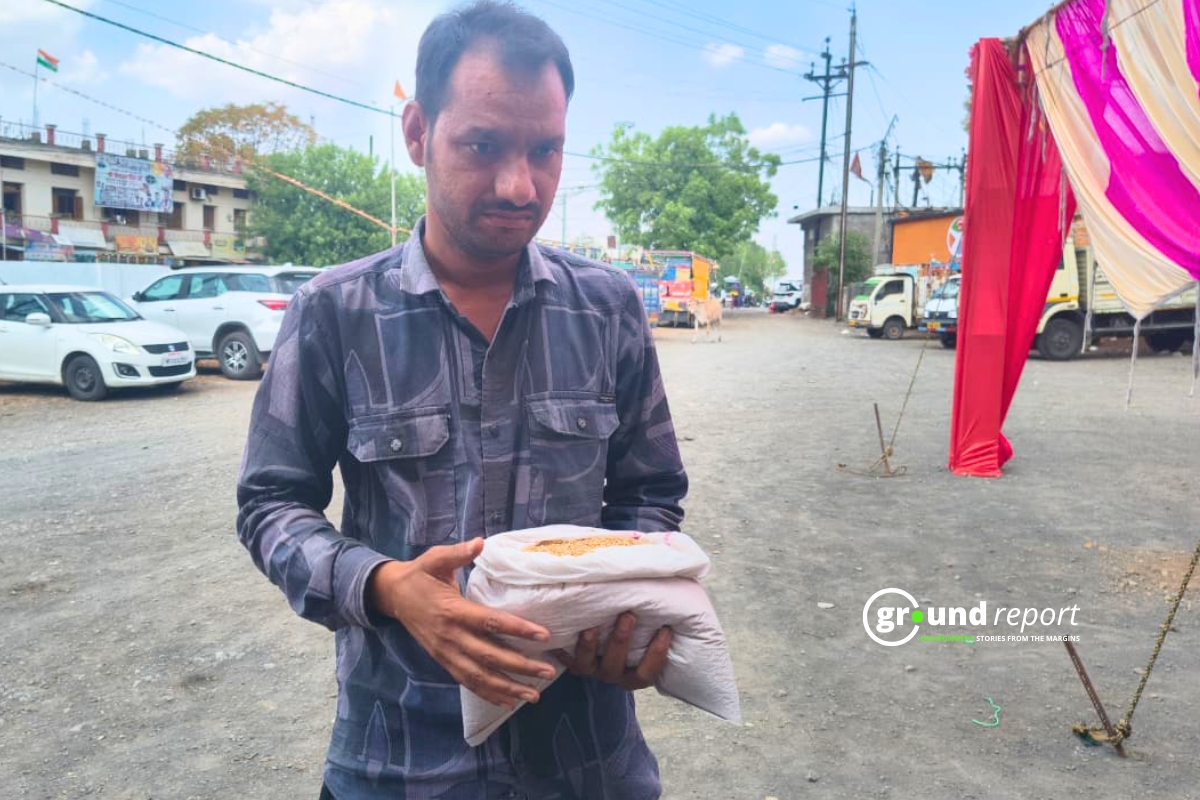
For the next five days, he waited for his turn under the scorching sun. The tractor-trolley rental was ₹500 per day—meaning ₹2,500 came straight out of his pocket over those five days. And when his weighing number finally came up on 5 May, the surveyor rejected the wheat, calling it ‘lusterless.’
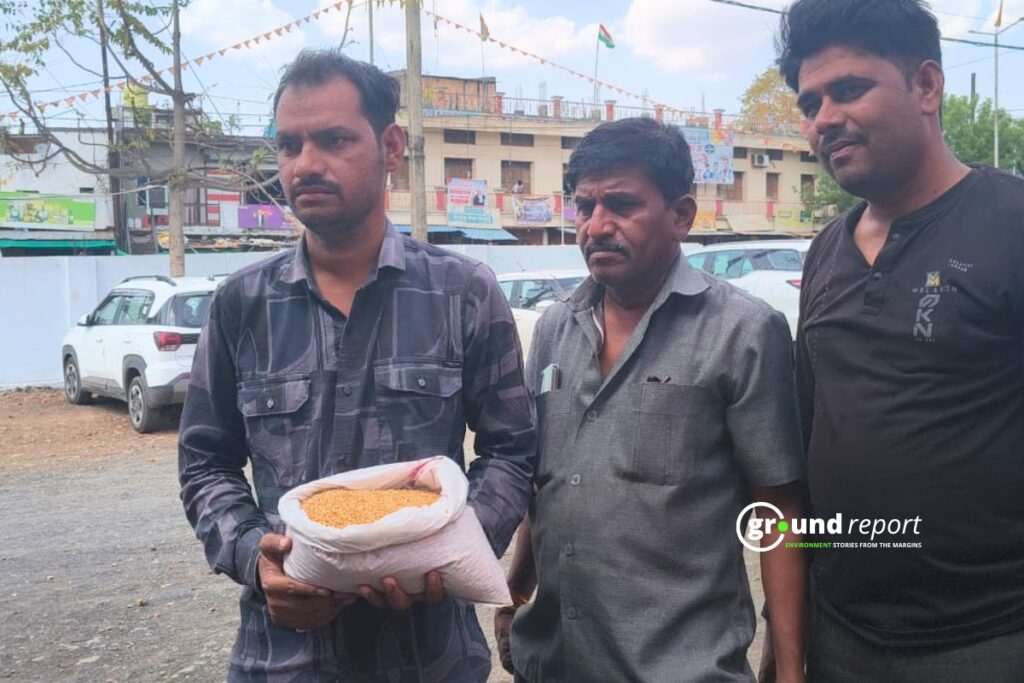
Yadav filled a sample of his wheat into a polythene bag and went straight to the Rajgarh Collectorate. He argued, “Wind and harvesting can reduce the luster slightly, but that doesn’t mean the quality of the wheat is compromised.” He made it clear that if needed, he would go all the way to the chief minister and the Union Agriculture Minister.
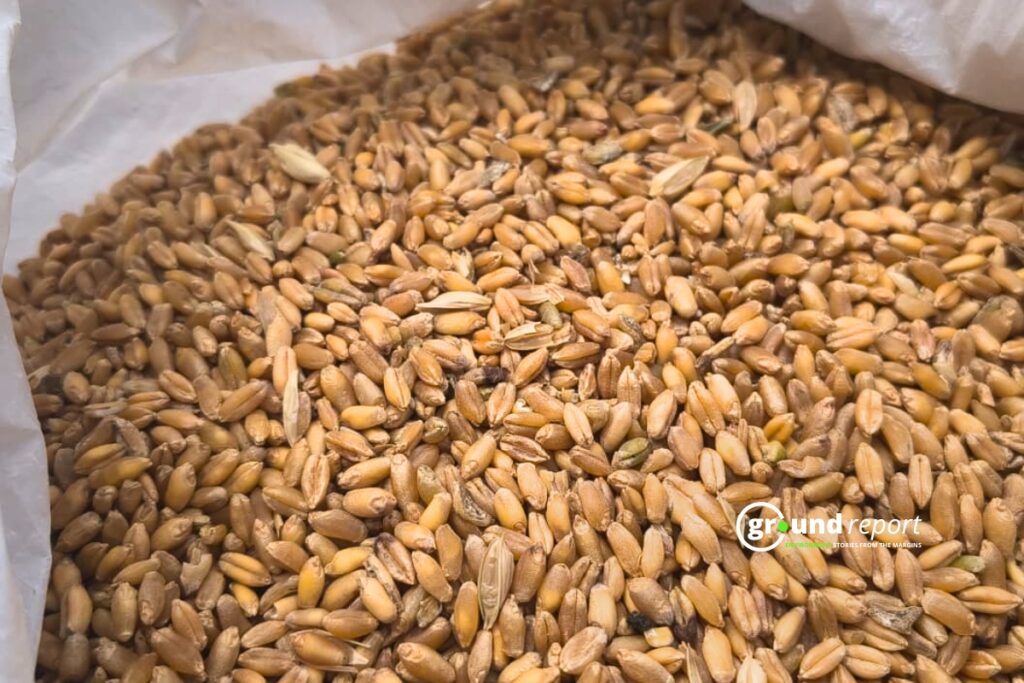
It is important to note that on the same day at the Devlakheda centre, the samples of 7–8 other farmers were also rejected. However, no other farmer went to the collectorate. Later, the Biaora Tehsildar himself reached the centre and intervened. He arranged for ‘chalna‘ (the wheat-cleaning process) to be run at the centre. Once the impurities were removed, the entire 30 quintals were weighed without issue.
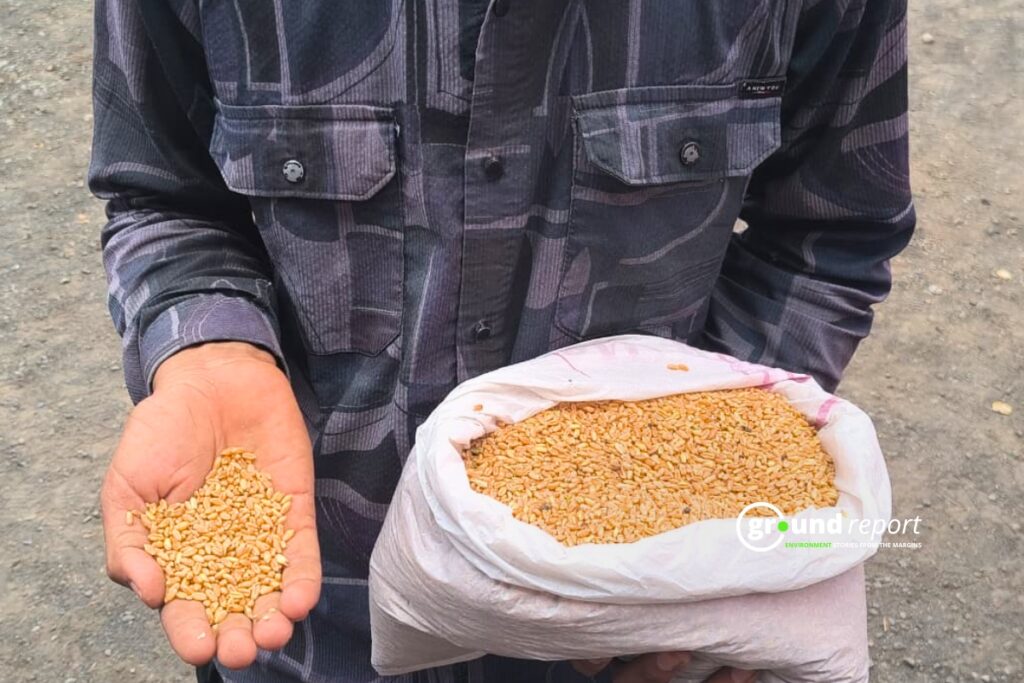
The wheat that had been ‘substandard’ earlier became ‘standard’ after administrative intervention. This made it clear that the problem was not in the wheat itself, but in the lack of basic facilities and proper guidance at the centre.
Similar scenes have emerged from several districts across the state:
1. Shajapur — Road Blockade: Farmers angered by repeated rejections at the Khardone Kala centre in Kalapeepal blocked a national highway. The allegation: officials kept sending farmers back using moisture as a pretext.
2. Shajapur — Payment Deduction: Farmer Nandkishore Patidar sold 61 quintals of wheat. He had already repaid his loan and had the receipts—yet the society manager deducted ₹78,842.
3. Raisen—Server and Road: Delays in weighing, crashed servers, crops lying in the open, and deteriorating—the road blockade was lifted only after an SDM gave assurances.
Narsinghpur farmer Atul Kaurav says that at procurement centres, laborers demand money in exchange for weighing. Those who pay get their crop weighed quickly; those who cannot are left waiting indefinitely.
Bhagwan Singh Patel, Bharatiya Kisan Union Mahashakti, says, “At Kalipith Society in Rajgarh, employees are all from the same village and the same community. They influence everything from slot booking to purchase. If people from different villages were posted at different centres, the system could improve.”
Support Us To Sustain Independent Environmental Journalism In India.
More Ground Reports
He Was Married as a Child, Now Manish Dangi Helps Stop It for Others
Despite The Ban, How Gutkha Became MP’s Most Common Household Habit