The National Family Health Survey (NFHS-6) report, released by the Union Health Ministry, brought forward new health data for India.
The report assessed maternal health, child nutrition, immunization, and non-communicable diseases. The survey also recorded disparities in health services and nutrition across several states, including Madhya Pradesh. The report showed changes in the country’s health status during 2023-24.
Child nutrition and immunization
NFHS-6 recorded the biggest improvement in child nutrition.
Stunting among children under five, a marker of long-term malnutrition, fell from 35.5 percent in NFHS-5 to 29.3 percent in 2023-24. This 6.2 percentage point drop was the largest decline recorded between two consecutive NFHS surveys so far. This suggested a combined effect of schemes like supplementary nutrition, conditional cash assistance, and the Poshan Abhiyaan.
Severe wasting, which indicates sudden and life-threatening malnutrition, fell from 7.7 percent to 5.2 percent. The percentage of underweight children dropped slightly, from 32.1 to 31.8 percent. Childhood obesity stood at 1.3 percent nationally, still low.
Despite this, 29.3 percent of children under five in India still struggled with stunting. Only 15.3 percent of children aged 6 to 23 months received an adequate diet. This situation depended on family income, food availability, and social practices around childcare, factors that fall outside the scope of health services alone.
State of immunization
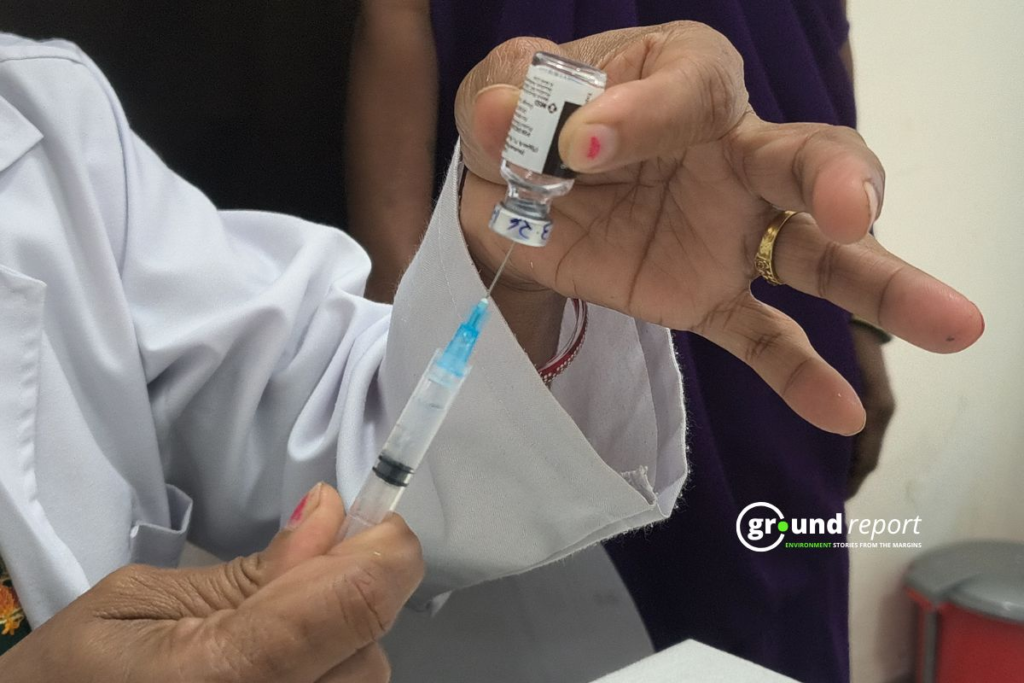
Full immunization among children aged 12 to 23 months reached 82.6 percent. It stood at 76.6 percent in NFHS-5. Based on immunization cards alone, the figure was 87.1 percent. Nearly all vaccinated children, 95.6 percent, received their vaccines at government health centers. This showed the public health system continued to play the most important role.
Rotavirus vaccine coverage reached 85.4 percent, up from just 36.4 percent in NFHS-5. The vaccine expanded nationwide in the years between the two surveys. Coverage for the second dose of the measles vaccine rose from 58.6 percent to 71.8 percent.
State of maternal health in the country
Institutional deliveries rose nationally to 90.6 percent in 2023-24, up from 88.6 percent in NFHS-5. Deliveries attended by trained health personnel reached 91.3 percent, up from 89.4 percent in the previous round. According to the survey, schemes like the Pradhan Mantri Surakshit Matritva Abhiyan and Janani Suraksha Yojana drove this improvement.
Pregnancy check-up indicators also improved, according to the report. The percentage of mothers who got checked in the first trimester rose from 70 to 76.2. The percentage of mothers completing at least four antenatal check-ups rose from 58.5 to 65.2. The percentage of women taking iron and folic acid for 100 days or more during pregnancy rose from 44.1 to 54.9.
The urban-rural gap
But the urban-rural gap persisted across every indicator. While 95.2 percent of urban women delivered in hospitals, the figure stood at 89 percent for rural women. The gap widened further for four or more antenatal check-ups. Urban areas recorded 75.8 percent, rural areas 61.4 percent. These gaps reflected both the distance to hospitals and the quality of available services.
One trend that needed closer attention was the rise in cesarean deliveries.
Nationally, cesarean deliveries accounted for 27.2 percent of births in 2023-24, up from 21.5 percent in NFHS-5. The cesarean rate stood at 54.1 percent in private hospitals. It reached 16.9 percent in government hospitals, too. Some of the rise may have reflected proper treatment of high-risk pregnancies, especially among women who previously lacked access to services.
But an increase this fast and this large demanded serious scrutiny.
On the other hand, NFHS-6 showed significant improvement in several indicators of women’s empowerment. The percentage of women with a bank account they operated themselves rose from 78.6 to 89. The percentage of women using the internet rose from 33.3 to 64.3. The percentage of women reporting spousal violence fell from 29.2 to 22.3.
The rising burden of non-communicable diseases
NFHS-6 recorded a large and steadily rising burden of non-communicable diseases.
Among people aged 15 and above, 17.8 percent of women and 20.9 percent of men had very high blood sugar levels or were taking medication to control blood sugar. The figures stood at 13.5 percent and 15.6 percent, respectively, in NFHS-5. This showed diabetes rising rapidly in both cities and villages.
High blood pressure was found in 19.4 percent of women and 22.1 percent of men. Obesity rose alongside malnutrition. Among people aged 15 to 49, 30.7 percent of women and 27.3 percent of men fell into the overweight or obese category. This marked an increase of 6.7 percentage points among women and 4.4 percentage points among men compared to NFHS-5.
Underweight adults also remained a concern. 19.7 percent of women and men were found below the normal Body Mass Index (BMI) range.
NFHS-6 showed both balanced progress and persistent structural inequalities in India’s health landscape.
The decline in child stunting and the improvement in maternal health marked real achievements. But the sharp rise in cesarean deliveries, the growing burden of non-communicable diseases, and the state of severe child malnutrition in states like Madhya Pradesh showed this progress remained uneven and fragile.
India’s health story in 2023-24 appeared to move forward, but its benefits had not yet reached all communities equally.
dependent Environmental Journalism In India.
More Ground Reports
He Was Married as a Child, Now Manish Dangi Helps Stop It for Others
Despite The Ban, How Gutkha Became MP’s Most Common Household Habit