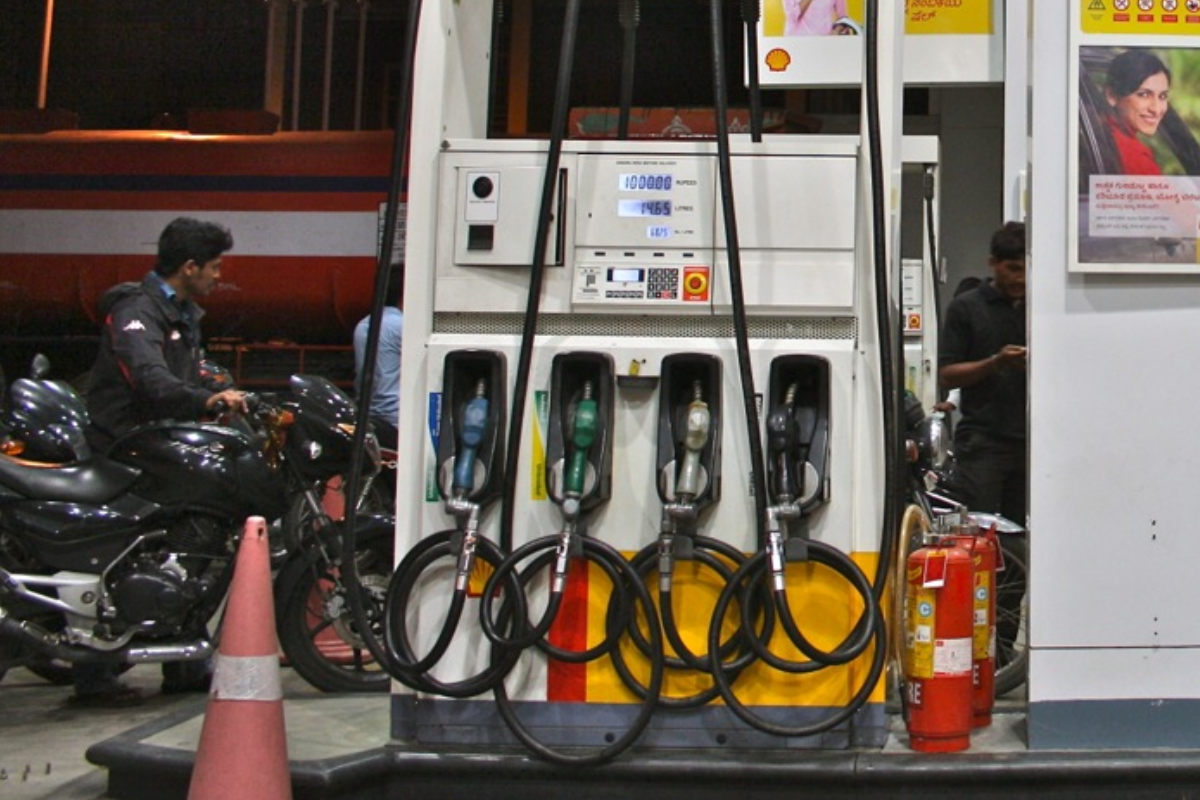
The government plans to delay India’s next ethanol fuel upgrade after drivers complained about mileage losses and engine damage from the last one.
Officials moved from 10% ethanol blending to 20% in just three years, five years ahead of the original 2030 target. Now, facing pressure from car owners and manufacturers, the government wants to slow the next step: a 25% ethanol blend called E25.
No official date exists for E25. But two recent moves fueled suspicion the switch was already underway. The government exempted excise duty on fuel blends containing 22% to 30% ethanol. The Bureau of Indian Standards also notified technical standards for those blends.
A senior government official addressed the timeline directly.
“There is a view within the government that the transition beyond E20 will need to be spaced out,” the official told The Indian Express. “The idea is to go to E25 in a calibrated, graded manner for existing vehicles.”
Drivers Report Falling Mileage
Ethanol carries less energy than petrol, which explains the mileage drop drivers have reported since E20 rolled out. The problem is worse in colder weather. Ethanol burns at a higher temperature than petrol, making engines harder to start on winter mornings.
Older cars face the steepest risk. Ethanol absorbs water, which speeds up corrosion and damages parts never built for high ethanol content.
A high-level government meeting last week ordered manufacturers to respond to consumer complaints. Officials called some of those complaints “overblown.”
Automakers Say They Need Time
Carmakers are now designing engines with higher compression ratios to draw better mileage from ethanol blends. But those upgrades apply to new models, not the cars already on Indian roads.
E25 will require manufacturers to rework engine calibration, fuel systems and corrosion resistance, then pass a certification process called homologation. Manufacturers warn that rushing the process, as happened with E20, risks repeating the same problems.
The government says future ethanol increases will happen only after testing and consultation with manufacturers and consumer groups.
Ethanol still has strong selling points. It resists premature combustion better than petrol, cuts carbon emissions, and reduces India’s reliance on imported oil.
For now, the message from officials is patience. The next blend can wait.
Support Us To Sustain Independent Environmental Journalism In India.
More Ground Reports
He Was Married as a Child, Now Manish Dangi Helps Stop It for Others
Despite The Ban, How Gutkha Became MP’s Most Common Household Habit