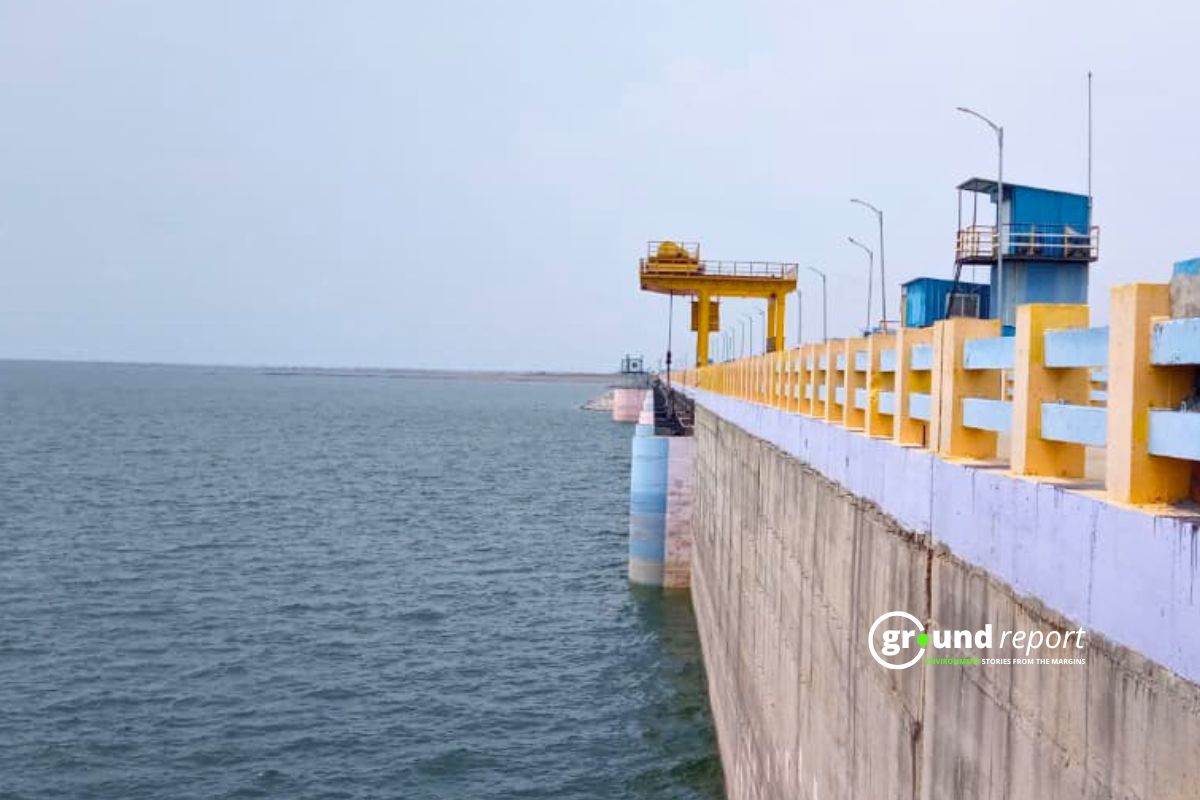
India’s major reservoirs remain under pressure despite the southwest monsoon becoming active across much of the country. The latest data from the Central Water Commission shows that 166 major reservoirs held 47.725 billion cubic metres (BCM) of water on July 2. That is just 26 per cent of their total live storage capacity of 183.565 BCM.
The storage is 39 per cent lower than the 78.077 BCM recorded during the same period last year. It also remains slightly below the 10-year average of 48.402 BCM. The figures raise concerns because reservoirs usually begin filling rapidly by early July as monsoon rains spread across the country.
The Central Water Commission reported that 69 reservoirs had water levels at 80 per cent or less of their normal storage. The situation was more serious in 34 reservoirs where storage had fallen to 50 per cent or less of normal levels.
Some reservoirs showed critically low storage. Chandan Dam in Bihar stood at 1.86 per cent of normal storage. Odisha’s Rengali reservoir held 3.15 per cent. Karnataka’s Almatti and Tungabhadra reservoirs stood at 10.35 per cent and 15.80 per cent respectively.
The Bhima-Ujjaini reservoir in Maharashtra, Aliyar reservoir in Tamil Nadu and Maudaha reservoir in Uttar Pradesh recorded zero storage compared to normal levels.
Southern and Eastern States Face Sharpest Decline
Reservoir storage remained below the 10-year average in 13 states. These states include Himachal Pradesh, Punjab, Bihar, Jharkhand, Meghalaya, Mizoram, Nagaland, Odisha, West Bengal, Karnataka, Kerala, Tamil Nadu and Telangana.
The sharpest deficits appeared in southern India. Karnataka, Kerala, Tamil Nadu and Telangana recorded storage levels that were 16 to 46 per cent below normal.
Eastern states also showed stress. Reservoir storage in West Bengal was about 62 per cent below normal, while Mizoram was about 54 per cent below normal. Karnataka was about 46 per cent below normal and Odisha about 19 per cent below normal.
The Commission warned that weak rainfall in reservoir catchment areas over the coming weeks could increase pressure on irrigation systems, drinking water supplies and hydropower generation.
Rainfall Remains Uneven Across India
Rainfall data from the India Meteorological Department shows large gaps in monsoon distribution. As of July 2, 325 of India’s 741 districts were classified as rainfall deficient. Another 165 districts fell into the severe-deficient category.
Together, nearly two-thirds of the country’s districts received less than normal rainfall. Several states reported widespread shortfalls. Most districts in Uttar Pradesh, Bihar, Odisha, Telangana, Maharashtra, Jharkhand, Assam, Madhya Pradesh and Chhattisgarh recorded deficient or severely deficient rainfall.
The uneven spread of monsoon rains helps explain why reservoir levels remain under strain even as heavy rainfall and flooding affect parts of the country.
Support Us To Sustain Independent Environmental Journalism In India.
More Ground Reports
He Was Married as a Child, Now Manish Dangi Helps Stop It for Others
Despite The Ban, How Gutkha Became MP’s Most Common Household Habit