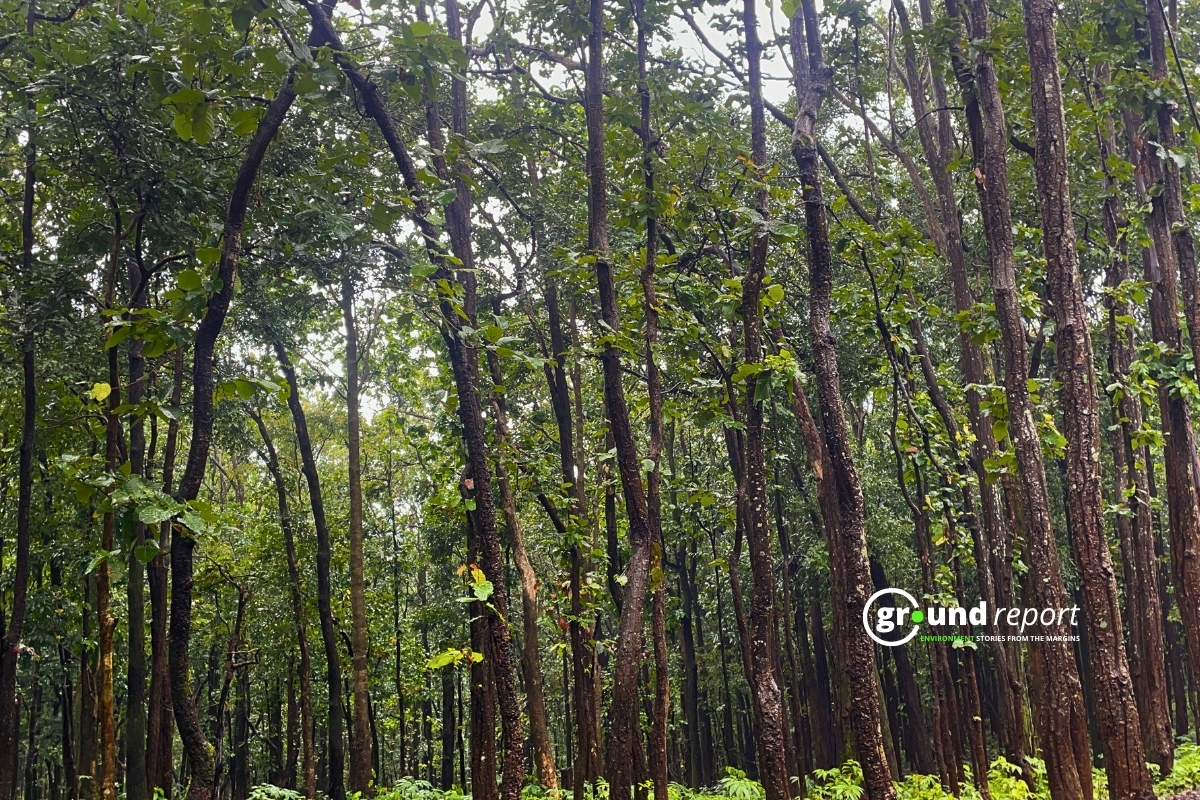
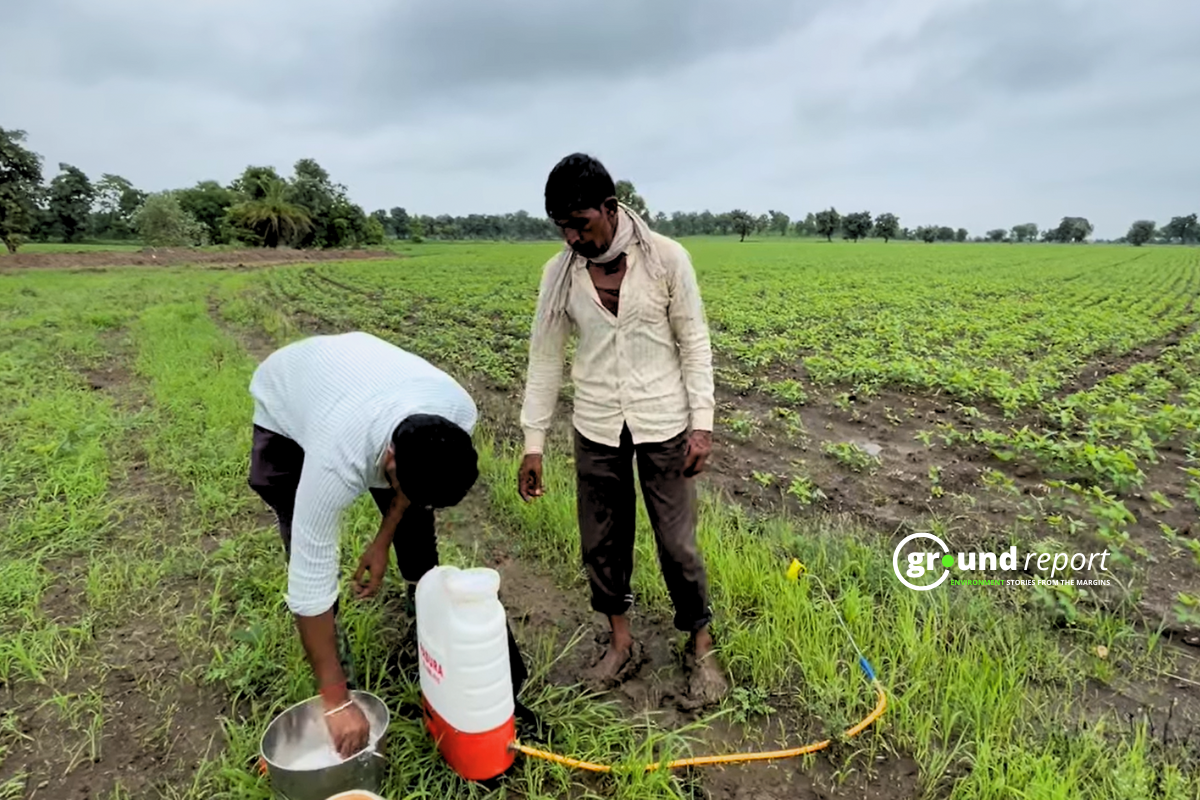
Walk through almost any fruit market in India this summer and you’ll see it: piles of jamun, cheaper than usual than most people remember. Shoppers and vendors are calling it the biggest crop in three decades, an anecdote repeated across viral social media posts. And along with the fruit, an old family warning is spreading just as fast — when jamun trees fruit like this, a drought is coming.
It’s a good story. It’s just not quite true.
Jamun, the small purple fruit also known by its scientific name Syzygium cumini, has grown across India for thousands of years. The drought claim went viral again this month through a LinkedIn post by Divya Gupta, a humanitarian and climate resilience specialist. She wrote that her grandmother always said the same thing: a heavy jamun crop means drought that year. Gupta connected the idea to a real scientific term, “masting,” where a stressed tree pours its energy into fruit instead of growth. Her post drew hundreds of comments, and people quickly started arguing both sides.
Masting is real. Scientists have studied it for decades — just not in jamun trees. Most of what we know comes from oak and beech forests in the United States and Europe. Theresa Crimmins, who directs the USA National Phenology Network, says a tree facing a mast year has to choose: grow, or reproduce. “Plants typically have to make a decision,” she says. Walt Koenig, a research zoologist at the University of California, Berkeley, who has tracked acorn crops for years, says weather is usually the biggest factor behind any single year’s harvest size. Neither scientist studies jamun. Neither one treats masting as a way to predict a drought.
Jamun Plays By Its Own Rules
Here’s the part that actually explains this year’s bumper crop. Jamun trees flower in March and April, and they need dry weather to do it well. Dry conditions during flowering help pollination, while rain knocks the blossoms down and makes young fruit drop early. So a big harvest usually means the spring before it was dry — not that a drought is on its way. One of the commenters on Gupta’s post, Kannan Pasupathiraj, a jamun grower himself, made this same point: he’s watched his own tree fruit heavily after a dry flowering season for years.
Plenty of people pushed back in the comments on Gupta’s LinkedIn post, and they had a point. Arihant Godha, an enterprise solution architect, wrote in a LinkedIn comment that flowering and fruiting depend on rain from the previous January and February, not on a tree somehow predicting the months ahead. A taproot can sense a drop in groundwater, he wrote, “but not impending monsoon or drought.”
Murthy S N Yelisetti, who has a background in botany and now runs an agriculture business, also commented on the post. He said he’s watched jamun trees fruit heavily along canal banks his whole life, and he called the drought story “cooked and linked for drought” in his comment, though he agreed the underlying advice — save water — was worth keeping anyway.
Here’s where it gets interesting. This year really does have a drought risk attached to it — just not because of the jamun trees. The India Meteorological Department’s late-May forecast puts this year’s monsoon at 90 percent of the long-term average rainfall, with a 60 percent chance of a deficient season. M. Ravichandran, secretary of the Union Ministry of Earth Sciences, says most of the country should expect drier conditions through September. That forecast comes from satellites and ocean-temperature models, not from trees. The timing is a coincidence — but it’s the reason the old saying feels so convincing this year.
Why This Matters to Real Farmers
In Bahadoli, a village in Maharashtra known locally as Jambhulgaon for its jamun trees, the weather-and-jamun connection isn’t a myth — it’s their income. Growers there lost money last year when unseasonal rain delayed flowering and shrank the harvest. For them, the relationship runs the opposite way the legend claims: the weather shapes the fruit, not the other way around.
Verdict
Mostly false. Masting is real, but it’s documented in oak and beech trees, not jamun. The mechanism behind a heavy jamun crop is the opposite of what the legend claims: dry weather in March and April helps the tree flower and fruit well, which means a big harvest points backward, to a dry spring that already happened, not forward to a drought still coming. A taproot can sense a drop in groundwater, but nothing in the science supports the idea that it can sense an approaching monsoon failure months in advance. This year’s drought risk is real, but it comes from an actual India Meteorological Department forecast — not from the trees.
Support Us To Sustain Independent Environmental Journalism In India.
More Ground Reports
He Was Married as a Child, Now Manish Dangi Helps Stop It for Others
Despite The Ban, How Gutkha Became MP’s Most Common Household Habit