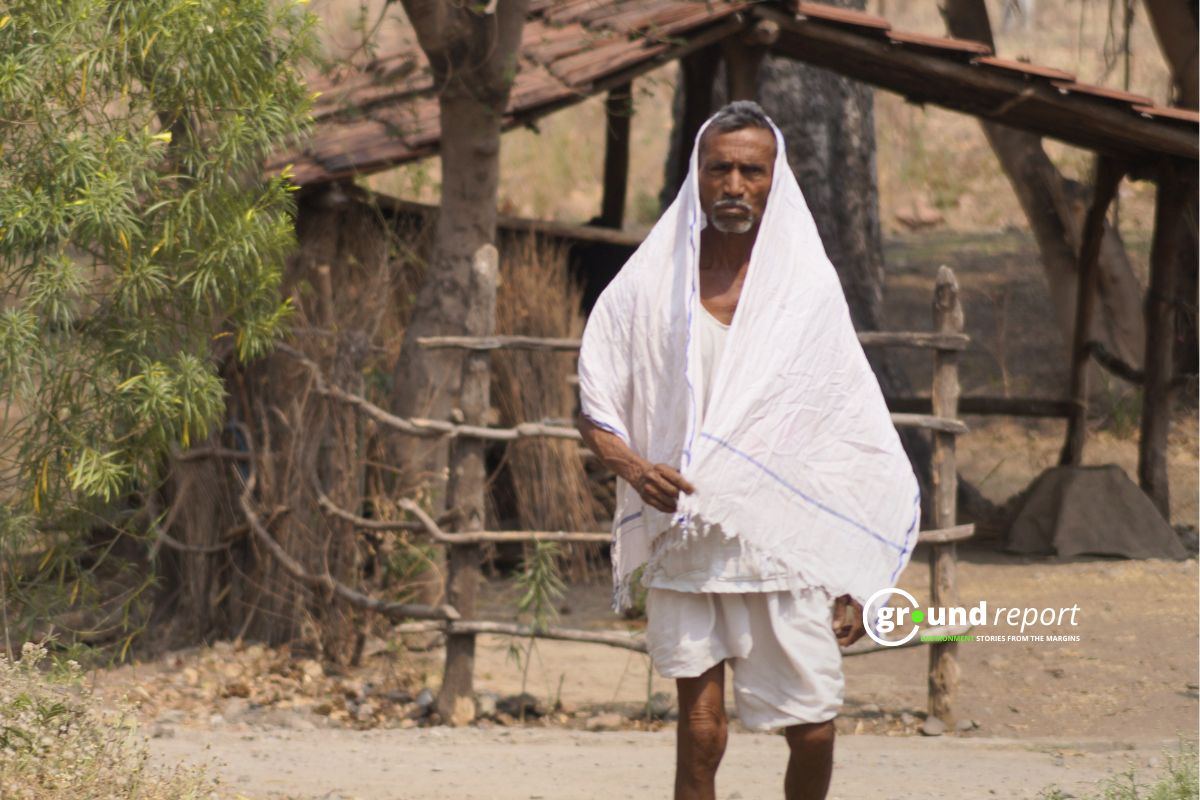
Madhya Pradesh is burning. The famous tourist town of Khajuraho recorded the state’s highest temperature on Wednesday, hitting 43.4 degrees Celsius and pushing millions of residents into dangerous heat conditions across the region.
The India Meteorological Department (IMD) office in Bhopal issued a heat wave alert for 19 districts on Thursday, warning that conditions will not ease anytime soon. The second half of April, forecasters say, is historically among the most punishing periods of the year.
19 Districts Put on High Alert
Narmadapuram followed Khajuraho closely, recording 43.2 degrees Celsius, while Naugaon came in third at 43 degrees. Temperatures across the state’s major cities all crossed the 40-degree mark, leaving streets empty and residents sheltering indoors during afternoon hours.
The IMD placed Gwalior, Bhind, Datia, Niwari, Tikamgarh, Chhatarpur, Panna, Satna, Raisen, Narmadapuram, Chhindwara, Pandhurna, Seoni, Mandla, Balaghat, Ratlam, Jhabua, Dhar, and Alirajpur under formal heat wave alert status.
City-by-City Temperature Breakdown
| City | Temperature (°C) | Forecast |
|---|---|---|
| Khajuraho | 43.4 | Heat wave alert |
| Narmadapuram | 43.2 | Heat wave alert |
| Naugaon | 43.0 | Hot conditions |
| Raisen | 42.4 | Heat wave alert |
| Jabalpur | 41.6 | Hot conditions |
| Gwalior | 41.2 | Heat wave alert |
| Bhopal | 40.6 | Hot conditions |
| Ujjain | 40.2 | Hot conditions |
| Indore | 40.0 | Hot conditions |
In Gwalior, the heat emptied the usually busy Gwalior Fort of tourists entirely. Hot winds swept through Tikamgarh from early morning, forcing locals off the streets well before noon.
Agriculture is suffering too. Farmers in affected areas worked frantically to spray water on chili crops to prevent total losses, as the relentless sun threatened to wilt entire harvests overnight.
Nights Offer Little Relief
The heat is not only striking during the day. Night temperatures across many cities, including Bhopal, are hovering between 25 and 27 degrees Celsius — significantly above seasonal norms.
The IMD classifies a warm night as one where the minimum temperature exceeds normal levels by 4.5 to 6.4 degrees. When that excess climbs above 6.4 degrees, it becomes a “severe warm night.” Bhopal is approaching but has not yet crossed that threshold.
Why April Is the Cruellest Month
The meteorological department drew a direct comparison to other seasons to underline the severity of the current period. Just as December and January mark the coldest stretch of winter, and July and August bring the heaviest rainfall, April and May carry the year’s most intense heat. The second half of April, in particular, is when temperatures reliably peak.
The IMD urged residents to drink water consistently throughout the day and avoid stepping outdoors during peak afternoon hours. Officials advised people to wear light, loose-fitting cotton clothing in pale colours, and called for extra attention to the wellbeing of children and the elderly.
This year’s summer arrived after an unusually turbulent February and March. January passed without rain, but February and March each saw four rounds of unseasonal weather — bringing hailstorms, thunderstorms, and heavy rain that damaged crops of wheat, papaya, and banana across dozens of districts. A government crop survey followed.
The state recorded rain and hail as late as March 30, affecting more than half of Madhya Pradesh. Now, barely weeks later, the same region is baking under record heat with no rainfall relief forecast in the days immediately ahead.
Residents across the state are bracing for at least four more days of intense conditions, with authorities asking people to take the warnings seriously and prioritise their health over routine outdoor activity.
More Ground Reports
What does Ramsar status actually change for Bihar’s wetlands?
MP Poshan Aahar Closures Put Rural Women’s Livelihoods at Risk