Researchers associated with the Central University of Odisha (CUO) and Mahatma Gandhi University of Kerala recently unveiled a fascinating discovery in the biodiversity realm. They identified two new species of earthworms in India. They found these newfound earthworms in the Koraput district of Odisha, representing a significant addition to the global understanding of earthworm diversity, particularly in the Indian subcontinent.
Sharat Kumar Palita, the Dean of the School of Biodiversity and Conservation of Natural Resources at CUO, spearheaded the research, involving meticulous fieldwork from Ayushmita Naik, a dedicated student from the university.
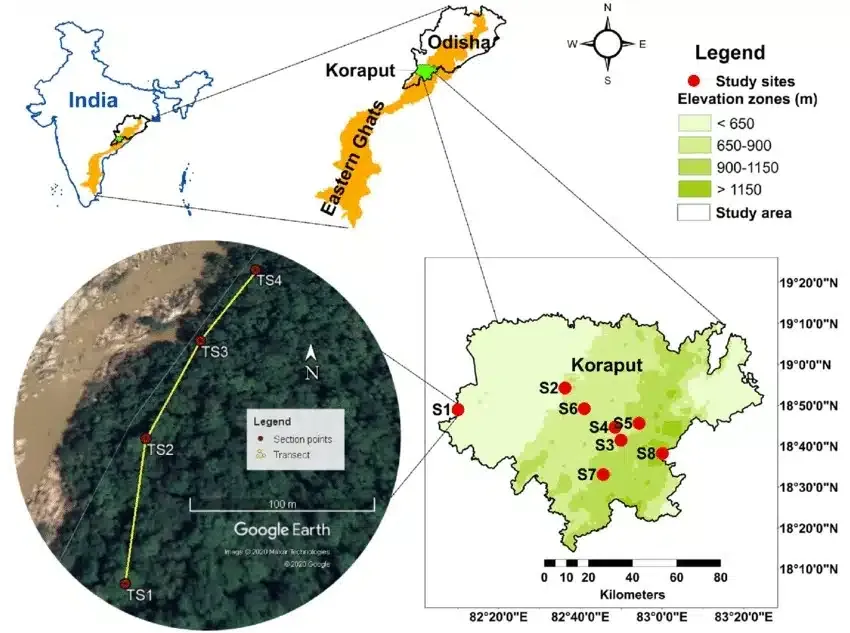
The team collected numerous samples from the Rani Duduma and Jeypore Ghat areas. R Paliwal, a retired scientist from the Zoological Survey of India, in collaboration with renowned earthworm experts Prashant Narayanan and AP Thomas from Mahatma Gandhi University’s Center for Sustainable Development, later analyzed these samples.
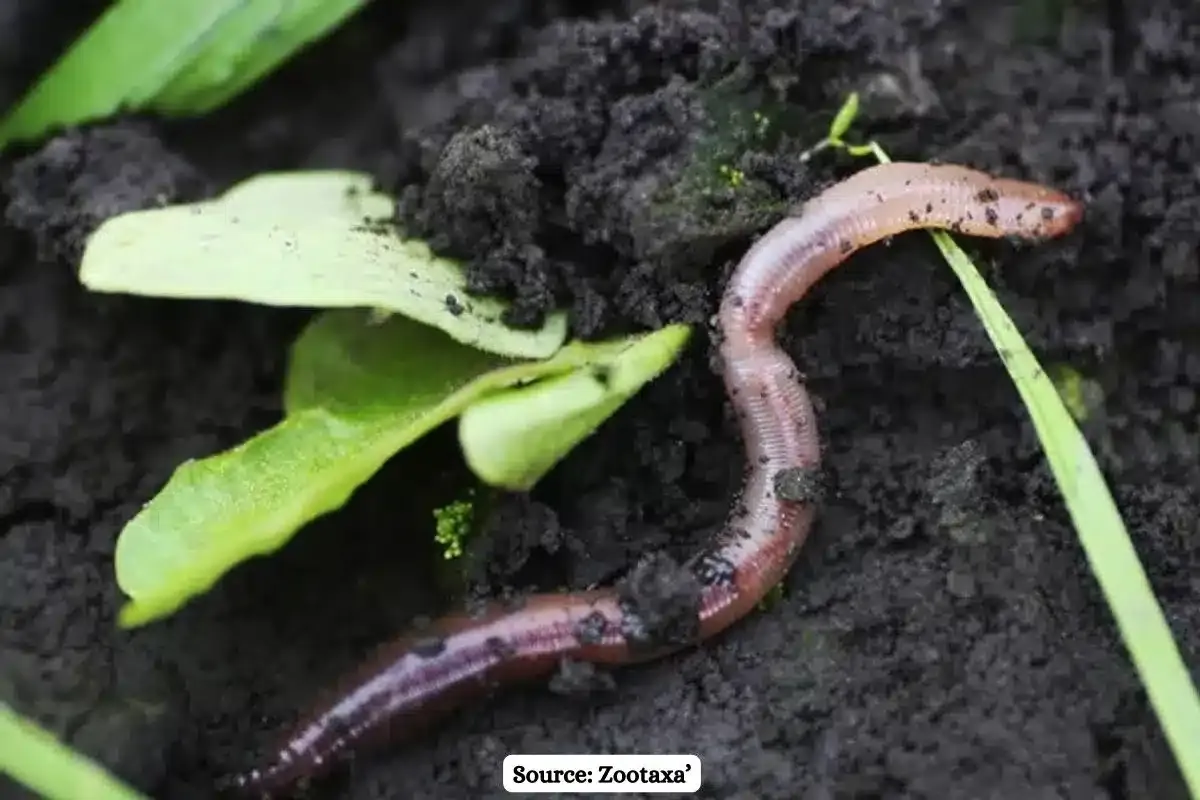
Researchers have meticulously documented the newly identified species, ‘Megascolex jeyporghatiensis’ and ‘Megascolex quadripapillatus’, in the international journal ‘Zootaxa’. This discovery has increased the global count of Megascolex species to 70, with nearly half of them residing in India. These findings notably extend the geographical range of Megascolex species beyond the Southern Western Ghats, highlighting the lesser-known biodiversity of the Eastern Ghats.
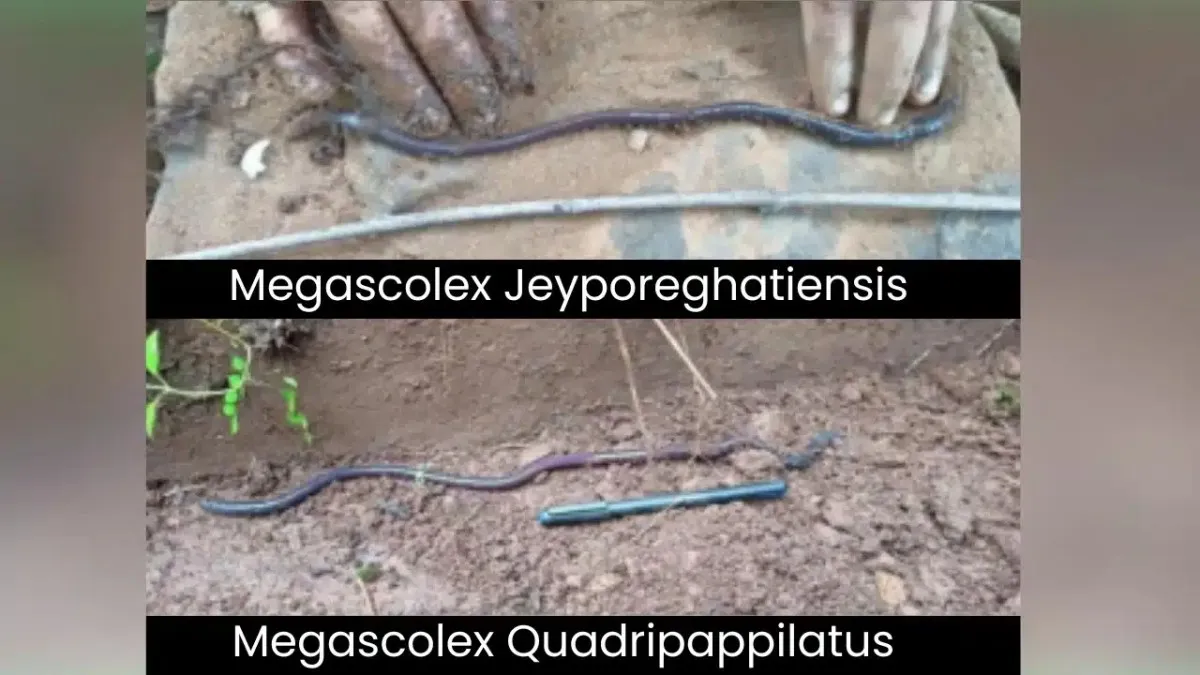
Palita said that they recently published the discovery of the two new species in the reputed international taxonomic journal ‘Zootaxa’. Palita said that the total number of Megascolex species in the world has now increased to 70, with 34 found in India.
The name ‘Megascolex jeyporghatiensis’ comes from the picturesque Jeypore Valley and it measures between 221 to 281 mm in length. This species inhabits both deciduous and moist-deciduous forests. In contrast, you can find ‘Megascolex quadripapillatus’ in the dry deciduous forests. It is slightly larger, with a range of 273 to 308 mm in length, and its body comprises 188 to 190 segments.
Often hailed as farmers’ best friends, earthworms play an indispensable role in enhancing soil fertility. They break down biodegradable materials and transform them into organic fertilizers, enriching the soil with essential nutrients. The discovery of these new species adds to our understanding of India’s rich biodiversity and underscores the critical need for conservation efforts.
Despite international commitments, such as the Ichi Target 11 agreed upon at the 2010 United Nations Conference on biodiversity, which aimed to protect at least 17% of terrestrial areas by 2020, and the Global Biodiversity Framework 2030’s goal of conserving 30% of land by 2030, India faces challenges in meeting these targets.
Keep Reading
Part 1: Cloudburst in Ganderbal’s Padabal village & unfulfilled promises
India braces for intense 2024 monsoon amid recent deadly weather trends
Support us to keep independent environmental journalism alive in India.
Follow Ground Report on X, Instagram and Facebook for environmental and underreported stories from the margins. Give us feedback on our email id greport2018@gmail.com.
Don’t forget to Subscribe to our weekly newsletter, Join our community on WhatsApp, and Follow our YouTube Channel for video stories.
Support Ground Report to keep independent environmental journalism alive in India
We believe climate change should be the basis of current discourse, and our stories attempt to reflect the same.
Connect With Us
Send your feedback at greport2018@gmail.com
Newsletter
Subscribe our weekly free newsletter on Substack to get tailored content directly to your inbox.
When you pay, you ensure that we are able to produce on-ground underreported environmental stories and keep them free-to-read for those who can’t pay. In exchange, you get exclusive benefits.
Your support amplifies voices too often overlooked, thank you for being part of the movement.