

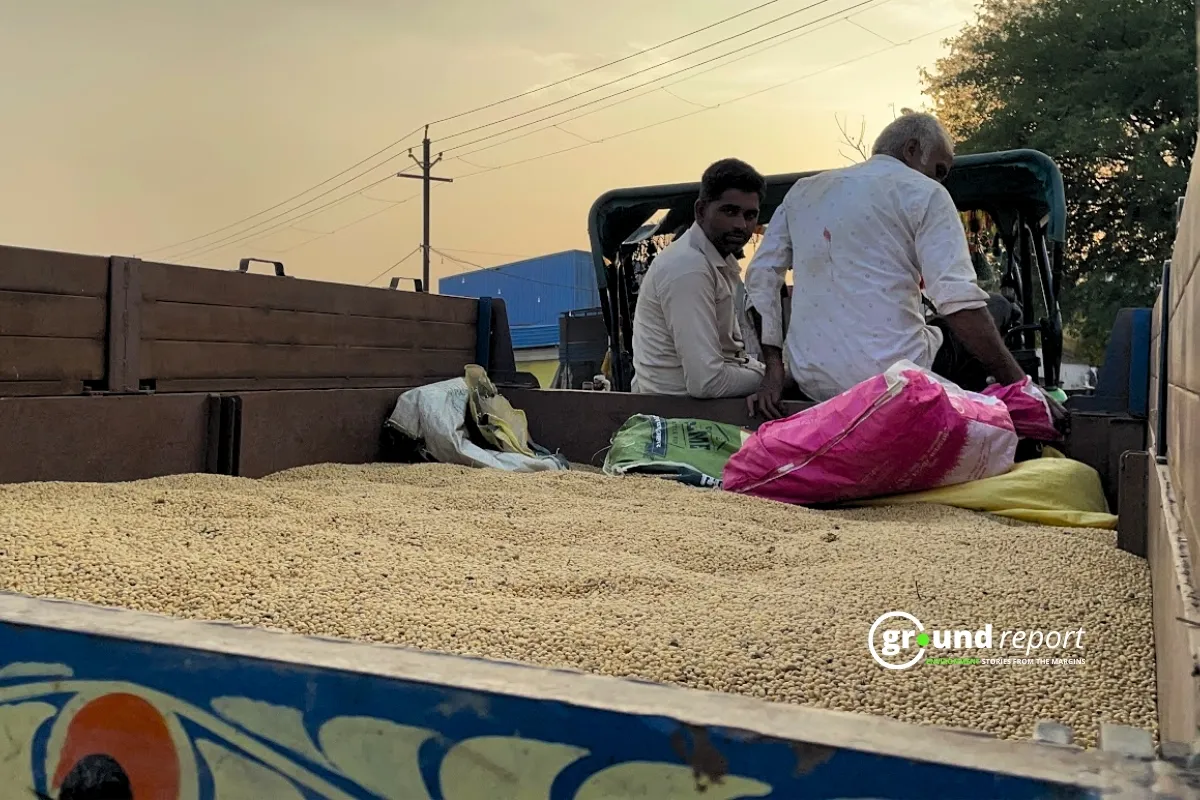
Soybean farmers in Madhya Pradesh are having a better year. Their harvests have improved compared with last year, and mandi prices have risen above the MSP of Rs 5,708 per quintal set for the 2026–27 season. As a result, many farmers are selling their produce to private traders rather than waiting for procurement under the Bhavantar scheme.
Soybean is a cash crop, and farmers’ profits depend on market prices and when they sell their produce. At the Sehore agricultural mandi, the average soybean price was Rs 5,500 per quintal on October 18. It rose to Rs 7,064 on October 21 before falling to Rs 6,900 on October 31.
Farmers who have harvested their crops but are yet to bring them to the mandi because of the ongoing rabi sowing season are closely tracking market prices. For many, the current prices offer a chance to recover some losses they suffered last year.
Farmers’ expectations
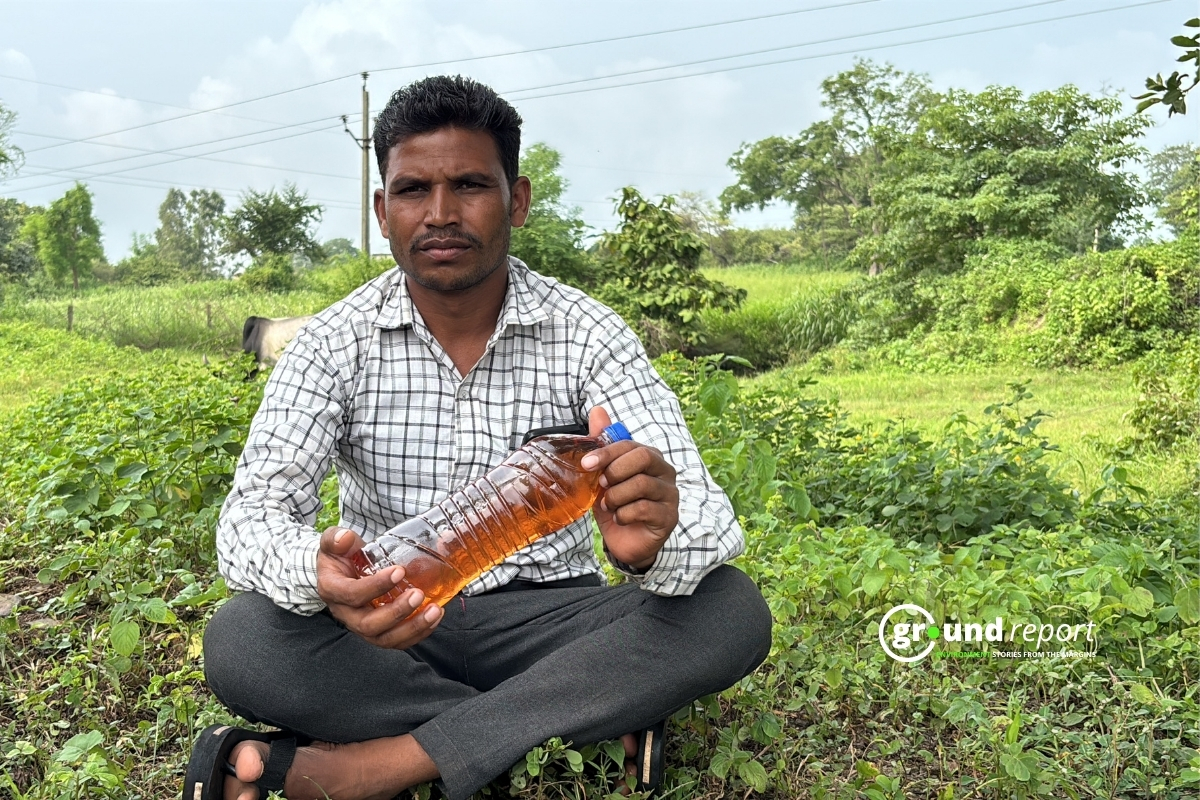
Vipul Jain, a farmer from Bawadikheda village in Dewas district, says he harvested 80 quintals of soybean from his 14 acres this year. Last year, his total yield was only 20 quintals. He sold his produce at Rs 4,000 per quintal last year.
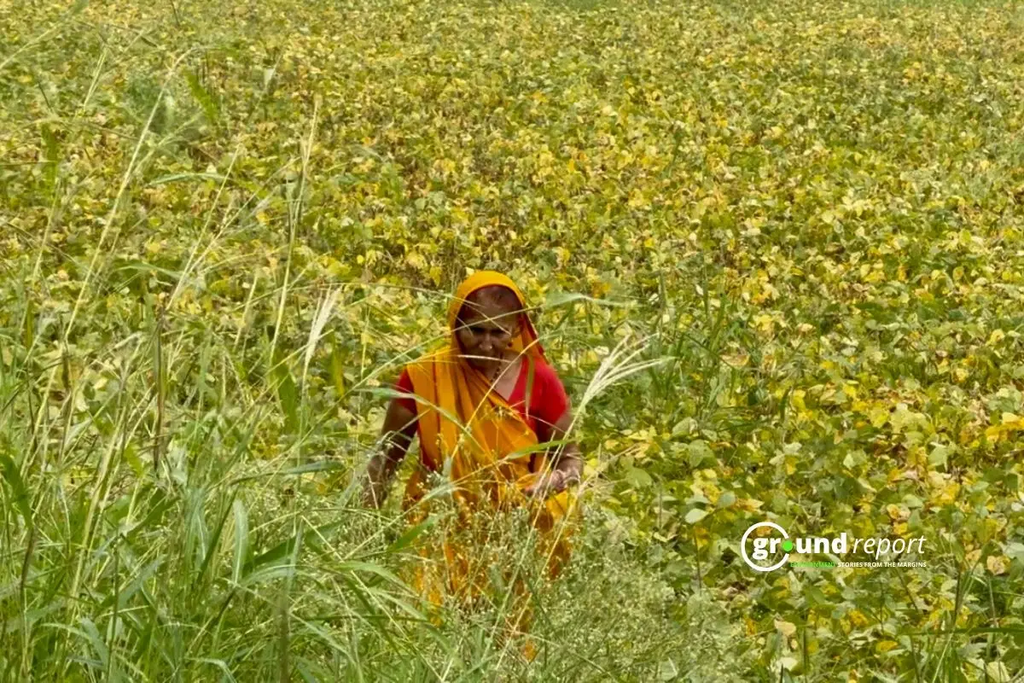
“I think the price will reach Rs 8,000 per quintal. That is why I have held back my produce so far,” he says.
Jain says irregular rainfall damaged his soybean crop last year. He could not even recover his production costs and suffered losses of Rs 2–3 lakh. If he sells this year’s crop at Rs 8,000 per quintal, he expects to make a profit of Rs 4 lakh. This would leave him with some savings even after repaying his previous debt.
Turning away from the Bhavantar scheme
For several years, soybean farmers in Madhya Pradesh struggled to get remunerative prices for their produce. After suffering repeated losses, they urged the government to procure soybean at MSP and also staged protests demanding better prices.
In response to farmers’ protests, the state government procured soybean at MSP for the first time in 2024. In 2025, however, it introduced the Bhavantar scheme instead of direct procurement.
Under the scheme, farmers who sell their produce in the mandi for less than the notified MSP receive compensation from the government for the price difference. The amount is transferred directly to their bank accounts.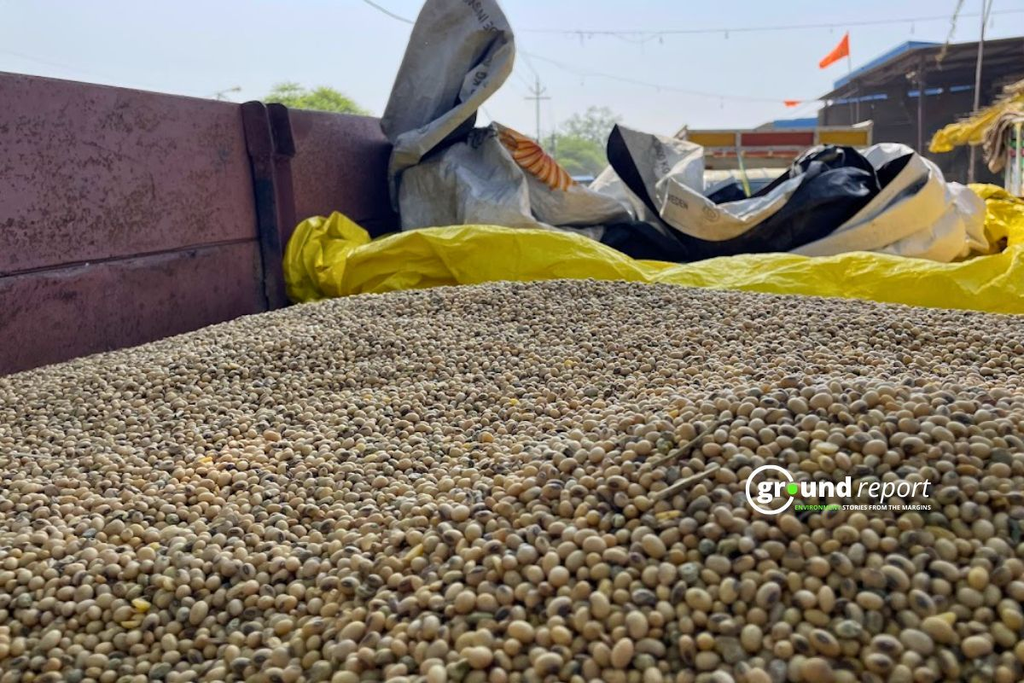
For the 2026–27 season, farmers in Madhya Pradesh had to register between October 3 and October 24 to sell soybean under the Bhavantar scheme.
Lakhan Singh Parmar, a farmer from Manoharpura village in Rajgarh district, says he did not register for the scheme because market prices were attractive. He harvested 55 quintals of soybean this year. He sold 27 quintals at Rs 6,300 per quintal, 16 quintals at Rs 6,900, and the remaining 22 quintals at Rs 6,875. He says he earned Rs 500–1,000 more per quintal than the MSP.
Some farmers have sold part of their produce to meet the immediate cash requirements of rabi sowing, while storing the rest in the hope that prices will rise further.
Bhanwar Singh Solanki, secretary of the Biaora mandi, says soybean prices in the open market have reached Rs 7,300 per quintal. This has reduced farmers’ interest in the Bhavantar scheme.
V.K. Nahiyata, assistant deputy director of the agriculture department in Rajgarh, says only 766 farmers registered under the scheme in the district this year, compared with more than 11,000 last year. Ashok Thakur, secretary of the Sirali agricultural mandi in Harda district, says around 2,300 farmers registered under the scheme in the district.
Rajendra Sahu, a grain trader in Rajgarh, says farmers are holding back their produce. With reports of a weak harvest in Maharashtra, he expects Madhya Pradesh’s farmers to benefit from rising prices.
“We are selling half of the soybean we buy and storing the rest because we expect prices to rise further,” Sahu says.
Madhya Pradesh expected to lead soybean production
The Soybean Processors Association of India (SOPA), a leading industry body representing the domestic vegetable oil processing and trade sector, has estimated that India’s soybean production will decline by 2.11% to 107.93 lakh tonnes in the 2026–27 marketing season (October–September), compared with the previous season.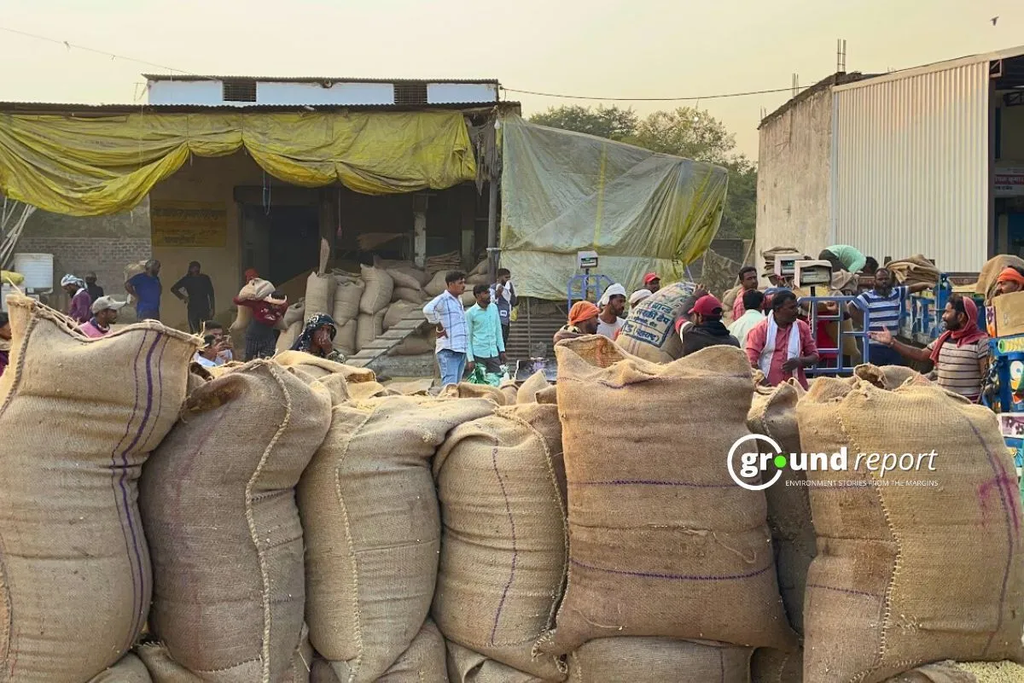
Maharashtra’s output could decline by nearly 33% to 34.88 lakh tonnes, while Karnataka could fall by around 44%. SOPA expects soybean production to rise in Madhya Pradesh and Rajasthan, while drought conditions could lead to lower output in Maharashtra, Karnataka and Telangana.
Madhya Pradesh’s soybean production is projected to rise by 32% to 57.16 lakh tonnes, making it the country’s largest soybean-producing state once again.
Crop losses in other regions and strong industrial demand are among the factors supporting market prices. This has put farmers in Madhya Pradesh in a more favourable position this year. However, below-normal rainfall has also raised concerns about the upcoming rabi season.
Vipul says his biggest concern now is the rabi crop. The village’s water bodies have dried up, and borewell water levels and wells have dropped.
“The well’s motor used to run for around two hours. Now, it can barely supply water for an hour,” he says.
He adds that he usually grew wheat on all 14 acres of his land. This year, however, he has divided the area equally between wheat and mustard. “I have planted wheat on seven acres and mustard on the remaining seven. Mustard requires less water,” he says.
Support Us To Sustain Independent Environmental Journalism In India.
More Ground Reports
Madhya Pradesh’s e-Vikas 2.0 Fertiliser System: Why Are Farmers Still Queuing?
Smart Meter Consumers May Save on Electricity Bills With Time-of-Day Tariffs