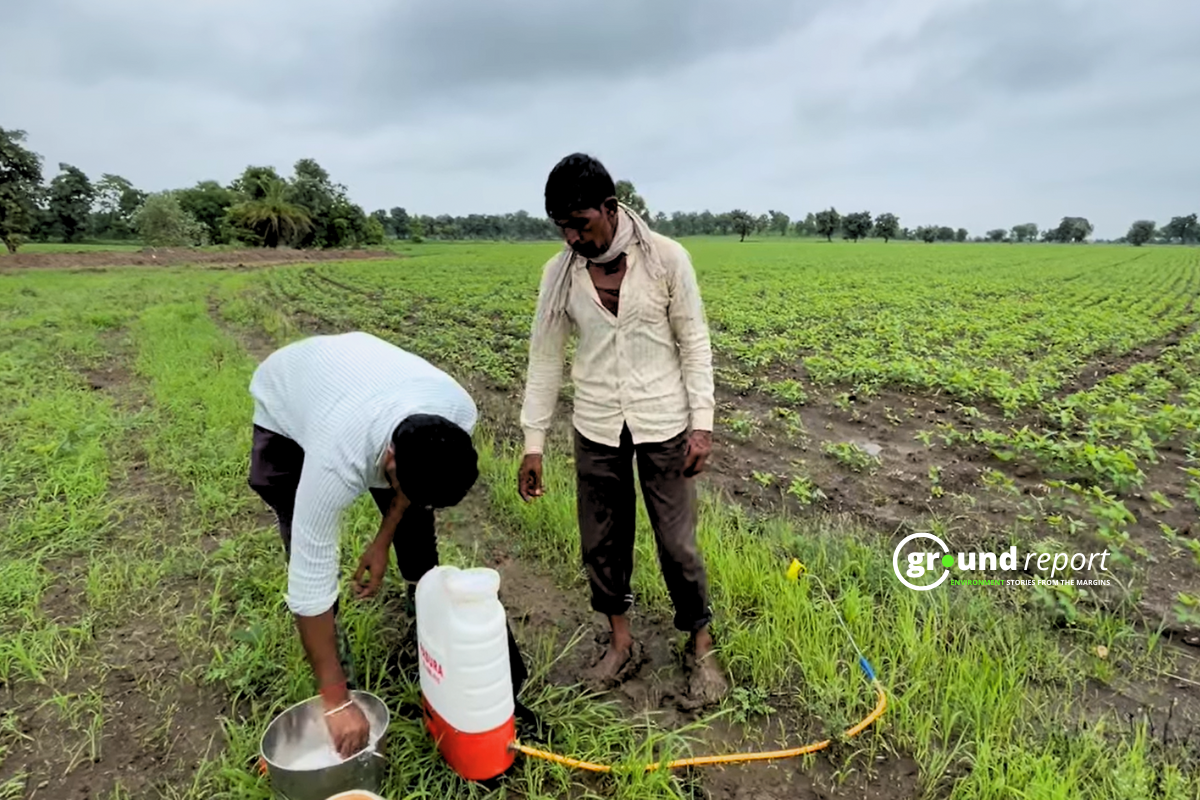
At about 11 a.m. on August 25, Mohammad Maqbool Bhat, 50, went to check his paddy field in Watalbagh village in central Kashmir’s Ganderbal district. An Asiatic black bear awaited him.
To protect his face, he raised his hand, only for the bear to catch it. The strikes injured Bhat, and almost immediately, neighbours took him to District Hospital Ganderbal for treatment.
Similarly, on August 31, a bear killed Latifa Banoo, 45, in an orchard in Tarigam village in south Kashmir’s Kulgam district.
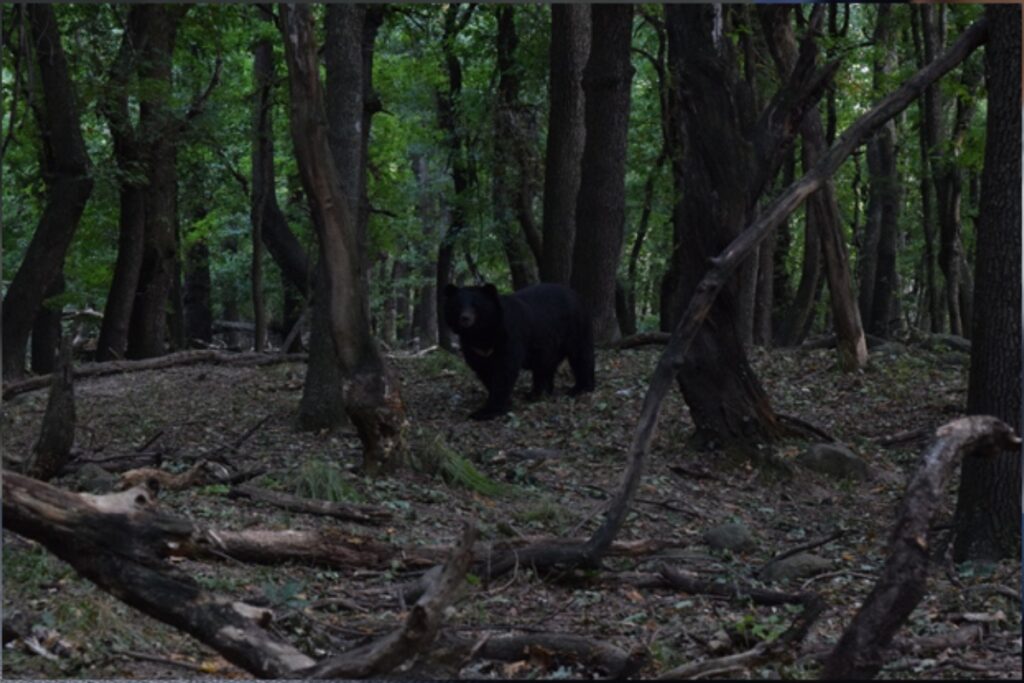
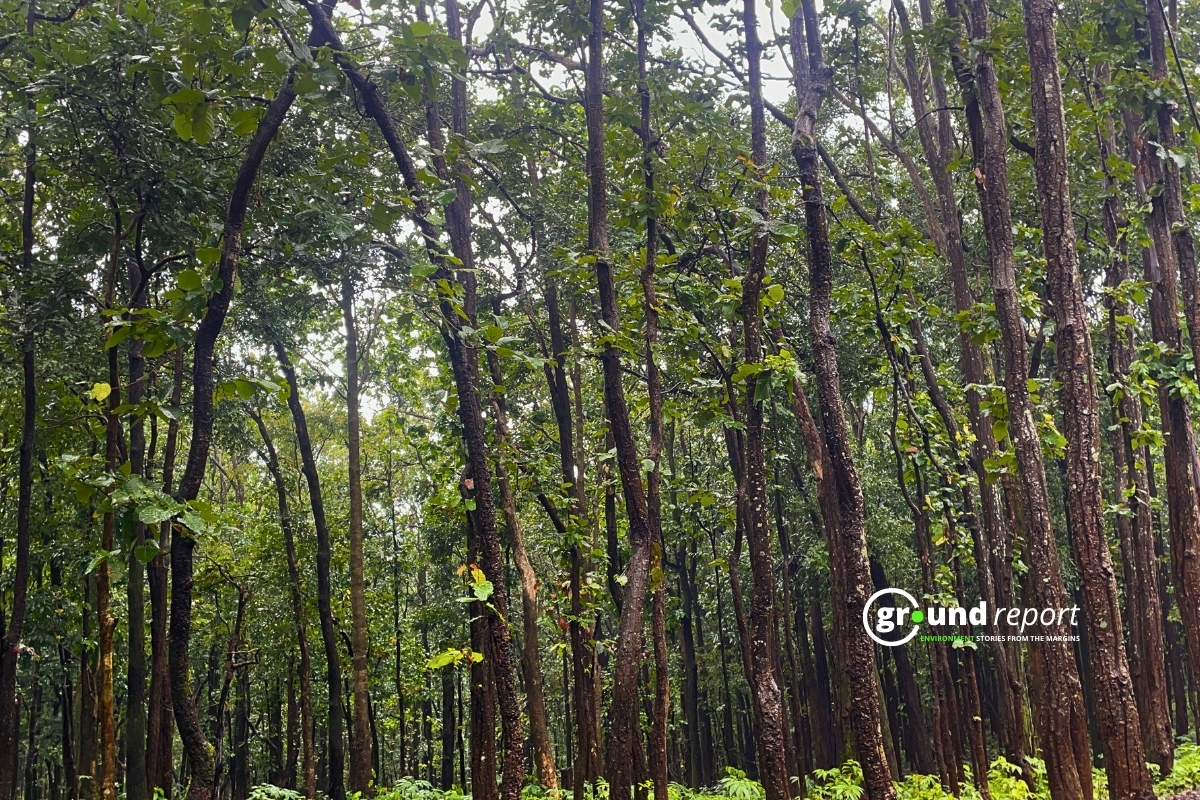
Kashmir has two bear species, with the Asiatic black bear accounting for most reported conflicts and living in forests and lower mountain areas, where it often moves into orchards. The Himalayan brown bear lives mainly at higher elevations.
Bear attacks in Kashmir often spike during the harvest season, when people spend more time in orchards and fields, and bears are drawn to fruit, crop residue, and other food sources. The overlap creates more opportunities for people and bears to encounter each other.
Orchards And Fields Bring Them Together
The researchers identified the conversion of natural habitat into orchards and agricultural fields as a major factor for the clash.
Dr Khursheed Ahmad, head of wildlife sciences at Sher-e-Kashmir University of Agricultural Sciences and Technology, said the risk rises during fruit harvest.
“During the harvest season, bears are attracted not only to fruits in orchards but also to crops such as maize. When they enter these fields in search of food and people are working there, the chances of an encounter increase,” Ahmad said.
Food sources can extend beyond fruit on trees. Fallen apples, horticultural waste and household garbage can provide food around agricultural areas and settlements.
“We’ve turned their natural habitat area into human habitation,” Wildlife researcher and conservationist Kashif Farooq Bhat told Ground Report. “So, that’s why the negative interaction is happening.”
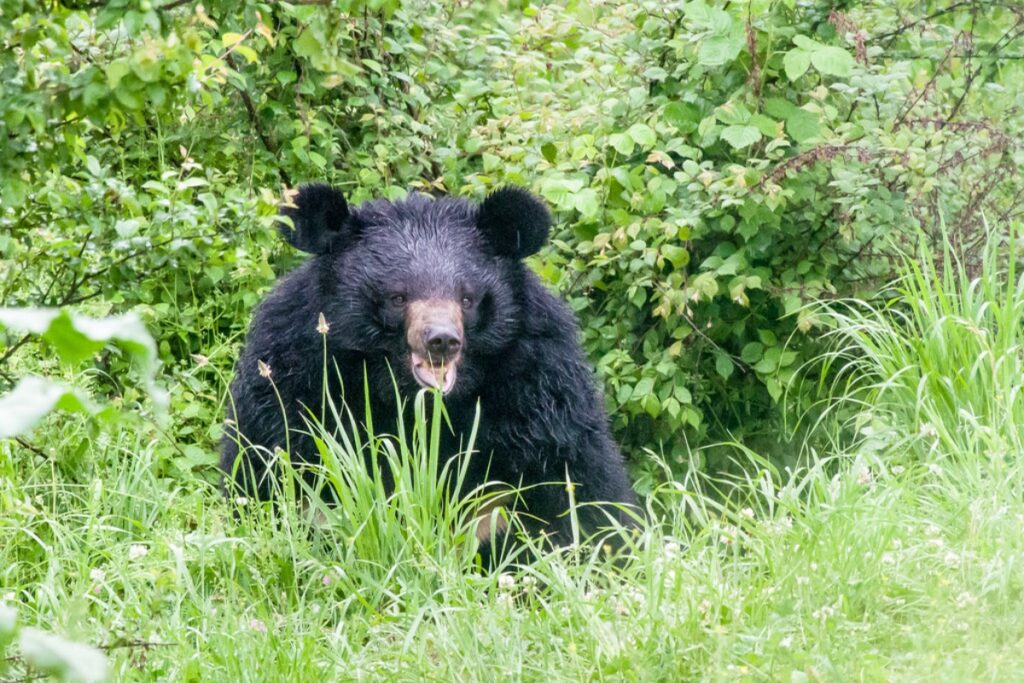
Ahmad explained that bears enter orchards in search of fruit, where attempts to chase them away often lead to stone-pelting and clashes. Proper disposal of fallen and discarded fruit could help reduce these encounters.
More than 40 people have been injured and two killed in bear attacks since the start of the harvest season in August, according to Greater Kashmir.
The government has paid ₹20 lakh in death compensation and ₹72 lakh for injuries in 2024-25. Injury compensation reached ₹97 lakh in 2025-26. Families now receive ₹5 lakh for a death or permanent incapacitation and ₹2 lakh for a grievous injury.
Maqbool has applied for compensation after the attack. But has not received any. His family has approached the Wildlife Department in Ganderbal and hopes the compensation will be released.
What Can Reduce Encounters?
The Wildlife Protection Department has advised orchardists to dispose of leftover apples in pits rather than leave them in the open. The department has said the smell of fruit can attract black bears.
At a Wildlife Department awareness programme in the Shopian district of South Kashmir in August 2026, officials also advised residents to keep surroundings clean, dispose of waste properly, use secure fencing around farms and orchards, and report wildlife sightings promptly.
Kashif Farooq Bhat suggested government support for biofencing around orchards and agricultural fields.
What Is Being Done?
Bear encounters are part of a wider human-wildlife conflict in Jammu and Kashmir.
The J&K government told the Legislative Assembly in February 2026 that wild animals, including bears, leopards and other species, were involved in 15,661 human-wildlife conflict cases between 2023 and 2025.
Those cases killed 32 people and injured 350.
The government said its response covers both protected areas and places where people and wildlife come into contact outside them. It has established 42 control rooms across J&K for round-the-clock response to wildlife emergencies. The centres have tranquilising guns, medicines, capture nets, cages, rescue equipment and vehicles.
The Wildlife Protection Department also issued an advisory asking people not to enter forests alone, particularly in the morning and evening. It advised residents not to approach or chase wild animals when they are sighted.
The department has also proposed stronger coordination across governmental wings. Tawheed Ahmad Deva said the department had proposed a joint control force involving the Forest Protection Force, Forest Department and Wildlife Department to improve response during conflicts.
Support Us To Sustain Independent Environmental Journalism In India.
More Ground Reports
He Was Married as a Child, Now Manish Dangi Helps Stop It for Others
Despite The Ban, How Gutkha Became MP’s Most Common Household Habit