Environmental groups said farmers used glyphosate to clear forest vegetation before planting peas in Himachal Pradesh’s Mandi district. Forest officials confirmed illegal pea cultivation on forest land but said field checks found no evidence of glyphosate spraying at the sites they inspected.
Mandi Divisional Forest Officer S.S. Kashyap told Ground Report that officials had destroyed crops from five patches and followed a “zero tolerance policy” toward cultivation on forest land.
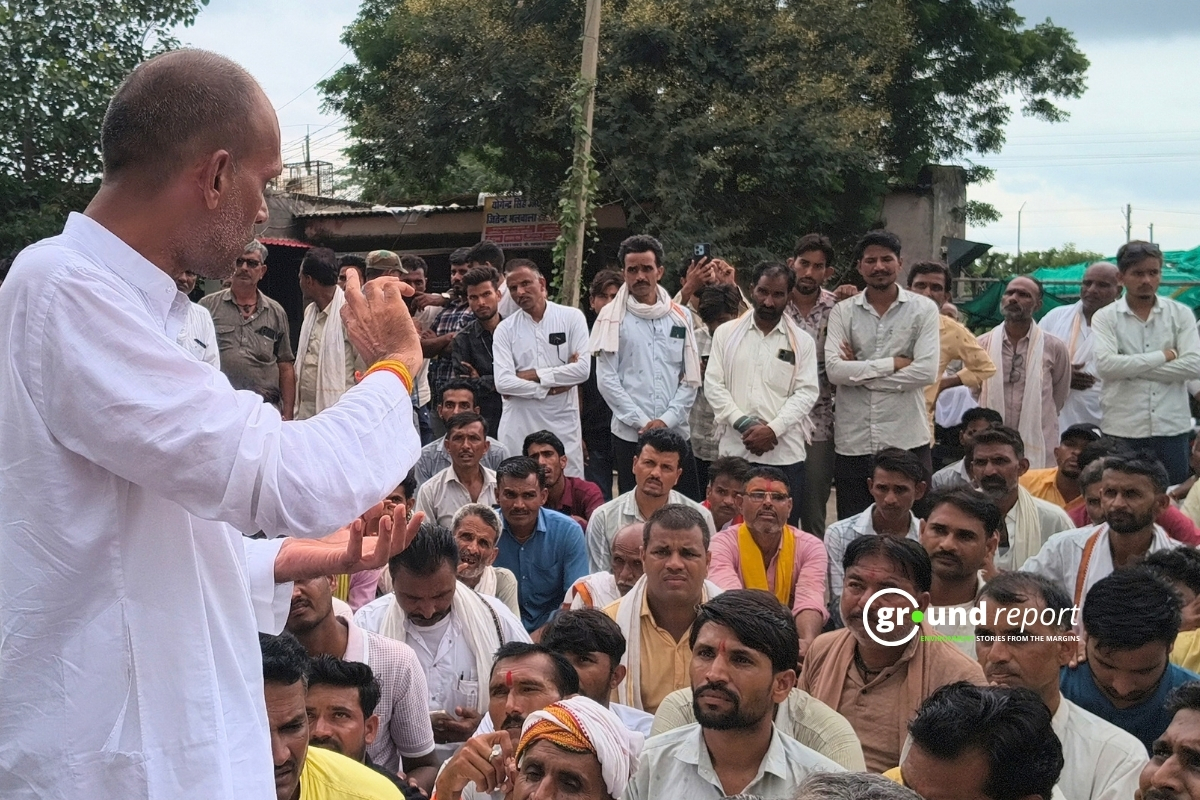
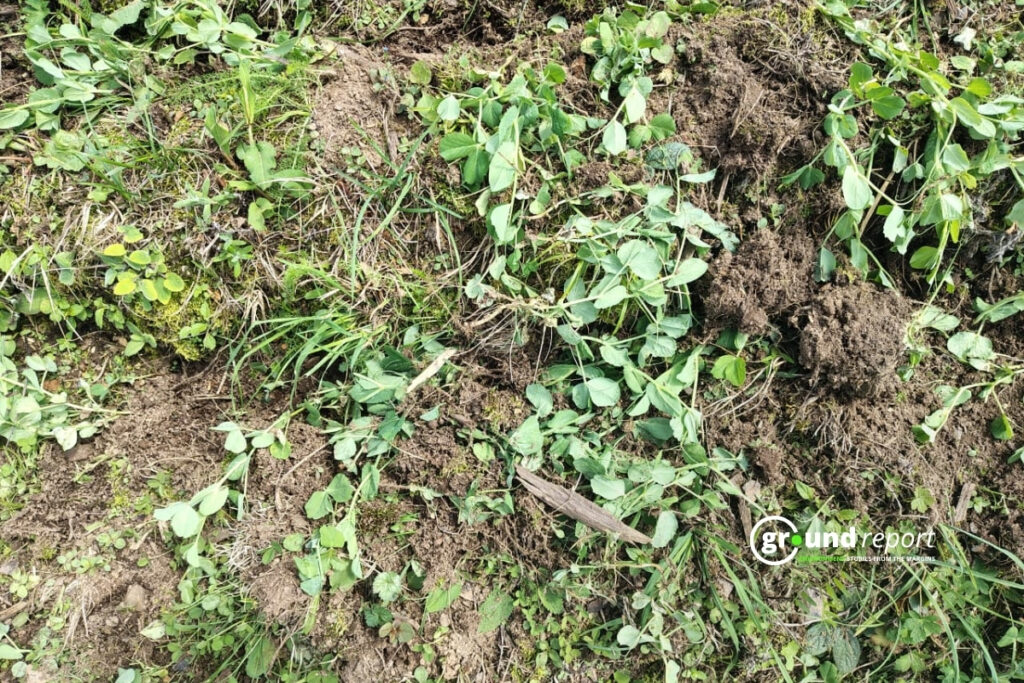
Guman Singh, convener of Himalaya Niti Abhiyan, said his organization received information about pea cultivation in forest areas and later examined the issue. He said people sprayed glyphosate on grass and herbs to create bare patches for planting peas.
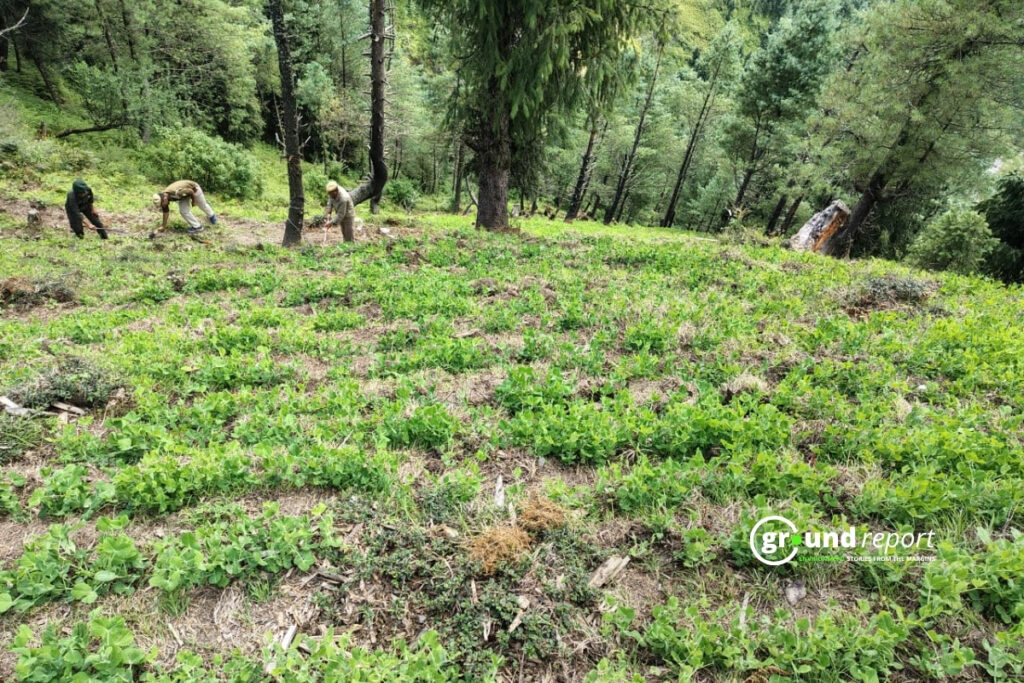
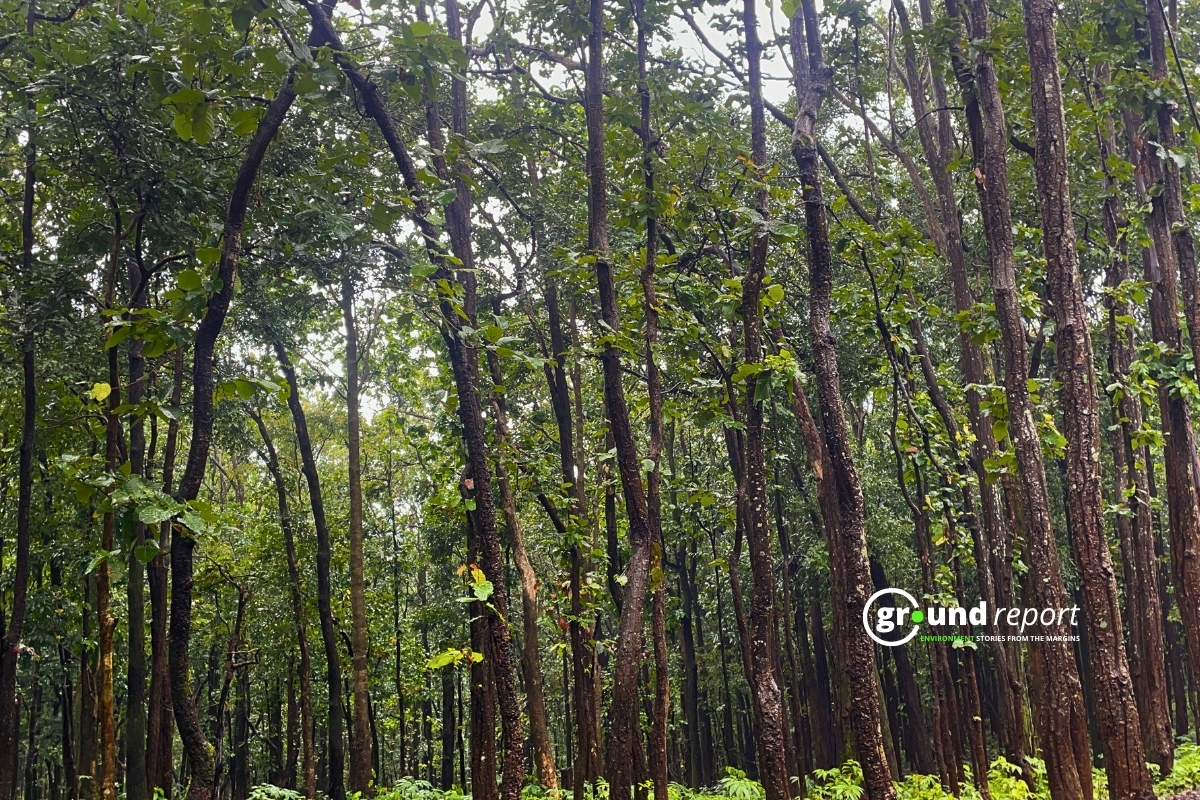
“Grasses and trees in forests dry up due to spraying of glyphosate, and the forests become empty,” Singh told Ground Report.
The groups wrote to Himachal Pradesh Chief Minister Sukhvinder Singh Sukhu on August 20, seeking a complete ban on glyphosate in the state. They also asked the government to test soil, water and vegetation from areas where spraying has been alleged.
The Forest Department, meanwhile, said its field verification found no evidence of glyphosate use at the inspected sites.
Why Glyphosate is Used
Glyphosate is a broad-spectrum herbicide that blocks an enzyme plants need to grow. It kills a wide range of weeds and grasses. India permits glyphosate for specified uses, as government records list approved uses, including tea plantations and specified non-crop areas.
A 2020 Pesticide Action Network India study surveyed farmers, farm workers and pesticide retailers across seven states and documented at least 20 non-approved uses of glyphosate, including 16 involving food crops. The researchers also reported glyphosate use across more than 20 crops.
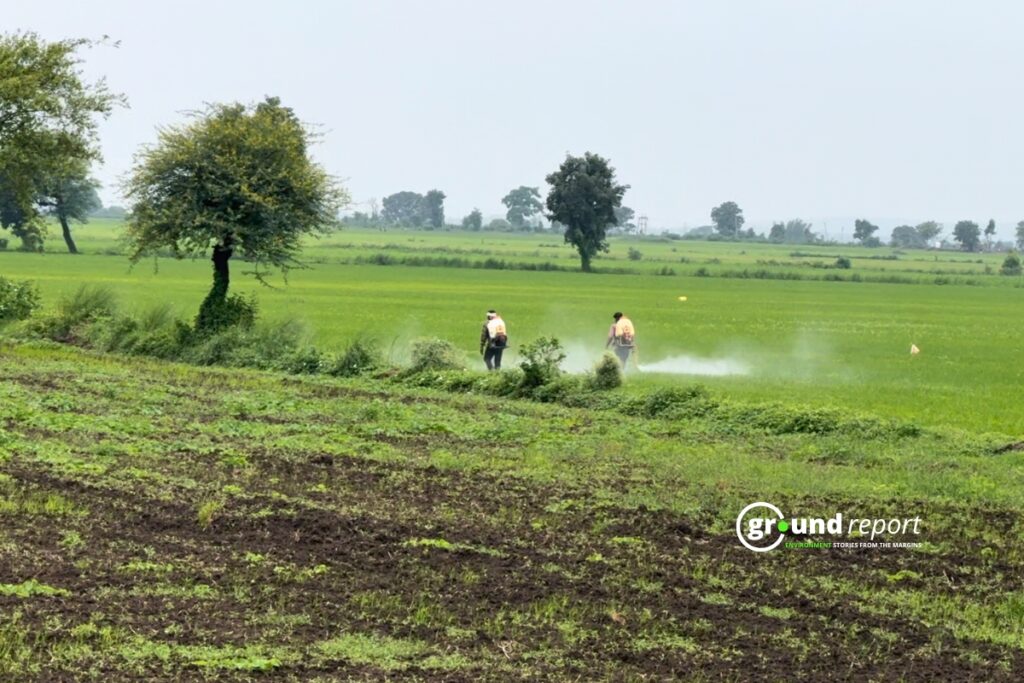
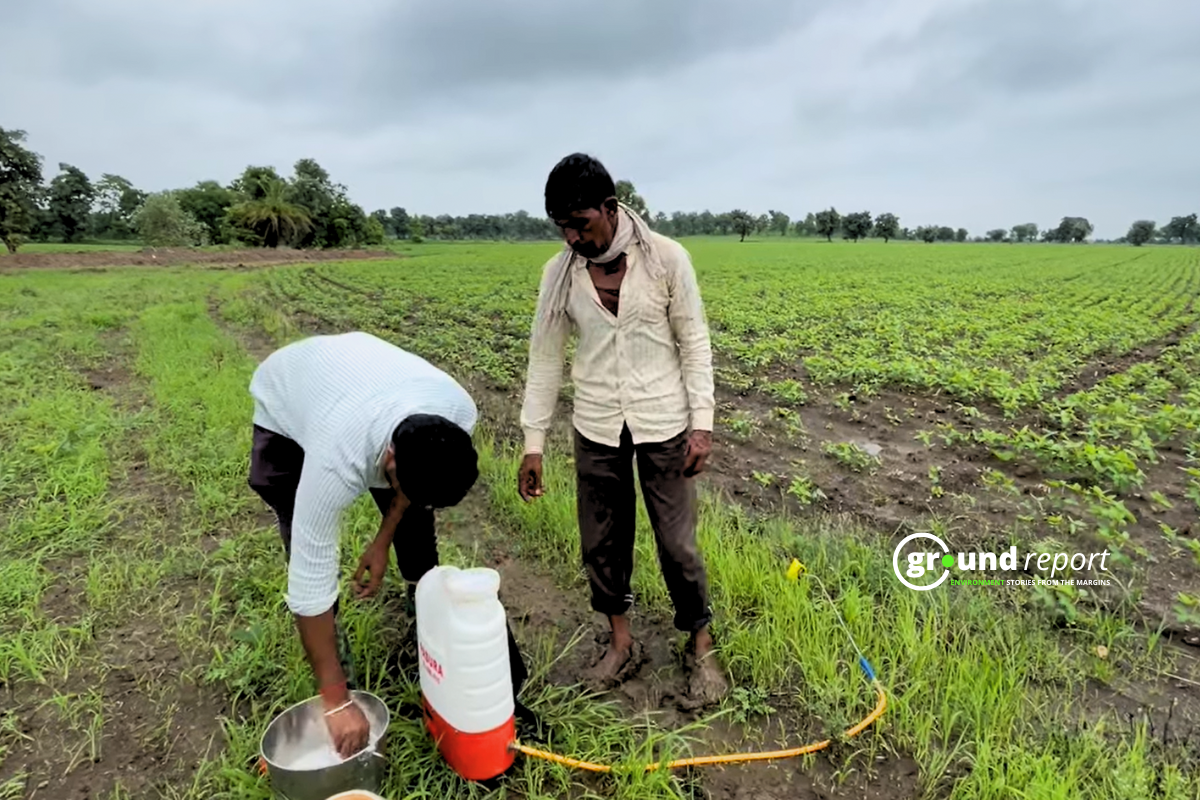
Narasimha Reddy Donthi, a public policy expert and consultant with Pesticide Action Network India, said glyphosate use has expanded beyond weed control. He said farmers and others now use the chemical to dry crops and clear vegetation. He also pointed to its use as a pre-harvest desiccant, which he said falls outside glyphosate’s registered uses in India.
Globally, farmers used an estimated 749,270 tonnes of glyphosate annually, based on average use from 2019 to 2022, according to a 2025 study. The estimate covers agricultural use and places glyphosate among the most widely used herbicides worldwide.
India’s Rules and Enforcement
Glyphosate is registered in India under the Insecticides Act, 1968.
In October 2022, the Centre restricted glyphosate use to licensed Pest Control Operators. The pesticide industry groups challenged the order in the Delhi High Court, and the Union government later told the court it would not implement the notification until the petitions were disposed of.
At its July 30, 2026 meeting, the Registration Committee again recommended restricted use by trained personnel or PCOs and sent its decision to the Agriculture Ministry for further action.
Reddy Donthi welcomed the move in an August 21 letter to the committee and asked to make its scientific report public. He also urged the committee to direct Forest Departments and other government agencies to stop using glyphosate on forests and grasslands.
“There’s no enforcement,” Donthi said. “The government recognizes the problem, but even after recognizing it, they’re not enforcing the law.”
Some states have taken separate action. Andhra Pradesh issued restrictions on glyphosate use in 2018, while Kerala cancelled licences for its distribution and sale in 2019.
What Does the Science Show?
In 2015, the World Health Organization’s International Agency for Research on Cancer (IARC) classified glyphosate as “probably carcinogenic to humans,” based on limited evidence of cancer in humans, sufficient evidence from experimental animals, and strong evidence of genotoxicity.
The European Food Safety Authority (EFSA), however, found no “critical areas of concern” in its 2023 peer review of glyphosate’s risks. It identified several data gaps and issues that could not be fully resolved, including aspects of consumer dietary risk, aquatic plants and biodiversity.
For Singh, the concern goes beyond the alleged use of glyphosate to clear vegetation for peas. He wants the state to establish the impact of chemicals on forest soil and other organisms in areas where spraying is suspected.
“Those grasses and herbs are part of the forest. When you spray them, you are removing everything from the area”, Said Singh. “We need scientific testing of these places to know what is happening to soil, water, and biodiversity.
Support Us To Sustain Independent Environmental Journalism In India.
More Ground Reports
He Was Married as a Child, Now Manish Dangi Helps Stop It for Others
Despite The Ban, How Gutkha Became MP’s Most Common Household Habit