Madhya Pradesh has received below-normal rainfall this monsoon, with the western part of the state carrying the biggest shortfall. As of September 9, the state had received about 7% less rain than its long-period average, while western Madhya Pradesh was 13% below normal.
The latest district-level assessment shows that 13 districts had rainfall deficits of 20% or more. The worst affected was Alirajpur, where rainfall was 54% below normal. Dhar was 41% below normal, followed by Ratlam at 37% and Jhabua at 36%.
These districts face the biggest rainfall gaps
The districts with deficits above 20% were Alirajpur, Dhar, Ratlam, Jhabua, Narmadapuram, Betul, Harda, Indore, Ujjain, Chhindwara, Pandhurna, Shajapur and Vidisha.
Narmadapuram recorded a 34% deficit, while Betul and Harda were each 32% below normal. Indore and Ujjain were both 27% below normal. Chhindwara recorded a 23% deficit and Pandhurna 22%. Shajapur was 22% below normal, while Vidisha was 20% below normal.
The situation has improved from the severe shortfall seen earlier in the monsoon. On August 6, 49 of Madhya Pradesh’s 55 districts were reporting below-normal rainfall, with the state 18% below normal. Recent heavy spells reduced the statewide gap to around 8%.
Drought has not been declared yet
The rainfall deficit does not mean Madhya Pradesh has officially declared drought in these districts.
The state government activated contingency measures earlier in the season when prolonged dry spells raised concerns over crop losses and water availability. Under the state’s Drought Manual, the government can take a decision on declaring drought for Kharif crops by October 31.
The government had already identified Alirajpur, Betul, Dindori and Shahdol as high-priority districts because of their vulnerability to rainfall shortages. Anuppur, Mandla and Singrauli were placed in the medium-priority category.
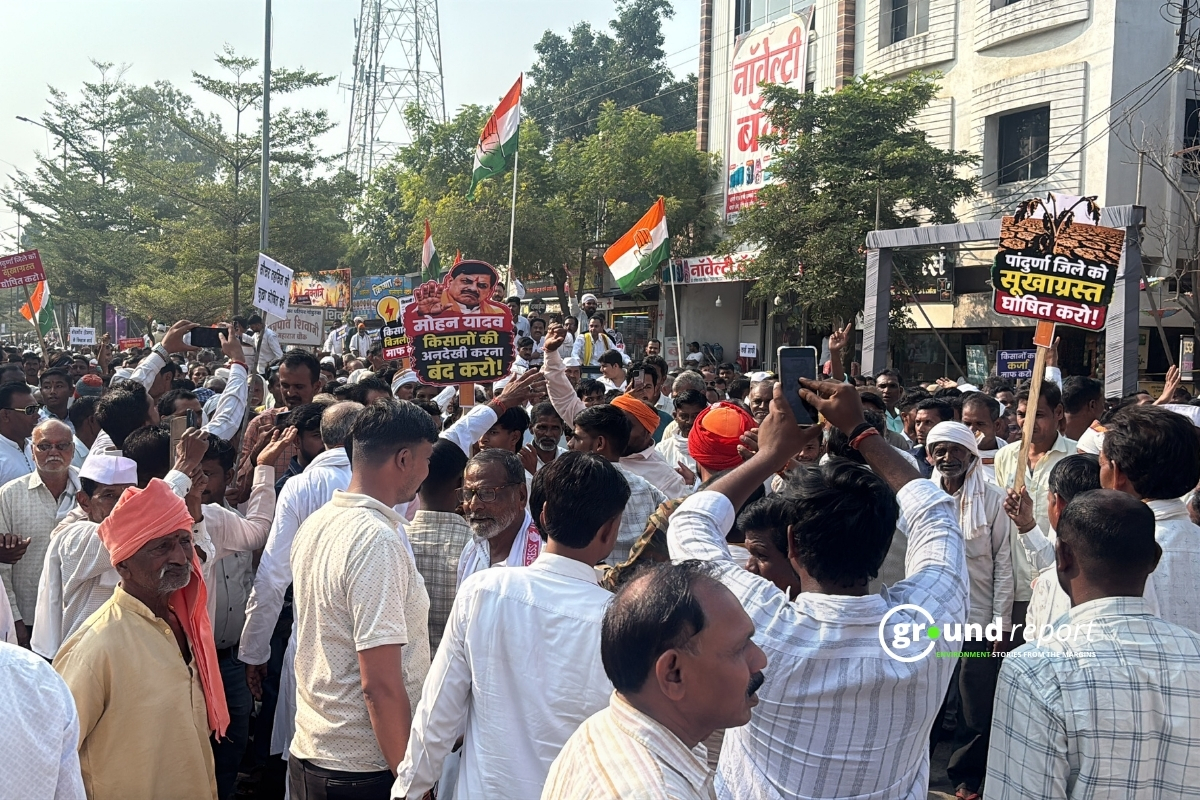
Chief Minister Mohan Yadav has asked officials to promote short-duration crops that need less water. “The state government is continuously monitoring the evolving rainfall situation,” Yadav said, directing departments to follow their contingency plans and support farmers.
Western MP remains the main concern
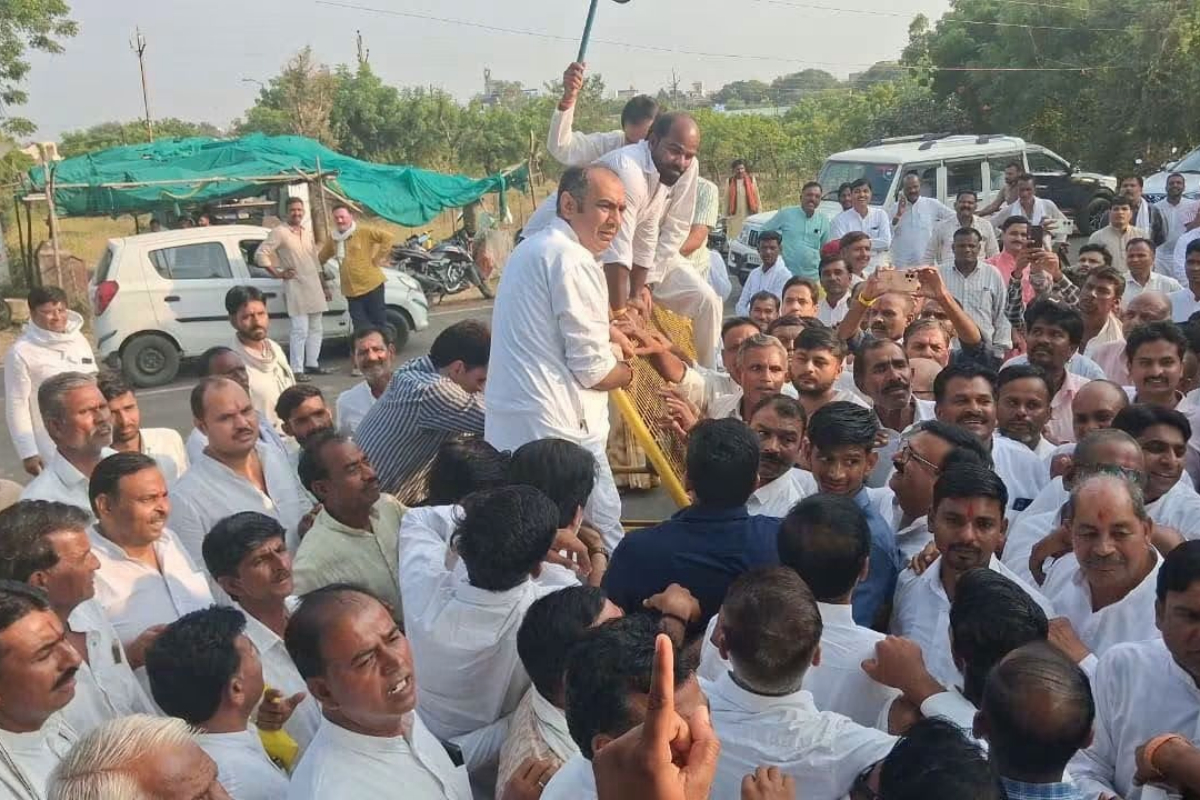
The rainfall pattern remains sharply uneven. Eastern Madhya Pradesh received several heavy spells in early September, improving conditions in districts that had earlier faced shortages. Parts of western Madhya Pradesh, including Alirajpur, Dhar, Ratlam and Jhabua, continue to carry substantial deficits.
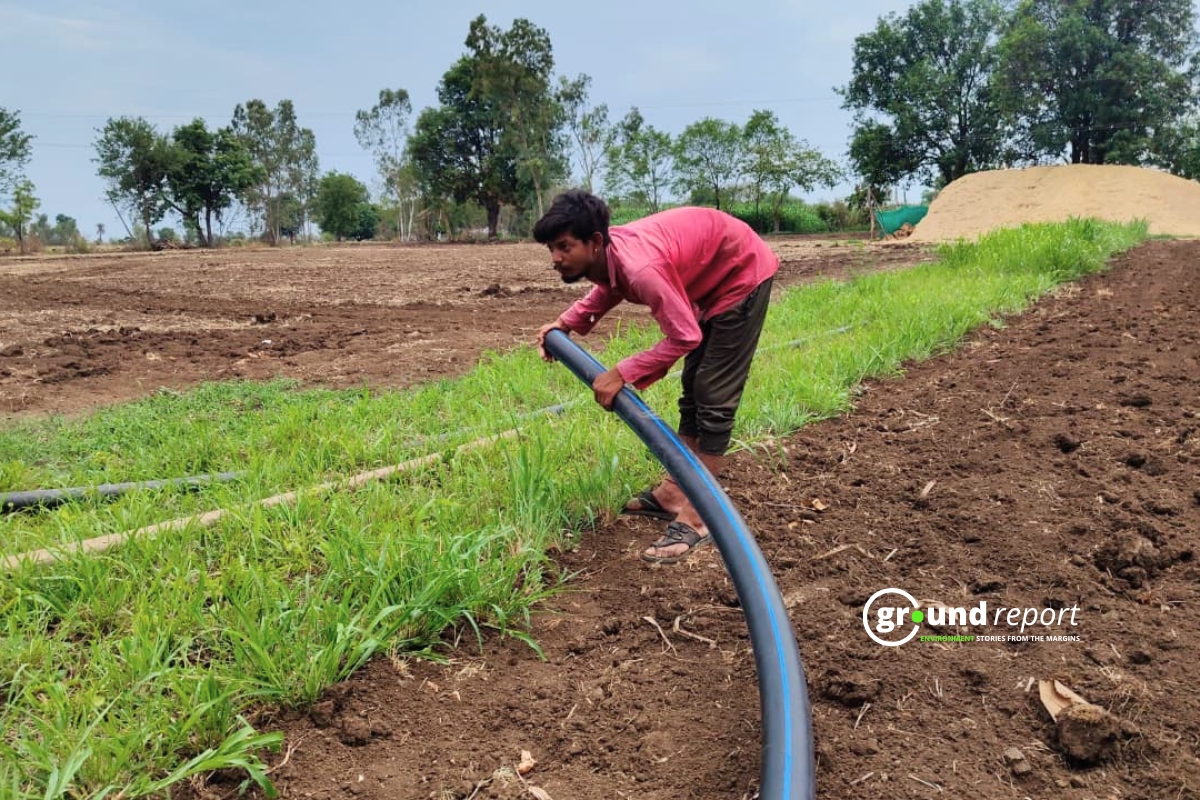
For farmers, the timing of the remaining September rain will matter. The state has already advised farmers to conserve soil moisture and consider crops such as millets and pulses that require less water.
The current figures point to drought risk in parts of Madhya Pradesh, but a formal drought assessment will depend on rainfall, crop and water conditions in the coming weeks.
Support Us To Sustain Independent Environmental Journalism In India.
More Ground Reports
He Was Married as a Child, Now Manish Dangi Helps Stop It for Others
Despite The Ban, How Gutkha Became MP’s Most Common Household Habit