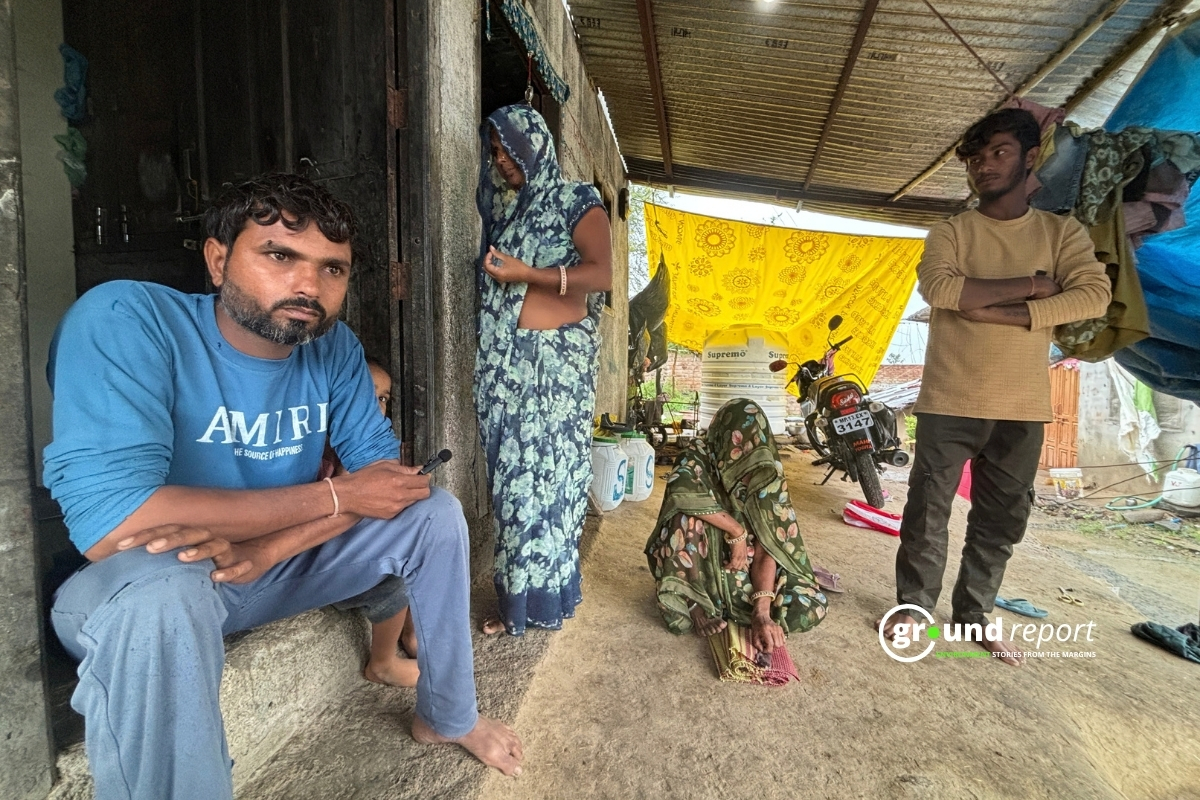
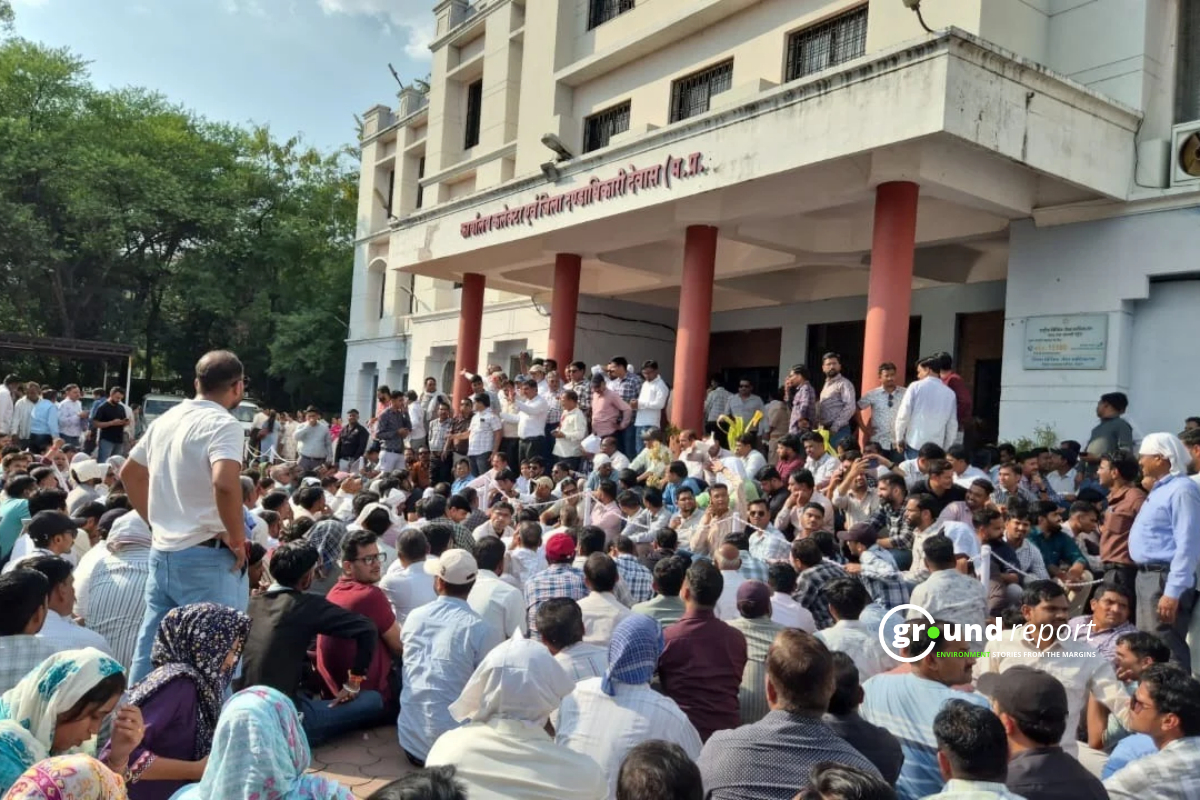
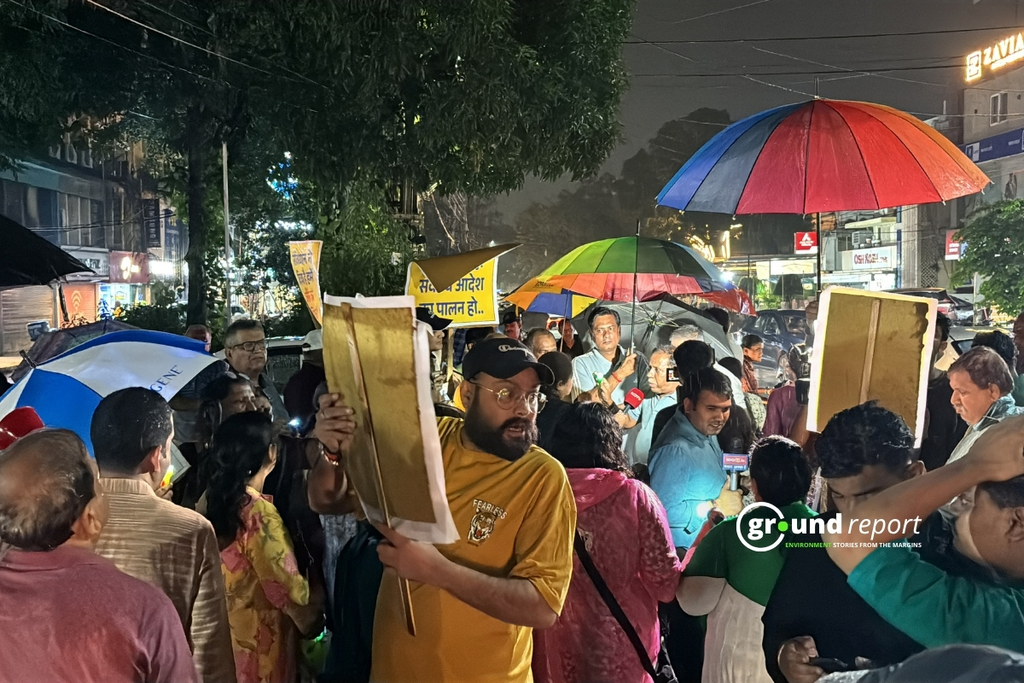
On Sunday, August 9, the Bhopal United Residents’ Struggle Committee organised a nearly 2-km-long torch march. Residents from Kolar, E-8, E-7 and other areas walked from the Number 7 bus stop to Vande Mataram Square.
The protest was against commercial activities in residential colonies.
Laxmikant Pandey, who participated in the march, said that commercial activities in his neighbourhood have disrupted the neighbourhood’s peace. He said, “Vehicles remain parked (in front of homes), the movement of anti-social elements has increased, and people face difficulties while moving around.”
In February this year, the Supreme Court heard a case concerning the unauthorised construction of a building on a residential plot in Tamil Nadu. The scope of the matter was subsequently expanded to cover the entire country. Two people from Bhopal also filed petitions before the High Court and the Supreme Court.
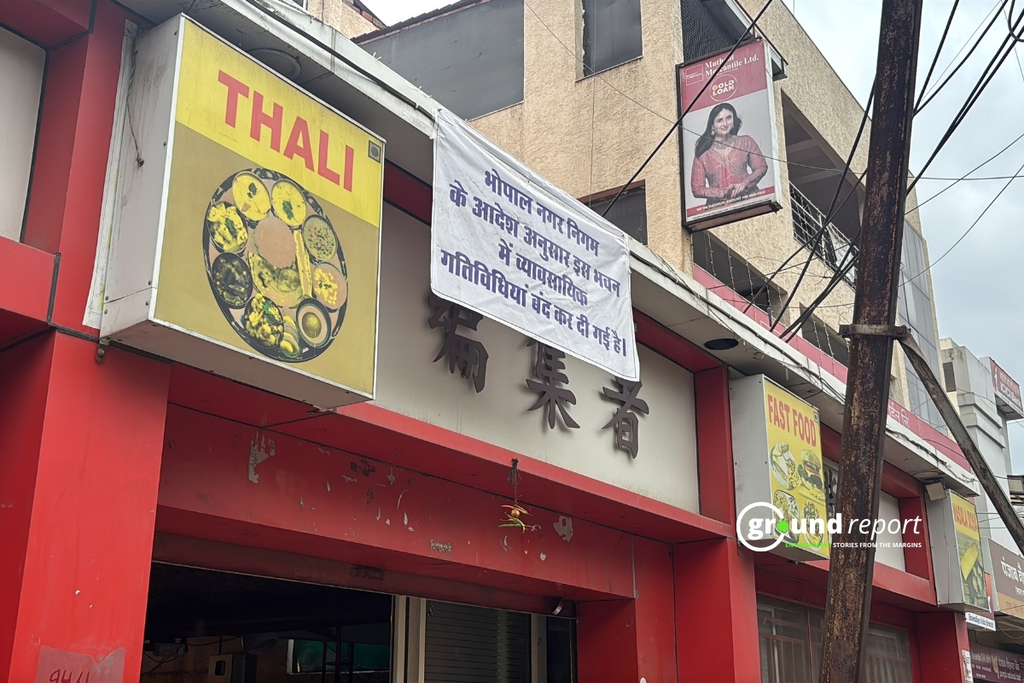
On August 1, the Bhopal Municipal Corporation (BMC) shut down shops in several areas, including Bawadia Kalan. However, the shops reopened just two days later. Residents are demanding that these shops be shut down completely. Shopkeepers, meanwhile, argue that if they have been paying electricity bills at commercial rates, rent and taxes, it is unclear how their businesses can now be considered illegal.
Years of complaints, but no action
Vivek Tripathi, a resident of Arera Colony, has submitted more than 20 complaints and applications regarding the issue since 2021. These were addressed to the Chief Minister’s Office, the Chief Secretary, the Additional Chief Secretary of the Urban Development and Housing Department, the Bhopal Municipal Corporation, the District Collector, and the Town and Country Planning Department.
Tripathi told Ground Report, “First one mall came up, then two more, and after that five or six malls started coming up at once. This destroyed the parking in the colony, and the movement of outsiders increased throughout the day.”
Documents attached to the complaints include building permission certificates issued by the municipal corporation. These documents describe the property use as residential. However, photographs of the same locations show banks, coffee chains, hotels and retail complexes operating there. Residents say that despite these documents, no concrete action has been taken.
A separate writ petition filed by Tripathi on the same issue is pending before the Madhya Pradesh High Court.
In August 2025, acting on a petition filed by Purnendu Shukla, the Madhya Pradesh High Court issued notices to the state government, BMC, the electricity distribution company and other government institutions. The court directed that no illegal construction be allowed in Arera Colony until the case was decided.
How the matter reached the Supreme Court
In February 2026, while hearing Loganathan vs State of Tamil Nadu, the Supreme Court found that an unauthorised one-and-a-half-storey building had been allowed to come up on a residential plot in Tamil Nadu without an approved building plan. The court observed that unauthorised activities were a major problem not only in Tamil Nadu but across the country.
In March 2026, the court directed municipal bodies in all state capitals and Union Territories to identify residential areas where commercial activities were being carried out and submit compliance reports.
The court also referred to its December 17, 2024 judgment in Rajendra Kumar Barjatya vs Uttar Pradesh Awas Evam Vikas Parishad. In that judgment, the court held that unauthorised construction cannot be allowed to continue merely because time has passed or money has already been spent. It also said that action should be taken against officials who permit such construction.
Sealing drive and its weakening
Following pressure from the Supreme Court, the BMC issued more than 1,000 notices to property owners in Bhopal. Arera Colony and Bawadia Kalan received the most notices.
The sealing drive began on August 1, 2026. The first action was taken in Rohit Nagar, after which the campaign reached Arera Colony. However, residents say the action was not effective.
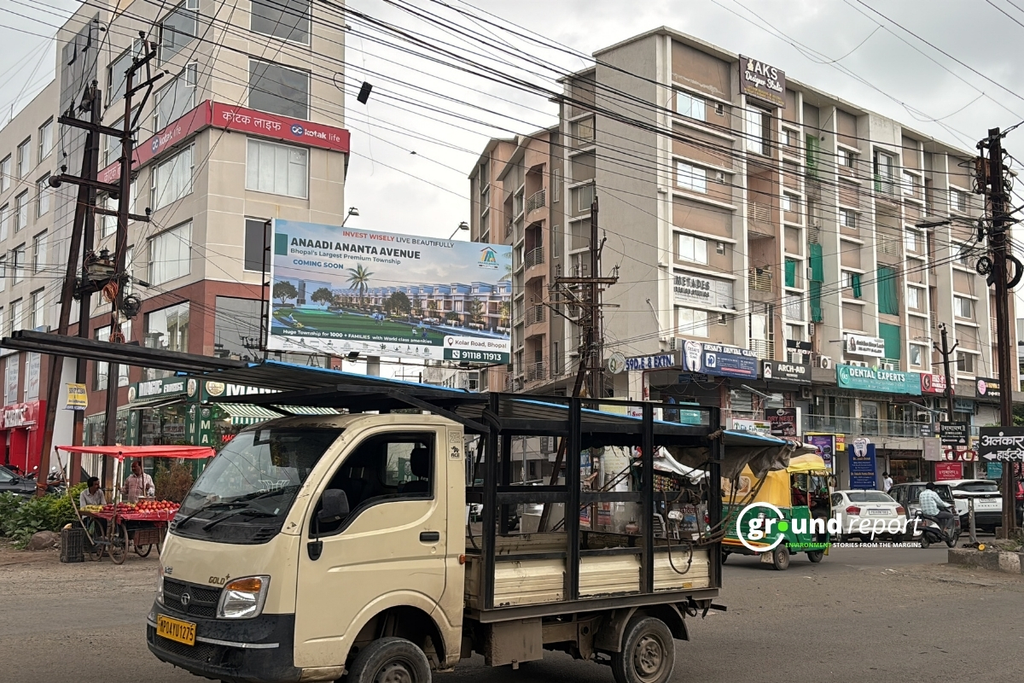
According to a complaint submitted by Tripathi and another resident, Lovneesh Bhati, to the court-appointed amicus curiae, Ajit Kumar Sinha, when BMC teams arrived, several shopkeepers simply pulled down their shutters and put “closed” signs outside.
Officials treated this as compliance and moved on. In several places, neither seals were affixed nor the necessary documents properly prepared.
What do the traders have to say?
Shivam Bhopali, who runs a tattoo studio in Rohit Nagar, says that traders build their businesses through years of hard work, so sudden action to remove them creates difficulties.
Lucky Meena, who runs a photocopy shop, is still unsure whether he is supposed to shut his shop. The municipal corporation had asked him to close it on August 1. However, showing a WhatsApp group of his traders’ association, he said that some shops, including photocopy shops, had been exempted from the action.
Meena said he was willing to vacate his shop, but wanted prior notice.
Bhopali, meanwhile, said, “If our businesses are being removed, it would be better if we are allotted space somewhere else where we can operate safely and have the assurance that we will not be removed from there again.”
Shops reopen
When the reporter visited Bawadia Kalan and Rohit Nagar on August 7, the shops and establishments were found operating.
Explaining why the businesses had reopened, Purnendu Shukla said that some shopkeepers had obtained stay orders from the High Court against the corporation’s action.
However, when the reporter contacted the concerned establishments to verify this, they declined to comment.
During the Supreme Court hearing on August 5, Additional Solicitor General K.M. Nataraj, appearing for the BMC, also confirmed this.
The Supreme Court has now asked the amicus curiae to prepare a list of such orders passed by coordinate benches. The Supreme Court has also asked the Madhya Pradesh High Court to try to decide, within six weeks, cases in which it has granted stays or interim relief.
The matter will next be heard on September 15.
Support Us To Sustain Independent Environmental Journalism In India.
More Ground Reports
He Was Married as a Child, Now Manish Dangi Helps Stop It for Others
Despite The Ban, How Gutkha Became MP’s Most Common Household Habit