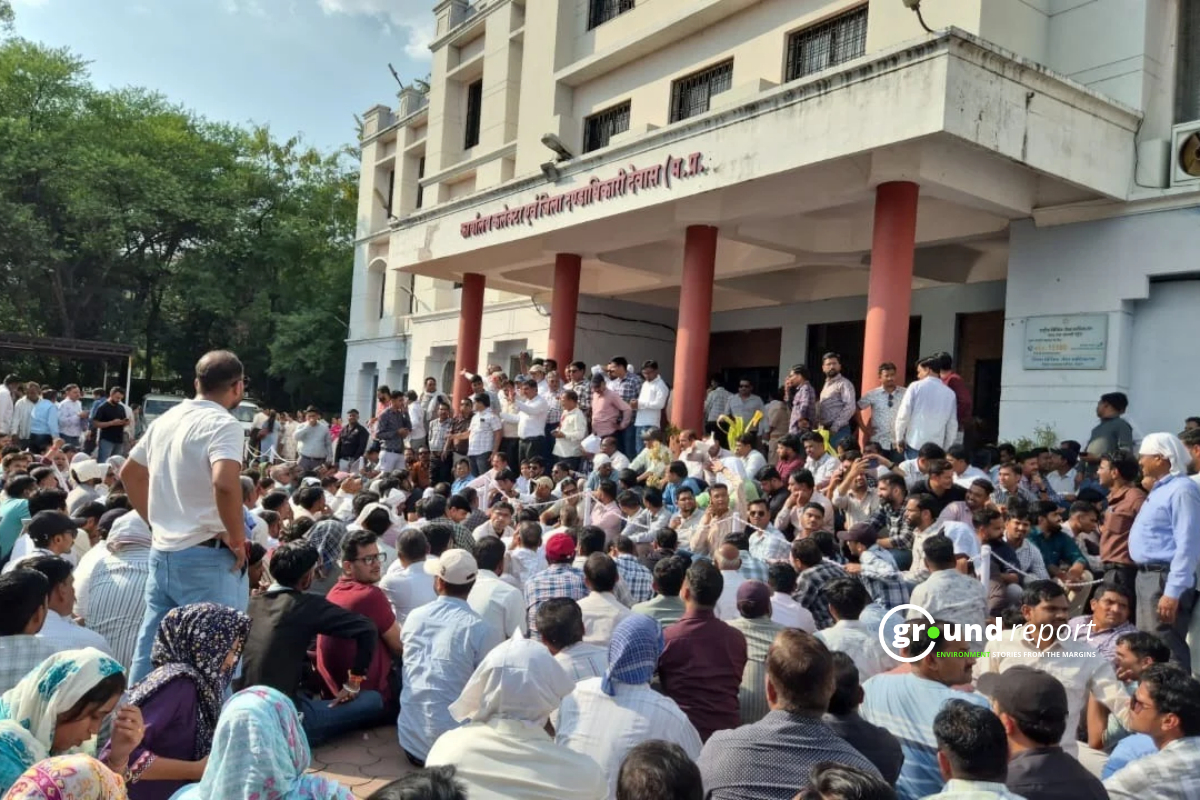
हिंदी में पढ़ें। On October 10, the Madhya Pradesh Revenue Department issued an order resolving a dispute over referring to patwaris as ‘executants’ in property registration documents under the Svamitva Scheme. The order stated that the government will not approve prosecution of patwaris under Section 218 of the Bharatiya Nagarik Suraksha Sanhita (BNSS) for acts performed in their official capacity.
This decision brought the month-long protest to an end.
To understand why property rights under the Scheme are registered in Madhya Pradesh and why patwaris object to having their names listed in the executant column, we spoke to protesting patwaris and other stakeholders. But before examining the reasons behind the dispute, it is important to understand the scheme.
What is the Svamitva Scheme?
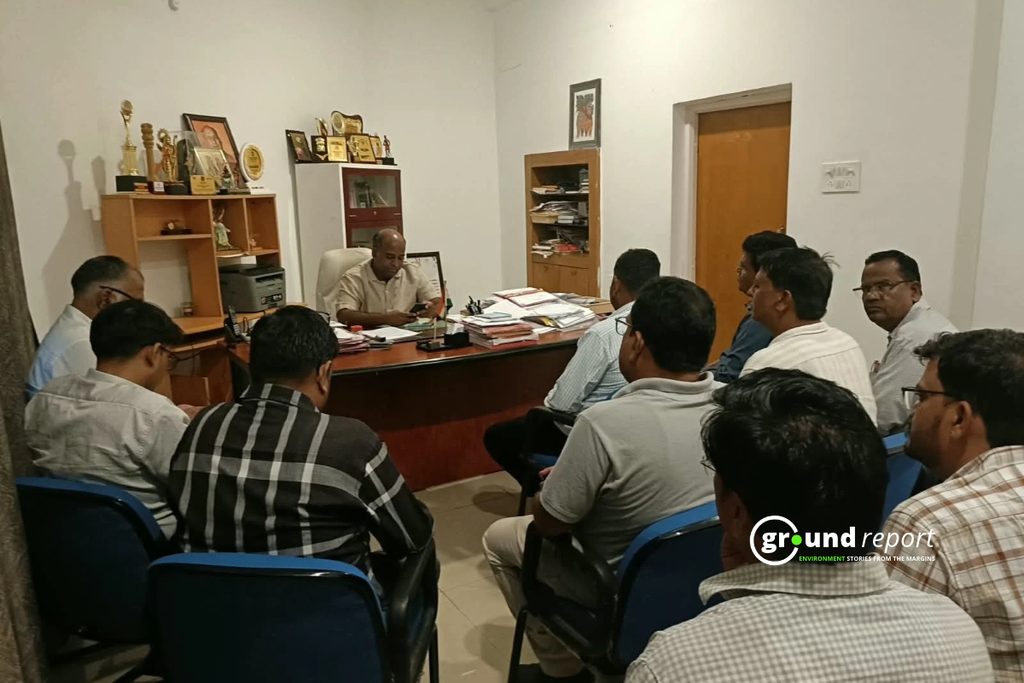
The Svamitva Scheme is an important initiative of the Ministry of Panchayati Raj, Government of India. The scheme surveyed properties in rural residential areas using drones and digitally mapped them to prepare property records, known as Svamitva cards.
The objective is to give rural residents legal recognition of their property rights, making it easier for them to obtain bank loans and buy or sell property in the future.
The Central Government launched the scheme as a pilot project in nine states on April 24, 2020. In 2021, it was implemented across the country.
The Madhya Pradesh government approved the Svamitva Property Rights Record Execution and Registration Scheme 2026 at a Cabinet meeting on June 2, 2026.
Under the scheme, the state government decided to execute and register property rights based on legally prepared Svamitva land records, in accordance with the Registration Act, 1908, and the Indian Stamp Act, 1899.
In simple terms, the government intended to convert Svamitva cards into registered property deeds that would be more widely accepted for obtaining loans against property and facilitating property transactions.
Madhya Pradesh is the first state in the country to undertake free registration of 5 million private properties in rural residential areas. The government is bearing the entire cost of the exercise, estimated at ₹3,800 crore.
An order issued on August 13, 2026, appointed patwaris as executant officers on behalf of the government for the registration. This became a reason.
Patwaris Do Not Want Their Names Listed as Executants
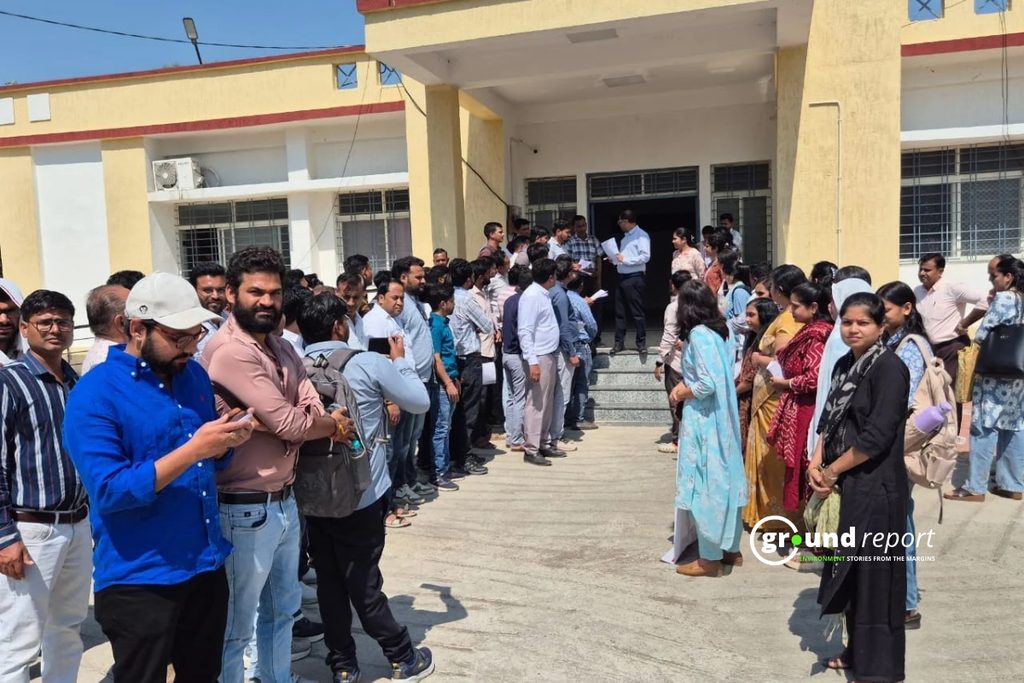
In legal terms, execution refers to carrying out or completing a document, agreement, order, or transaction. An executant is the person who formally executes the document.
This means the patwari’s signature on the document indicates that they are transferring government land, even though the patwari does not own the property. A patwari is a village-level revenue official who maintains land records and records related to agriculture and farmers.
Rajendra Suman, a member of the Rajgarh Patwari Association, says, “The work we previously carried out in rural areas, such as surveys, preparation of Records of Rights (RoR), GT records and maps, has already been used to record ownership of rural properties. But now, the patwari has been made the seller. Under the rules, only the landowner can be the seller. We are patwaris by designation; we do not own the land. If a property dispute arises among villagers in the future, they will approach the courts, and we could be held responsible.”
Along with clarity on their legal liability, the patwaris have also asked the government to protect their personal information.
Another patwari from Rajgarh explains the registration process:
“Currently, when we go to a village to register a property, we log in using our own ID, submit the application on behalf of the concerned person, verify it, and forward it. The file then goes to the panchayat inspector or tehsildar, who verifies and approves it. But the final registered deed contains the patwari’s name, father’s name, address and mobile number.”
This means that even if a dispute arises ten years later, the patwari concerned could be forced to make repeated trips to court. The patwaris have therefore demanded that their names be replaced with “Government of Madhya Pradesh” in the executant column.
Advocate Aftab Jameel Khan, who specialises in civil cases, agrees that the patwaris’ concerns are legitimate. He says that if a dispute arises over a registered deed in the future, or if an erroneous action comes to light, the patwaris who executed the sale deed could be held responsible. They could be named as parties in court proceedings and could even face police cases alleging fraudulent registration.
Concerns Over Errors at Multiple Levels of Land Records
Rajendra explains that many previously issued property titles have disputes and need corrections. He argues that the government should first launch a campaign inviting residents to have their records inspected individually and amended wherever necessary.
“Not every deed in a village is accurate. People were not given enough time when Svamitva titles were issued. When we visited households to collect Aadhaar details, we often found only one person at home. Even after repeatedly asking, we were given the name of only one family member. The records were prepared and published accordingly. Now, when it is time to register the properties, problems are emerging,” he says.
Giving an example, he explains, “Suppose a father and his son live in a house. The son gets only his own name recorded, even though he has four sons. Once the deed is registered, only that one person may be recognised as the rightful owner, and the others could even be evicted from the house. Not everyone acts honestly.”
Rajendra adds, “We should be given a proper opportunity to do this work and ensure the records are accurate. We are being given a target of 40 registrations a day, even though a registrar cannot register that many properties in a single day. How can a patwari do it? The government and administration want us to fill in the documents we receive and simply move the process forward. But no responsible official has taken this work seriously.”
Government’s Strict Approach
In a press release issued by the state’s Public Relations Department, the government launched the campaign for nearly 5 million free property registrations on September 17, to complete it within a month. The exercise is expected to cost around ₹4,000 crore.
The scale of the target and the expenditure involved have contributed to the government’s strict approach towards patwaris.
The media reports note that show-cause notices were issued to approximately 3,500 patwaris who had not carried out the registration work. More than 100 probationary patwaris faced suspension or dismissal in several districts, including Neemuch, Dewas, Ratlam, Agar Malwa, Shajapur and Mandsaur.
The standoff between the patwaris and the government also affected ordinary residents and farmers. Several essential revenue-related services, including land demarcation, mutation of land records, crop surveys and compensation-related work, were disrupted, causing considerable difficulties for rural communities.
The patwaris maintain that they are not refusing to work. Instead, they demand that technical and legal shortcomings be addressed. This would not unnecessarily drag the matter into court proceedings in the future.
Following the statewide work stoppage and protests, Chief Minister Mohan Yadav met representatives of the Patwari Association on October 10.
The Patwari Association demanded that the words “Government of Madhya Pradesh” replace individual patwaris’ names in the executant column of registration deeds. It also sought the withdrawal of suspensions and dismissals ordered during the protest.
Following assurances from the Chief Minister, the Revenue Department issued an order stating that patwaris had been appointed as executant officers on behalf of the state government. The order also stated that the government would not grant sanction to prosecute them under Section 218 of the Bharatiya Nagarik Suraksha Sanhita (BNSS).
Under this arrangement, patwaris’ names will remain in the executant column, but the government has offered them protection against prosecution under this provision. However, this does not amount to blanket immunity from legal action.
With the dispute between the government and patwaris temporarily resolved, property registration under the Svamitva Scheme is expected to resume at a faster pace. The larger question, however, remains: will the government rely on legal protection to push ahead with the registrations, or will it also address the concerns raised by patwaris about disputed property records, family members left out of ownership documents, and unrealistic registration targets?
Support Us To Sustain Independent Environmental Journalism In India.
More Ground Reports
How Madhya Pradesh Farmers Are Adapting Solar Pumps to Protect Them From Theft
Stay Connected With Ground Report For Underreported
Author
Support Ground Report to keep independent environmental journalism alive in India
We believe climate change should be the basis of current discourse, and our stories attempt to reflect the same.
Connect With Us
Send your feedback at greport2018@gmail.com
Newsletter
Subscribe our weekly free newsletter on Substack to get tailored content directly to your inbox.
When you pay, you ensure that we are able to produce on-ground underreported environmental stories and keep them free-to-read for those who can’t pay. In exchange, you get exclusive benefits.
Your support amplifies voices too often overlooked, thank you for being part of the movement.