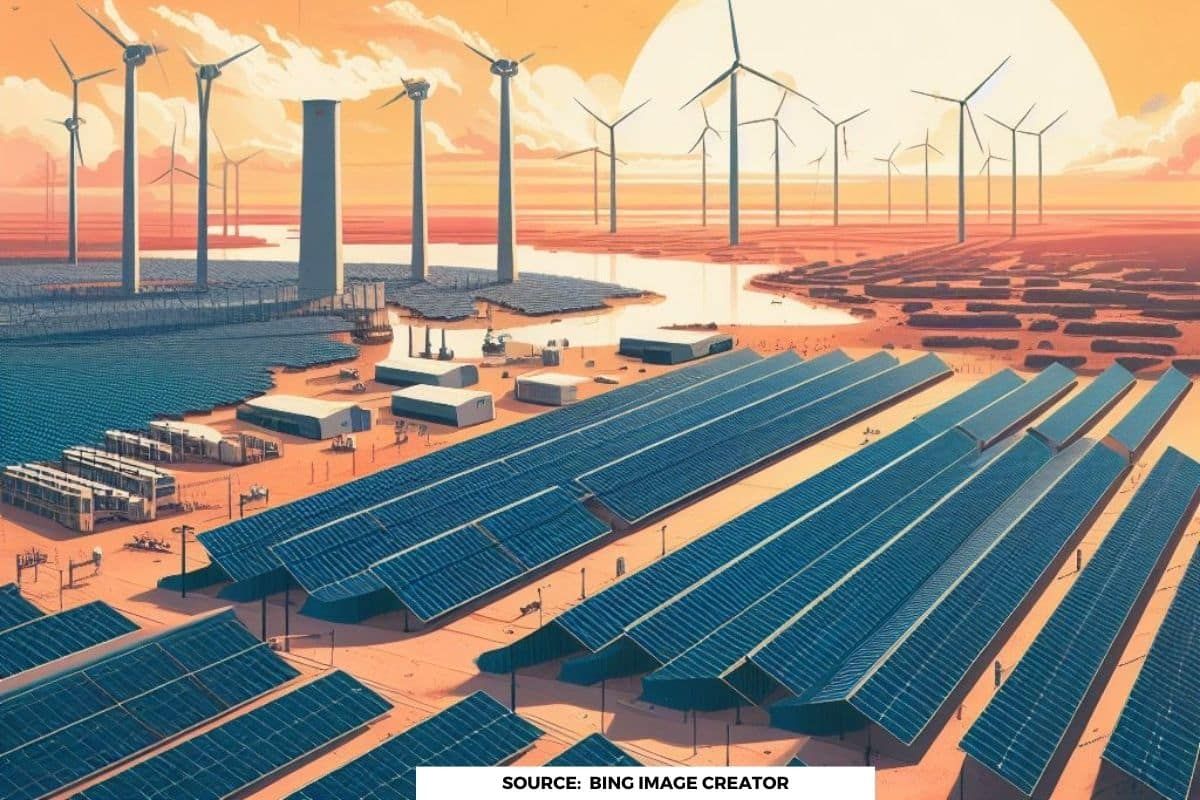
In a landmark move, over 118 countries have come together at COP28 to sign a global pledge to triple their renewable energy capacity. This ambitious initiative aims to significantly reduce the world’s reliance on fossil fuels and accelerate the transition to sustainable energy sources.
The pledge, which has garnered support from a diverse group of nations including Japan, Australia, Canada, and Brazil, reflects a growing international consensus on the urgency of addressing climate change. The commitment to enhance renewable energy capacity is a clear indication that countries are willing to take bold steps towards a greener future.
Despite the widespread support, notable absences from the list include India and China. Both countries have refrained from formally joining the pledge, although India has previously set a target to achieve 50% of its cumulative electric power installed capacity from non-fossil fuel-based energy resources by 2030.
The COP28 conference, held in Dubai, has brought together leaders from more than 130 countries against the backdrop of extreme climate events worldwide. The conference serves as a platform for nations to align their efforts and set tangible goals for mitigating the impacts of climate change.
Countries pledging triple renewable capacity
| No. | Country | No. | Country | No. | Country |
|---|---|---|---|---|---|
| 1 | Fiji | 40 | European Union | 79 | Netherlands |
| 2 | Albania | 41 | Finland | 80 | Nicaragua |
| 3 | Andorra | 42 | France | 81 | Nigeria |
| 4 | Angola | 43 | Georgia | 82 | North Macedonia |
| 5 | Antigua and Barbuda | 44 | Germany | 83 | Norway |
| 6 | Argentina | 45 | Greece | 84 | Oman |
| 7 | Armenia | 46 | Grenada | 85 | Papua New Guinea |
| 8 | Australia | 47 | Guatemala | 86 | Paraguay |
| 9 | Austria | 48 | Guinea | 87 | Poland |
| 10 | Azerbaijan | 49 | Hungary | 88 | Portugal |
| 11 | Bahamas (the) | 50 | Iceland | 89 | Romania |
| 12 | Bangladesh | 51 | Ireland | 90 | Rwanda |
| 13 | Barbados | 52 | Italy | 91 | San Marino |
| 14 | Belgium | 53 | Jamaica | 92 | Senegal |
| 15 | Belize | 54 | Japan | 93 | Serbia |
| 16 | Benin | 55 | Jordan | 94 | Seychelles |
| 17 | Bhutan | 56 | Kenya | 95 | Sierra Leone |
| 18 | Bosnia Herzegovina | 57 | Kiribati | 96 | Singapore |
| 19 | Brazil | 58 | Kosovo | 97 | Slovakia |
| 20 | Brunei Darussalam | 59 | Kyrgyzstan | 98 | Slovenia |
| 21 | Bulgaria | 60 | Latvia | 99 | Somalia |
| 22 | Burundi | 61 | Lebanon | 100 | South Korea |
| 23 | Canada | 62 | Lesotho | 101 | Spain |
| 24 | Chad | 63 | Liechtenstein | 102 | Sweden |
| 25 | Chile | 64 | Lithuania | 103 | Switzerland |
| 26 | Colombia | 65 | Luxembourg | 104 | Syria |
| 27 | Comoros (the) | 66 | Malawi | 105 | Tajikistan |
| 28 | Costa Rica | 67 | Malaysia | 106 | Togo |
| 29 | Cote d’Ivoire | 68 | Maldives | 107 | Tunisia |
| 30 | Croatia | 69 | Mali | 108 | UAE |
| 31 | Cuba | 70 | Malta | 109 | Ukraine |
| 32 | Cyprus | 71 | Micronesia | 110 | United Kingdom |
| 33 | Czechia | 72 | Moldova | 111 | USA |
| 34 | Denmark | 73 | Monaco | 112 | Uruguay |
| 35 | Dominican Republic | 74 | Montenegro | 113 | Uzbekistan |
| 36 | El Salvador | 75 | Morocco | 114 | Vanuatu |
| 37 | Estonia | 76 | Mozambique | 115 | Yemen |
| 38 | Eswatini | 77 | Namibia | 116 | Zambia |
| 39 | Ethiopia | 78 | Nauru | 117 | Zimbabwe |
| – | – | 118 | Mexico | – | – |
India rejects COP28 climate pledges
India has chosen not to support a pledge made by 118 countries at the COP28 summit in Dubai, aiming to triple renewable energy capacity by 2030.
The pledge also involved committing to reducing coal usage. India has consistently emphasized its plan to increase coal-fired power plant capacity to meet growing energy demands and prioritizes power availability for economic growth. Despite India committing to tripling renewables by 2030 at the G20 Summit, it did not include phasing down fossil fuels.
India argues that it has excelled in renewables and emphasizes carbon emissions reduction over fuel choices. The pledge, led by the EU, had signatories like the US, Australia, Japan, Canada, and the host country UAE.
It outlined the need for three times more renewable energy capacity by 2030 to limit global warming to 1.5°C. China, with the largest renewable capacity globally, did not endorse the pledge while continuing to build coal-fired power plants.
Keep Reading
How many Cheetahs are there in India?
10 Richest states of India in the year 2024 and their GSDP
10 Poorest states in India in 2024
10 Indian cities facing water scarcity in 2024
Support us to keep independent environmental journalism alive in India.
Follow Ground Report on X, Instagram and Facebook for environmental and underreported stories from the margins. Give us feedback on our email id greport2018@gmail.com.
Don’t forget to Subscribe to our weekly newsletter, Join our community on WhatsApp, and Follow our YouTube Channel for video stories.