The Executive Officer of the Municipal Committee, Bhaderwah, Jammu & Kashmir, has deposited an environmental compensation of Rs 11.55 lakh following a directive from the National Green Tribunal (NGT). This step comes in response to the failure to address waterbody pollution, as outlined in the NGT order issued on August 21, 2024.
A report by the Jammu & Kashmir Pollution Control Committee (JKPCC) on November 30, 2024, reveals that the Deputy Commissioner of Doda has been instructed to recover environmental compensation from the Municipal Committee. In compliance with the NGT’s order, the Executive Officer of the Municipal Committee deposited the fine.
The JKPCC report highlights actions to address pollution. A focus is on constructing a Sewage Treatment Plant (STP), with land identified for its development. The Director of Urban Local Bodies, Jammu, has been tasked with hiring a consultant to prepare the Detailed Project Report (DPR) for the STP. This project aims to reduce waste entering waterbodies and improve regional water quality.
A three-member committee has been formed to identify defaulters, including private households and government entities, whose latrine outlets discharge into waterbodies. So far, 130 notices have been issued, and legal action is pending against these defaulters.
Initial water quality samples from the Pollution Control Committee showed concerning results, but the Municipal Committee has made progress. Subsequent tests showed improvement, attributed to daily cleaning of nallahs (small rivers) by the Municipal Committee. Waste removal in Puneja Nallah, Halyan Nallah, and Gupta Ganga has yielded visible results, and the ongoing biomining project at the Dranga landfill site is expected to help manage solid waste more efficiently.
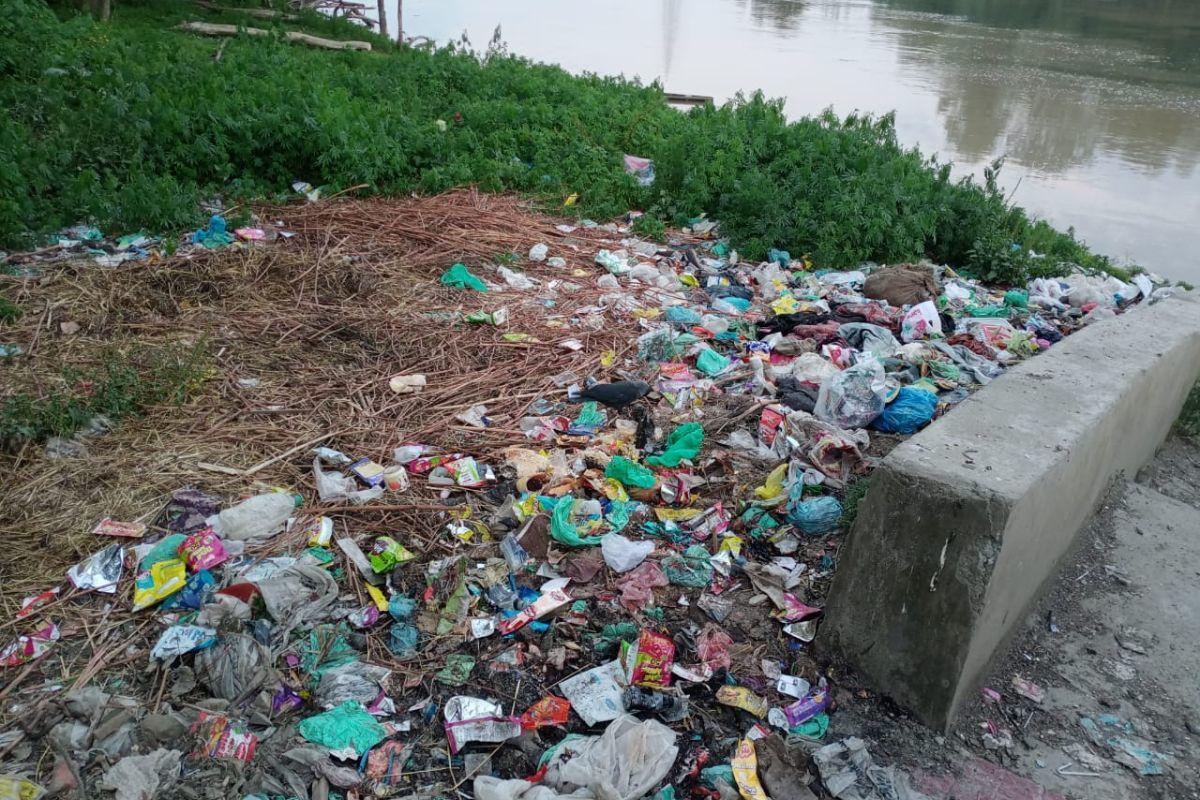
The report addressed rural pollution, with nallahs like Puneja, Neeru, and Halyan carrying large amounts of plastic and waste. These materials choke municipal limits, worsening waterbody pollution. The Block Development Officer has been urged to act to reduce waste flow into these nallahs.
Despite progress, experts stress that a comprehensive approach involving community participation and stronger enforcement is needed for long-term success. The Municipal Committee’s initiatives, particularly the STP project and waste management efforts, are steps in the right direction but require continuous attention to restore Bhaderwah’s waterbodies.
Support us to keep independent environmental journalism alive in India.
Keep Reading
Watch: Kashmir experiences first snowfall of season after dry spell
Amarnath Yatra: Tackling rising death toll from extreme weather events
Tourists arrival in Kashmir break records, a need to regulate it?
From tourist paradise to waste wasteland: Sindh River Cry for help
Follow Ground Report on X, Instagram and Facebook for environmental and underreported stories from the margins. Give us feedback on our email id greport2018@gmail.com.
Don’t forget to Subscribe to our weekly newsletter, Join our community on WhatsApp, and Follow our YouTube Channel for video stories.