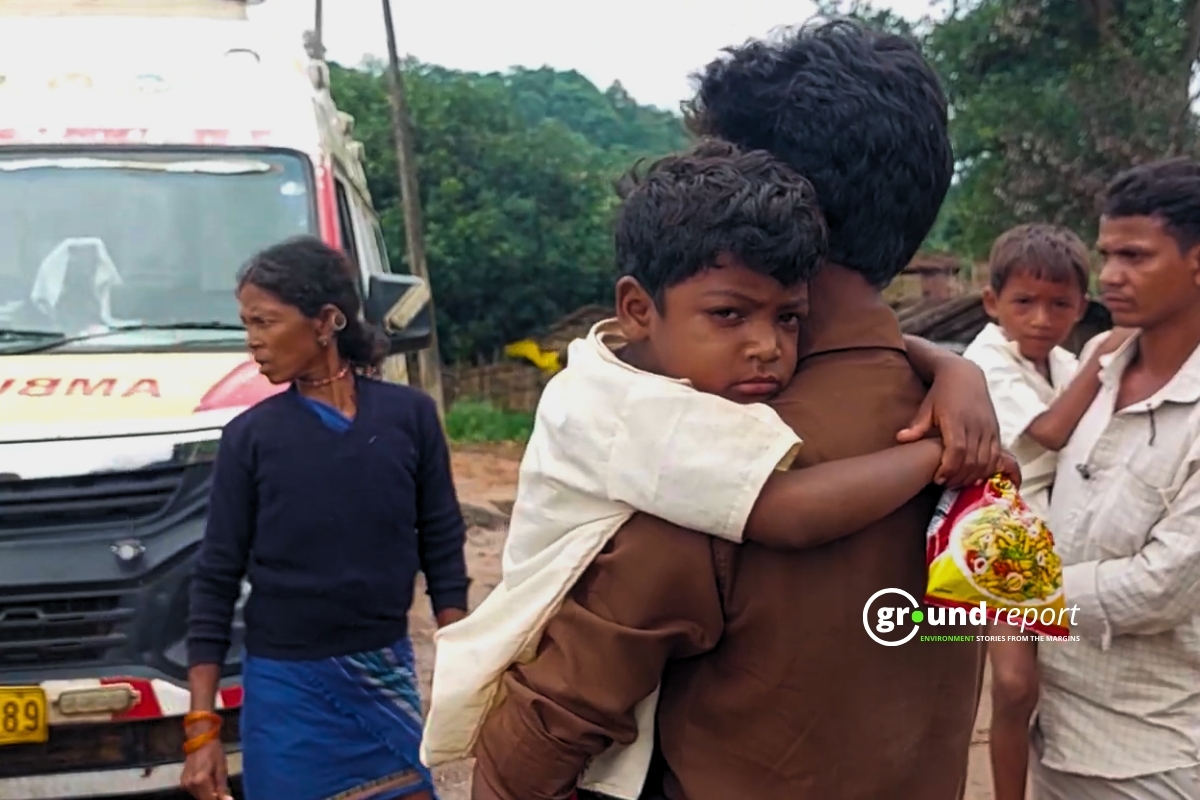
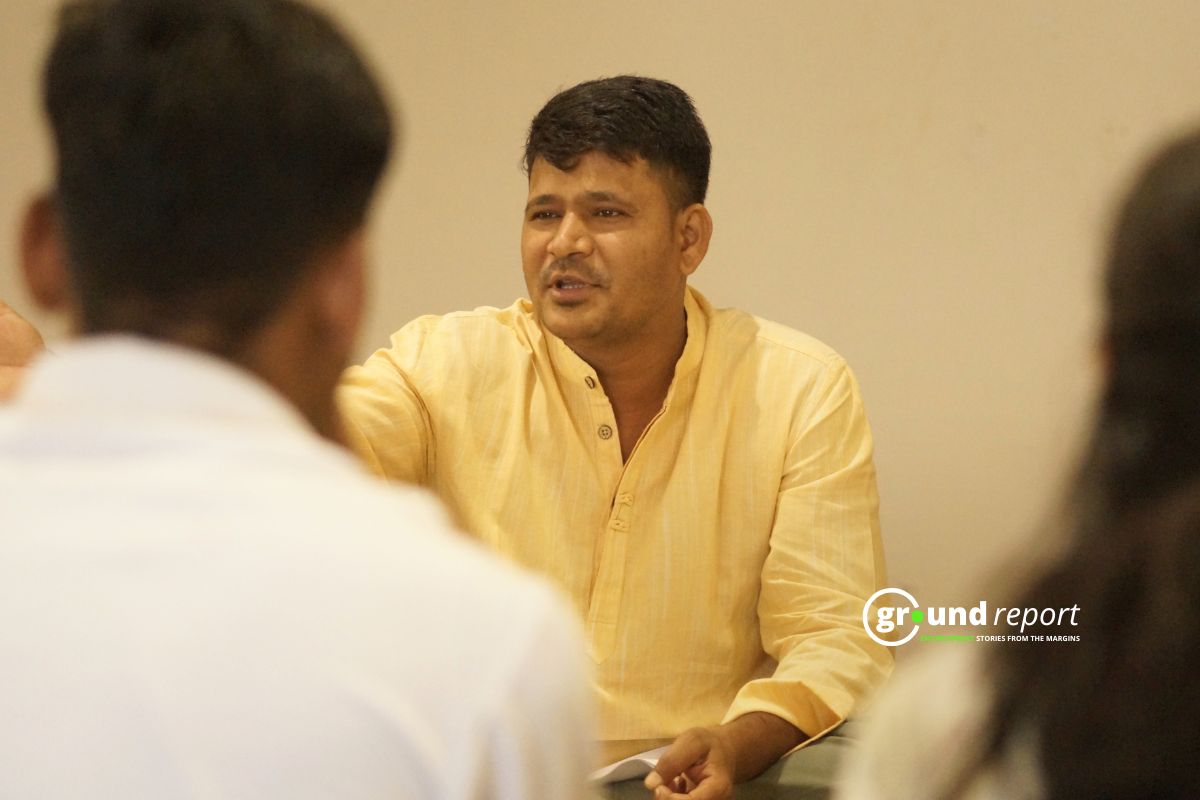
Sometime in 2003, Manish Dangi got married. He remembers the music, the band, the new clothes, the thrill, and being the center of attention. “At that time, it felt fun,” Dangi recalled. “What would a seventh- or eighth-grade child even understand?”
Dangi was 14 years old and in school. Soon, when he went to school, his peers pointed at a girl as his wife. He barely understood what that meant, though he said that he felt his life had been restricted.
“I truly don’t know when the engagement happened,” he said. “The family just went ahead and did it.” Though in Rajgarh and among Manish’s Dangi community, this was quite common.
Rajeshwari Chandrasekar, who worked in the district in the early 1990s with UNICEF (United Nations Children’s Fund). She found that “there are certain castes in the districts where the majority of child marriages take place… these are Chamar, Dangi, Sondh-Wadi, Dhaakkad, and Loda.”
Rajgarh, a district bordering Rajasthan, has long wrestled with entrenched child marriage practices, particularly in economically vulnerable rural belts where agriculture is unstable, educational access is uneven, and migration has historically shaped household insecurity. Even Dangi’s own siblings got married quite early.
Nearly 48% of girls with no education were married before turning 18, compared to only 4% among girls with higher education. Child marriage was also far more common in poorer households: around 40% of girls from the poorest families were married before 18, while the figure was only 8% among the richest households.
Activists here describe child marriage as more than a tradition, reinforced by fears that girls might elope, by dowry calculations, by the pressure to marry multiple siblings at once to save costs, and by a local practice called “jhagda.”
In the jhagda system, breaking an engagement or child marriage arrangement can trigger demands for large monetary settlements, social retaliation, violence, or community punishment. Families can be pushed into paying anywhere from thousands to lakhs of rupees. And, if they refuse to pay, then the village can socially ostracize them. Even crops and property may be destroyed.
Local newspapers are full of news about Jhagda. Needless to say, all this is illegal, though these practices have societal impunity.
In Chandrasekar’s experience, women would come to her and explain how they are treated as “shoes” in society: replaceable and with the least respect. And this would enable practices like child marriages, natra, jhagada, and others.
A lot has changed since Chandrasekar’s work and interventions—like engaging with barbers, priests, and wedding arrangers so as not to become part of any child marriages. Across India, child marriage rates have declined, but Madhya Pradesh continues to carry a substantial burden. NFHS-5 (2019-21) data found that around 23% of women aged 20–24 in the state were married before age 18.
The data presented in the Madhya Pradesh Legislative Assembly from 2020 to 2025 show a steady rise in intervention cases, from 366 in 2020 to 538 in 2025.
Districts such as Damoh, Rajgarh, Sagar, Guna, and Shivpuri consistently recorded the highest numbers. Damoh stands out sharply with 115 prevented cases in 2025 alone, the highest single-year figure in the dataset. In contrast, districts like Bhopal, Khandwa, Burhanpur, and Agar Malwa reported very few or almost zero cases.
While the number reflects a rise in child marriage cases, the activists on the ground say that the actual numbers would be higher than reported. And additional work is required with communities to see a sustained change.
Arun’s Journey
Around the time Manish Dangi got married, in 2003, Arun Satalkar returned to Rajgarh after completing a master’s in advertising and public relations management from Devi Ahilya University (DAVV) in Indore.
On market days, Satalkar remembers, it was common to see children dressed as bride and groom moving through bazaars in turmeric-stained wedding clothes—boys buying saafas, girls trailing families through crowded shops. Essentially, the child marriage economy operated with little secrecy. Then came Akshaya Tritiya, the auspicious Hindu festival and the end of the harvest season that often doubled as a mass wedding season.
He first joined local NGO work focused on education, then later worked as a UNICEF consultant in Chhatarpur’s Buxwaha forests on tribal children’s education and nutrition. That experience widened his understanding of child vulnerability.
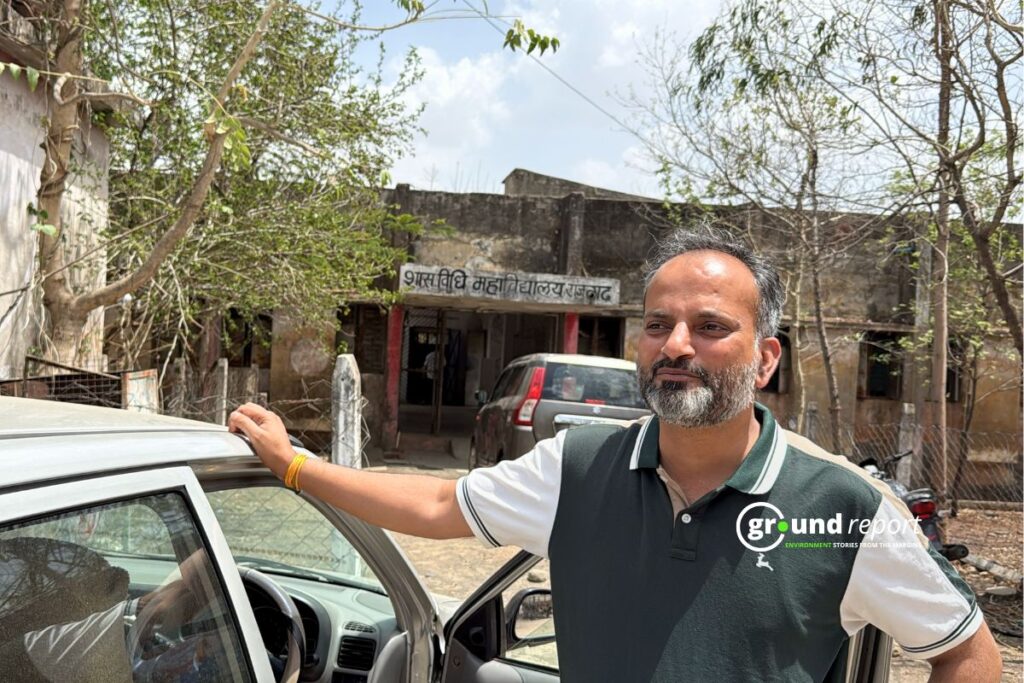
By 2006, Satalkar had registered Ahimsa Welfare Society.
Initially, Ahimsa focused on improving education in schools. But by 2010, after years of fieldwork, Satalkar says the organization’s mission had sharpened. Rajgarh’s children were not only losing access to education. Many were losing childhood itself.
“We started with ten schools,” Satalkar said. “But later we realized we had to work directly on children’s rights.”
After marriage, Dangi continued his education through Class 10 and 12 and eventually graduated in Indore. He realized the true meaning of his childhood festivities. “Slowly it became clear,” he said, “that this was a husband-wife relationship.” He felt discomfort and regret. “People study and then get married, and we get married and then get educated.”
Around 2011, a jhagda conflict involving Dangi’s niece became a turning point. She wanted to study, but after a child engagement arrangement soured, Dangi’s family paid roughly ₹7 lakh in jhagda to settle the dispute.
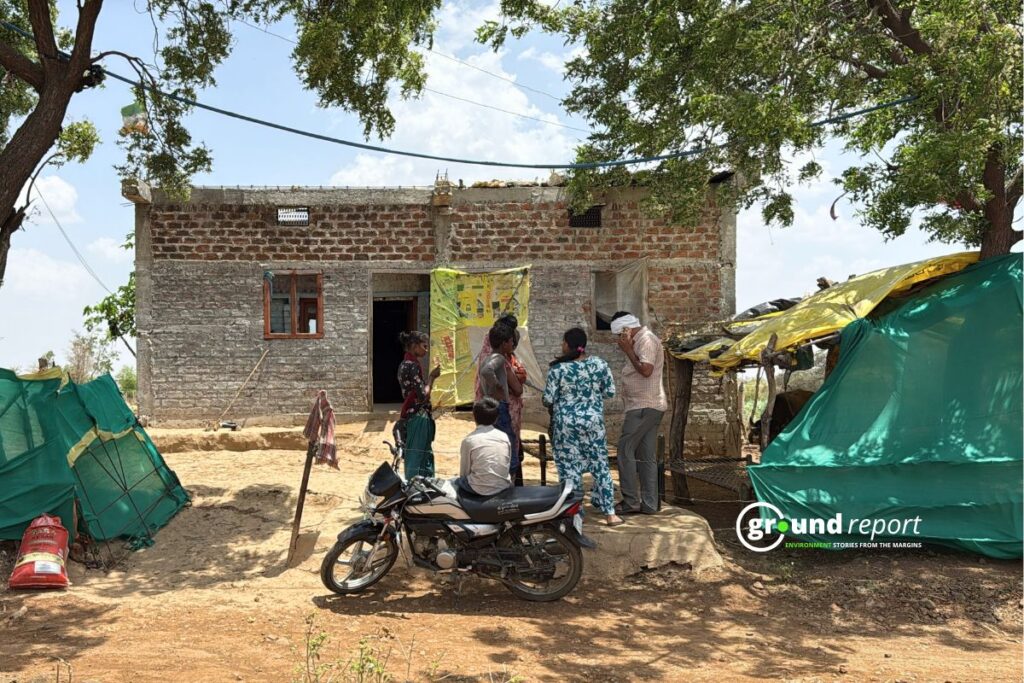
After that, he decided to dedicate his life to fighting against all these ill practices in society. Around 2012, Dangi joined Ahimsa Welfare Society’s anti-child marriage initiatives.
Interventions on the Ground
Ahimsa’s network of about 20 team members and roughly 400 village volunteers. The volunteers have to keep a check on the marriages or their prospects in the village. If there is a conversation related to the same, the volunteers try to convince the families otherwise. The first step is always the conversation to delay the marriage and get children educated.
Once that fails, Dangi and others coordinate with police, women and child development officials, panchayat representatives, and district administration to stop the arrangement amicably. They travel to villages, intervene, warn families, verify ages, and when necessary, push for FIRs under the Prohibition of Child Marriage Act and related laws.
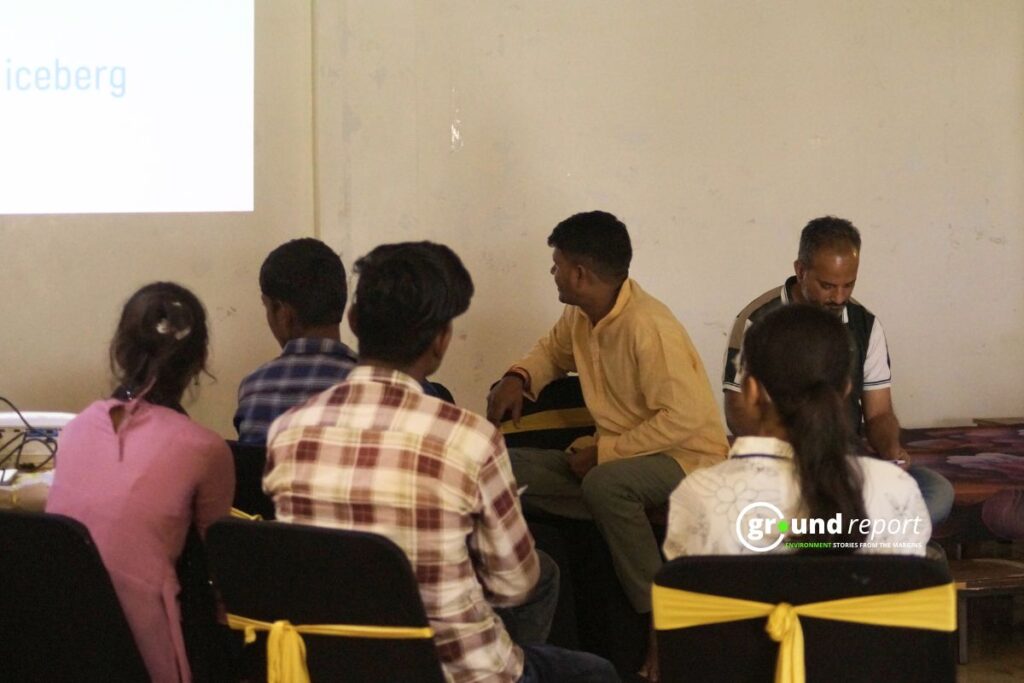
They organize regular chaupals in the villages to educate people against the ills of child marriage.
The Bal Vivah Mukt Bharat (BVMB) campaign, launched in 2024, sets a national goal of a child-marriage-free India by 2030, with an interim target to reduce the prevalence of child marriage by 10% by 2026. It uses real-time reporting through a national portal, district task forces, and convergence with schemes like Beti Bachao Beti Padhao.
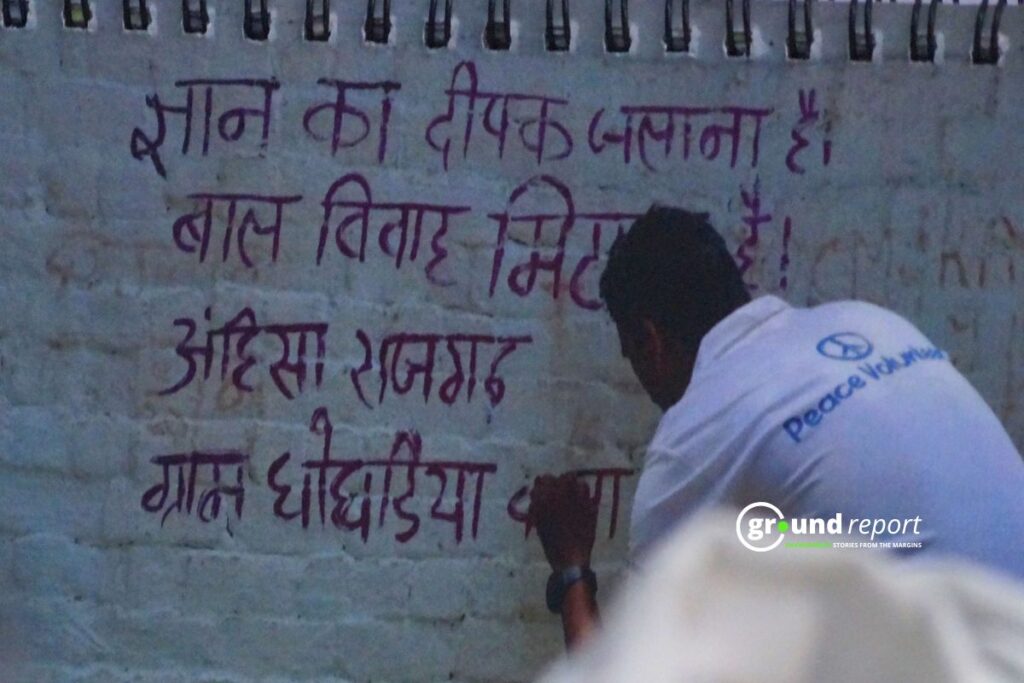
A 100-day nationwide drive focuses on awareness in schools, panchayats, and high-burden districts.
The approach also includes incentives and recognition, such as Child Marriage-Free Village certificates and national awards for top-performing districts.
In a response in the assembly, the minister of women and child development, Ms. Nirmala Bhuria, highlighted the government’s efforts. Bhuria said that the preventive efforts, such as appointing child marriage prohibition officers, conducting awareness campaigns under the “Beti Bachao Beti Padhao” initiative, organizing rallies and street plays, and forming flying squads and control rooms during high-risk periods like Akshaya Tritiya and Dev Uthani Ekadashi, were successful.
While many interventions have led to change, child marriage remains more common in rural India and among the Scheduled Castes and the Scheduled Tribes. States such as West Bengal, Bihar, Tripura, Jharkhand, Assam, and Rajasthan recorded rates higher than the national average.
Many researchers concluded that improving girls’ education and reducing economic inequality are among the most effective ways to delay marriage and reduce child marriage in India.
Over the decades, they have built networks of volunteers, administration, village informants, and police coordination. Especially during Akshaya Tritiya and mass wedding seasons, the team sits down to verify such couples. And notify the authorities to ensure timely interventions. An important aspect is keeping the local administration and law enforcement informed and by your side.
Shyam Babu Khare, the district’s program officer for women and child development, has assembled a multi-pronged response: a 24-hour control room for tips about planned child marriages and a district-level prevention squad operating under the sub-divisional magistrate; court injunctions obtained against imminent weddings; and annual assemblies where priests, tent-house operators, caterers, and community elders take pledges not to participate in underage ceremonies.
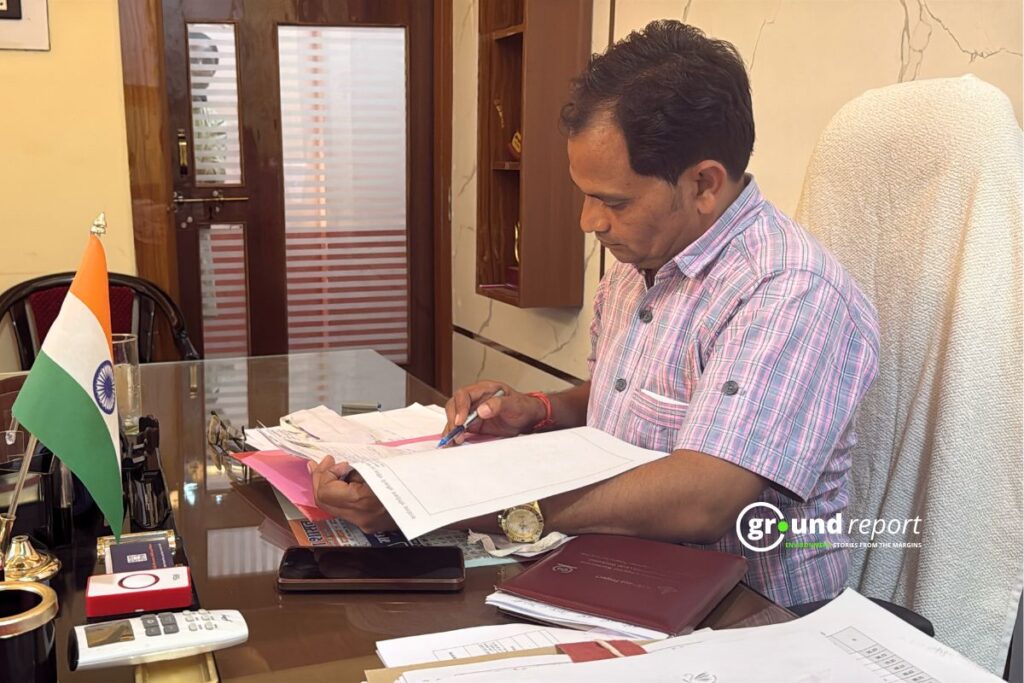
“We also get court injunction orders,” Khare says. “The priest, the tent house, the band—all receive legal notice that if they participate, action will be taken under the Prohibition of Child Marriage Act.”
The district has also begun requiring age-proof documentation before granting permission for mass wedding ceremonies. “Now there are situations where boys or girls come on their own and say, ‘Sir, our family won’t listen.’ They want to get me married.’ A girl in 12th grade will come and say, ‘I want to study further.'”
What Has Changed
And Dangi jokingly said, “People have stopped inviting us to weddings and other family functions.” They think Dangi’s presence might lead to chaos and unwarranted conversations.Not just this, going against the social practices comes with its own consequences: verbal abuse, blocked roads, intimidation, and warnings that he could be attacked for disrupting the ceremonies.
But “things have become better,” Satalkar said. He explained that where the marriages earlier had pre-teens, between 9 and 12, activists now increasingly see marriages involving adolescents aged roughly 14 to 17. In some ways, this reflects a shift. Dangi sees the shift this way: if he can persuade families to keep their children in school for a few more years, the children will be educated and then be able to marry legally.
At the national level, girls are marrying later than before, with the median age of marriage among women rising from 17.2 years to 19.2 years.
With years of work in the community, Dangi is the face of resistance against child marriage in Rajgarh. Both for good and bad. Advocacy against child marriages is layered with other child rights; hence, Dangi’s work also focuses on empowering youth in the district. His interactions are full of examples about individual rights, a progressive mindset, and impact-focused conversations to drive change.
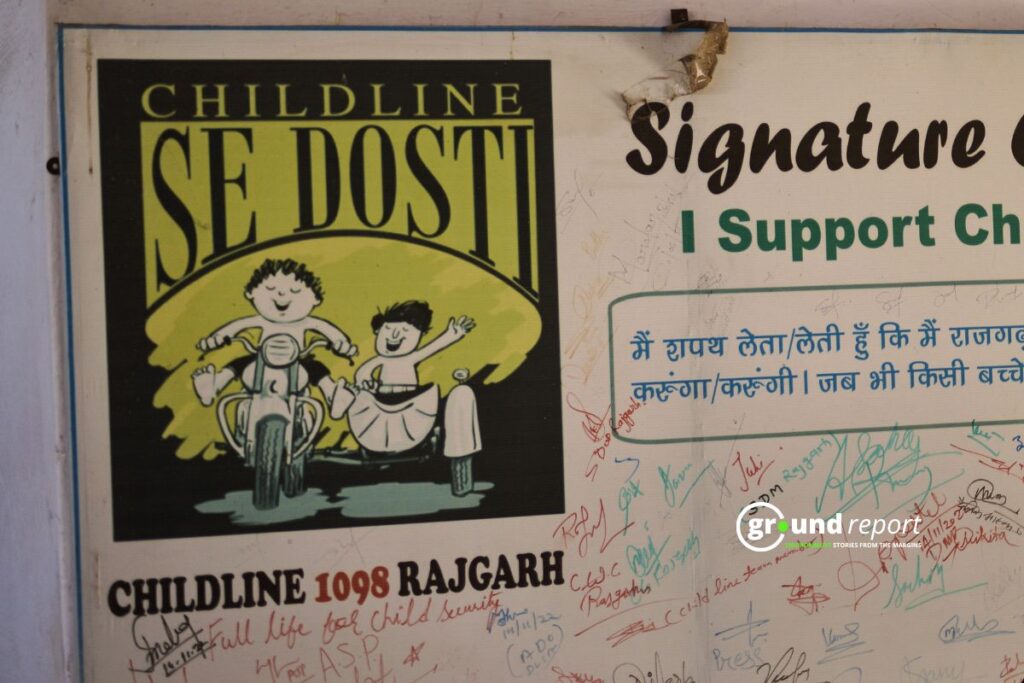
His office is in a small government college in the city’s center. The room is small with posters describing children’s rights.
Now 36, Dangi remains in the marriage arranged during his childhood. And responds with great succinctness on that matter. He said, “I do not give much importance to the marital relationship,” and he had one child. He continued studying through the years, completing degrees in social work and law. On the other hand, his wife never received a formal education. Today, much of Dangi’s life revolves around preventing child marriages across Rajgarh through his work with Ahimsa Welfare Society.
And Satalkar, in his calm voice, said, “The greatest happiness comes from this alone…because of us, someone’s life becomes better.”
Note:
This story is part of a three-part series on child marriage, climate change, and malnutrition, focused on Rajgarh and Madhya Pradesh.
Support Us To Sustain Independent Environmental Journalism In India.
Keep Reading
Despite The Ban, How Gutkha Became MP’s Most Common Household Habit
Betwa River Origin Dried Up, Volunteers Revived It in Just 7 Days