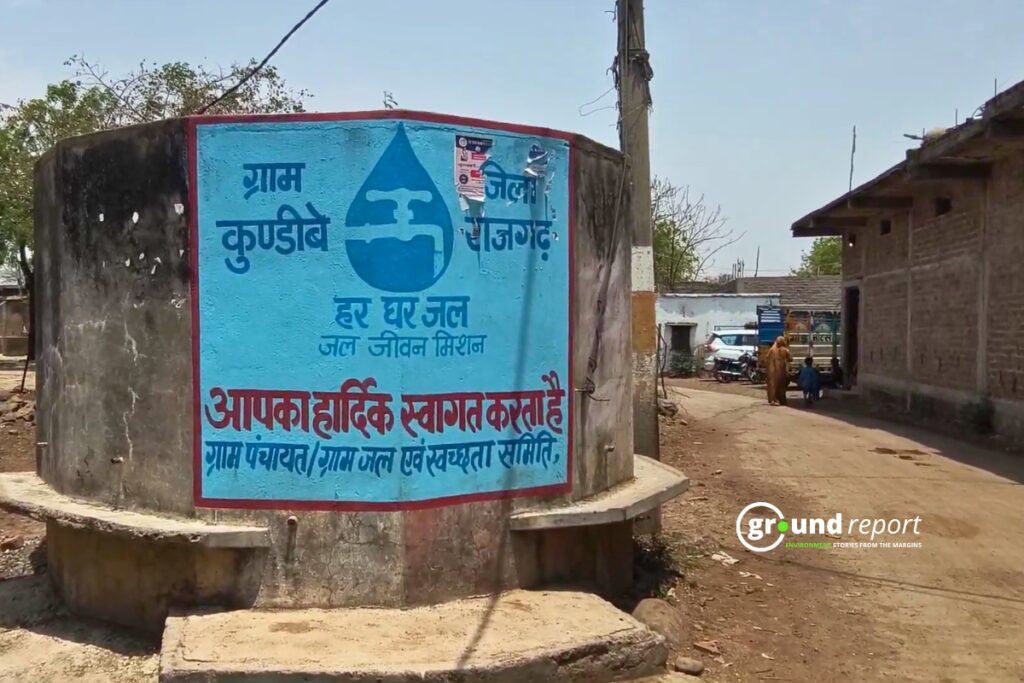
In December last year, Kundibe, a small village in Madhya Pradesh’s Rajgarh district, made national headlines. It had become the first village in the Bhopal division to receive tap water 24 hours a day, seven days a week.
Officials organised a ceremony. The village head received a letter of appreciation. Cameras rolled. Everyone celebrated.
Five months later, the taps run for just two hours a day.
The bill nobody could pay
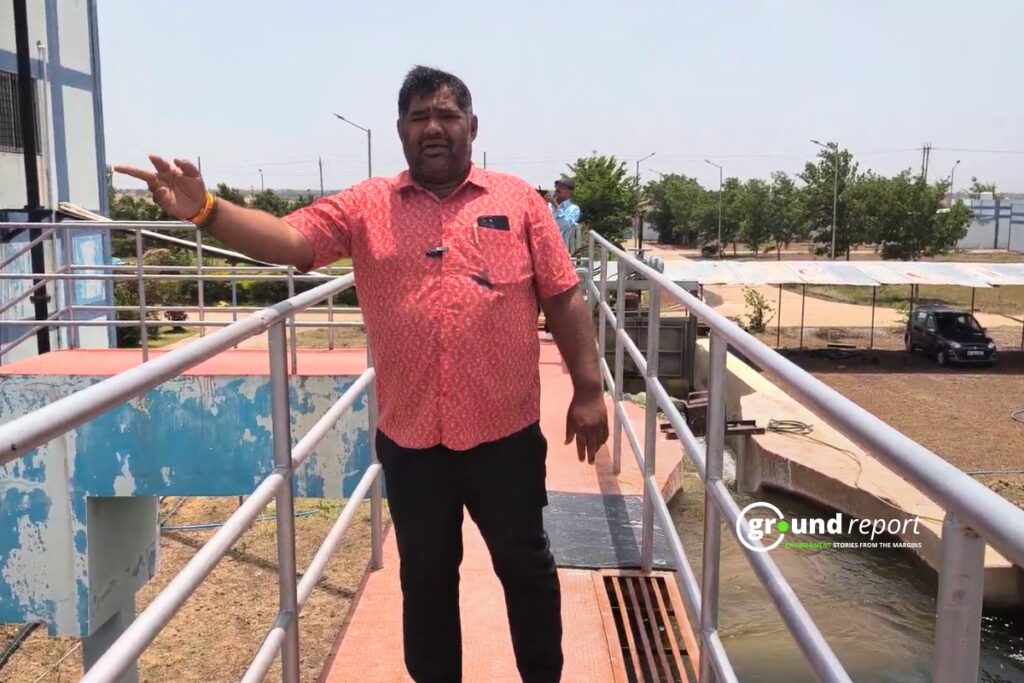
The problem is not a broken pipe or a failed pump. It is a piece of paper, a water bill.
Before the 24/7 supply began, Kundibe’s water bill was around ₹9,000–10,000 a month. Once the round-the-clock supply started and billing moved online, the amount jumped to ₹35,000 a month, nearly four times higher.
The village panchayat simply cannot afford it. Villagers pay ₹100 per household, which is already the maximum that can be collected. The panchayat has ₹2 lakh sitting in its water fund, but owes ₹3 lakh in outstanding dues. There is no way out.
So the panchayat cut the supply back to two hours a day.
“We warned them before the celebration”
What makes this story harder to swallow is that local officials saw it coming.
Panchayat secretary Ajit Singh and sarpanch representative Amritlal Tomar say they wrote to district officials before the December ceremony, warning them that the bill had already quadrupled and that the panchayat could not sustain 24-hour supply.
“We gave it in writing,” says Tomar. “But they gave us assurances and went ahead with the event anyway.”
The 24×7 scheme was formally handed over to the panchayat on 27 November 2024. For two months, billing was done offline and the amounts looked normal. When the system moved to an online portal, the real numbers appeared, and they were unmanageable.
Women at the well again
For the village’s women, the past five months had felt like freedom. Kulatabai, a resident, remembers it clearly.
“For one year, the tap ran all day. We were free from hauling water out of the well. Now we are back to two hours, and even in those two hours, the people with motors suck up all the water. Nothing reaches our taps.”
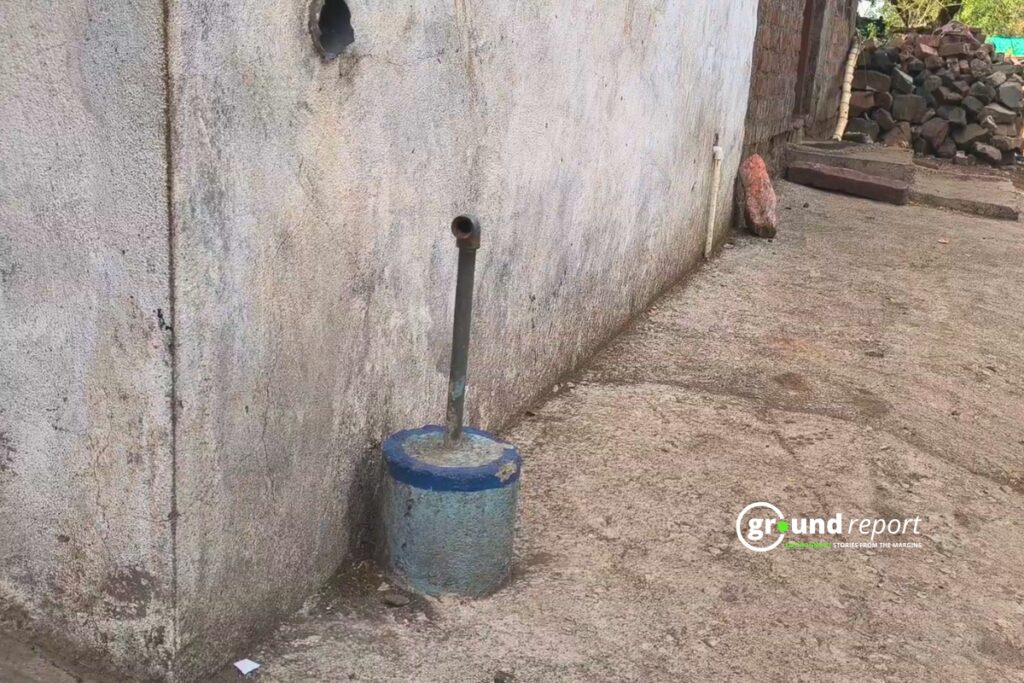
Pump operator Parvat Singh Solanki confirms this. In just two months, 25 to 30 households have installed private water motors. Those who got them first inspired their neighbours to do the same. Those who cannot afford one go without.
It is, he says, exactly the situation the village was in back in 2022, before the scheme was launched.
The administration’s response: write a letter
The Jal Nigam’s general manager Umakant Chaudhary says the bill is based on the MOU and on actual water consumption. If the panchayat has a complaint, he says, it should submit a written application through the Janpad CEO.
The project manager for the local water supply scheme, Ajay Vishnoyi, adds that villagers were wasting water when supply was unlimited, staff had to repeatedly ask them to stop. Now that the bill has risen, the panchayat itself chose to cut the supply.
In other words: the ball is in the panchayat’s court.
A story bigger than one village
Kundibe’s problem is not unique. Across India, the Jal Jeevan Mission has connected millions of homes to piped water. The infrastructure has been built. The inaugurations have happened.
But running water costs money, for electricity, for maintenance, for operations. When the bill lands on a small village panchayat’s desk, the math often does not work.
The panchayat’s demand is simple: revise the water rates to something villages can actually afford, and the 24-hour supply will restart immediately.
Until that happens, the “24×7 tap water village” exists only in a press release from last December.
The women of Kundibe are back at the well.
More Ground Reports
What does Ramsar status actually change for Bihar’s wetlands?
MP Poshan Aahar Closures Put Rural Women’s Livelihoods at Risk
Support Us To Sustain Independent Environmental Journalism In India.
Author
Support Ground Report to keep independent environmental journalism alive in India
We believe climate change should be the basis of current discourse, and our stories attempt to reflect the same.
Connect With Us
Send your feedback at greport2018@gmail.com
Newsletter
Subscribe our weekly free newsletter on Substack to get tailored content directly to your inbox.
When you pay, you ensure that we are able to produce on-ground underreported environmental stories and keep them free-to-read for those who can’t pay. In exchange, you get exclusive benefits.
Your support amplifies voices too often overlooked, thank you for being part of the movement.