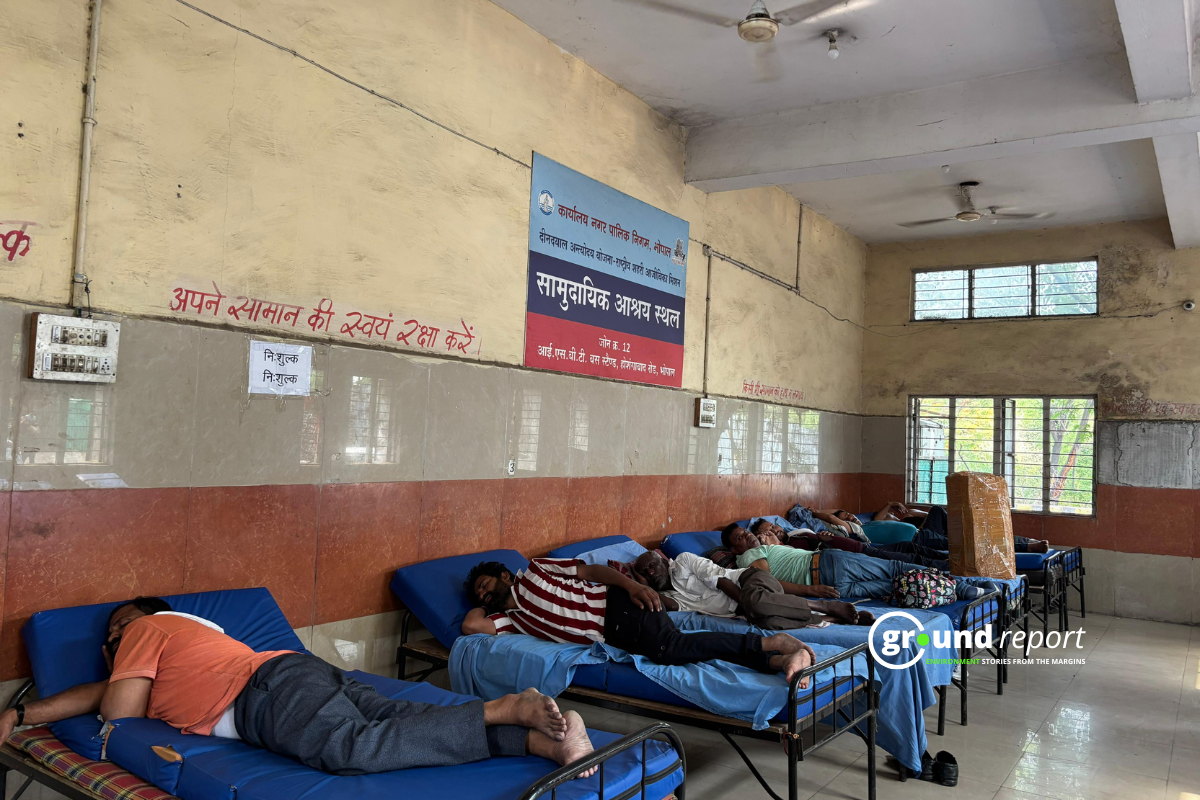
India is in the grip of a growing sleep crisis. A new survey released on World Sleep Day, March 13, 2026, finds that 46 percent of Indian adults sleep less than six hours a night, well below the eight hours recommended by health experts.
The survey, conducted by citizen engagement platform LocalCircles, collected responses from nearly 89,000 people across 393 districts in India. It is one of the largest sleep surveys conducted in the country.
The findings mark a slight improvement from last year, when 59 percent of respondents reported sleeping less than six hours. But experts say the numbers remain deeply concerning.
What the Survey Found
The data paints a consistent picture of disrupted, insufficient sleep across India. Of the 15,659 people who answered questions about sleep duration, 39 percent said they get six to eight hours of sleep, while 39 percent said they get only six to eight hours. Twenty percent reported sleeping four to six hours, and a smaller share reported getting four hours or less.
Interrupted sleep is a widespread problem. Seventy-two percent of respondents said they wake up during the night to use the bathroom — the single most common cause of sleep disruption recorded in the survey. Other reported causes included noise from mosquitoes and external sounds, cited by 22 percent, late bedtimes and early household activity at 25 percent, and mobile calls or messages at six percent.
The survey also asked how people try to recover lost sleep. Thirty-eight percent said they sleep longer on weekends, 36 percent said they sleep on Sunday afternoons, and 23 percent said they sleep longer on holidays. Thirteen percent said they are generally unable to make up for lost sleep at all.
The survey received over 43,000 responses from citizens across 348 districts. Sixty-one percent of respondents were men and 39 percent were women. Forty-five percent were from Tier 1 cities, 28 percent from Tier 2, and 27 percent from Tier 3, 4, 5, and rural districts.
Why Indians Are Losing Sleep
The survey points to a cluster of lifestyle factors driving the crisis. Excessive use of mobile phones and laptops at night is a leading cause. Screen exposure late at night prevents the brain from winding down and delays the onset of sleep. Irregular daily routines, late-night social media use, and high pressure from work and studies compound the problem.
Stress and anxiety also rank among the top reasons people struggle to sleep. Young people and working adults report the highest rates of sleep deprivation in the survey.
Why It Matters
The health consequences of chronic sleep deprivation extend well beyond tiredness.
Harvard Medical School research shows that even one night of poor sleep affects the parts of the brain that control decision-making and thinking. Long-term sleep deprivation is linked to anxiety, depression, high blood pressure, heart disease, diabetes, poor academic and work performance, and skin problems.
For a rapidly growing economy like India, where a large share of the workforce is already sleep-deprived, the implications for productivity and public health are significant.
Support Us To Sustain Independent Environmental Journalism In India.
Keep Reading
Highway Halt Puts Kashmir’s Fruit Economy at Risk
Railway line expansion plan put Kashmir’s apple orchards at risk
Warmer winters in Kashmir raise concerns over apple and crop yields
Stay Connected With Ground Report For Underreported Environmental Stories.