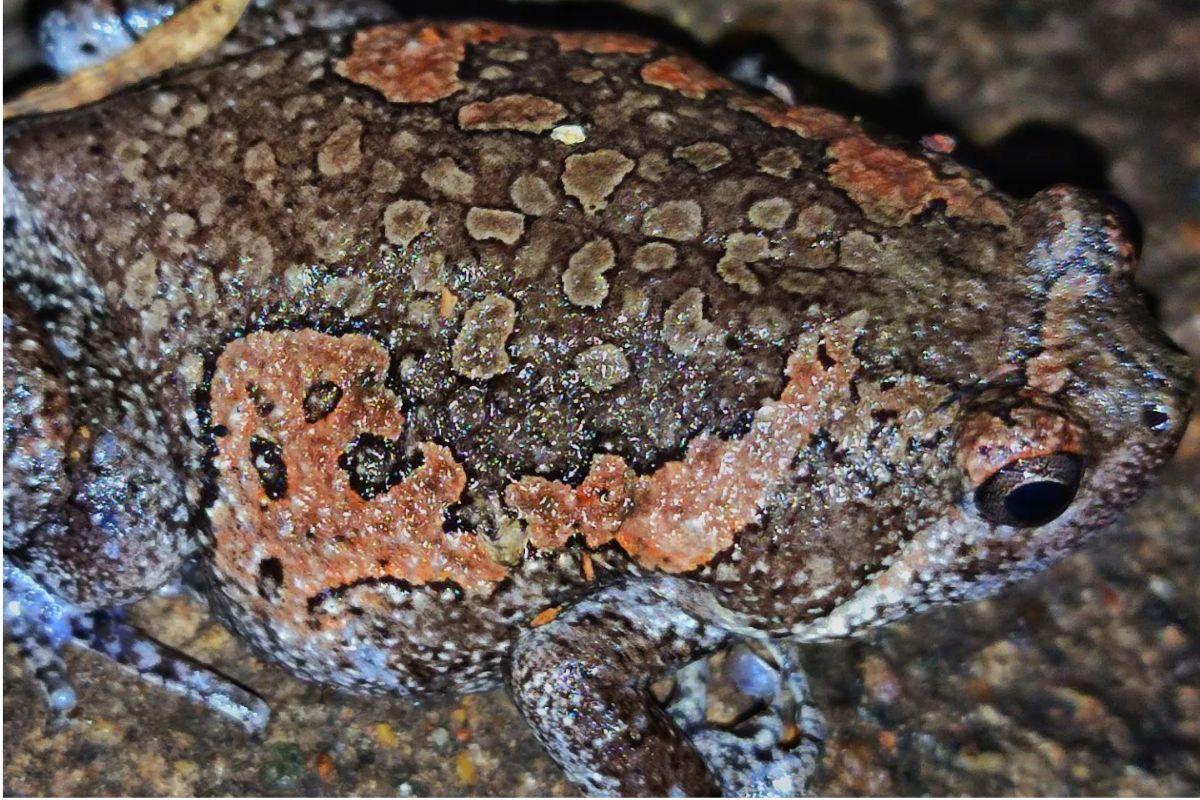
An amazing discovery has been made by wildlife professionals in Ujjain, Madhya Pradesh, where they have discovered a rare Indian Painted Frog (Uperodon taprobanicus). This finding has caused enthusiasm throughout the entire city. That this is the very first time that this species has ever been seen in the Malwa region lends an additional layer of significance to the discovery.
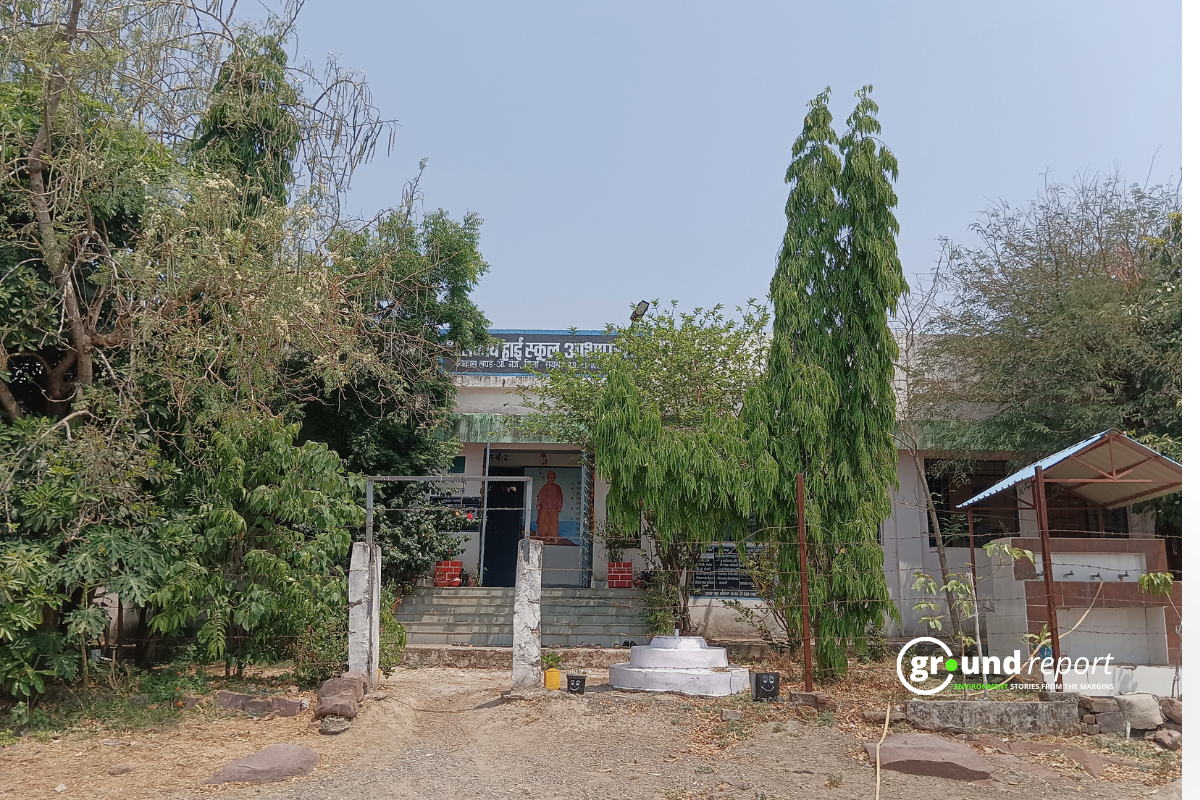
For the purpose of capturing a snake, wildlife expert Vivek Pagare was called to the area outside of the Forest Division quarters in Ujjain. This led to the discovery of the unusual amphibian. Pagare made an unanticipated discovery of the Indian Painted Frog when he was engaged in the process of capturing snakes. His prompt notification to the officials of the forest department resulted in the capture of the frog, which was then released in the nursery of the department.
This species, which is often referred to as the Sri Lankan Painted Frog, is a member of the family Microhylidae and is distinguished by the fact that its mouth is quite small. The frog is also known by a number of other names, such as the Painted Globular Frog, the Sri Lankan Bullfrog, the Sri Lankan Kaloula, and the Ceylon Kaloula.
It has been reported in the media that the Indian Painted Frog is most commonly found in regions that get considerable rainfall and climate conditions that are beneficial, particularly in South India. The species is known to dig tunnels into the ground in order to find a place to hide. In spite of the fact that it has been observed on multiple occasions in Rewa, Madhya Pradesh, as well as in protected regions such as Kanha Kisli and Satpura forests, this is the first time that it has been documented in Hajipur.
The natural habitats of the frog include the countries of Sri Lanka, Nepal, Bangladesh, and southern and eastern India. However, the frog has a specific fondness for the rain forests that are located in South India. This species is most commonly found in areas that have high levels of both air quality and water availability.
Due to the fact that this discovery could potentially imply altering ecological patterns or habitat ranges for the species that were previously unknown, it has raised curiosity among wildlife experts in the region. The emergence of this uncommon amphibian in the Malwa region, which has never been known to be a host for this species before, came as a surprise to both the officials of the forest department and the local wildlife experts.
Support us to keep independent environmental journalism alive in India.
Follow Ground Report on X, Instagram and Facebook for environmental and underreported stories from the margins. Give us feedback on our email id greport2018@gmail.com.
Don’t forget to Subscribe to our weekly newsletter, Join our community on WhatsApp, Follow our Youtube Channel for video stories.
Keep Reading
Why is Lesser Florican nearing extinction in Madhya Pradesh?
Gujarat: 38 Animals, birds die at Statue of Unity complex in 2 years
18 billion animals sacrificed yearly without making it onto someone’s plate: Study
Living planet report: Global populations of wild animals declined 69% in 50 years