On September 23, traders in Madhya Pradesh observed a ‘No UPI Day’ to protest the proposed Merchant Discount Rate (MDR) charge by the National Payments Corporation of India (NPCI), which is set to be levied on merchants accepting UPI payments above ₹2,000.
Earlier, the opposition was also seen in Uttar Pradesh and Karnataka.
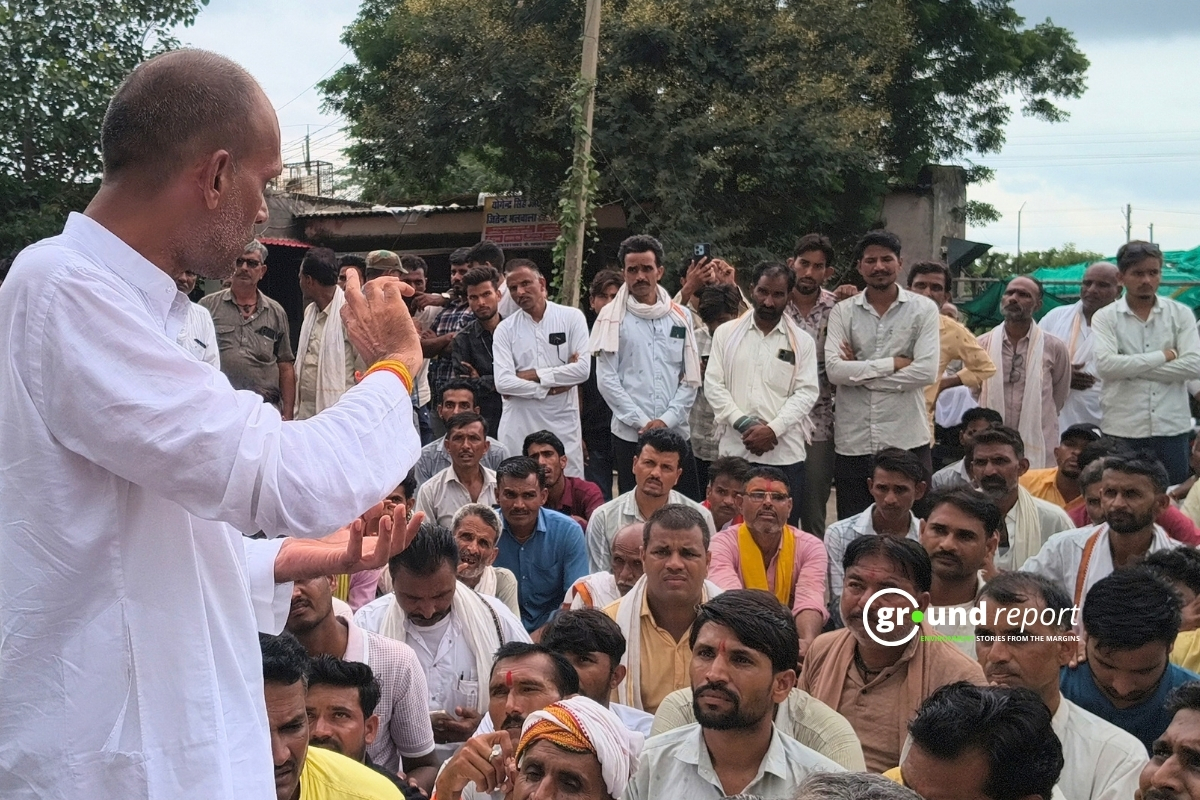
Trader organisations in Madhya Pradesh’s major cities, including Bhopal, Indore and Jabalpur, as well as in Vidisha district, are opposing the charge. Traders tied black bands around the QR scanners installed at their establishments and accepted payments only in cash or through other modes.
The National Payments Corporation of India (NPCI) issued an official notification on September 15 stating that, from October 15, merchants receiving payments above ₹2,000 would have to pay a Merchant Discount Rate (MDR)—a digital processing fee charged to merchants—at a rate of 0.4%.
However, micro-merchants receiving less than ₹1 lakh per month and person-to-person transactions will be exempt from the charge. In addition, selected merchant categories, including railways, petrol pumps, telecom services, utility bill payments, insurance, and school and college fees, will be charged a flat fee of ₹5 instead of the 0.4% MDR.
A representative of the Vidisha Traders’ Federation said traders and customers are unhappy with the new UPI charge, arguing that it would put an additional financial burden on merchants.
“Today’s protest was symbolic and was held for the first time. But the result was that both customers and traders faced difficulties because customers no longer carry cash with them. In the age of mobile phones, there is nothing easier than UPI. The protest directly affected our business,” the representative said.
Hridesh, another office-bearer of a traders’ organisation in Vidisha, said, “First, traders and the general public were made accustomed to UPI. Now, when everyone finds it convenient to make payments directly through their mobile phones, rules are being introduced to charge merchants. This government rule is wrong and is not in the interest of traders.”
The concerns are not limited to districts where traders have actively protested. Similar concerns are emerging from other parts of the state as well.
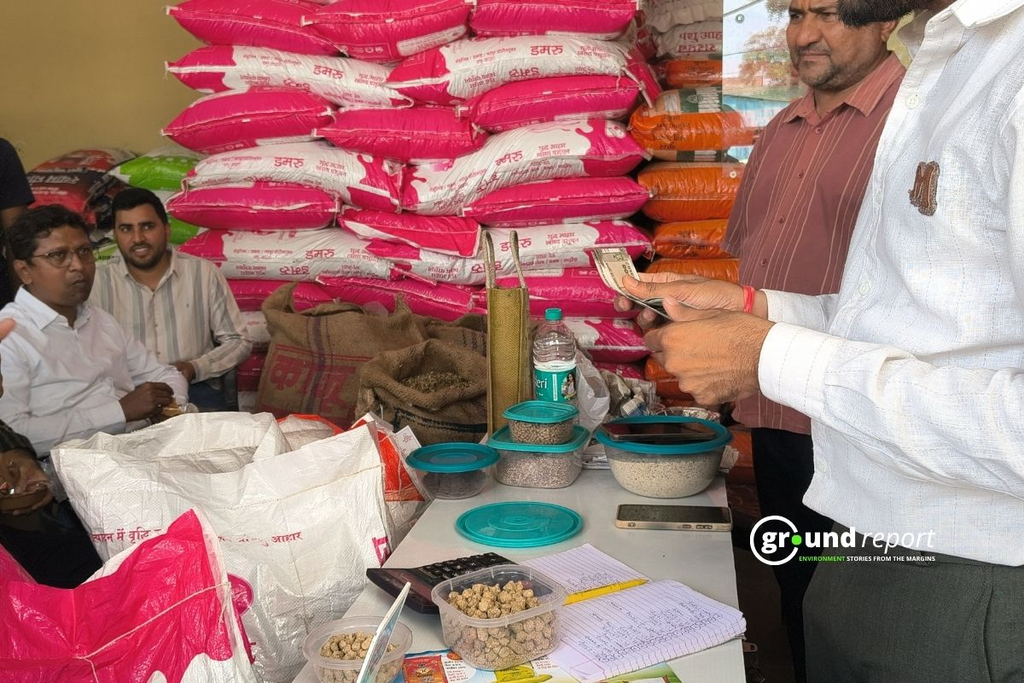
Abhishek Solanki, who runs an agricultural service centre on Mandi Road in Biaora city of Rajgarh district, said traders have been struggling since the COVID-19 pandemic and are still trying to stabilise their businesses.
“In such a situation, it will not be possible to bear any new charge. Our margins and commissions are only between ₹20 and ₹50. Accepting this charge will be impossible. If this happens, we will stop accepting UPI payments and manage with cash, or add the amount to the price of the product and recover it from customers,” he said.
However, according to the PDF issued by NPCI, the organisation has rejected the argument that MDR charges would increase the cost of goods for customers. It said UPI is an important driver of customer footfall and business growth at shops and that, given market conditions, merchants absorb the relatively small digital processing cost themselves.
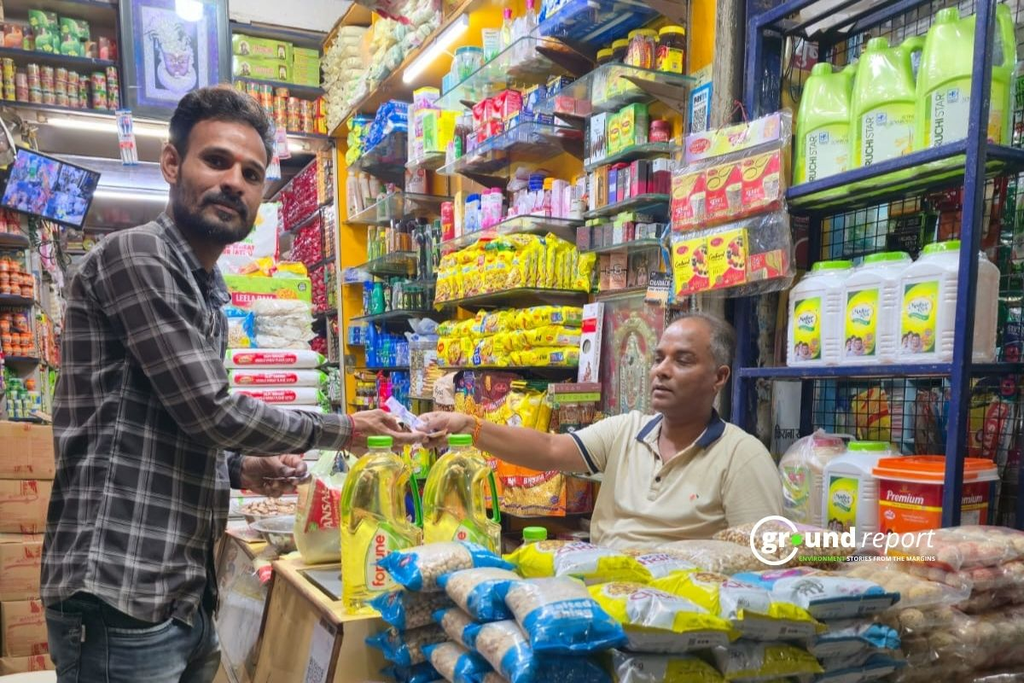
But traders say they would not absorb the charge willingly, but out of necessity.
Ram Gupta, a cattle-feed seller in Biaora, said UPI has become an essential part of doing business.
“UPI has become a necessary part of business today. If we want to continue using it, we will have to bear the cost ourselves because customers will not agree to pay it. Our profit margin is already very low. If we want to remain in the market, we will have to bear the loss,” he said.
According to available data, the number of UPI users across the country stood at around 55.49 crore as of June 2026, with more than 6.5 crore active merchants accepting payments through QR codes. In Madhya Pradesh, media reports suggest that UPI transactions worth around ₹63,000 crore are taking place every month.
With traders unwilling to accept the MDR charge and continuing their protests, those who continue accepting UPI payments may pass the additional cost on to customers, potentially increasing the financial burden on consumers.
Support Us To Sustain Independent Environmental Journalism In India.
More Ground Reports
He Was Married as a Child, Now Manish Dangi Helps Stop It for Others
Despite The Ban, How Gutkha Became MP’s Most Common Household Habit