More than one-third of rural drinking water in Madhya Pradesh is unfit for human consumption. The central government’s Jal Jeevan Mission released a report on January 4, 2026, exposing a massive contamination crisis affecting millions.
According to the NDTV report, the Functionality Assessment Report found that only 63.3% of water samples in Madhya Pradesh passed quality tests. This falls below the national average of 76%. The remaining 36.7% of rural drinking water samples contained bacterial or chemical contamination.
Officials collected samples from over 15,000 rural households across Madhya Pradesh in September-October 2024.
Where Contamination Is Worst
Government hospitals and schools supply unsafe water to the most vulnerable populations. In hospitals, only 12% of water samples passed microbiological safety tests, compared to a national average of 83.1%. About 88% of hospitals supply unsafe drinking water to patients seeking treatment.
In schools, 26.7% of samples failed microbiological tests. Children drink contaminated water daily while attending classes.
Tribal-dominated districts face complete water failure. In Anuppur and Dindori, not a single water sample was found safe. In Balaghat, Betul, and Chhindwara, more than 50% of water samples contained harmful contaminants.
Madhya Pradesh has only 31.5% of households with tap connections, far below the national average of 70.9%. The state installed pipelines in 99.1% of villages, but only 76.6% of households have functioning taps.
In Indore district, authorities declared 100% tap coverage, yet only 33% of households receive safe drinking water. Across the state, 33% of water samples from taps failed quality tests.
The central government termed the situation a “system-generated disaster.” Officials warned that if water quality does not improve, funding may be reduced this year.
Eighteen people died in Bhagirathpura, Indore, after drinking contaminated water. Hospitals admitted 429 people for treatment. Sixteen patients remain in intensive care units and three depend on ventilators.
The Madhya Pradesh High Court formally recognized the crisis as a public health emergency. The court stated that “the right to life under Article 21 includes the right to clean drinking water” and declared the present situation falls within the scope of a public health emergency.
How Bhopal Residents Suffered for Years
Despite repeated complaints on the CM Helpline and Mayor Helpline, the Bhopal Municipal Corporation allegedly failed to act on contaminated water reports. On Wednesday, bacteria were detected in water samples from four locations, including Khanugaon and Bajpai Nagar.
A sewage line near the well burst 10 to 15 days ago, allowing sewage to mix with drinking water. Residents claimed municipal teams only arrived to collect water samples after the Indore incident.
Bajpai Nagar houses around 15,000 people under the BMC’s “Housing for All” scheme. Residents say the water pipeline has been submerged in sewage for years. Despite monthly complaints over the past four years, officials allegedly took no corrective measures.
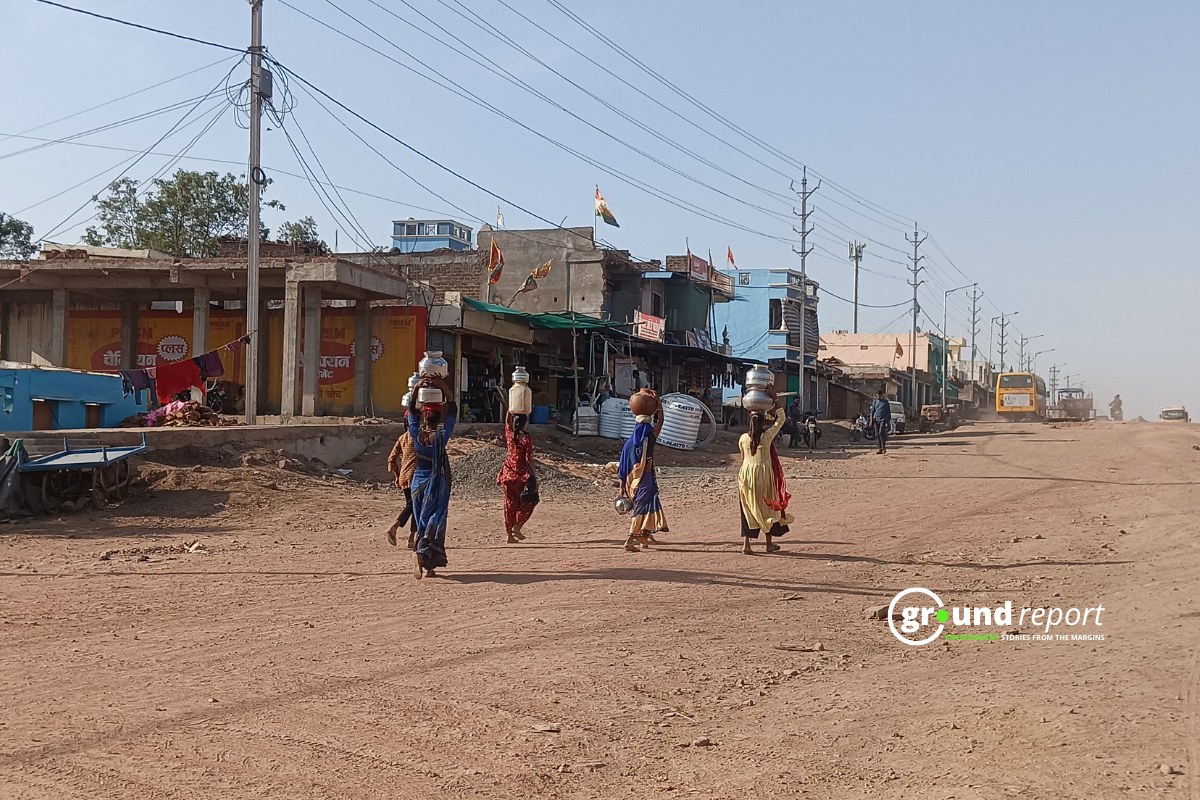
The water emits a foul smell. Many families now carry water in containers from higher areas, adding to their daily hardship.
What Govt Audits Warned Years Ago
The Comptroller and Auditor General flagged systemic lapses years before the Indore tragedy. Between 2013 and 2018, Bhopal and Indore civic areas recorded 5.45 lakh cases of water-borne diseases.
The CAG’s 2018 audit report stated that “the possibility of contaminated water being supplied by the MCs during the period could not be ruled out.”
The audit conducted joint sampling in August-September 2018 with BMC and IMC officials. Tests at the State Research Laboratory found faecal coliform in multiple samples. In Indore, faecal coliform counts ranged from 40 to 140, far above permissible limits of zero.
The auditor noted that 8.95 lakh residents were likely affected due to contaminated water containing faecal coliform. The report pointed to a “lack of monitoring of filter plants at the operational level as well as at the distribution level.”
The 2022 audit report found that 7 of 14 urban local bodies did not have water testing laboratories. The CAG warned that “adverse effects on the health of the population due to supply of water without regular testing cannot be ruled out.”
Volunteer organization Jan Swastha Abhiyan wrote to the chief secretary and Union Jal Shakti ministry after the Indore tragedy. The group cited repeated audit findings and demanded urgent action to address the contamination crisis.
The water crisis in Madhya Pradesh demands immediate government intervention to prevent further loss of life and protect public health.
Support us to keep independent environmental journalism alive in India.
Keep Reading
Small Wild Cats in Big Trouble: India’s First National Report Released
After Tragedy, Families Face Delays in Tiger Attack Compensation
Stay connected with Ground Report for underreported environmental stories.