
The government issued a Standard Operating Procedure for water quality monitoring in January 2025, establishing a comprehensive framework to prevent waterborne diseases and ensure safe drinking water across India. The SOP creates a joint action mechanism between the Ministry of Jal Shakti’s Jal Jeevan Mission and the Ministry of Health and Family Welfare.
The procedure assigns specific roles to officials at national, state, district, block, and village levels to monitor water quality and respond to health emergencies. It covers pipeline maintenance, leak detection, water quality monitoring, and grievance redressal.
Why was the SOP issued?
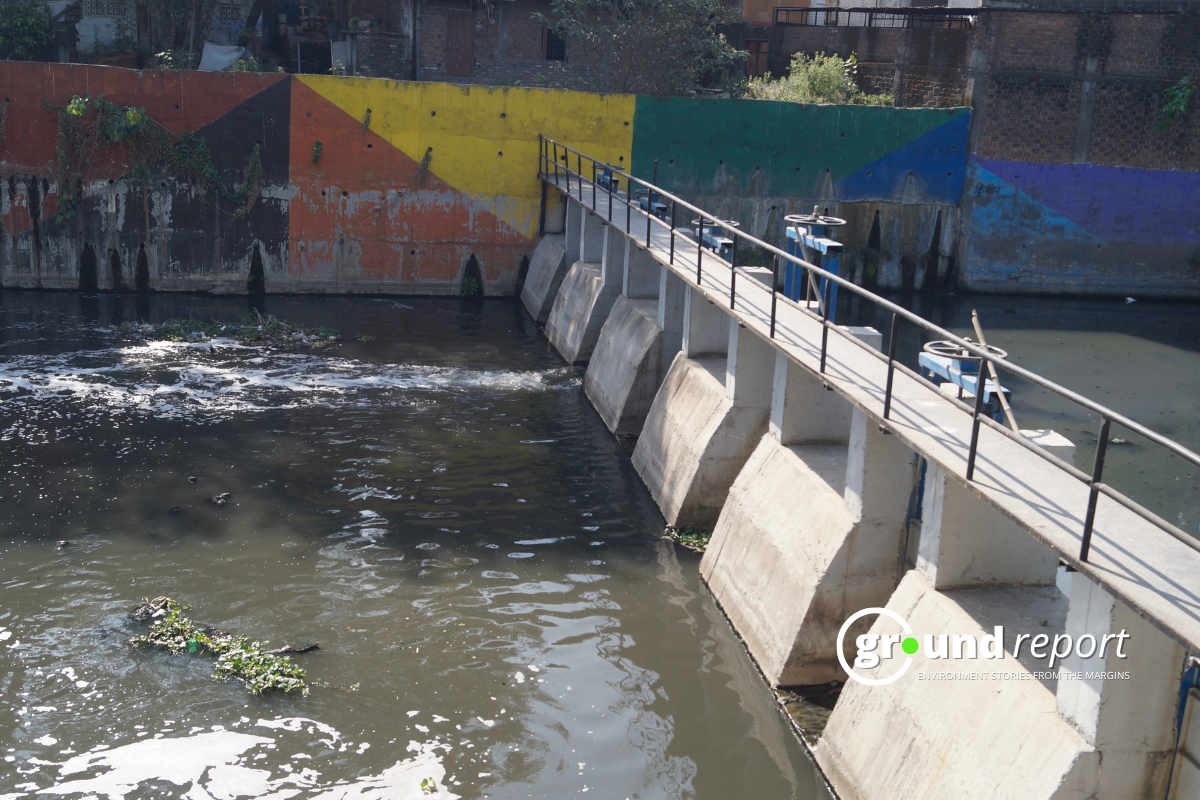
The move follows a series of contamination incidents, including 16 deaths in Indore’s Bhagirathpura area due to polluted water supply. After the tragedy, the Madhya Pradesh government directed all 16 municipal corporations and 413 urban bodies to inspect drinking water pipelines within seven days.
The SOP addresses multiple contamination sources. Biological contamination causes diseases like cholera, dysentery, and hepatitis A. Chemical contaminants such as fluoride, arsenic, and nitrates lead to chronic health problems. Improper water storage creates breeding grounds for disease-carrying vectors like mosquitoes.
State authorities must share chemical contamination hotspot information between water and health departments. The Public Health Engineering Department provides seasonal reports on water cleaning and disinfection activities. State health officials design laboratory networks for water quality testing and share disease surveillance data with water departments.
Both departments conduct joint training programs for district officials. They issue advisories before summer, during floods, and after extreme weather events. Water department members join state rapid response teams to test sources during disease outbreaks.
How does it work at the district level?
District authorities conduct quarterly meetings on water quality monitoring. District water officials regularly test water at healthcare facilities and share results with medical officers. They visit disease hotspots and test water at both sources and households. Additional testing becomes mandatory during floods, droughts, and cyclones.
Health department officials conduct random water quality checks and cross-verify testing results using public health laboratories. They share information about disease hotspots with water departments for immediate corrective action. Cities must identify pipelines older than 20 years in densely populated areas and repair leaks within 48 hours.
Five women frontline workers per village receive training on water quality testing using field testing kits. These include community health workers, anganwadi workers, and self-help group members. They conduct periodic water testing at schools, health centers, and public facilities.
Villages must display water quality test results publicly. Community platforms like Village Health Sanitation Nutrition Committees integrate water quality monitoring into their regular activities. The framework mandates sharing sanitary survey records with medical officers.
What went wrong in Indore?
The Indore case exposed systemic failures in complaint handling. Despite 11 complaints to the Chief Minister’s helpline about dirty water in Bhagirathpura, officials took no action. Residents had complained for six months through the Municipal Corporation’s 311 Mayor Helpline before the deaths occurred.
The helpline had 700 pending complaints about water contamination. Out of 100 dirty water complaints from Indore on the CM Helpline, 80 remained pending at the Assistant Engineer level. A 2019 audit revealed 8.95 lakh people in Bhopal and Indore received contaminated water. Between 2013 and 2018, tests found 4,481 water samples unfit for drinking.
Following the tragedy, authorities introduced ward-wise accountability, assigning one employee per ward instead of zone-level monitoring. The system mandates feedback from complainants after complaint resolution to prevent false closures. Officials now prioritize complaints about dirty water and leakage.
The government spent over Rs 1,000 crore from an Asian Development Bank loan for water management in major cities. Despite the investment, clean water supply remained inconsistent. The new SOP aims to establish clear accountability at every level from state officials to village workers.
Support us to keep independent environmental journalism alive in India.
Keep Reading
Small Wild Cats in Big Trouble: India’s First National Report Released
After Tragedy, Families Face Delays in Tiger Attack Compensation
Stay connected with Ground Report for underreported environmental stories.