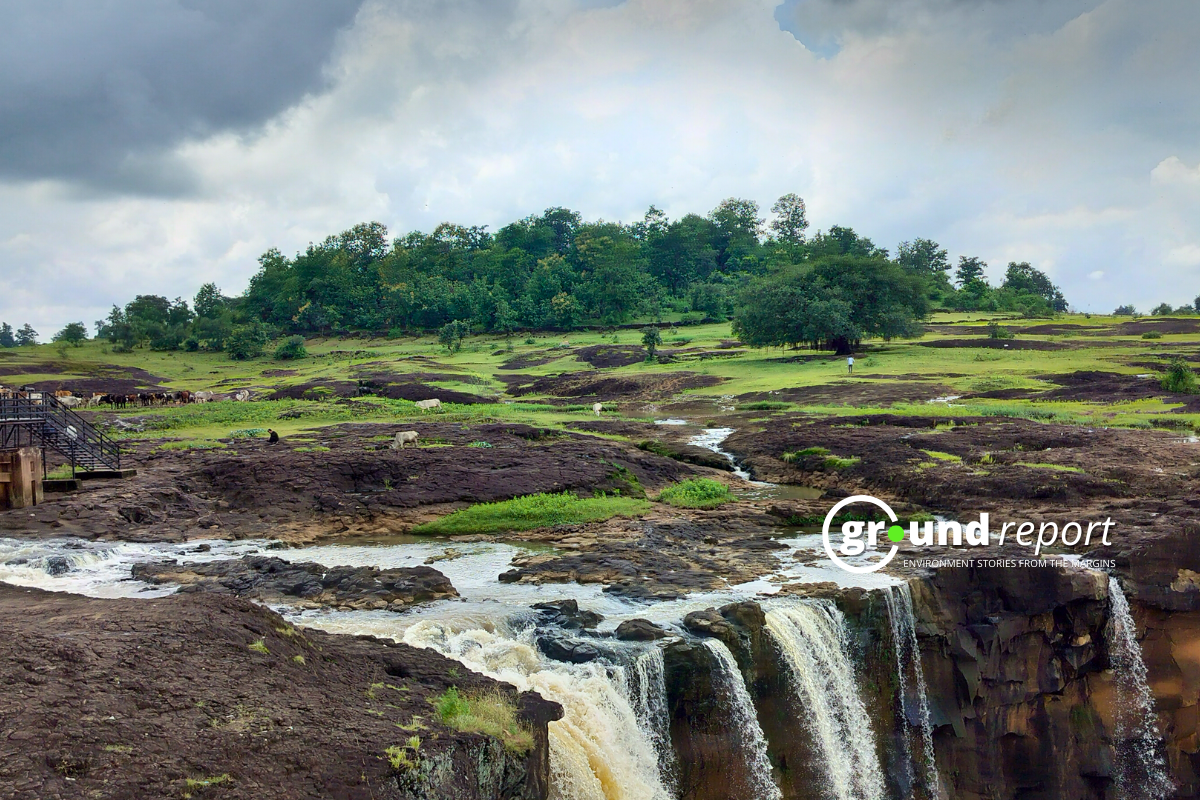
The National Board for Wildlife’s standing committee has recommended approval for the diversion of about 272 hectares of forest land for an irrigation project inside the Veerangana Durgavati Tiger Reserve in Madhya Pradesh, according to an Indian Express report. The decision affects a reserve that was created just two years ago to offset habitat loss from another major infrastructure project.
What the project involves
The Kopra medium irrigation project will build reservoirs along the Byarma River and Kopra River within the core area of the tiger reserve, the report states. The project aims to irrigate 9,900 hectares of Rabi crops in Sagar district and provide water for domestic use. Thirteen villages will be submerged as a result.
To compensate for the forest loss, 310 hectares of revenue land within the tiger reserve will be reserved for afforestation. The total submergence area covers 1,044.52 hectares, including 716.62 hectares of private land, 59.90 hectares of government land, and 272 hectares of forest land.
The standing committee approved the project on January 19 following a site inspection conducted last September, the report states. Representatives from the National Tiger Conservation Authority, the Madhya Pradesh Forest Department, the Wildlife Institute of India, and other agencies participated in the inspection.
Why tiger experts are concerned
The National Tiger Conservation Authority raised concerns about how the development would affect tiger movement through the landscape, according to official documents cited by the Indian Express. The tiger reserve serves as habitat for resident tigers and those dispersing through the region.
“The Kopra River is a tributary of the Sonar River and contributes to the region’s wetland and riparian ecosystem,” the NTCA noted in its comments on the proposal, the report states.
The Veerangana Durgavati Tiger Reserve was notified in 2023 and spans 2,339.12 square kilometers, according to the Indian Express. It was carved out of the Nauradehi wildlife sanctuary and is home to tigers, leopards, hyenas, sambars, and sloth bears.
The reserve was created to compensate for the loss of over 100 square kilometers of tiger habitat due to the Ken Betwa river-linking project. When that project was recommended in August 2016, the NTCA flagged habitat loss concerns and recommended integrating several wildlife sanctuaries into tiger reserves as a mitigation measure, the report notes.
Why officials support the project
Subharanjan Sen, Principal Chief Conservator of Forests (Wildlife) for Madhya Pradesh, defended the project’s environmental impact in comments to the Indian Express.
“The project will submerge forests partially on the boundary of the tiger reserve and it would create a natural barrier to reduce grazing pressure,” Sen said. “There is a sporadic presence of tigers in the area, and the creation of the reservoir may benefit the habitat.”
The inspection report stated that the project structures would serve as a natural barrier, restricting entry from border villages into the tiger reserve for nearly 10 kilometers. The report also noted this would prevent crop damage by wild animals.
The standing committee directed the Madhya Pradesh Water Resources Division to ensure no damage occurs to forests, wildlife, or their habitats during project implementation, according to meeting minutes cited by the Indian Express. The inspection report highlighted that excessive grazing currently causes land and forest degradation in the area.
Support Us To Sustain Independent Environmental Journalism In India.
Keep Reading
Story of Mala Nimbalkar: Rag Picker to Manager of MRF centre in Bhopal
In Bhopal’s Idgah Hills, Who is Segregating Our Plastic Waste?