India has crossed a significant energy milestone, with more than half its installed electricity capacity now coming from non-fossil fuel sources. But coal continues to anchor the national grid, and the government says that will not change anytime soon.
Where India Stands Today
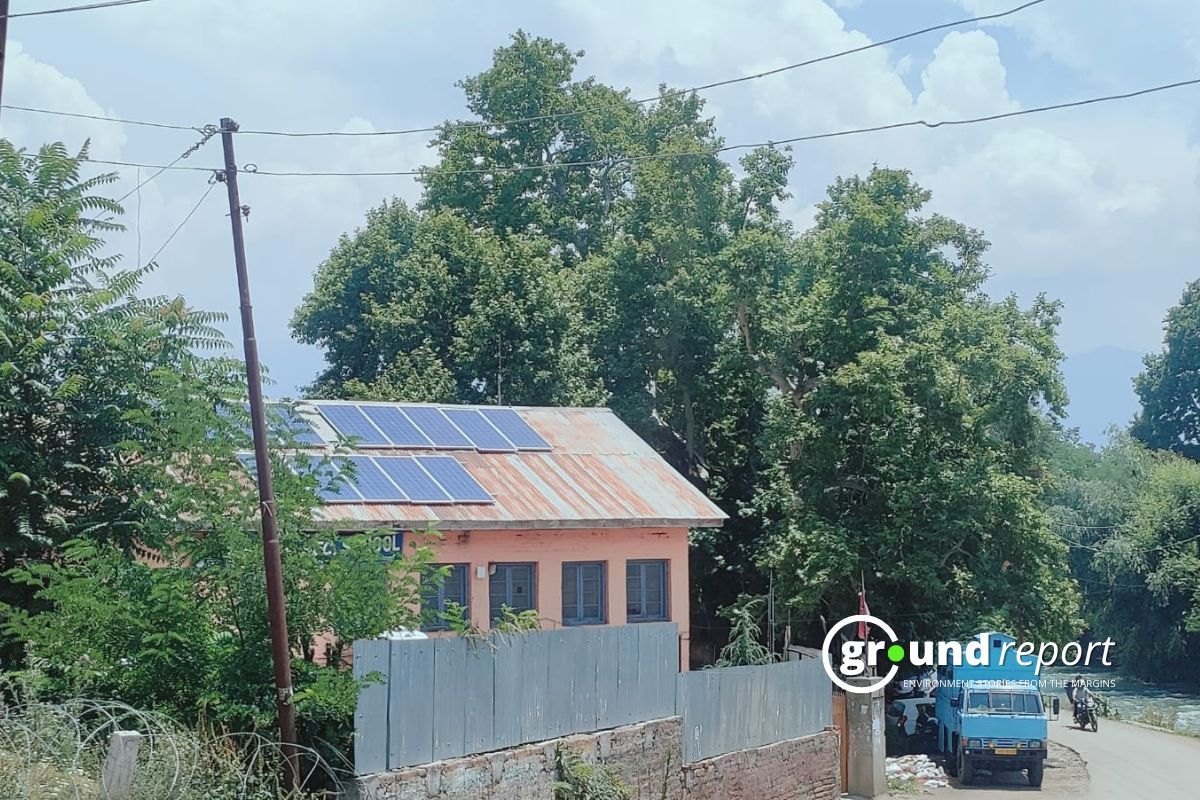
As of February 28, 2026, India’s total installed generation capacity stands at 524 gigawatts (GW). Renewable energy sources account for 266.7 GW of that, including 143.6 GW from solar and 55.1 GW from wind. Coal and lignite contribute 227.8 GW, remaining the single largest source of power in the country.
The government confirmed in a written reply to the Rajya Sabha on March 23, 2026, that India reached 50% non-fossil fuel capacity in June 2025 more than five years ahead of its Paris Agreement target.
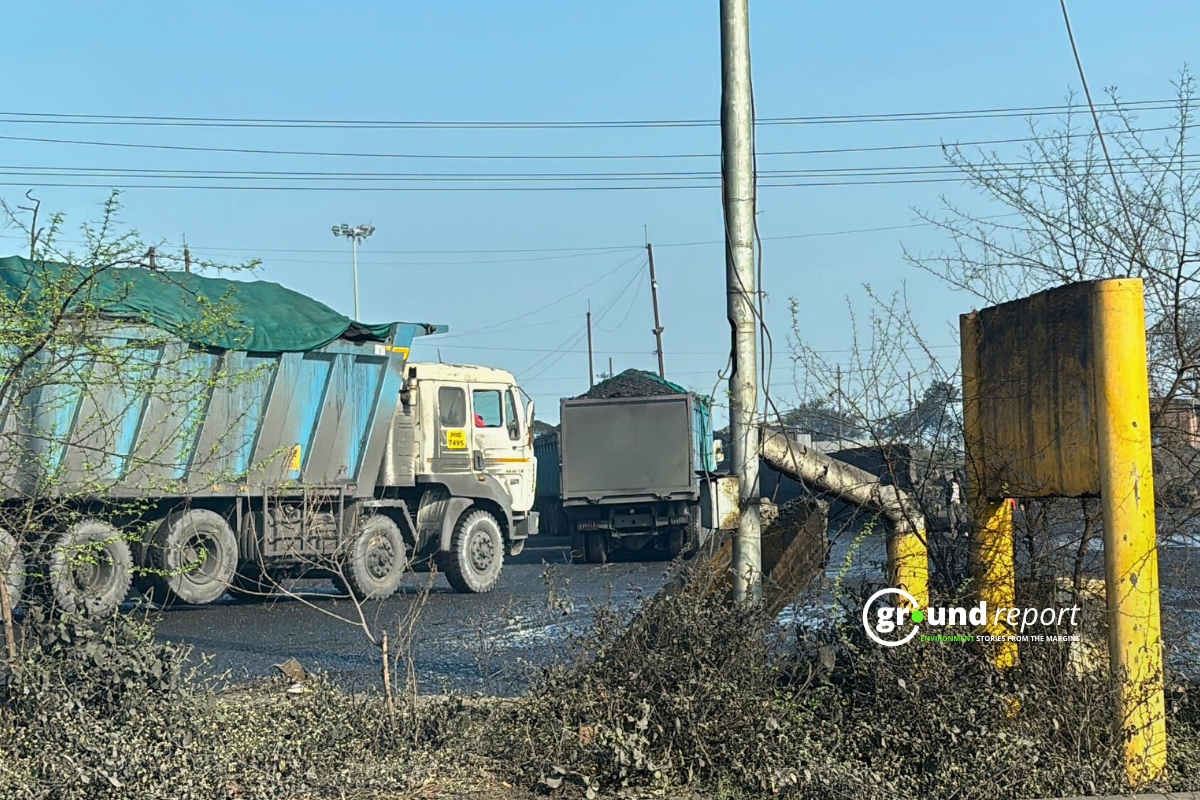
Shripad Naik, Minister of State in the Ministry of Power, stated in the official reply that “coal-based power plants continue to play a critical role in providing base load power and grid stability, thereby ensuring energy security of the country.”
Solar and wind power are intermittent, they don’t generate electricity around the clock. The government argues that coal fills this gap by providing firm, dispatchable power whenever the grid needs it.
To reduce this dependence over time, India is building large-scale battery storage and pumped hydro projects. Currently, over 9,650 MW of battery energy storage capacity is under construction nationwide.
Nuclear Push
India has set a target of 100 GW of nuclear capacity by 2047. A dedicated Nuclear Energy Mission with ₹20,000 crore in funding aims to develop at least five Small Modular Reactors by 2033. The SHANTI Act, 2025, now allows private sector participation in nuclear energy for the first time.
The government maintains that India’s climate commitments remain on course. The non-fossil fuel share of installed capacity currently stands at 52.57%, surpassing the NDC target set under the Paris Agreement ahead of schedule.
Support Us To Sustain Independent Environmental Journalism In India.
More Ground Reports
Panna: Villagers Protest Irrigation Projects, Demand Documents, and Transparency
Fulkai Maai Demands the Return of Crèches for Malnourished Korku Children
Stay Connected With Ground Report For Underreported Environmental Stories.
Support Us To Sustain Independent Environmental Journalism In India.